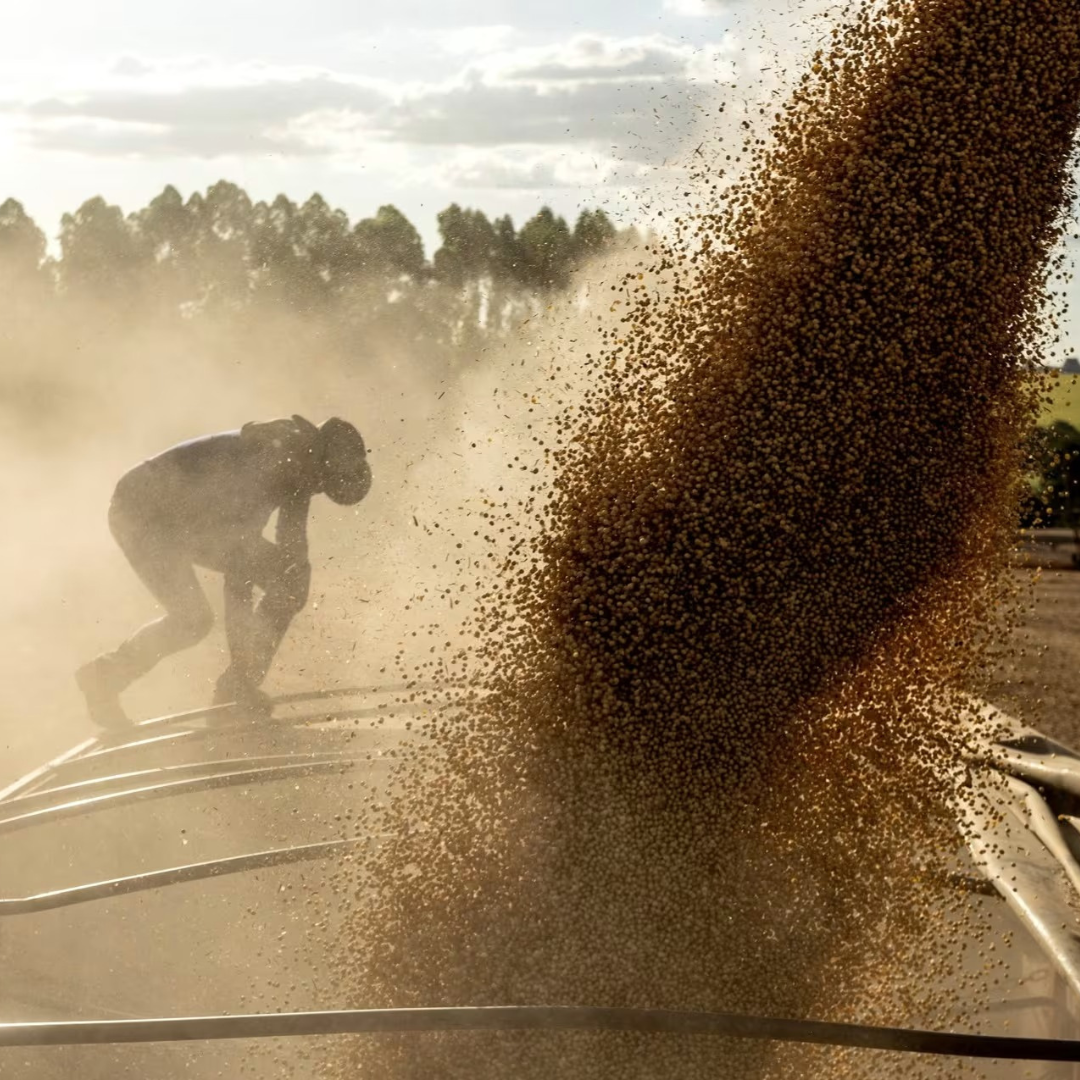
Global food systems are under renewed pressure as the Middle East Crisis intensifies.
This war is a sobering reminder of how conflict disrupts the foundations of human wellbeing: food, water, and energy.
Early projections suggest that up to 45 million additional people could fall into acute food insecurity if the crisis persists.
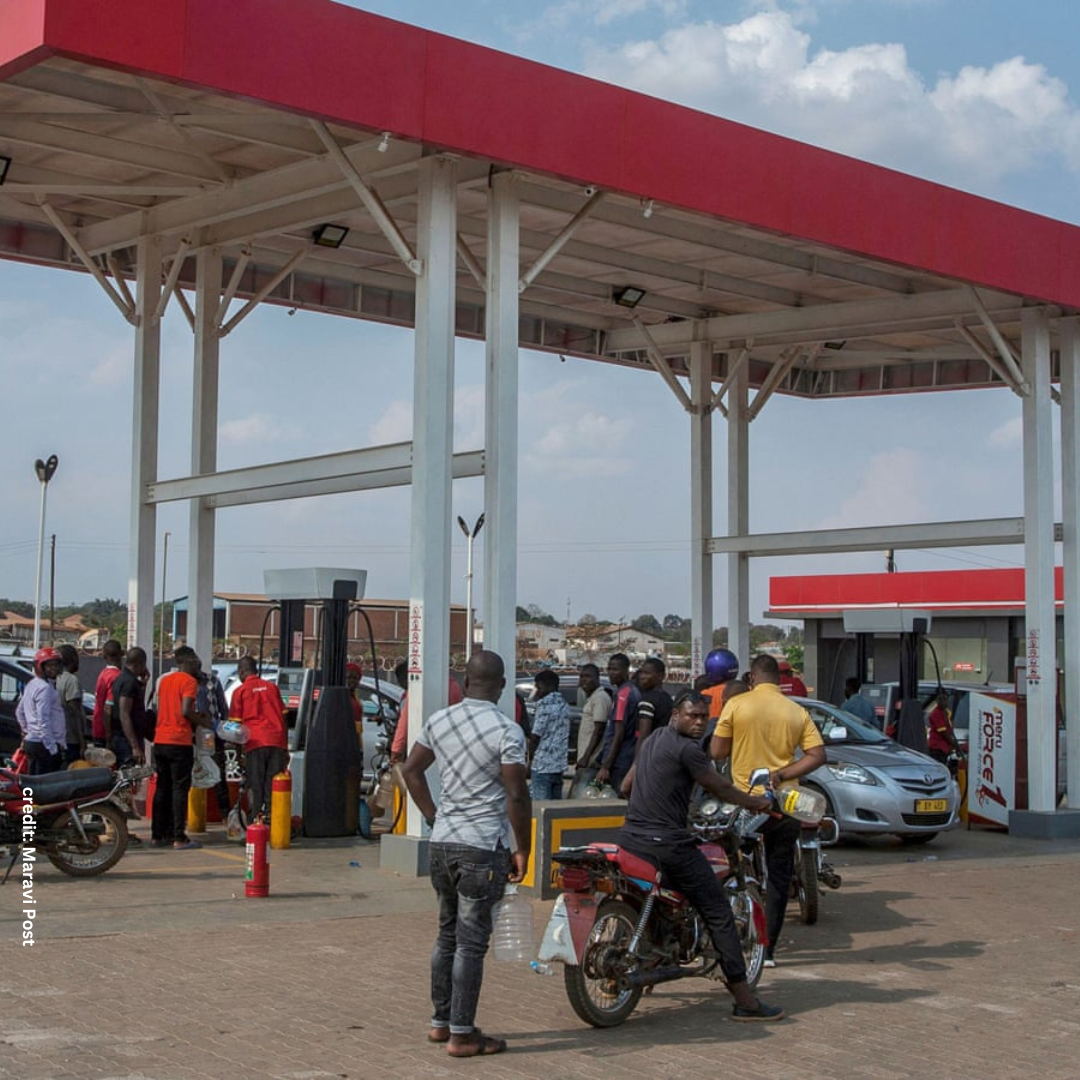
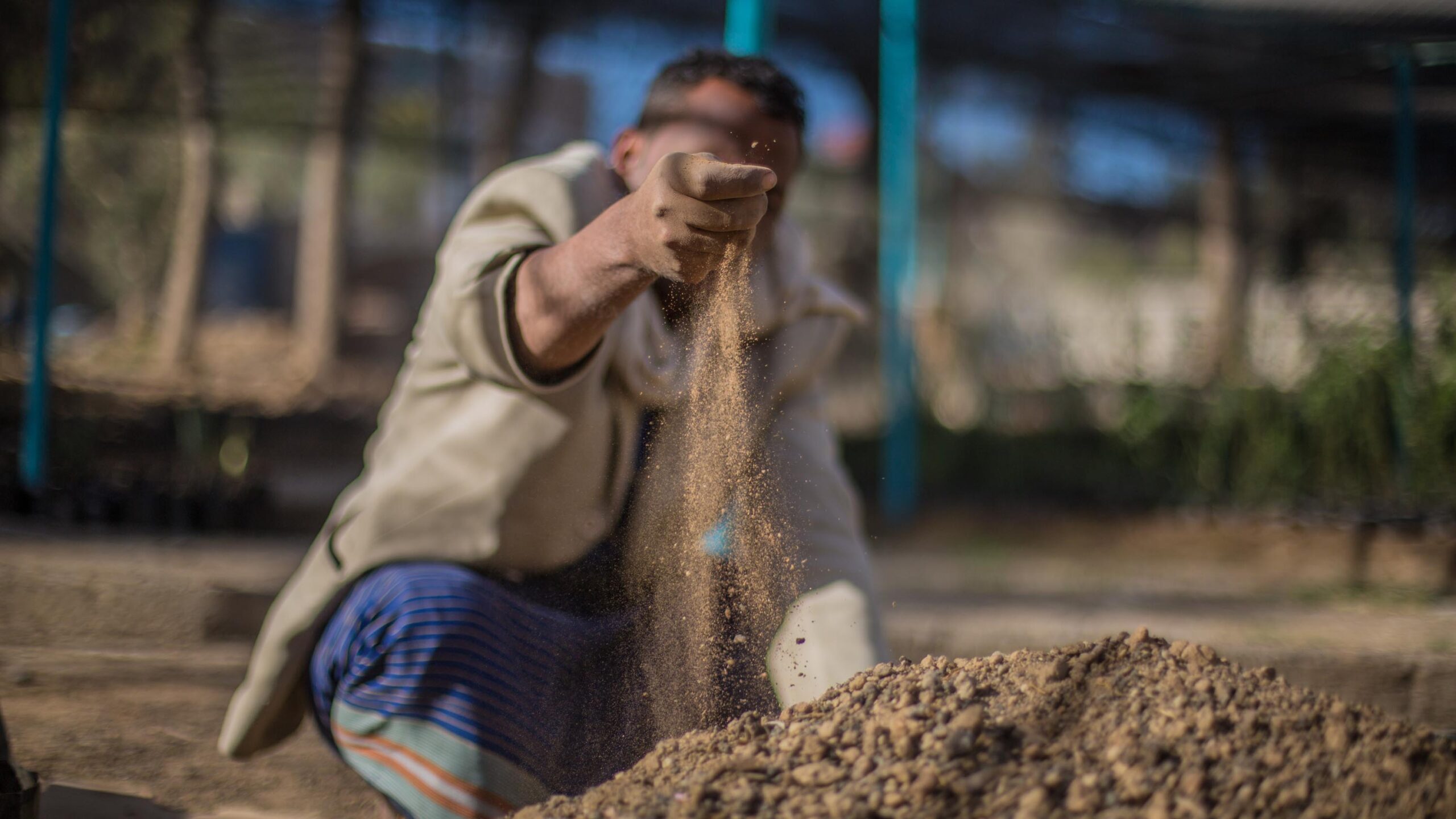
At the centre of this crisis is the Strait of Hormuz, a vital waterway and a critical chokepoint for global supply chains. Around 20 per cent of global oil consumption, liquified natural gas and key agricultural inputs, including fertilisers, transit through this narrow corridor. particularly for oil, gas and fertilisers.
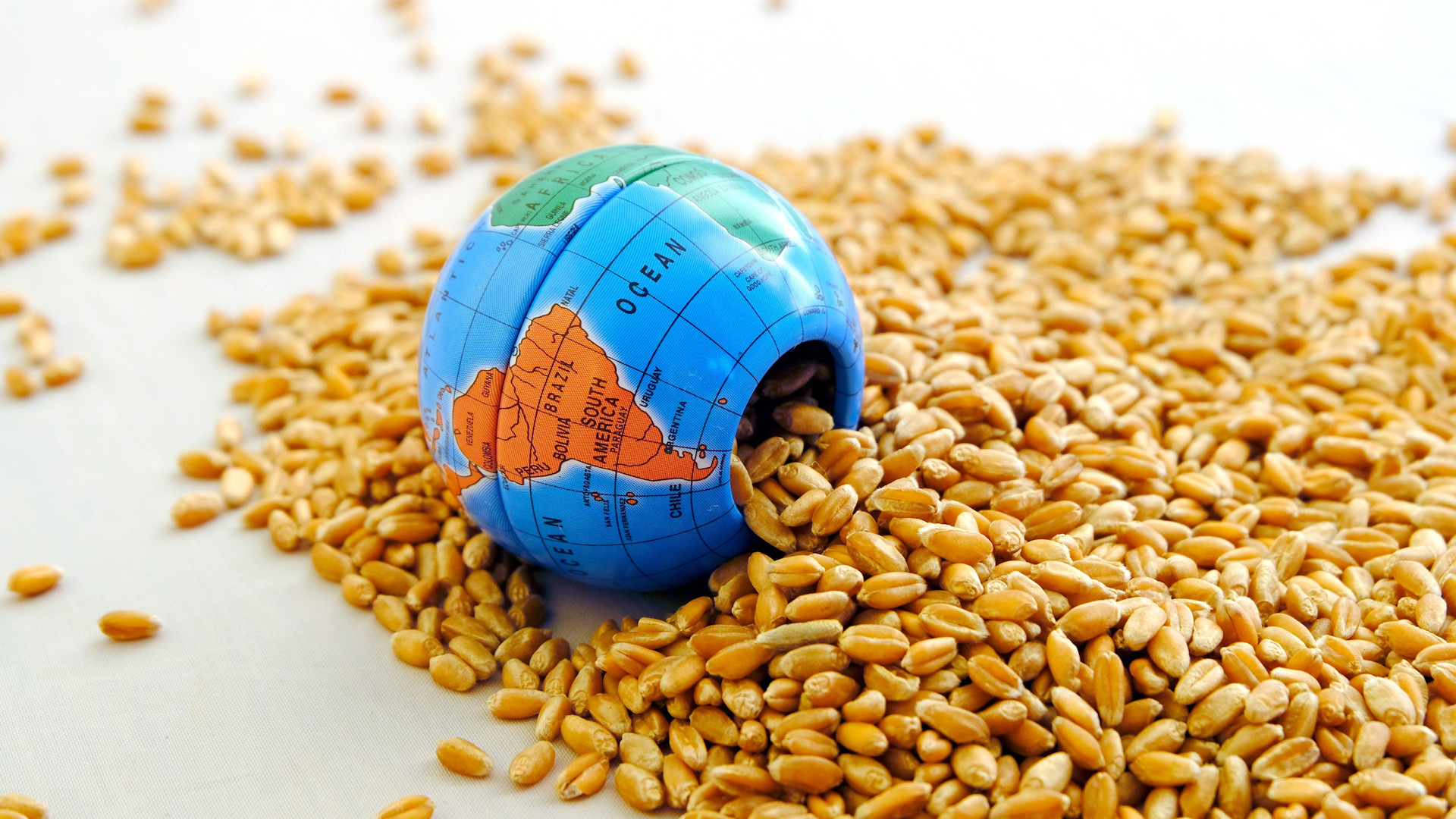
Disruptions here are already sending shockwaves around the world, with direct implications for food and water security, especially in import-dependent regions.
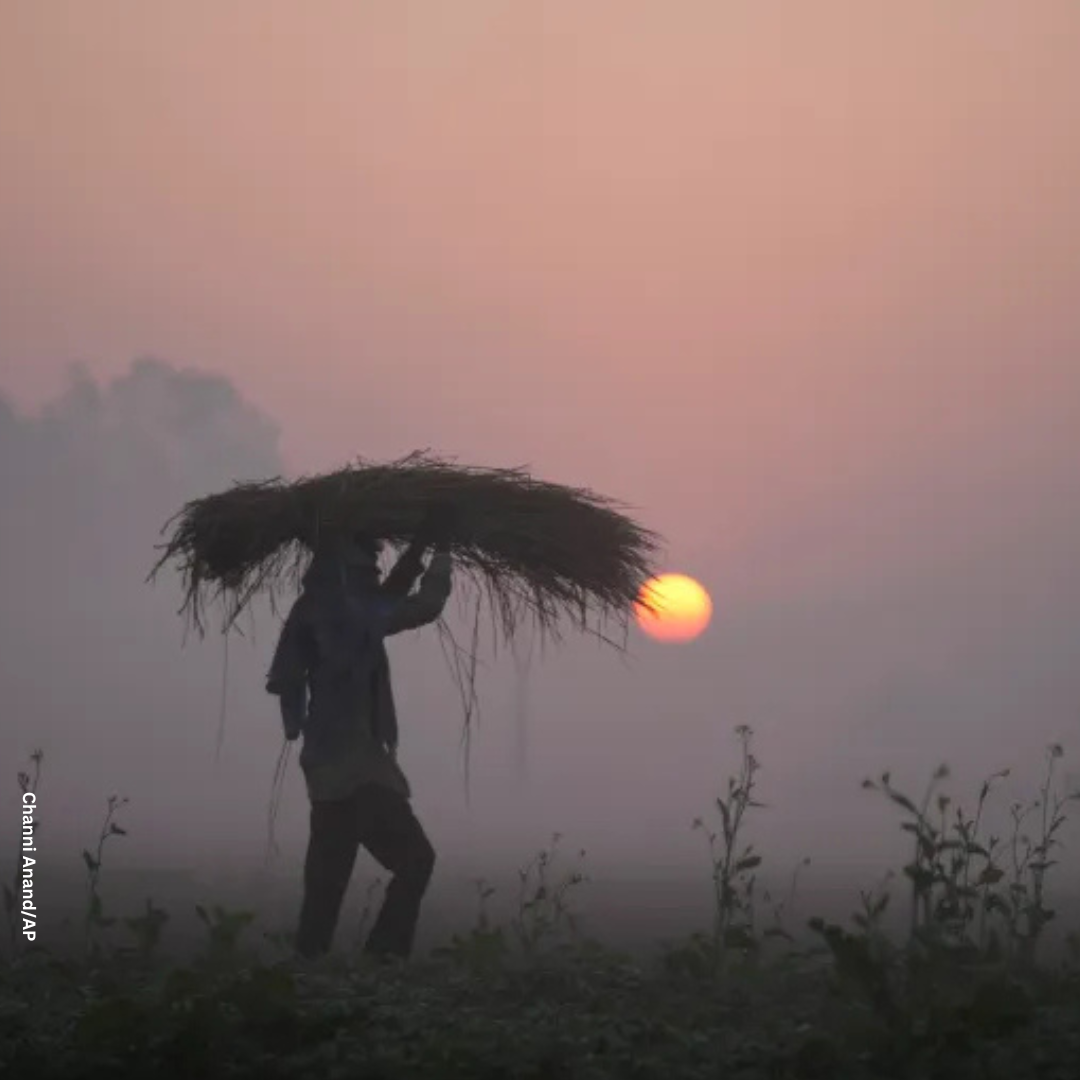
Rising fuel and fertiliser costs are expected to reduce crop yields and increase food prices, compounding existing pressures across more than 50 countries already facing acute food insecurity. The urgency now lies in coordinated action to stabilise markets, protect the most vulnerable and strengthen resilience across food systems.
This page brings together key analysis, reports, and perspectives to help unpack the implications of the crisis and support informed action to secure good food for all.
Last Update: 20 June 2026
Key Reports
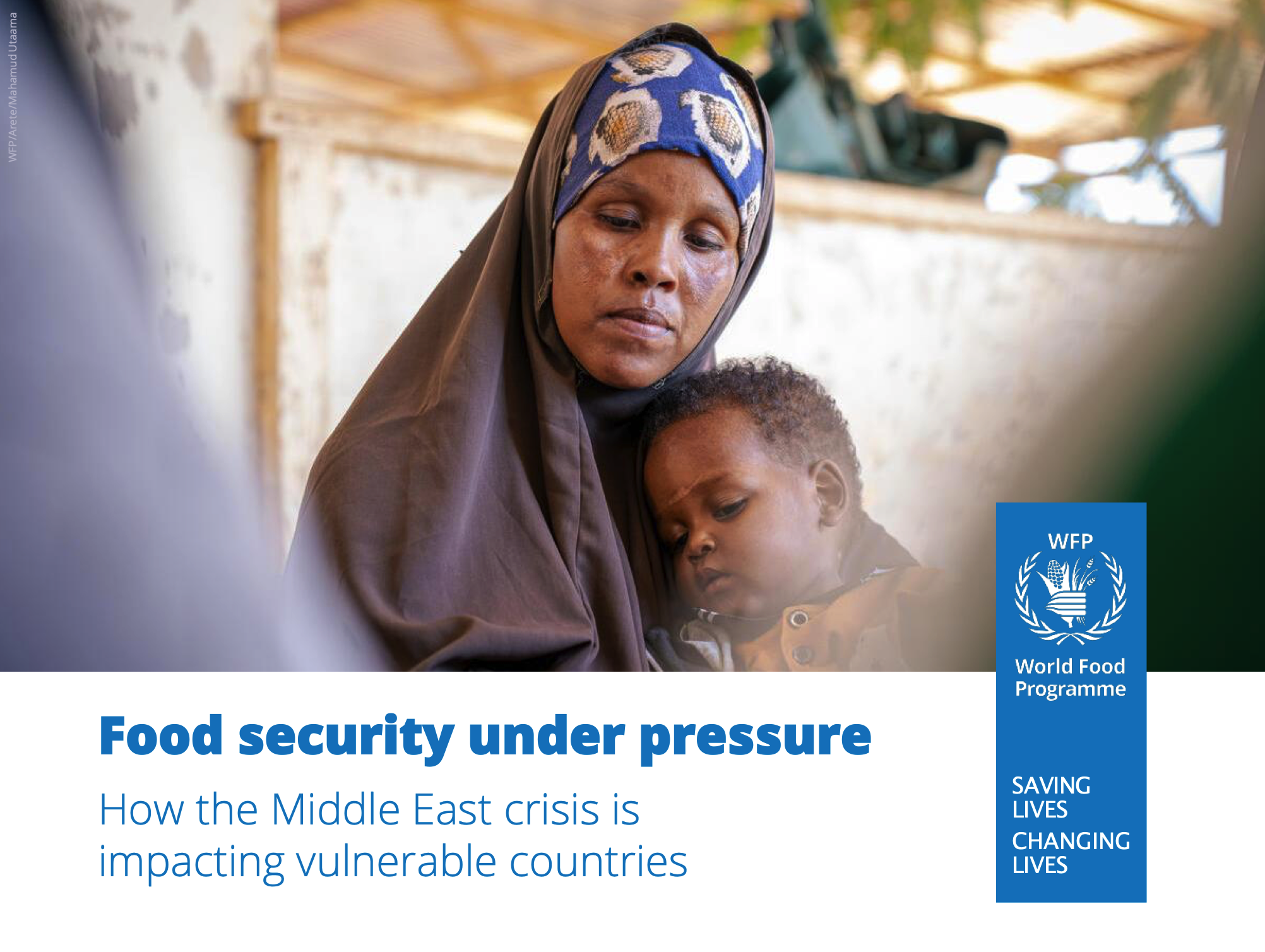
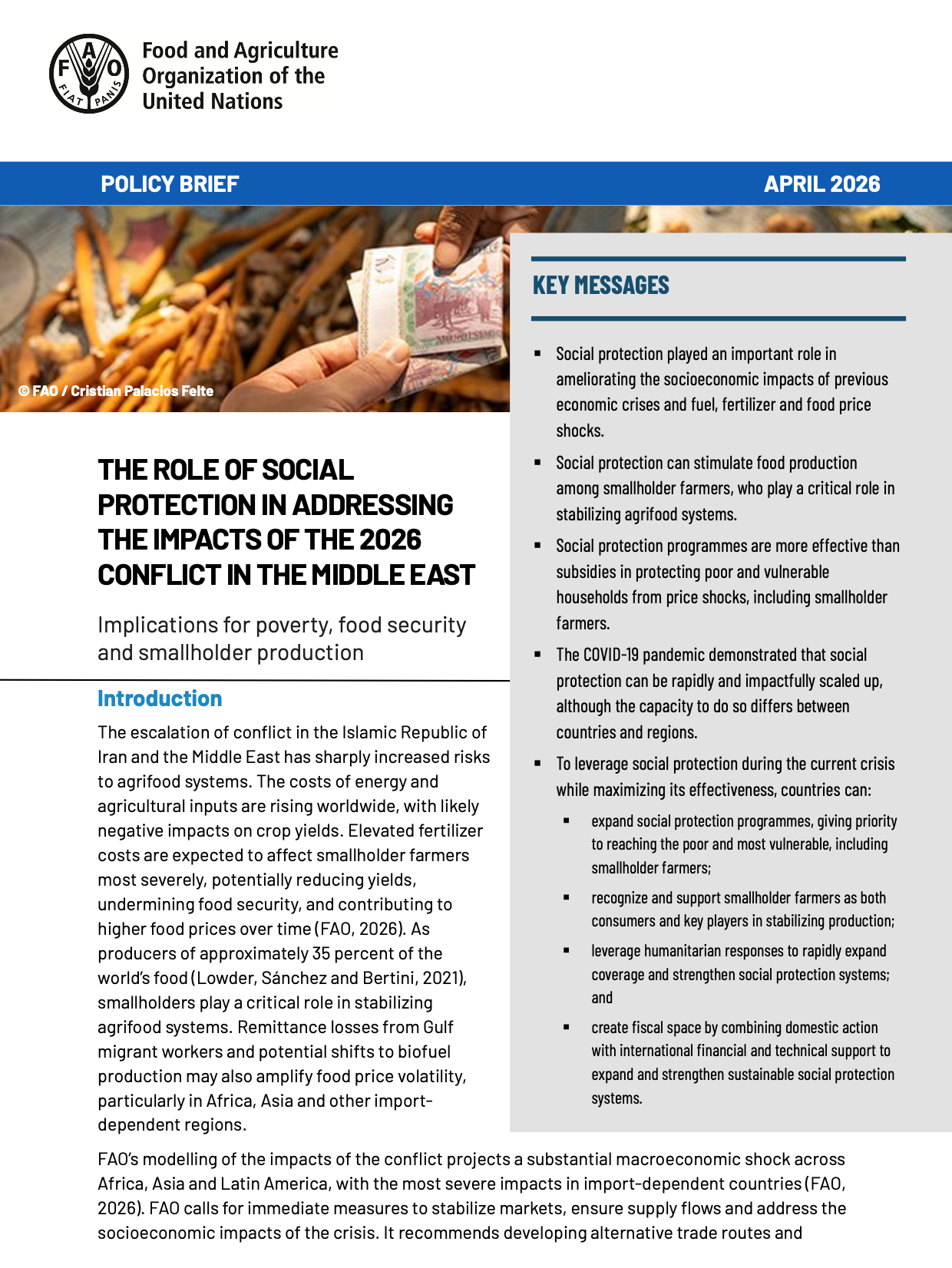
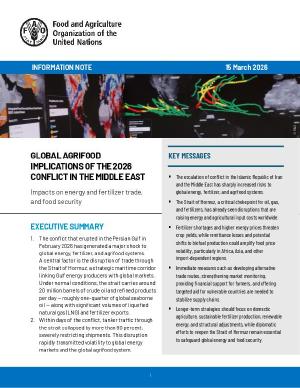
Global Agrifood Implications of the 2026 Conflict in the Middle East (FAO)
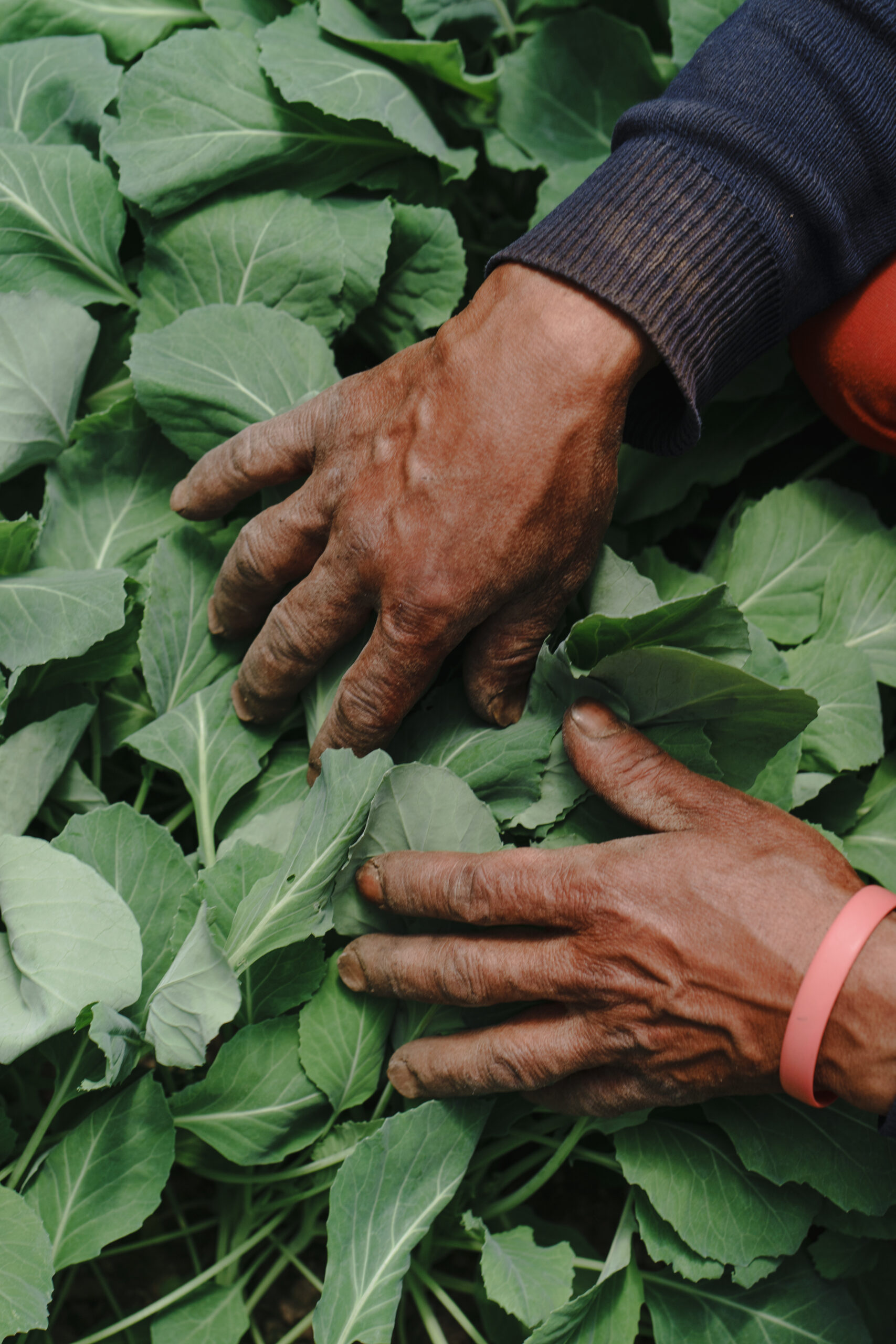
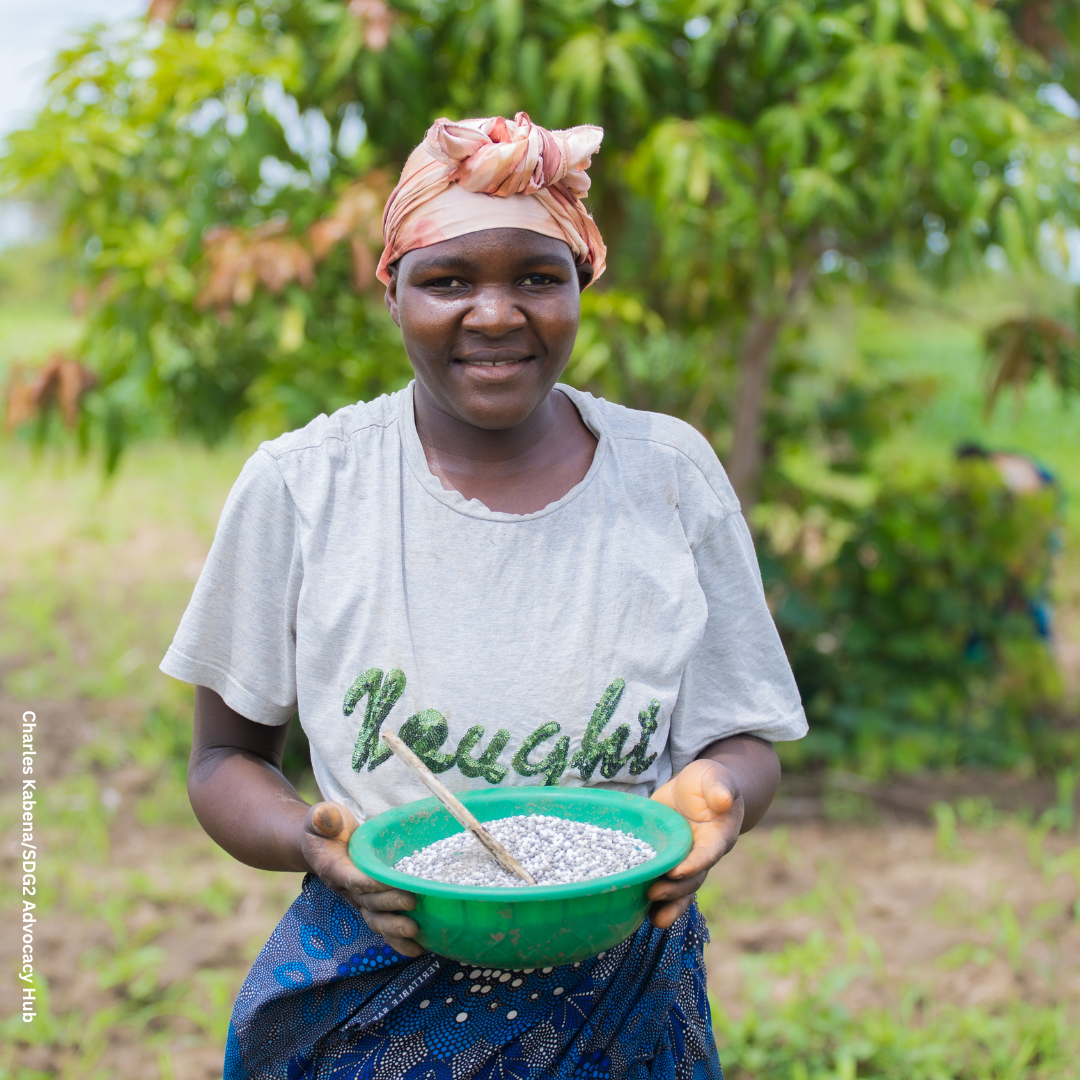
For farmers, the impact of the ongoing conflict is not abstract. In this new report, FAO predicts that rising fertiliser and energy prices will directly translate into lower crop yields, higher food prices, and increased vulnerability, especially in import-dependent regions. It recommends immediate actions and long-term solutions to stabilise supply chains and support farmers and vulnerable countries.
(19 March)
Media Coverage and Blogs

Joint Statement by Seven Multilateral Development Banks Pledging Support to Address Impacts of the Middle East Conflict
Asian Development Bank (18 May)
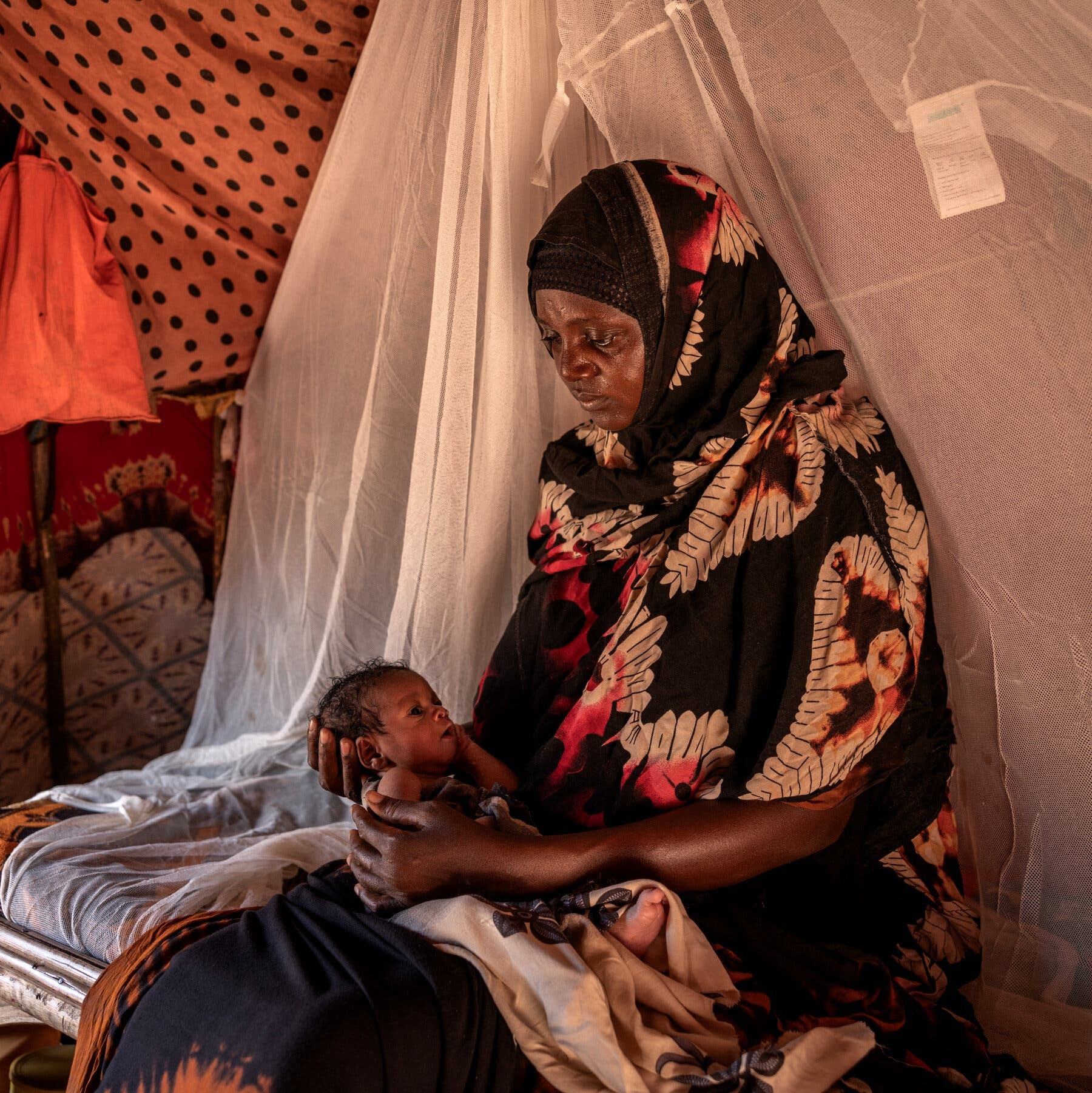
Catastrophe Is Emerging in the World’s Most Vulnerable Places
Newyork Times (18 May)
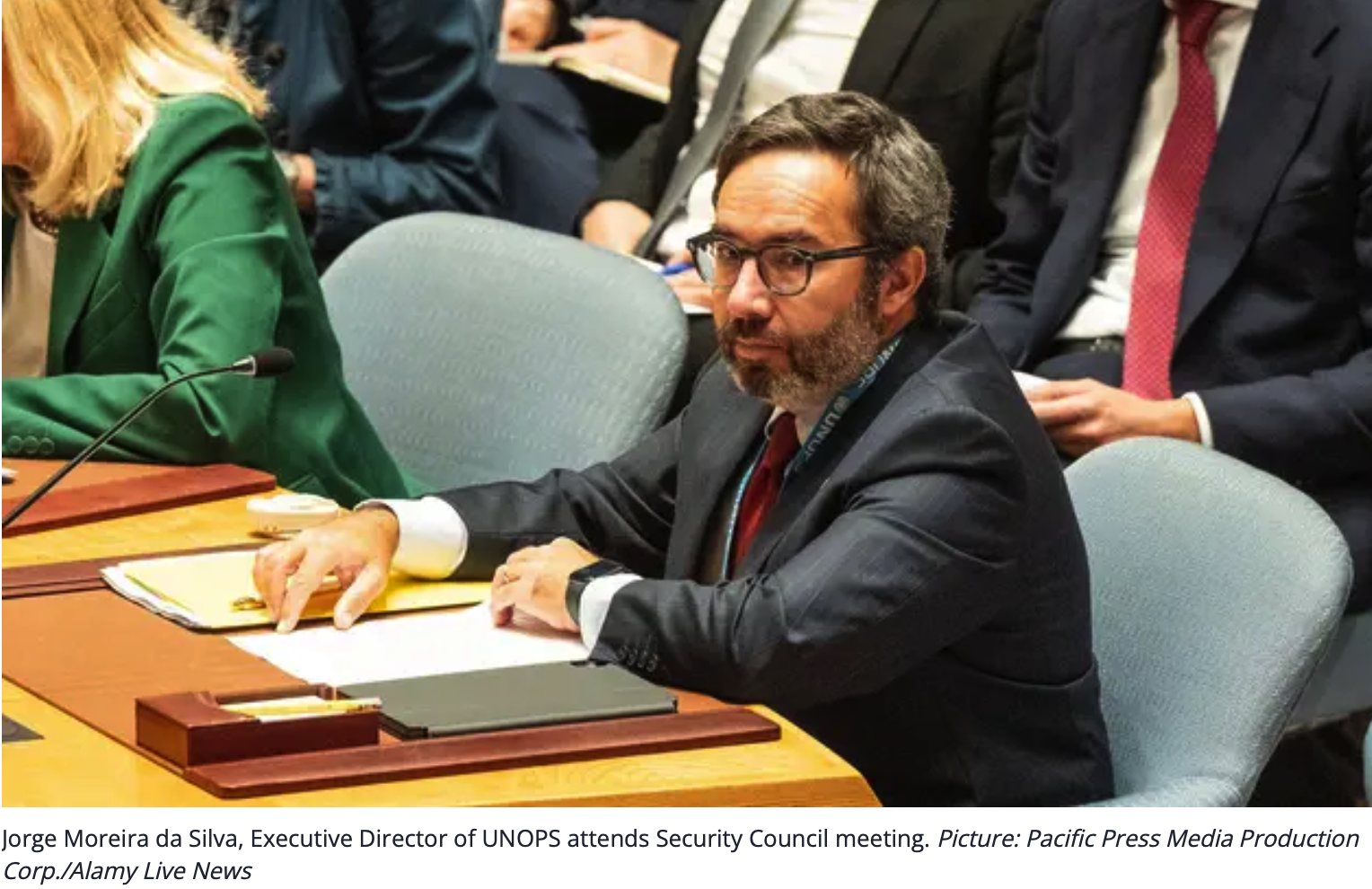


Southeast Asia’s Coming Food Crisis
Foreign Policy (7 April)
‘Food security timebomb’: a visual guide to the Gulf fertiliser blockade
(The Guardian, 3 April)
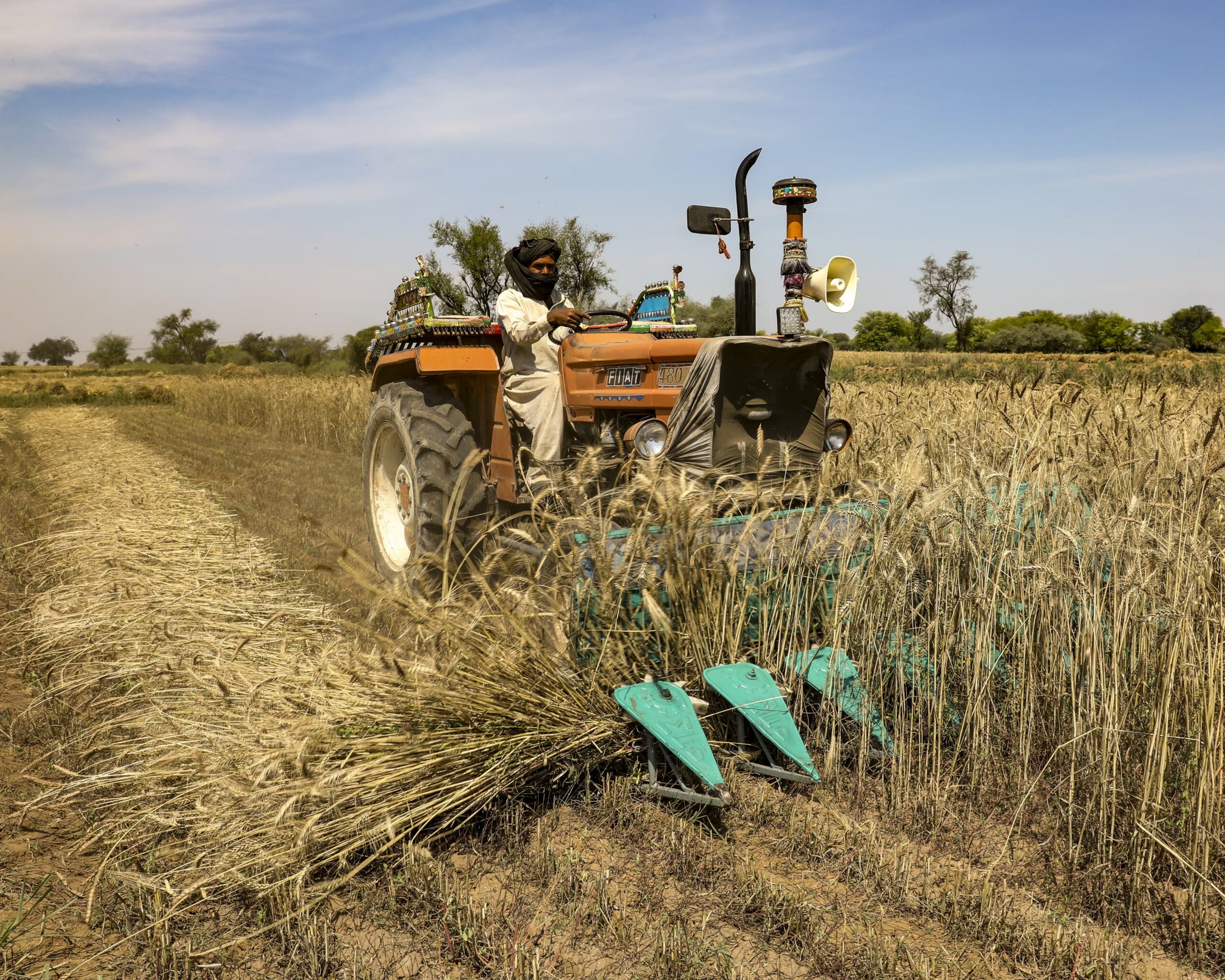
‘Food security timebomb’: a visual guide to the Gulf fertiliser blockade
(The Guardian, 3 April)
“A Hormuz Initiative to Protect Global Food Security”
(Crisis Group, 30 Mar)
The International Crisis Group and prominent individuals call for an initiative, modelled on the 2022 Black Sea grain deal, to ease the transit of food, fertiliser and related intermediate materials through the Strait of Hormuz.
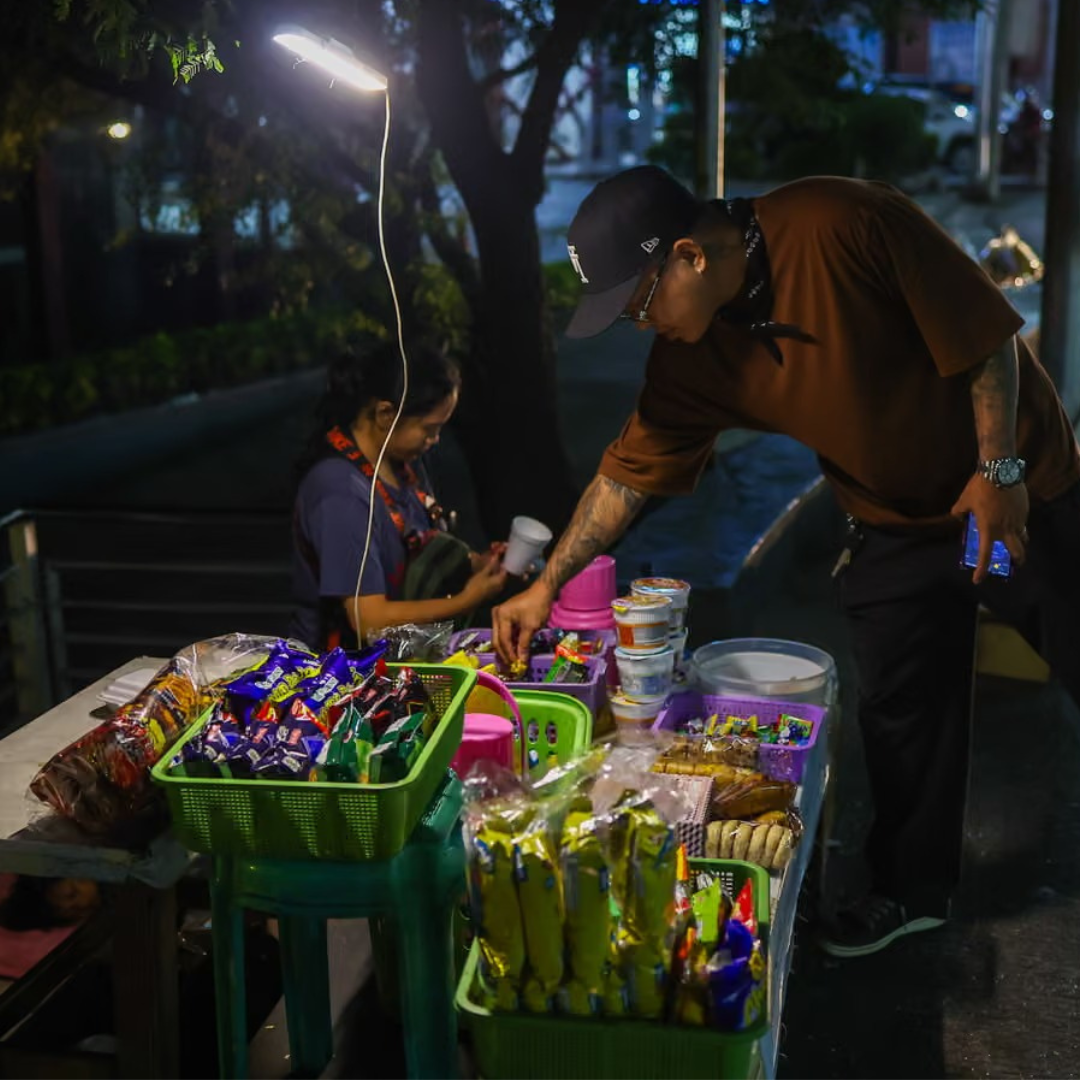
“Philippines declares ‘national energy emergency’ and boosts coal power as Iran war grinds on“
(The Guardian, 25 Mar)
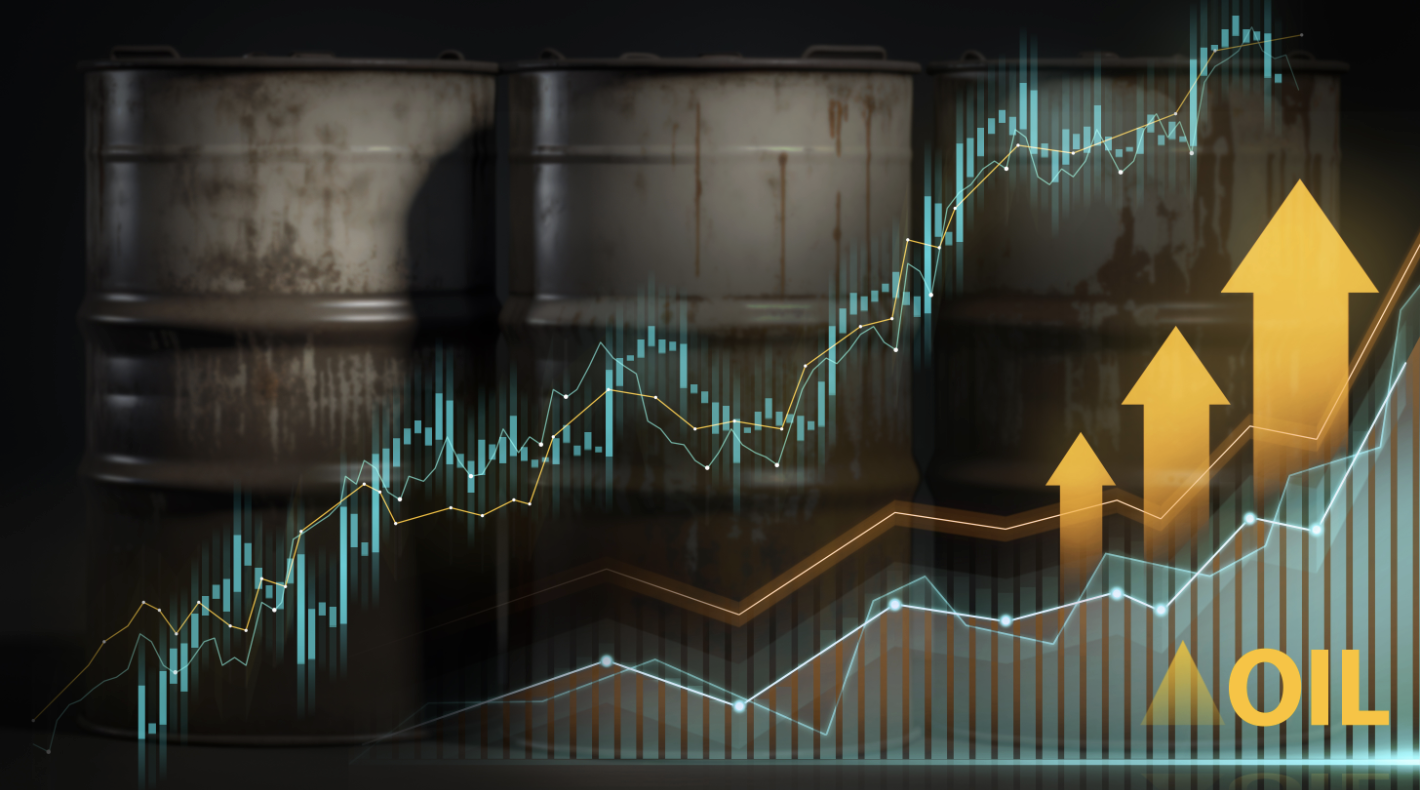
“Rising oil prices and developing country debt – the next shock is already here”
(Boston University Global Development Policy Centre, 23 Mar)
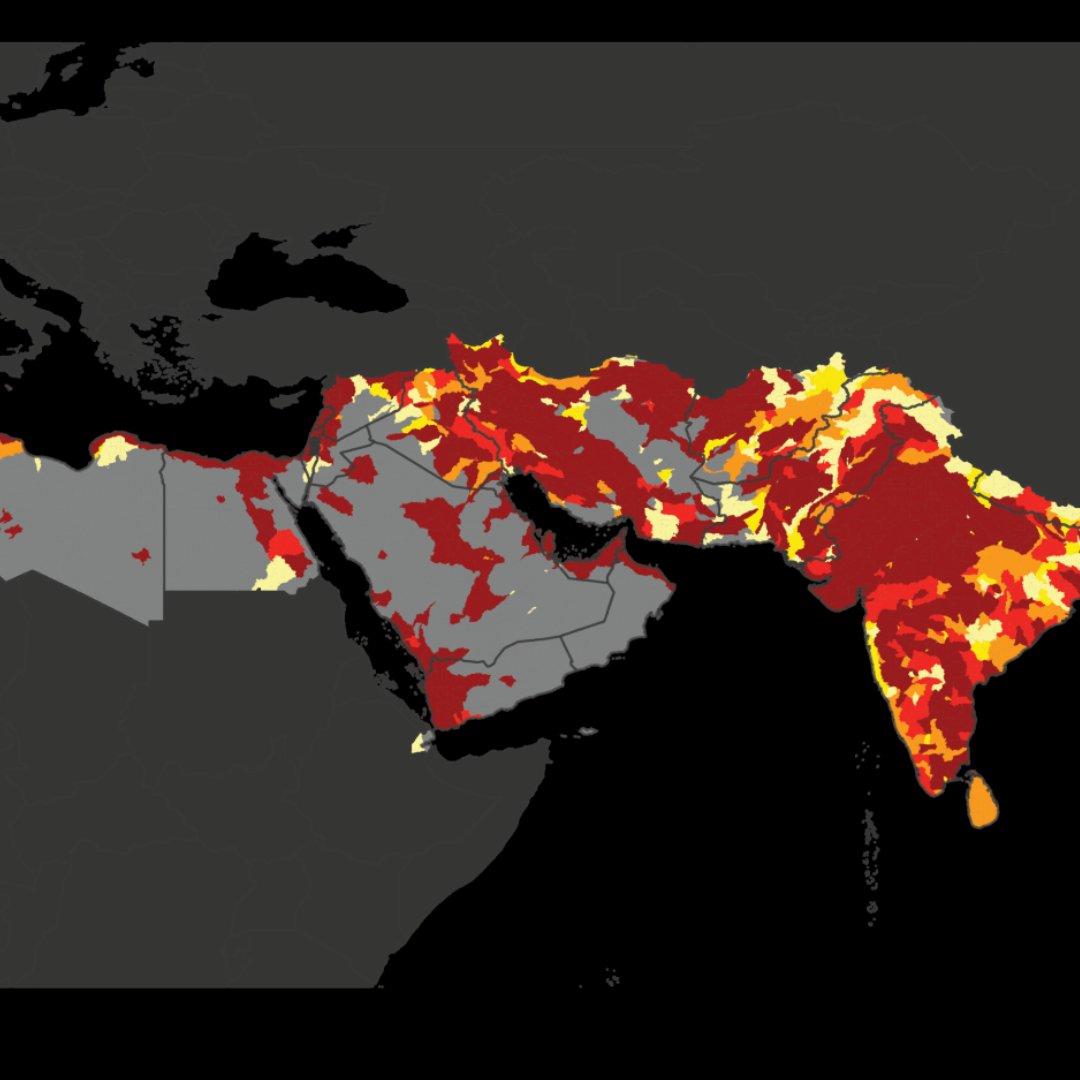
“Iran War Could Worsen Middle East’s Water Woes”
(WRI, 20 Mar)
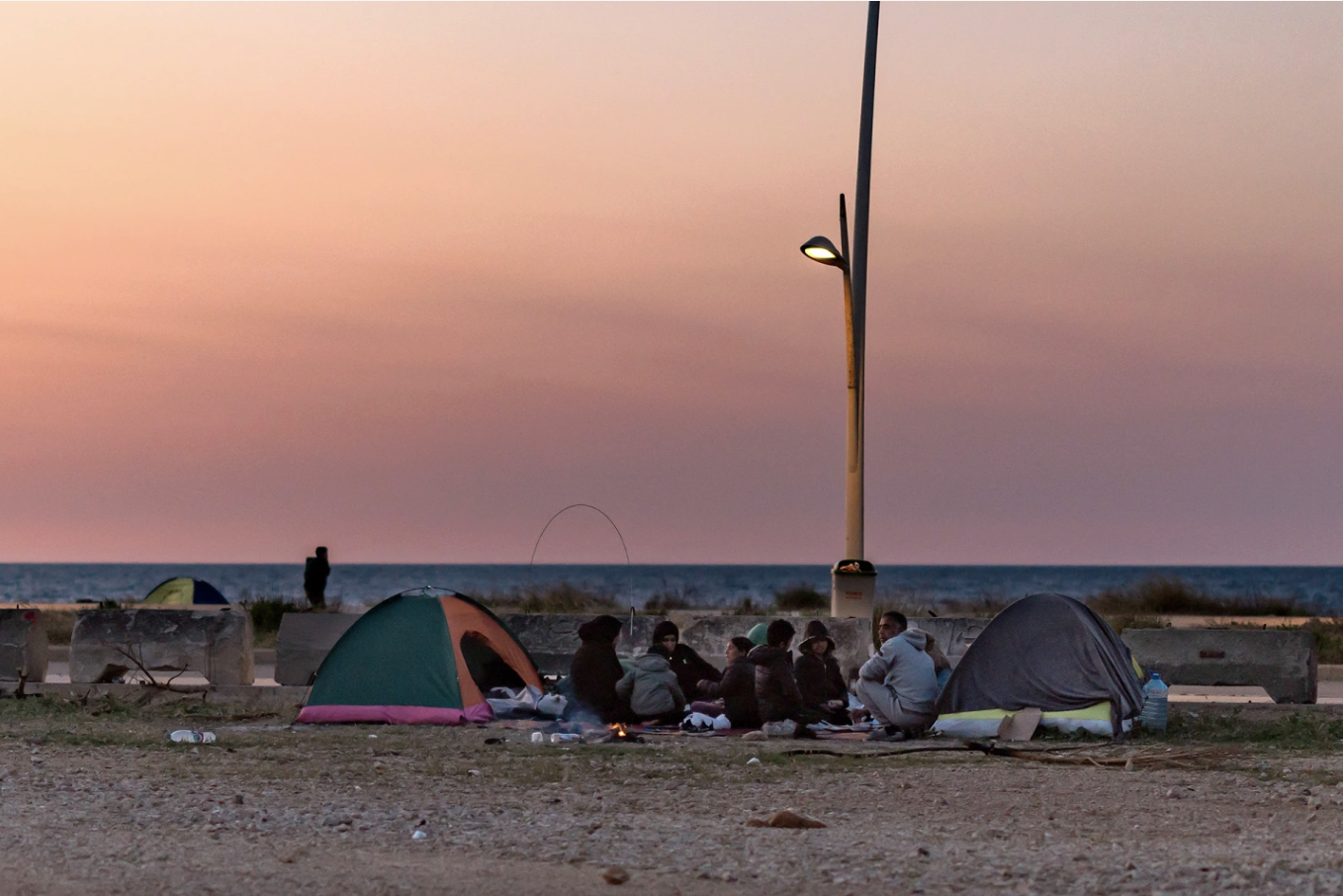
“The Iran War Is Breaking Global Humanitarian Aid Efforts”
(Council on Foreign Relations, 20 Mar)
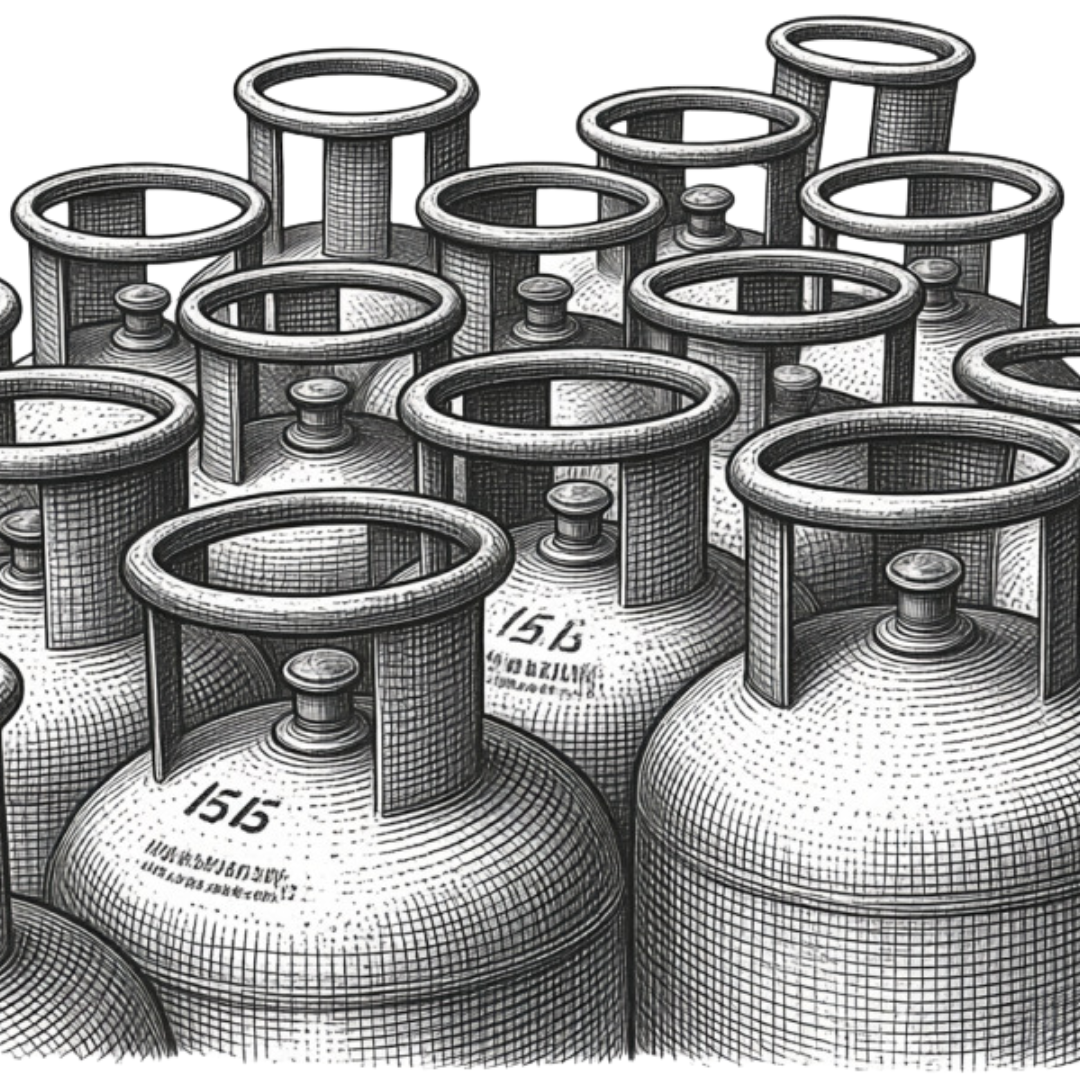
“War in your kitchen: US-Israel offensive on Iran stokes fears of cooking fuel shortages in India”
(Telegraph India, 5 Mar)