Julius Chibonda has relocated twice in pursuit of land and water, a stark example of the difficult choices millions of Malawians must make as droughts intensify and rainfall grows more uncertain under a worsening climate crisis, writes the Guardian.
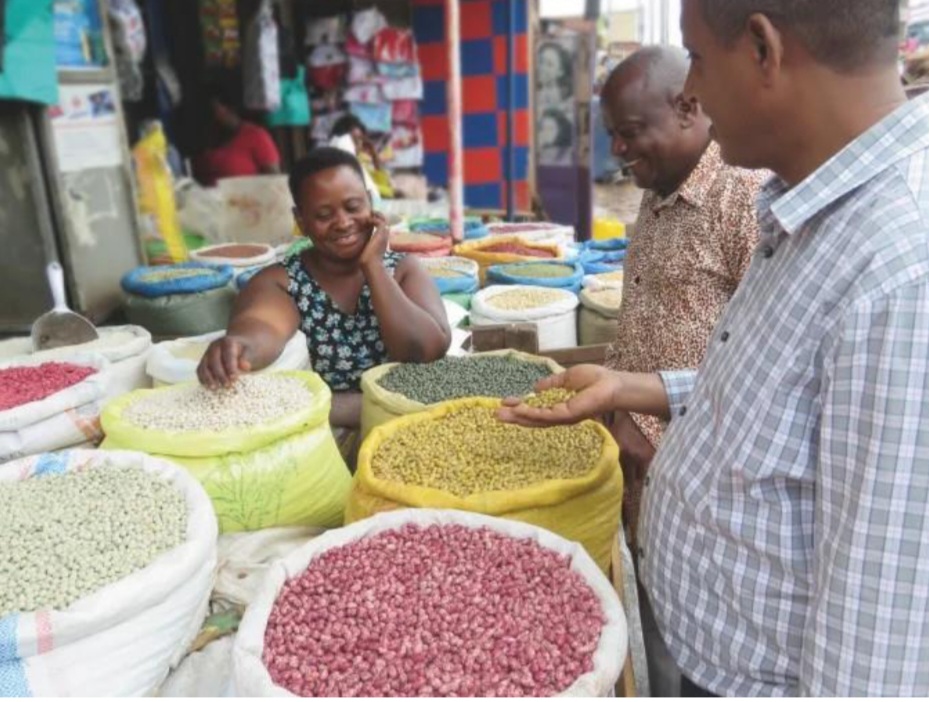
Across Africa, rural communities have grown their food for generations. According to the International Fund for Agricultural Development (IFAD), Africa has an estimated 30 million smallholder farms. Farmers, many of whom are women, meet the nutritional needs of their families, and sell any surplus in local markets to generate income to diversify their dietary intake, finance children’s education, and cover out-of-pocket medical bills. But climate change is threatening this way of life, undermining not just food security, but the fight against poverty and inequality, which underpins the 17 Sustainable Development Goals.
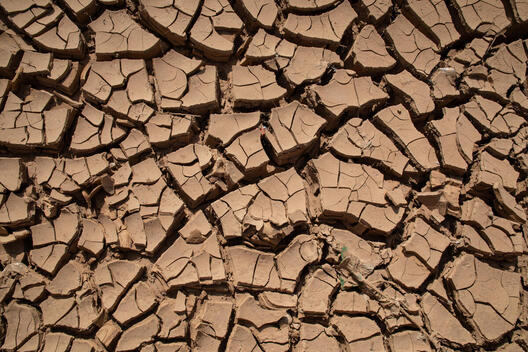
Erratic rainfalls, punctuated by prolonged dry spells and other climate-induced disasters, have left soils degraded and shrunk the harvests of most smallholder farmers, contributing to further deforestation, in search of more nutrient-rich soils. This vicious cycle underscores that climate resilience and food security are inseparable. The data in the latest State of Food Security and Nutrition in the World Report (SOFI) 2025 point to the challenges sweeping across Africa’s rural communities and the resulting increase in hunger.

What the SOFI numbers mean for Africa
Globally, hunger decreased modestly. An estimated 720 million people faced hunger in 2024, down from 733 million in 2023 and 753 million in 2022. This is still much higher than 2015, when the Global Goals were adopted and 2019, just before the COVID-19 Pandemic. Subregions across Africa, unlike Asia and Latin America, showed deteriorating trends. 307 million people are experiencing hunger in Africa. Without concrete action to break the cycle, the future looks bleak.
By the 2030 SDGs deadline, 512 million people worldwide will remain chronically undernourished, and nearly 60% or 6 in 10 of them will be in Africa. These numbers must be a wake-up call, forcing the alignment of efforts to address the overlapping challenges of climate change and hunger.

African farmers are showing they have the solutions
African farmers, who are on the frontlines of these crises, are already adapting and trying their best under difficult and unpredictable conditions to make a difference. Farmers are embracing innovative, cost-effective and environmentally friendly sustainable agricultural practices. For example, in Ethiopia, agroforestry – growing trees alongside crops on the same land – is helping boost harvests. It is also reducing soil erosion by keeping the soil covered and rooted.
Young people have ideas for adaptation but they need financing
With 527 million young people aged 15-35, Africa has a potential dynamic demographic dividend. With the right investment, young people could reshape the continent’s approach to adaptation, including through digital toolkits that leave no one behind. Many African youth entrepreneurs are developing tools to help address climate change and empower their smallholder farming families. In Nairobi, youth like Sumeiya at Drought Smart Limited are building low-cost Drip Irrigation Kits to help smallholder farmers in drought-hit areas adapt. But they can’t do it alone. These technologies need financing to reach the last mile and drive their intended impact. As young people and the private sector step up to these emerging opportunities, governments must create the incentives not only to derisk these ventures, but expand to include and benefit low-income communities.
CAADP 2026-2035 as an opportunity to drive change
Today, African leaders and the world have an opportunity to decide the fate of 70% of the African population that earns a living off their farms as smallholder farmers. Not only do they feed the continent, producing 70% of the food we eat, they also account for 25% of the continent’s GDP. As outlined in the Kampala Declaration that launched the newly updated Comprehensive Africa Agriculture Development Programme, Africa’s prosperity depends on its farmers.


Between promises and progress: Food systems at the Bonn climate talks
Between promises and progress: Food systems at the Bonn climate talks
As Climate Change Worsens, Farmers Hunger for Action
As Climate Change Worsens, Farmers are Hunger for Action