Experts warn that a strong El Niño is likely later this year. For much of Africa, this spells serious trouble. More heat, floods, and droughts will make it even harder for people to grow, store, and sell food. As in previous crises, communities will face rising food prices.
“This is not a distant risk—action must begin now,” cautions Victor Ongoma, Meteorologist and Assistant Professor of Climate Change Adaptation at the International Water Research Institute (IWRI), Mohammed VI Polytechnic University.
In 2015 and 2016, around 60 million people worldwide faced food insecurity or poor nutrition due to El Niño. The hardest-hit regions included the Horn of Africa, Southern Africa, Central America, the Caribbean, Southeast Asia, and the Pacific. As Professor Ongoma notes, “The lessons from recent history are clear: preparedness saves lives and livelihoods.”
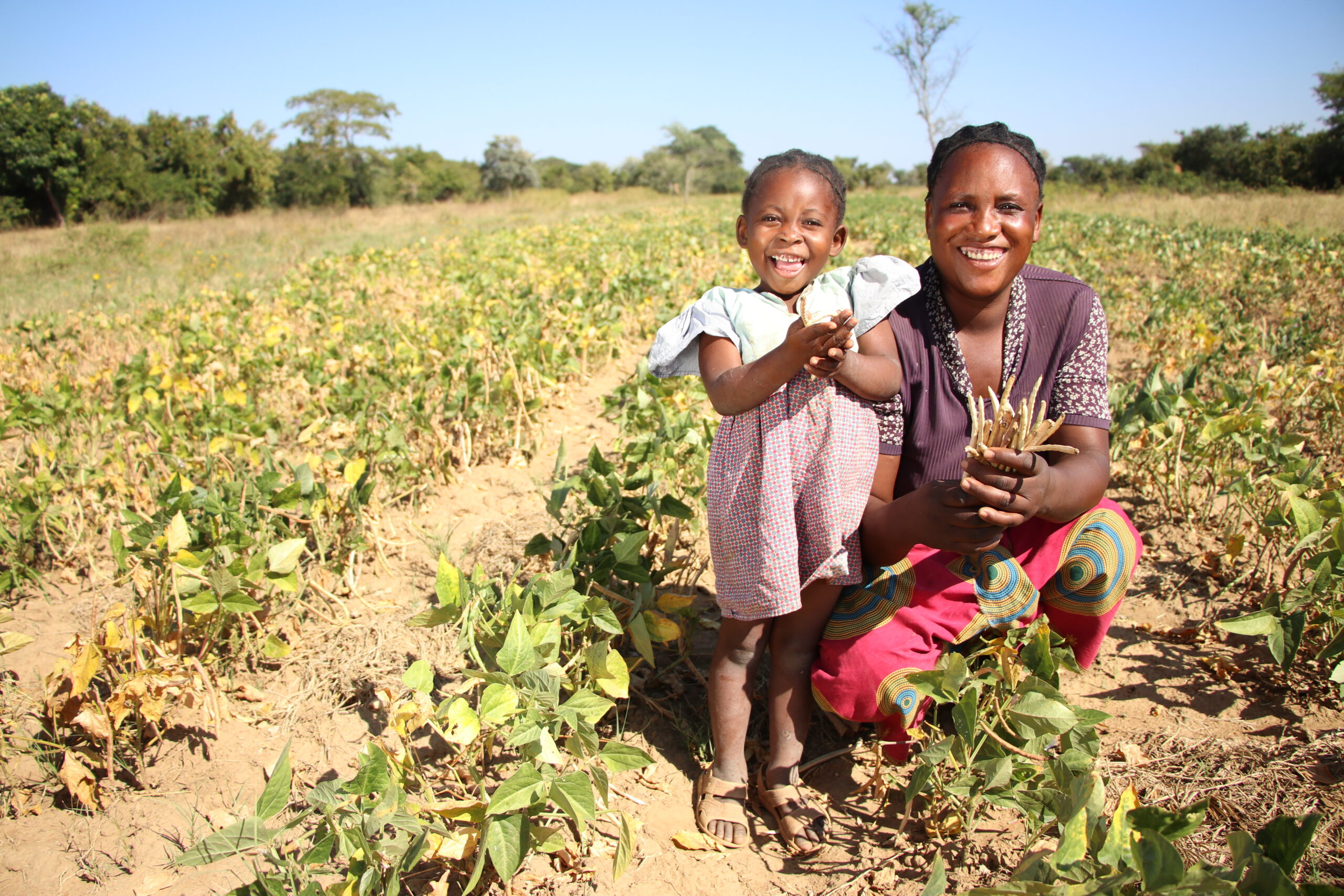
“Climate information must reach farmers, governments, and communities in a form they can use. Forecasts should explain not only what weather is expected, but also what it means for crops, livestock, water, markets and public health,” says Professor Ongoma.
During the 2015/16 El Niño, rainfall fell below 75% of normal in several Southern African countries. Food insecurity affected more than 30 million people, and six countries declared emergencies as the drought intensified.
A strong El Niño brings floods to East Africa and drought to Southern Africa. West Africa and the Sahel may also face problems. Such extremes ruin crops, disrupt food storage and transport, and drive up prices. “We cannot wait for disaster to strike before acting,” Professor Ongoma urges.
Floods threaten food safety. Fertiliser shortages make it difficult to plant for the next season.
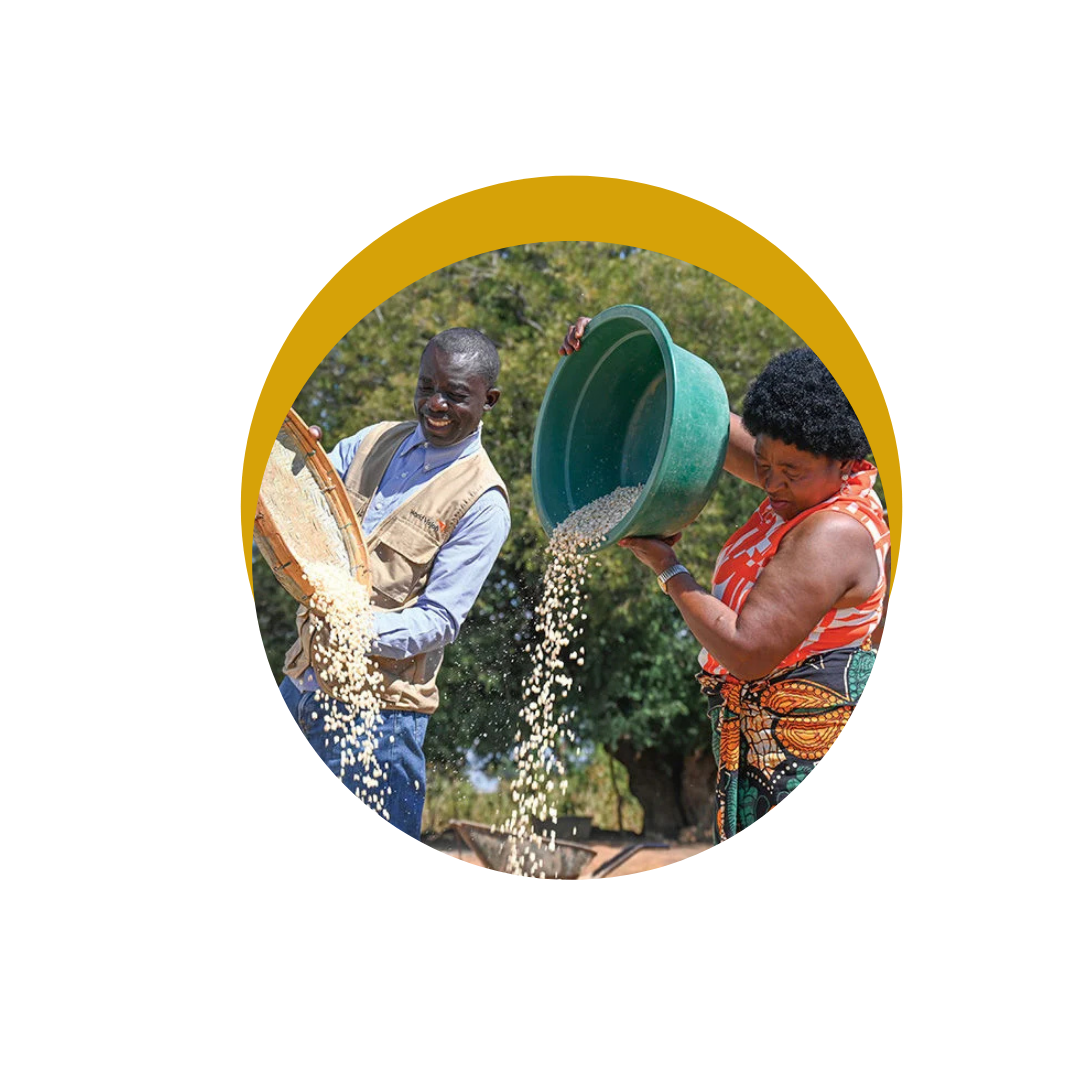
Small-scale farmers are especially at risk. Most African farms depend on rainwater, and many lack irrigation, storage, or modern tools. Weak infrastructure can quickly escalate minor issues into food shortages and high prices.
Professor Ongoma calls on African governments to step up preparedness: “We must learn from the past and act decisively to protect our food systems.”
“Most African agriculture is rainfed and highly climate-sensitive. Responses should include climate-resilient seeds, insurance, and support for diversified production.
Urgent, targeted action is a moral and political imperative. The United Nations’ World Food Programme has outlined a roadmap of anticipatory actions.
Timely information must reach farmers and officials to guide decisions. Governments must ensure food stocks and deliver assistance quickly. As Ongoma stresses, “Proactive response is essential if we are to avoid repeating the tragedies of previous El Niño years.
“Repairing and protecting key roads will keep food moving, even during floods. Cash or food support must reach families quickly if they lose crops or homes.
Professor Ongoma says governments should not stop at short-term solutions.
“Short-term emergency measures cannot replace sustained investment in resilient food systems. Only through long-term resilience can we break the cycle of crisis,” Professor Ongoma emphasises.
Medium and long-term reforms are equally needed. Investments in resilient water management, irrigation, storage, and post-harvest systems will protect against drought and floods. Climate finance tools must reach smallholders through trusted groups like cooperatives.
The 2026–2035 Comprehensive African Agriculture Development Programme (CAADP) strategy offers governments a chance to advance reforms, invest in rural infrastructure, and promote climate-smart farming. Targeted subsidies and grant programmes can encourage resilient practices and support innovation, ensuring investments reach those who need them most.
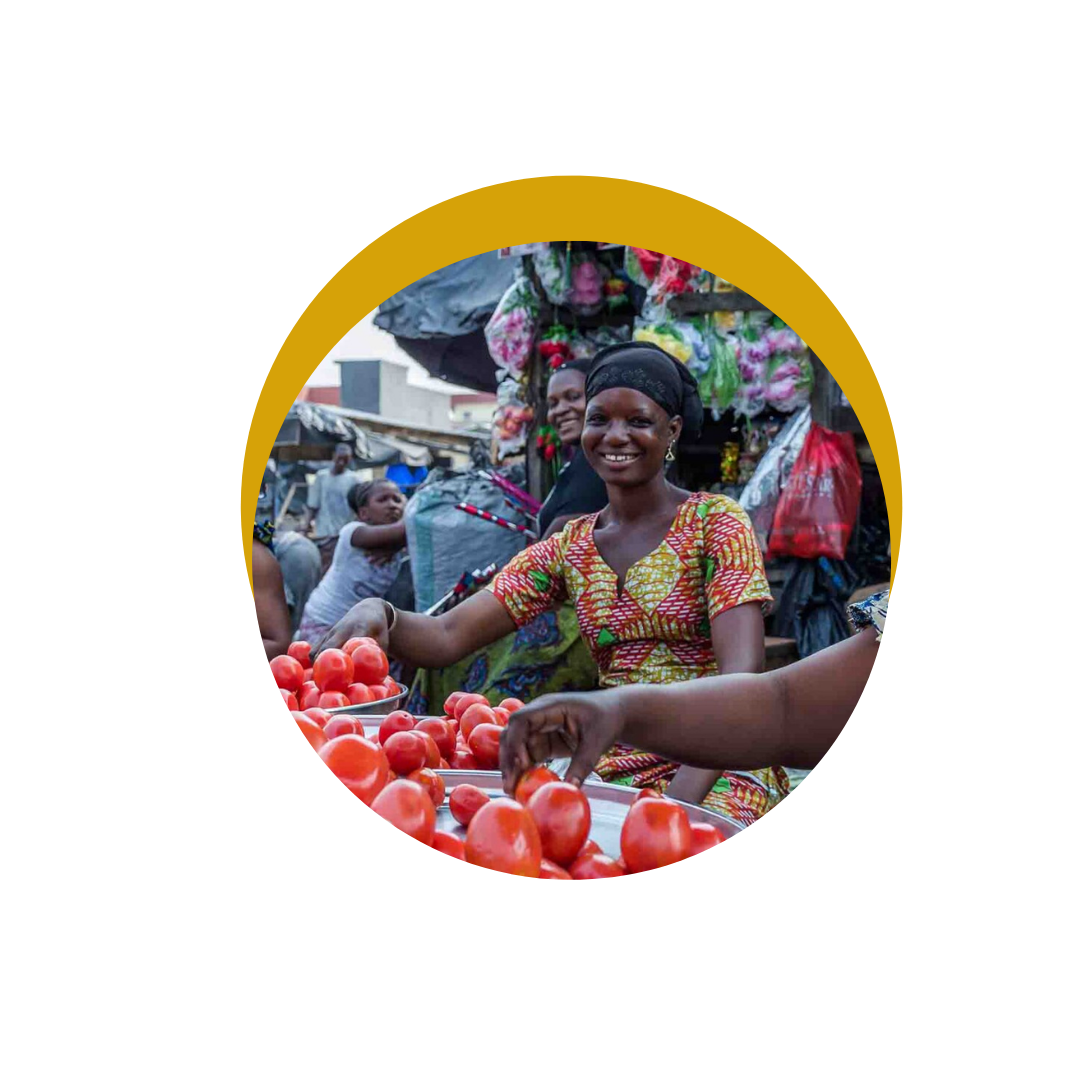
Investing in rural roads, market infrastructure, and local processing keeps food moving during disasters.
Policymakers should avoid export bans that destabilise prices and instead keep trade routes open. Expanding climate-smart advisory services, digital tools, and extension networks gives farmers timely advice. Rapid release of emergency funds supports food imports and purchases, helping prevent crises. Prioritising these actions directs resources toward the most urgent and impactful solutions.
Meteorological forecasts are important, but not enough. Success depends on turning forecasts and funding into real actions for small farmers—building strong farmer organisations, rapid early warning systems, and sustainable funding.
The coming El Niño will expose weaknesses in food systems, but also offers a chance to improve them. Early, coordinated investments in water, storage, and social protection can prevent the worst impacts. Governments, donors, businesses, and farmer groups must move from warnings to a practical, shared response that protects the vulnerable and builds future resilience.