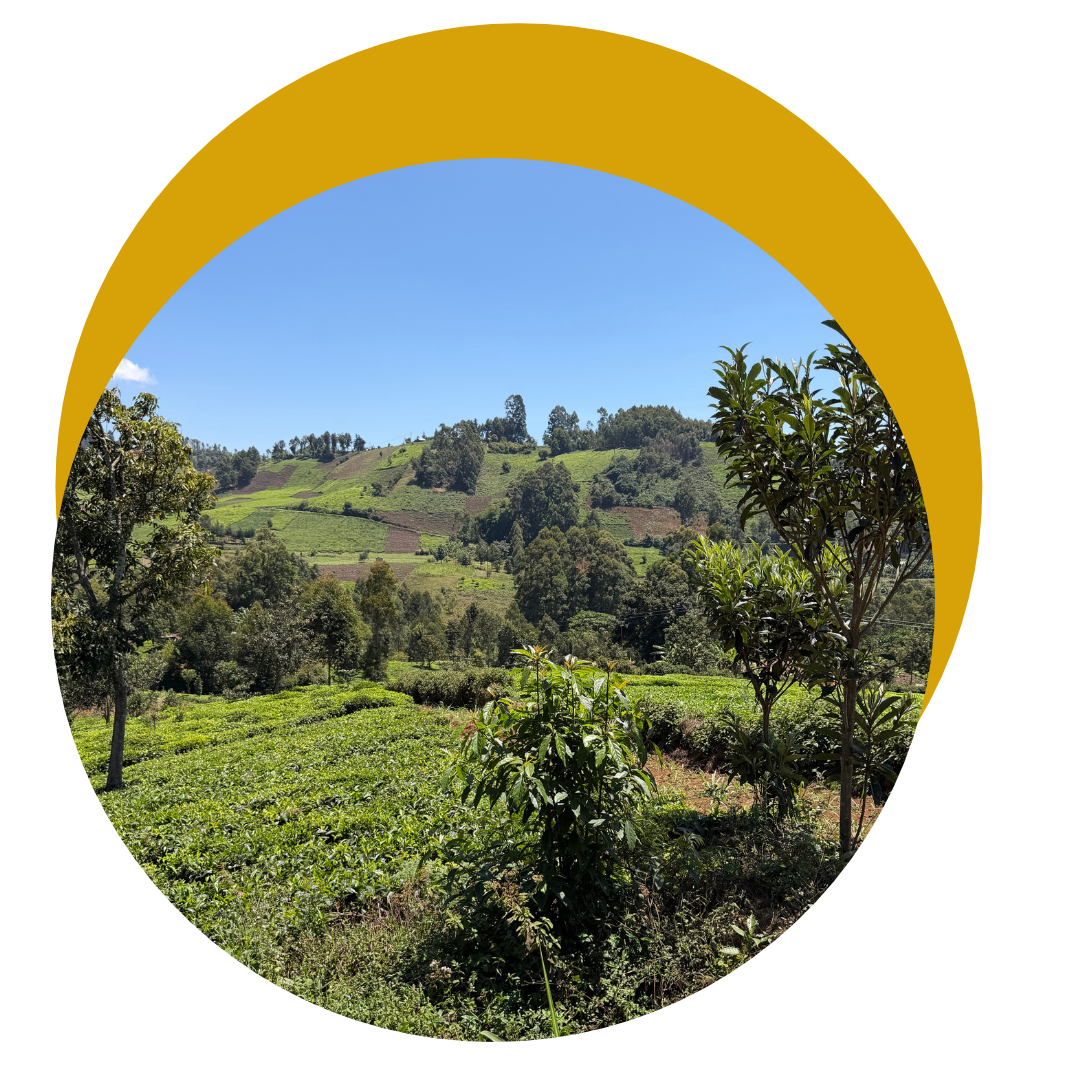
The road into Kanyenyaini cuts through the green hills of Murang’a County, with tea bushes covering much of the countryside.
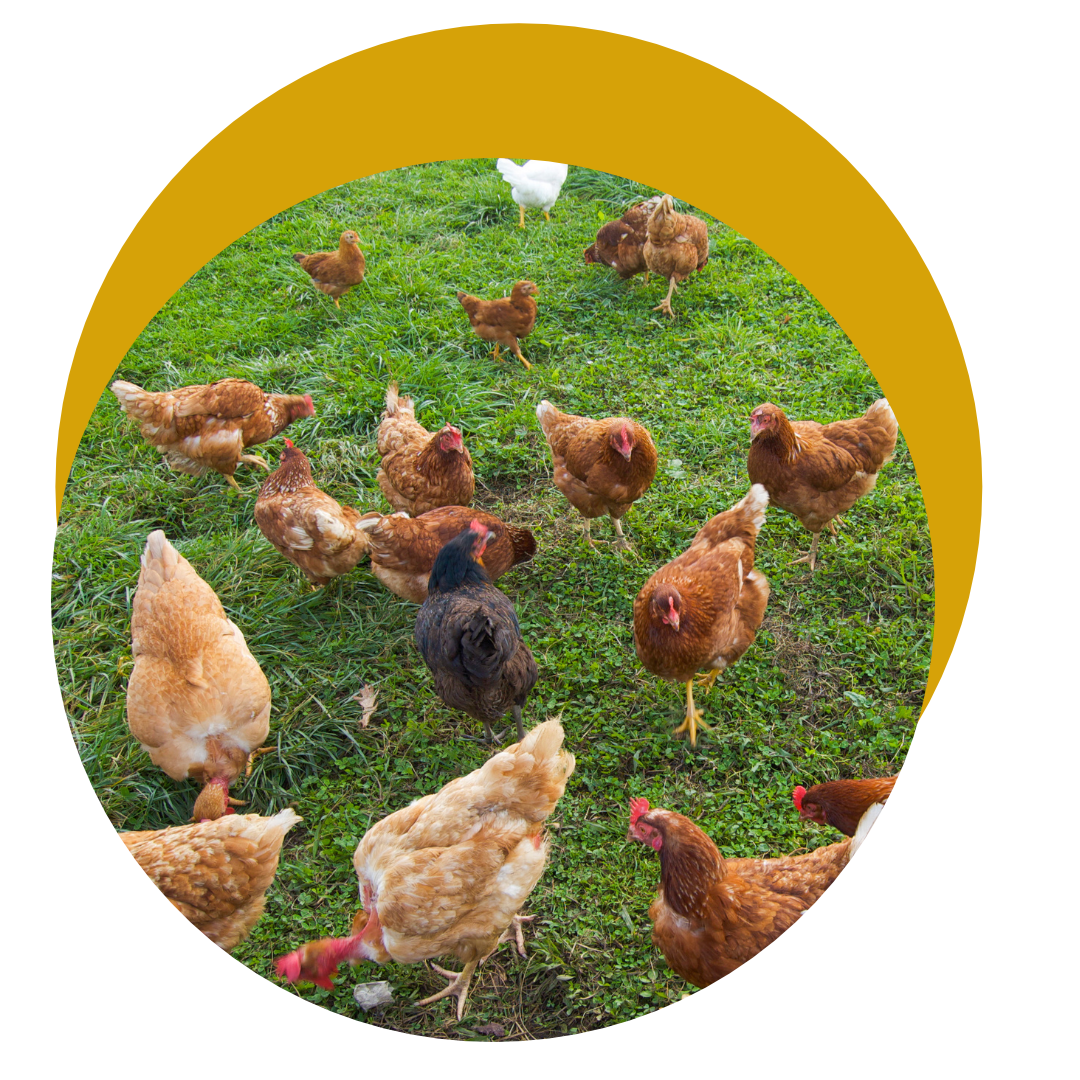
At Pauline “Lina” Nyokabi’s home, smoke rises from an outdoor kitchen. Beside it, chickens lay silently in their coop. The air is cool and clean, a welcome change from the bustle of Nairobi.

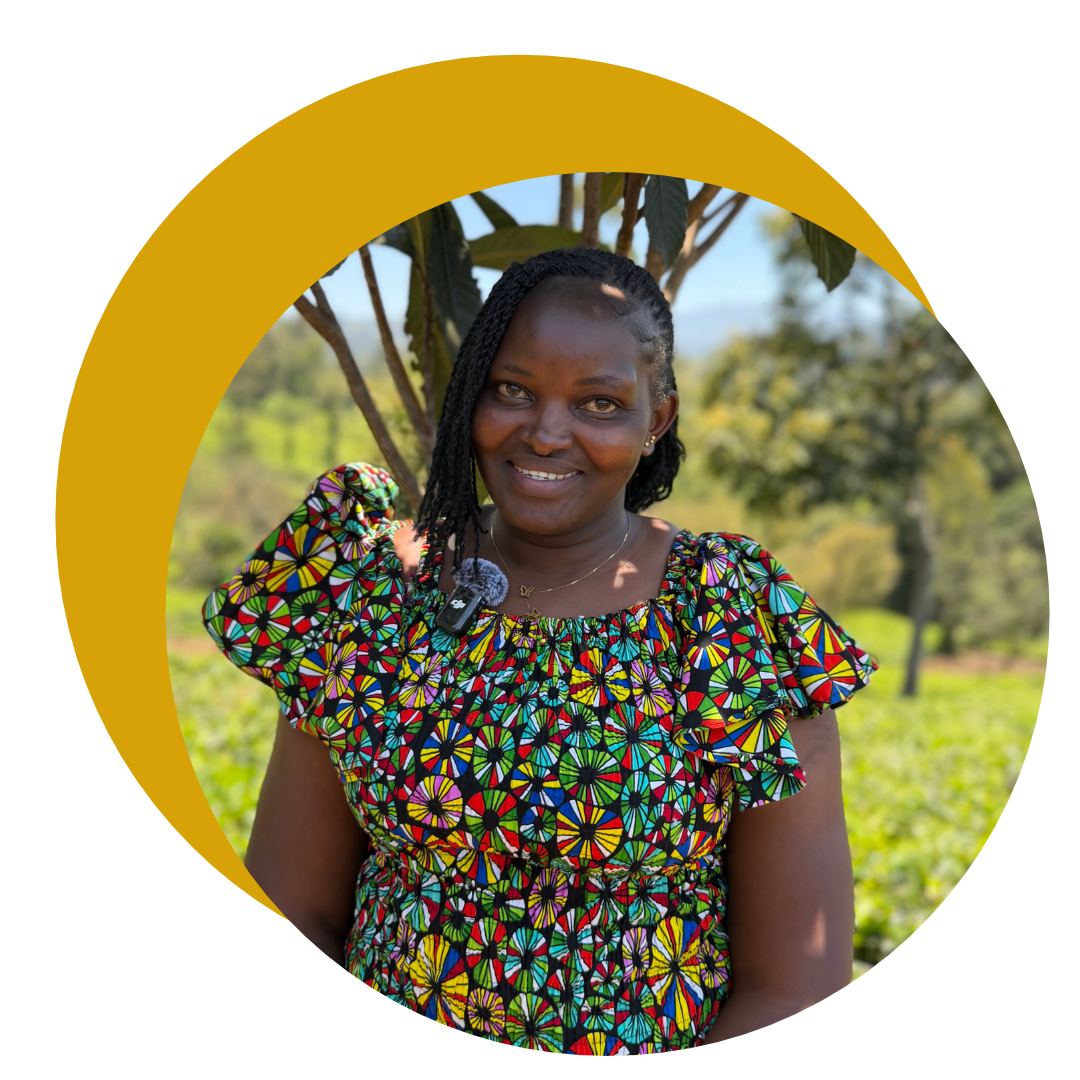
Lina is waiting. So are two other farmers from the area, Grace Wanjeri Mwangi and Jacinta Njeri. She welcomes us into her home and soon gets into the business of the day: farming, and how a phone is changing the decisions these women make on their farms. For Lina, that can begin with a chicken that does not look quite right.
“If I notice my chickens are sick, let’s say lethargic, I just check on FarmerChat and get information on what to give them,” she says.
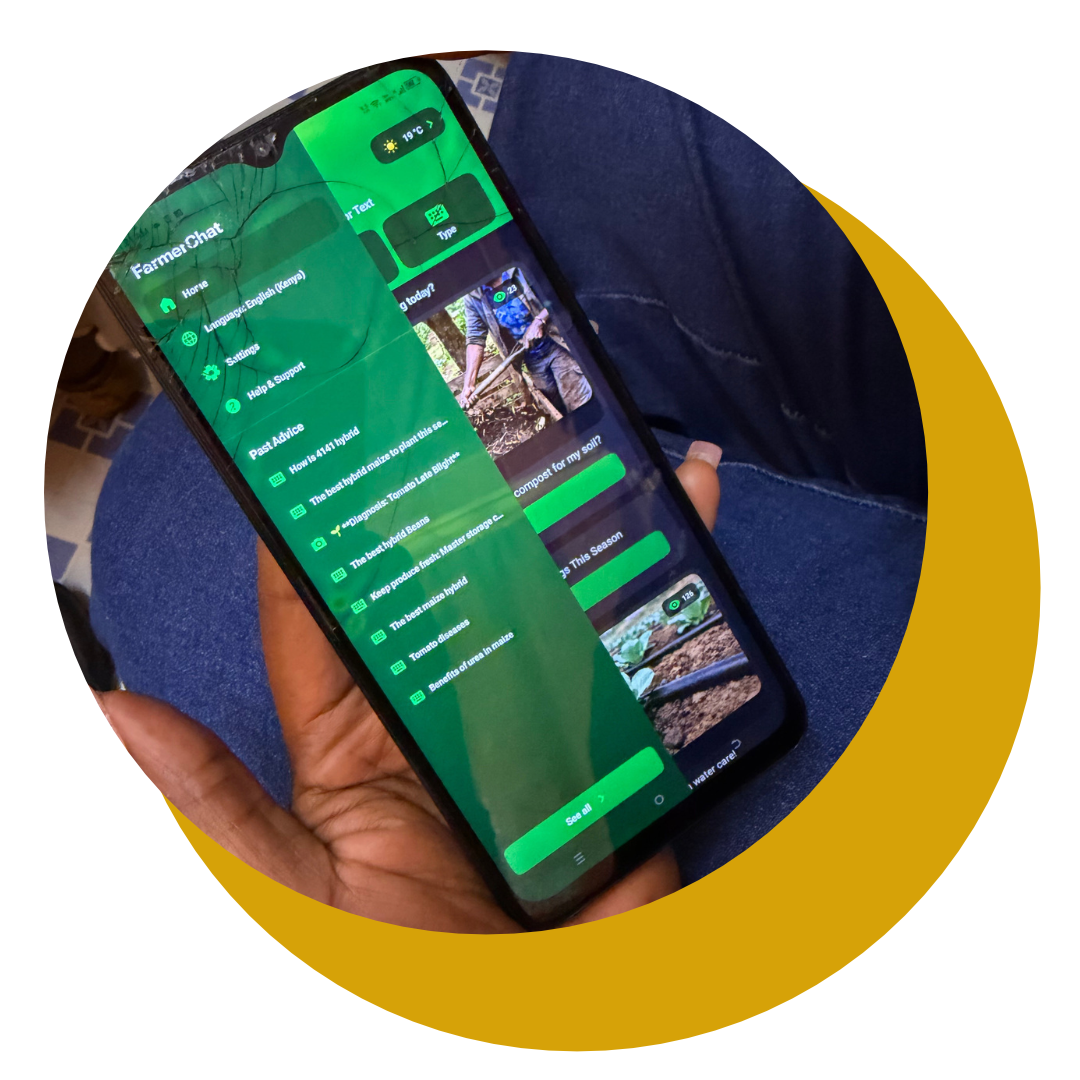
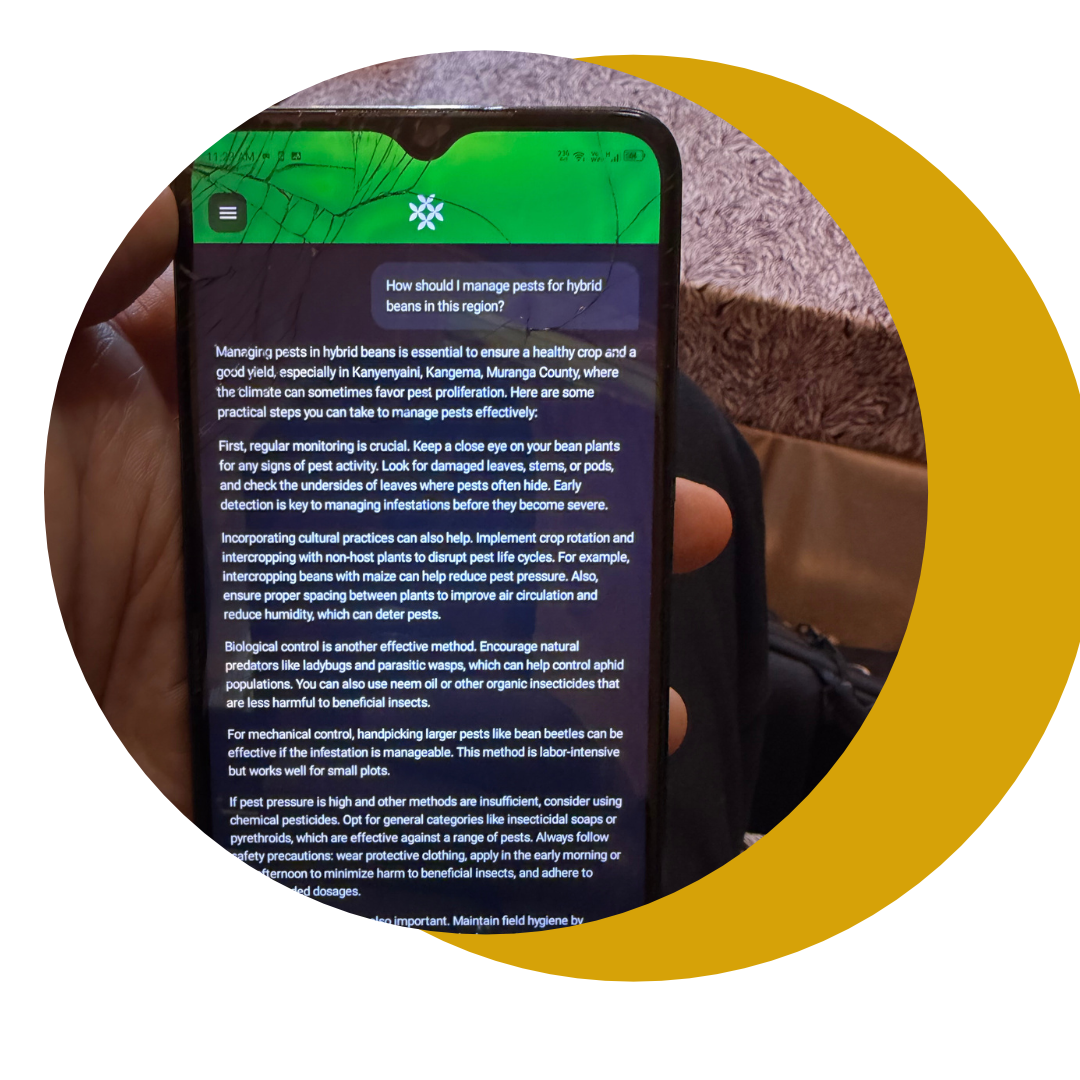
FarmerChat is an AI-assisted agricultural advisory platform run by Digital Green. Farmers can type a question or take a photograph of a crop showing signs of disease. The platform uses the information provided to identify possible problems and give advice on what the farmer can do next.
The jovial mother of two says she first learnt about FarmerChat when it was available through Telegram. She was trained on how to use it and later asked to share what she had learnt with other farmers within her community. They formed a group that now has 34 farmers.
There was a time, she says, when getting some of that information meant going to an agrovet. “We no longer go to the veterinary, we just use our phones. Since I started using FarmerChat, I can say my income has increased. With more money, I can afford school fees for my children and have money left for home expenses,” Lina says.
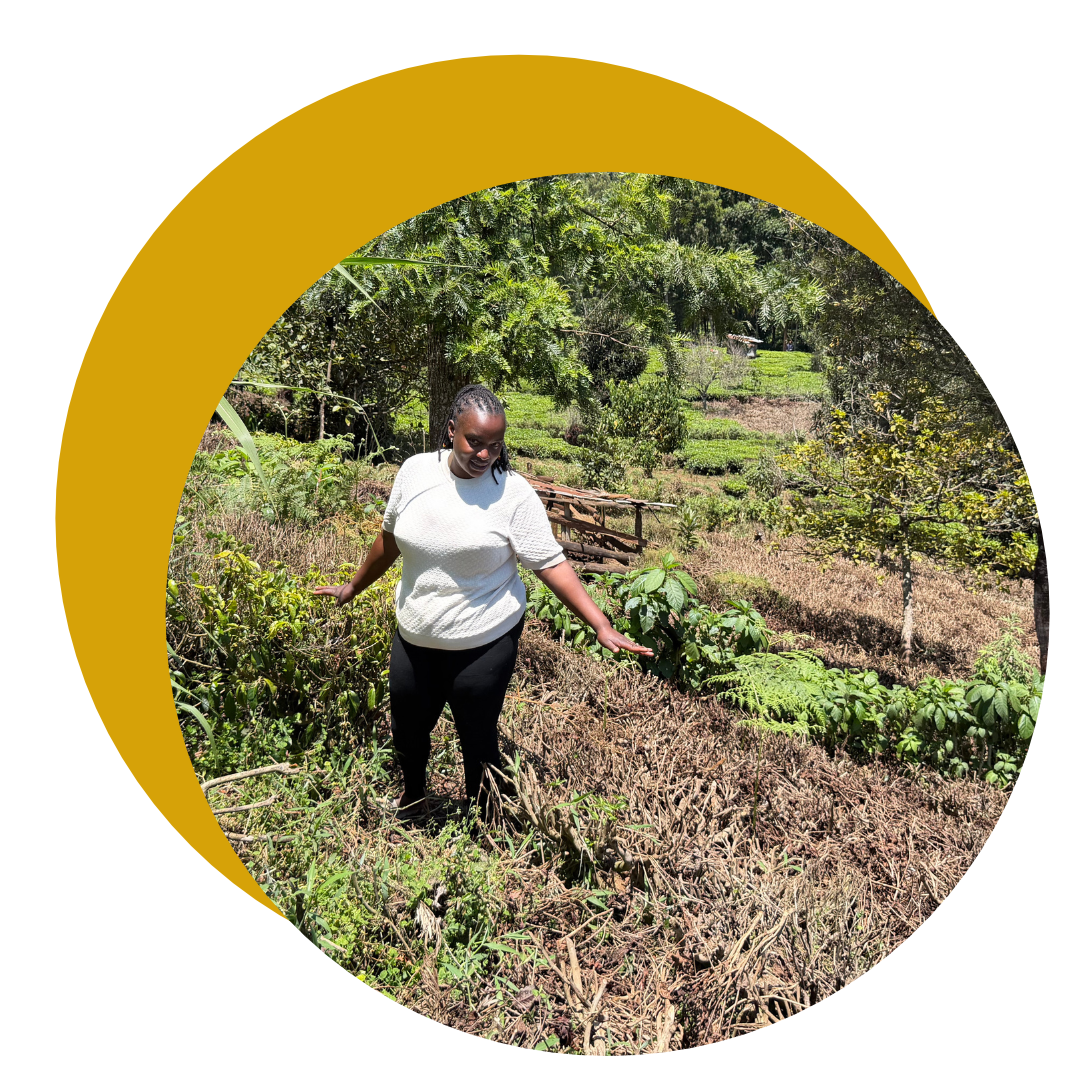
Later, Lina takes us to her tea plantation and, from a distance, you can see dried and brownish tea bushes between other rows that blend into the green landscape around her home. Up close, she points out that the dried bushes we’re seeing are affected by the disease spreading from neighbouring farms.
Tea is a significant agricultural produce in Kenya. In 2025, the tea sector generated a total marketed value of KSh 218.79 billion ($1.68 billion), and it directly supports the livelihoods of more than 700,000 small-scale farmers. So for farmers here, damage to tea can quickly become a livelihood problem.
One of the farmers Lina introduced to the platform is sitting with us.
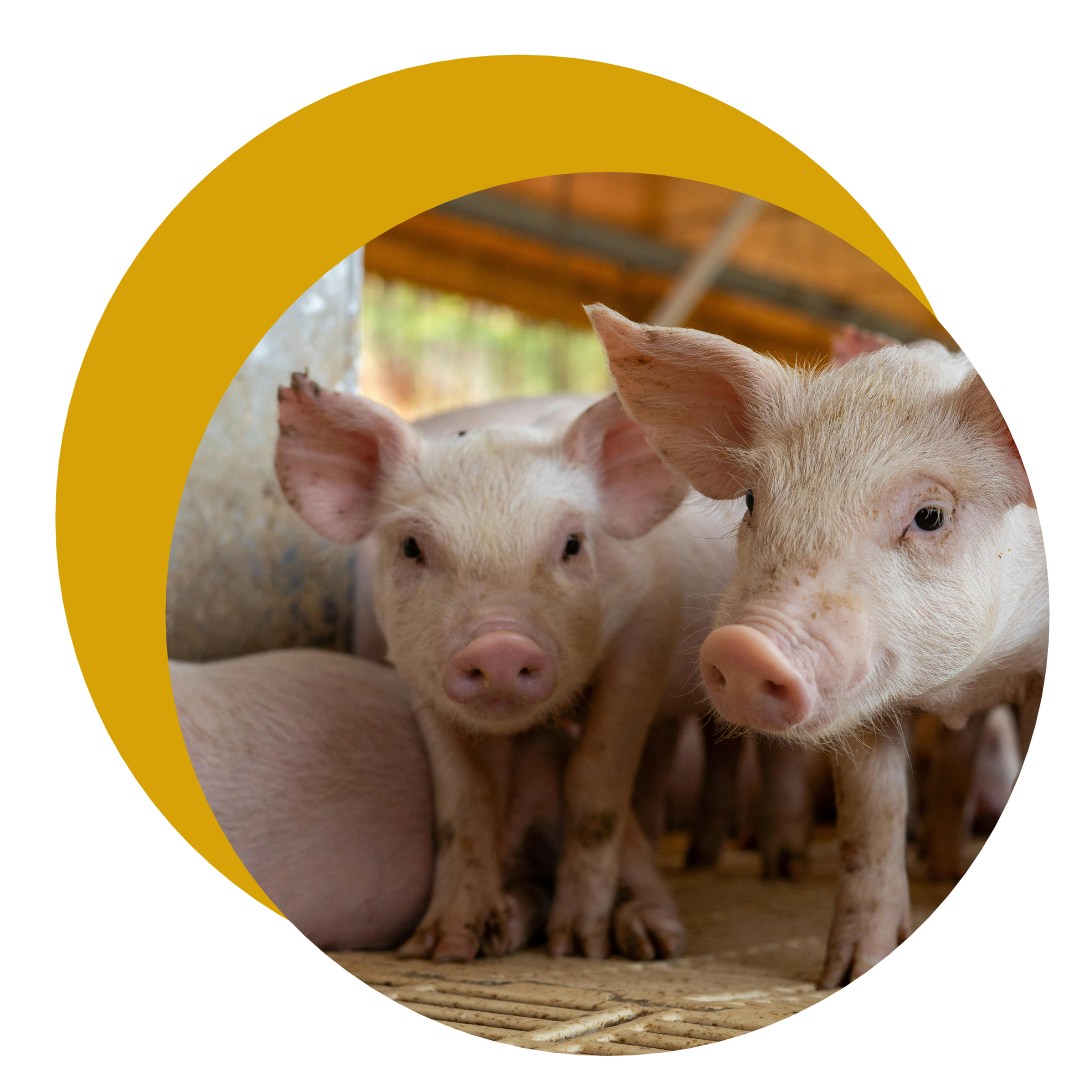
Jacinta Njeri is a businesswoman who keeps chickens and pigs. But when she begins talking about the problems she faces as a farmer, she does not start with livestock. Her challenges start with the soil. “We struggle with soil quality a lot. When you plant things such as vegetables or arrowroot, they risk withering fast.”
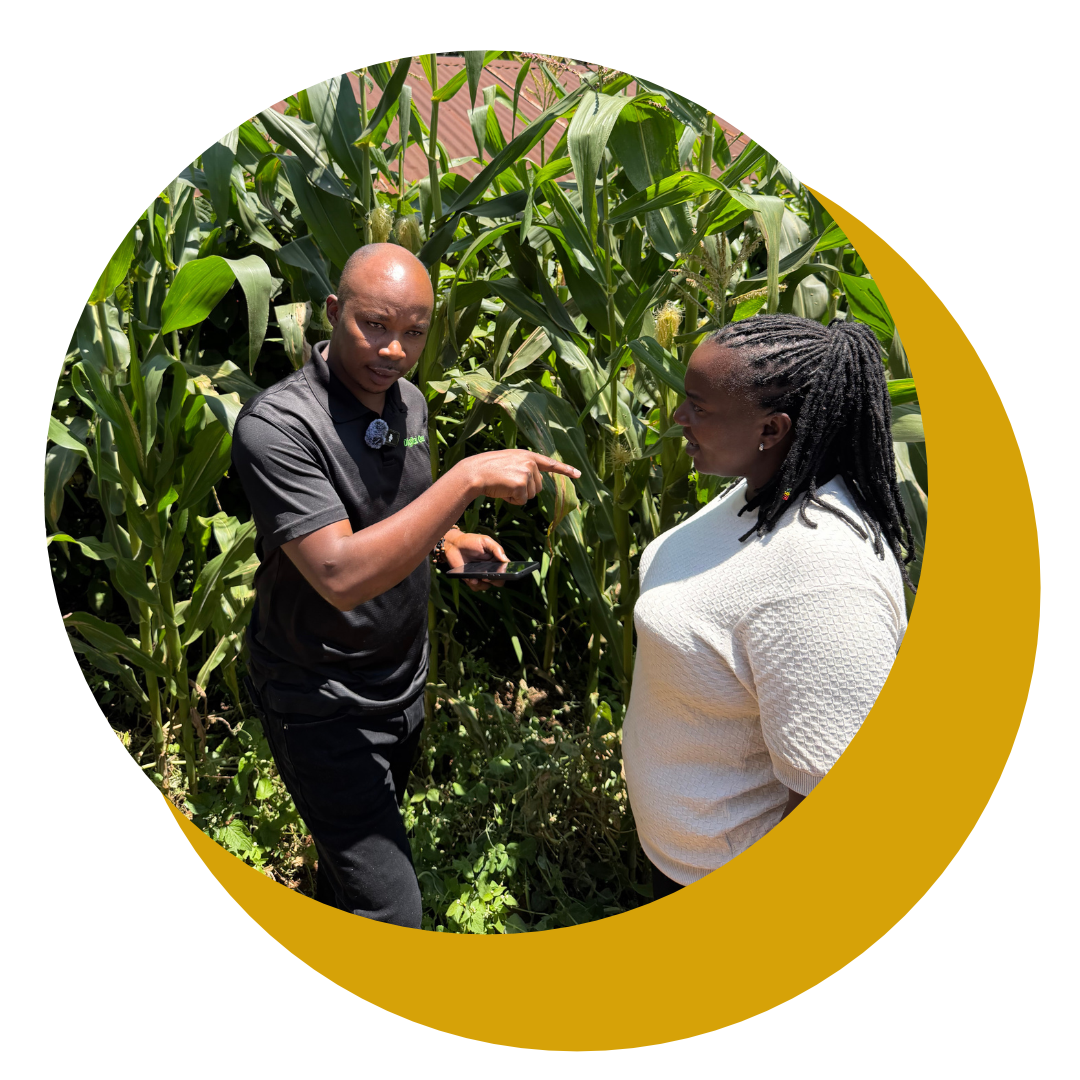
Previously, she says, she would have gone to an agricultural officer to help establish what was wrong but FarmerChat has given her another place to start. Jacinta says she uses her smartphone to photograph an affected crop and look for information about the problem and the available solutions around her.
The same need for advice follows her into poultry farming. When we visited, Jacinta told us she had recently lost several chickens and was left with 27. “Before I used to give them food blindly. Let’s say I have 10 chickens and I would give them food in excess. But now FarmerChat has helped me to measure the feed and I know the exact quantity to give 10 chickens. So it has reduced excess spending for me.”
The 34-member group they formed has made poultry keeping a shared venture. The women operate it through a merry-go-round model, pooling their efforts and taking turns to support members as they build their poultry businesses.
Grace Wanjeri Mwangi, a tea farmer, is also a part of this group. She knows the losses Jacinta describes. Cold weather can be particularly difficult when chicks are young and without electricity to keep them warm, keeping them alive is a challenge. Grace says using it has also made her think about what would make it work better for more farmers.
“I would like to see FarmerChat adding other languages. Not everyone understands English, so adding a language such as Swahili can simplify things. Also consider people who can not read and write,” she says.
Her question on access matters when a digital tool is expected to reach farmers who speak different languages, and have different literacy levels as well as access to connectivity.
Digital Green has already been working on some of those barriers. FarmerChat accepts voice and images as well as typed questions, and access to the platform in Kenya has been made data-free for users.

Innovation, from the farmer’s side
The visit to Kanyenyaini comes at a fitting time. On 15 October, the world marks the International Day of Rural Women. A day later we celebrate World Food Day, followed by the International Day for the Eradication of Poverty on 17 October.
This year, World Food Day is being marked under the theme “Innovate today. Nourish tomorrow.” FAO’s framing is not limited to new technology. It brings together new ideas with traditional knowledge and approaches that can reach the people who need them.
For farmers in Kanyenyaini, innovation has become a useful tool to solve their imminent challenges on their farms. Answering pressing questions can save their chicks, crops and avoid unnecessary spending on farm inputs.
“When we sell our eggs and share the grown chickens we make profits. Getting this money means our kids can’t be out of school and we can’t go to bed hungry,” Grace explains.
Jacinta’s experience is similarly direct. She recently sold pigs that had grown to more than 80 kilogrammes. The money helped pay her son’s university fees and her daughter’s secondary school fees.
These lived experiences touch on the three days being marked this week. They speak to the work rural women do to produce food, to whether innovation responds to the realities of farming, and to the role a viable livelihood can play in meeting a family’s everyday needs.
Hear more about FarmerChat and the thinking behind it in Paul Newnham’s Future Fork conversation with Alesha Miller of Digital Green.
Getting advice to the farm
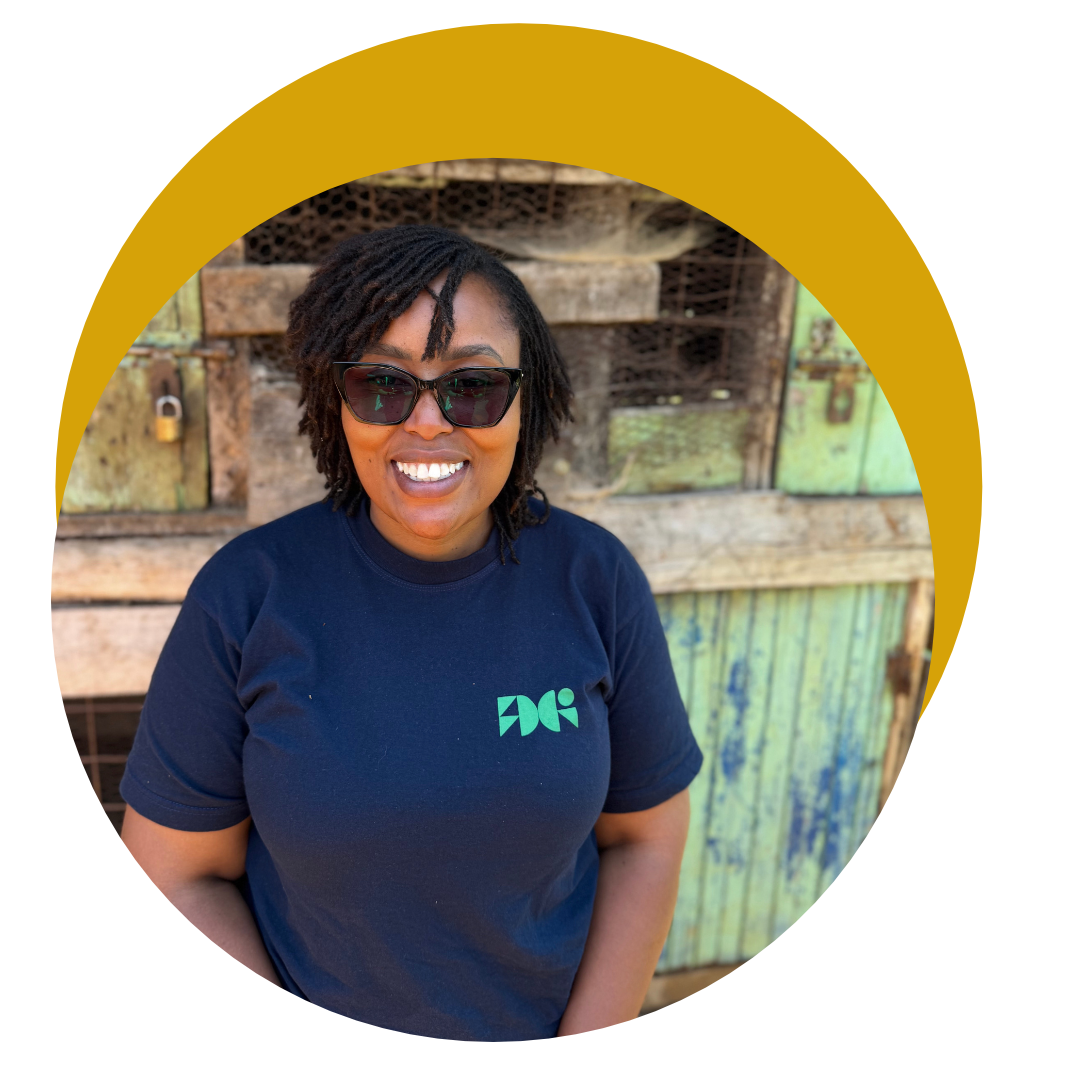
Jacquline Wang’ombe, Program Head at Digital Green Kenya says that FarmerChat was developed in response to an old problem in agriculture: minimal extension officers to reach every farmer when advice is needed.
“Some farmers will never receive advisory on time. That is a gap that we’ve filled; we want to make sure that farmers are getting advisory on time and they’re able to make decisions,” she pointed out.
The Android app was launched in Kenya in September 2024. Wang’ombe says FarmerChat had about 50,000 users by May 2025 and currently has around 300,000 users in the country. Digital Green is also looking at what happens after someone downloads the app: whether farmers return when they have another problem and what changes on their farms as a result.
Wang’ombe further explained that the organisation has seen farmers use the information to adjust seed and fertiliser application rates, make decisions about animal treatment and nutrition as well as reduce some production costs.
That describes what we have seen in Kanyenyaini better than any discussion about technology could. Nobody here is spending the day talking to an app for the sake of it. There is poultry to feed, crops to harvest, tea bushes that need to be tended, businesses to run and children to keep in school.
And, eventually, visitors to feed. As our conversations wind down, the hospitality at Lina’s home takes over. Tea is served with nduma (arrowroots), followed by a generous helping of traditional mukimo (a blend of mashed potatoes and maize with beans).
After a morning spent talking about farmers, food and the technology, lunch brings us back to something familiar. Food is how we earn a living, feed our families, welcome visitors, and show care for one another. That is where good food for all begins.