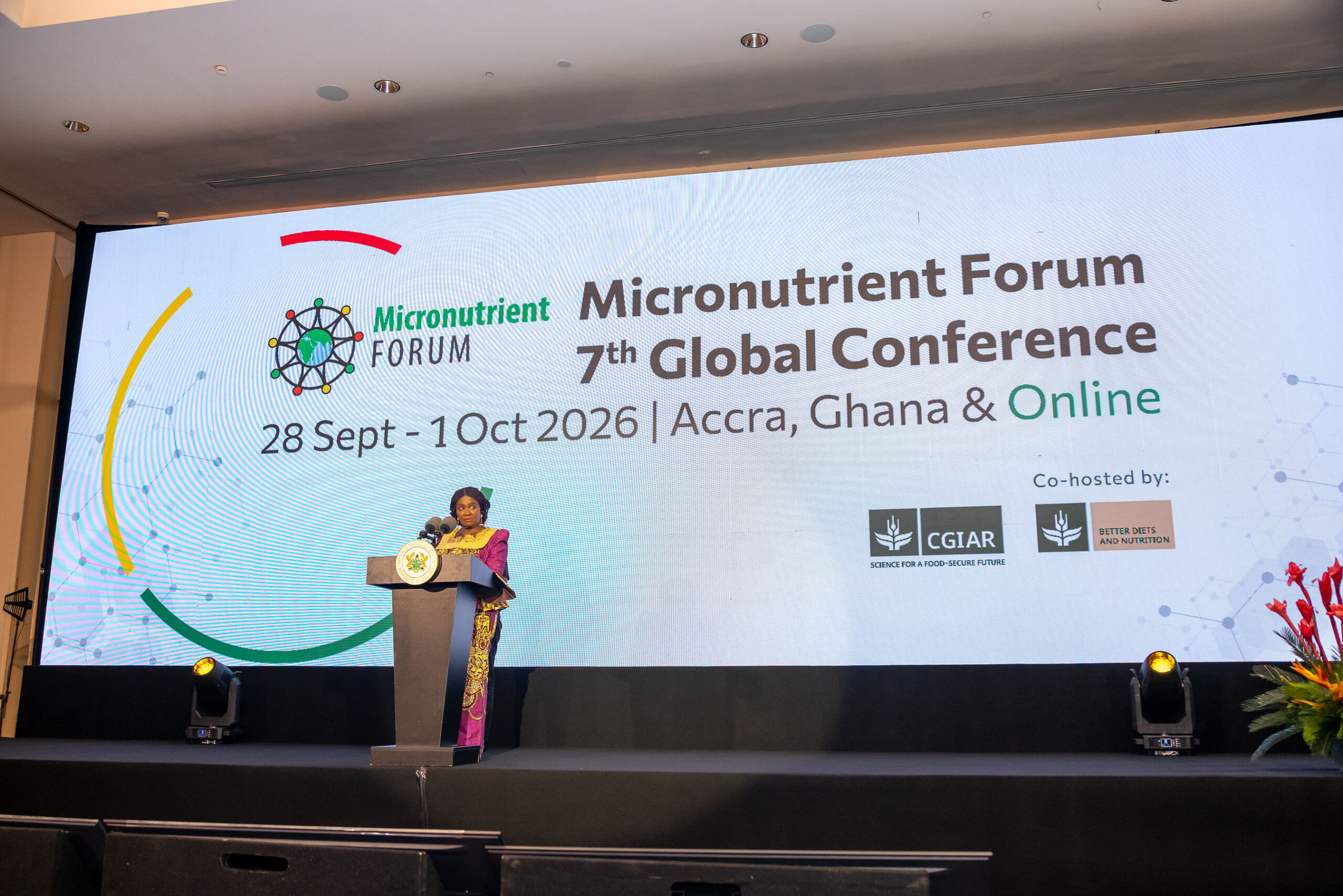
“We’re striving for a world where micronutrient deficiencies do not limit a child’s potential or a country’s prosperity,” said Ghana’s Vice President, HE Naana Jane Opoku-Agyemang.
Delegates from civil society, UN agencies, academia and business gathered in Accra for a week of dialogue on the challenges and opportunities in tackling micronutrient deficiencies.
The scale of the problem is sobering. Two in three women suffer from at least one micronutrient deficiency, and 30% are affected by anaemia, a figure that continues to rise. Healthy diets are one of our most critical tools for prevention, yet 2.7 billion people cannot afford one, and the cost has gone up 25% since 2021. Transforming food systems so that everyone, everywhere has the nutrients they need to survive and thrive has never been more urgent.
Cuts to overseas development assistance and climate change add a new layers of difficulty, arriving amid protracted conflicts, poverty and supply chain disruptions that push up food prices.
Eggs, milk and other nutritious foods are the first to disappear from plates, as they spoil quickly and their prices rise faster.
As the Deputy AU Commissioner Amma Twum-Amoah reminded delegates, nutrition resilience must be built before crises hit.
Fortifying our future
Fortification, the addition of vitamins and minerals to everyday foods, was a recurring theme throughout the week. It is a cost-effective way to prevent micronutrient deficiencies and the poor health outcomes that follow. On the plate, this looks like fortified rice reaching school children through nutritious school meals and fortified ingredients, like rice, flour and cereals being accessible and affordable in every household.
Bringing this solution to scale is not without its challenges, from the inconsistent production of high-quality fortified foods to making sure they are affordable for all consumers. Solutions and innovations need to meet communities, millers and other stakeholders where they are if they are to be sustainable, inclusive and lasting.
There are plenty of opportunities to build on, from embedding fortification across food systems to using school feeding and other social protection programmes. Ethiopia offers useful lessons: all food purchased by the government must be fortified, and community health workers counsel families on fortified staples.
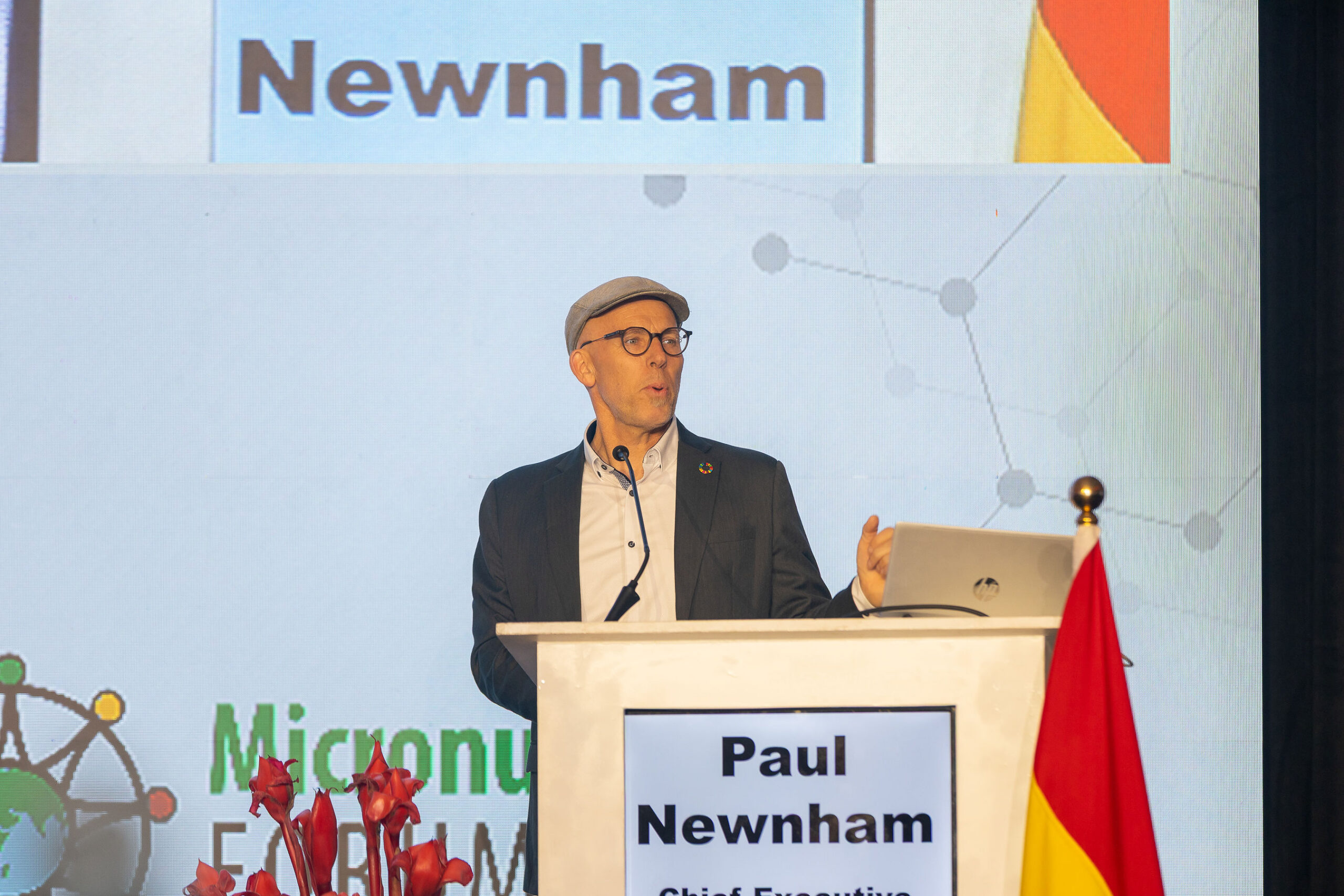

A four step plan to improve nutrition globally
“We must act decisively to ensure malnutrition now is not a life sentence for bad health,” said the Deputy AU Commissioner.
Leaving Accra, the community committed to four joint action areas to move the needle on micronutrient deficiencies:
-
Safeguard and expand nutrition information systems, so that emerging threats can be tracked, resources aligned with the disease burden, and progress and impact evaluated. This aims not only to repair data systems disrupted by recent aid cuts but also to strengthen them at national and subnational levels.
-
Invest in nutrition research and innovation to keep pace with new threats and reach the communities that need it most. Robust, well-funded research at community, national and global levels can help build resilience and protect nutrition gains.
-
Invest in the next generation of nutrition leaders, who can put these strengthened data systems, research and innovations to work through informed decision-making and advocacy that drives ambitious change across the sector
-
Lastly, and perhaps most fundamentally, these action areas must be backed by long-term, predictable and coherent financing from multilateral development banks, private investors and governments. That means growing nutrition budgets, integrating nutrition across sectors and making use of innovative forms of finance.
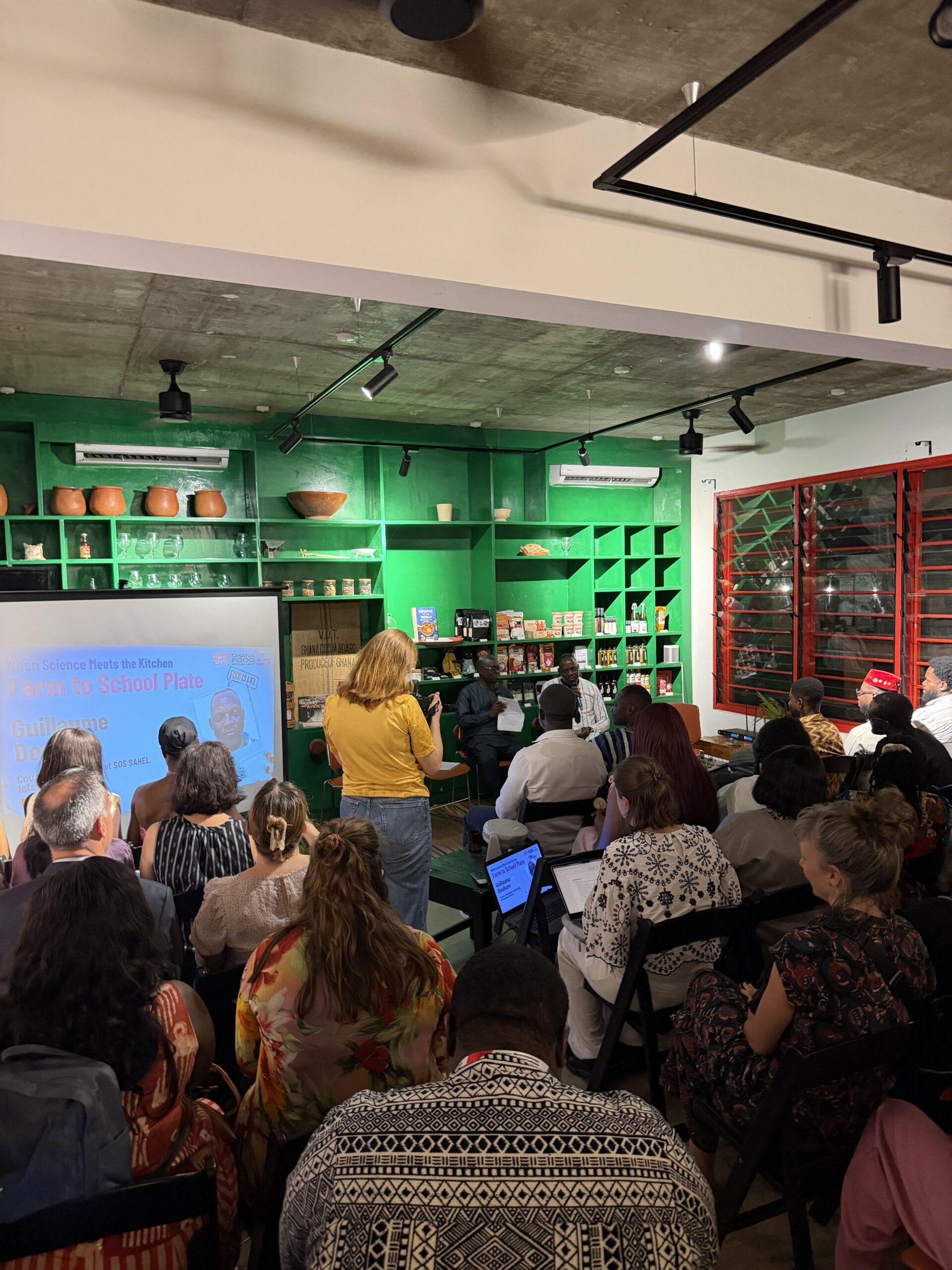
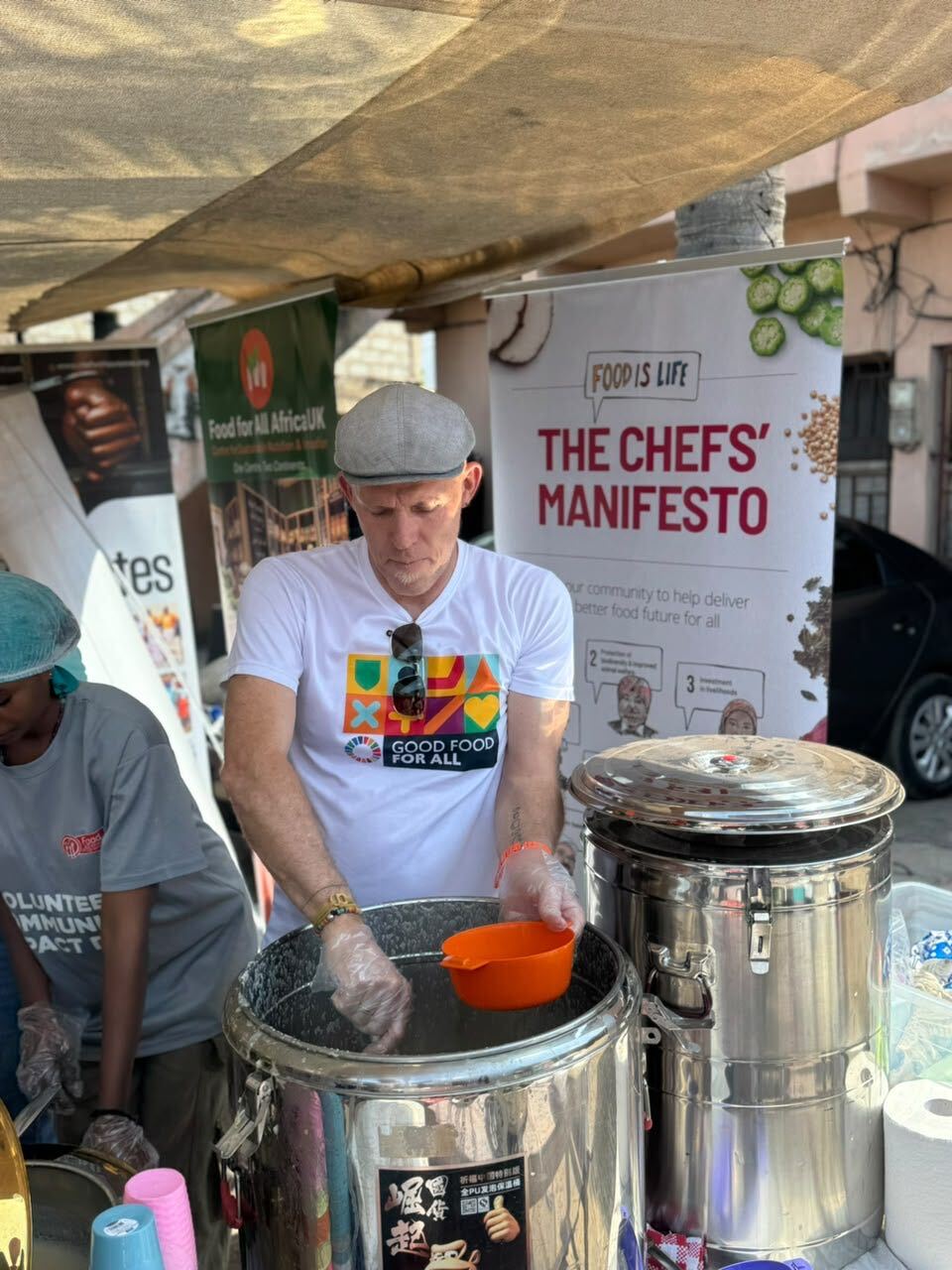

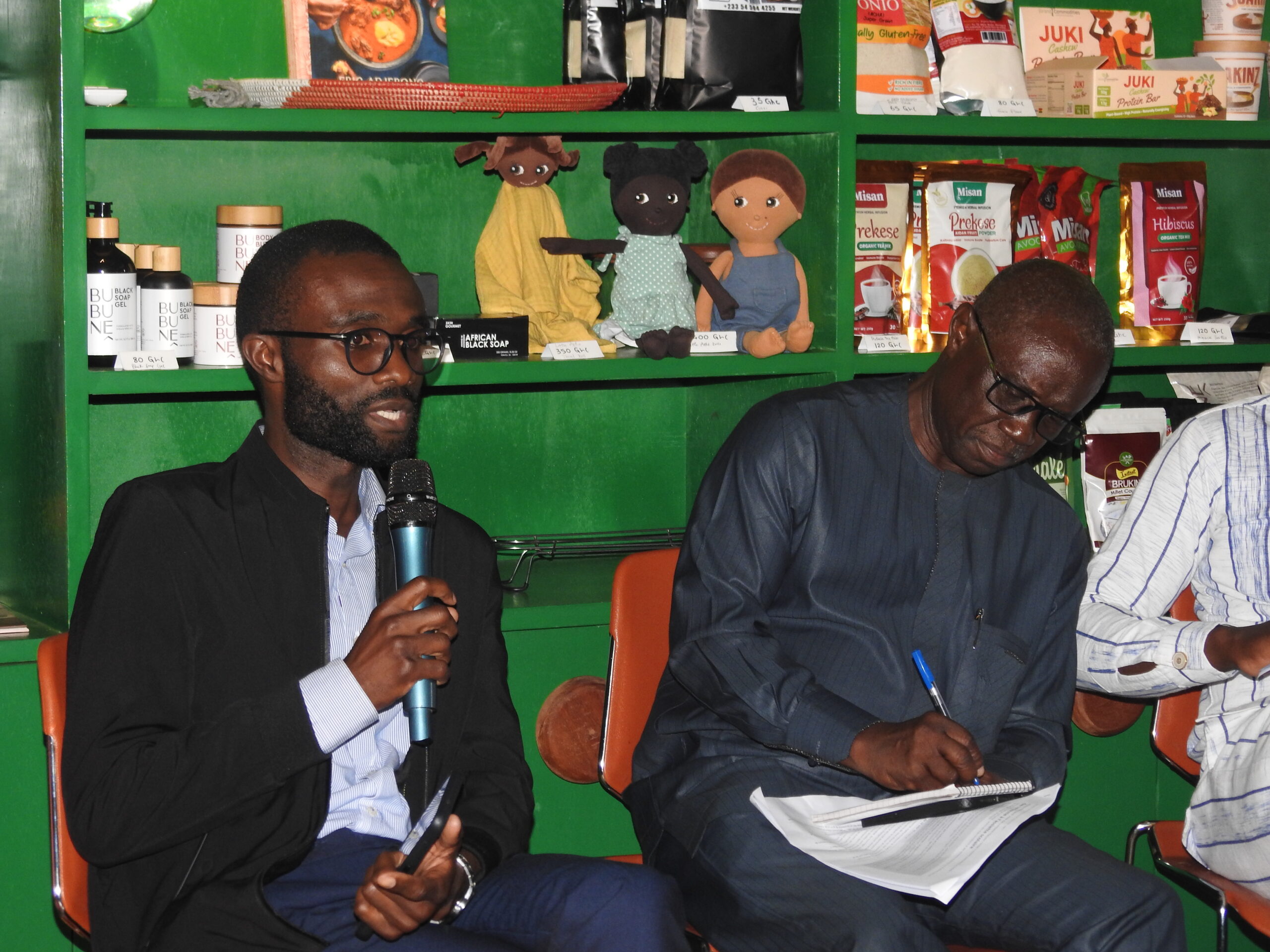
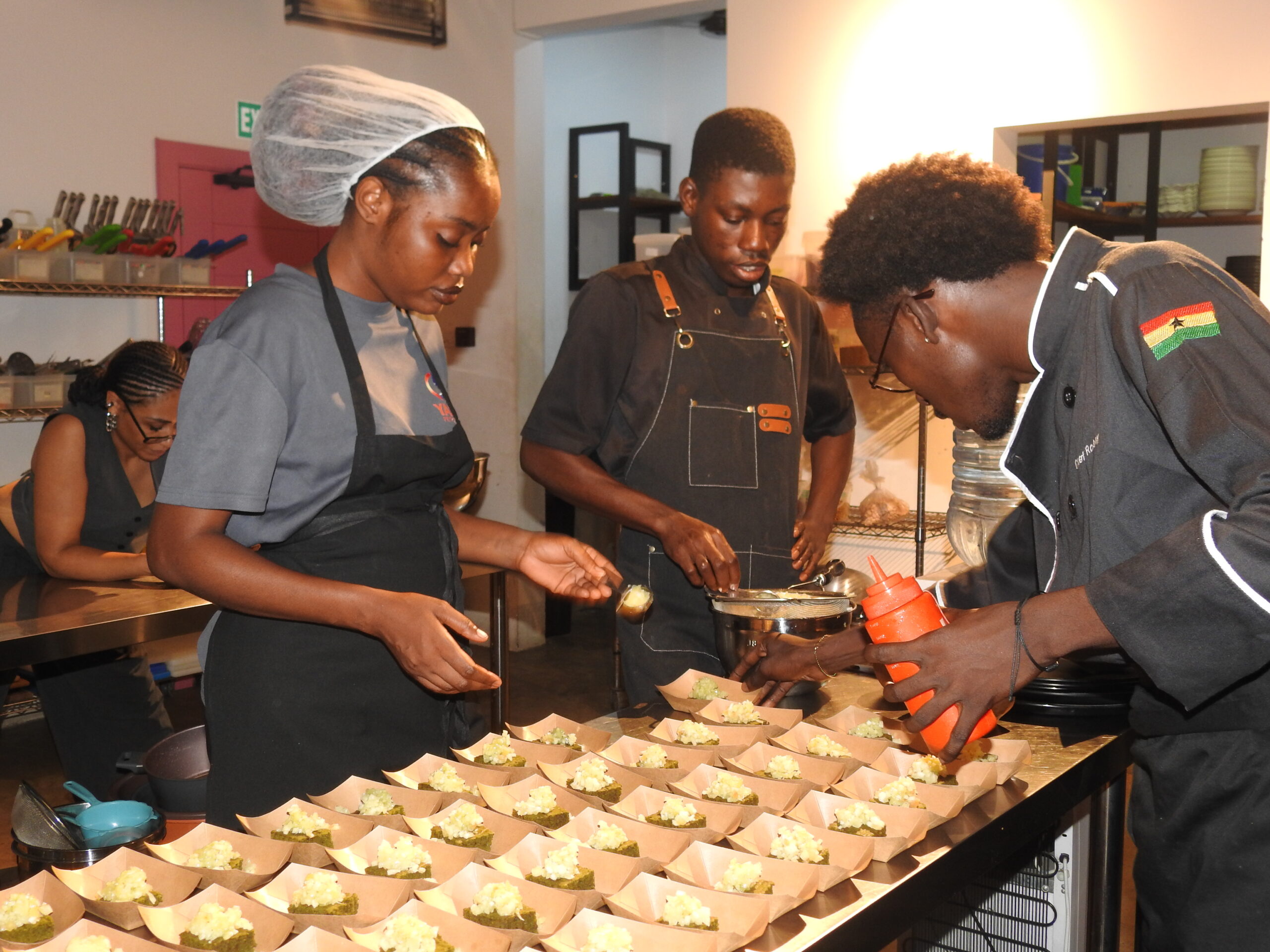
When Science Meets the Kitchen
There is a persistent gap between what we know, through both scientific and indigenous knowledge, and what actually shows up on our plates. At the heart of our food systems, chefs and farmers play a critical role in championing indigenous foods that are nutrient dense, climate resilient and often affordable to all.
Ghana is leading the way in this conversation through the Ghana Food Movement (GFM), a network of young chefs, farmers, food producers, scientists, entrepreneurs, nutritionists, students and other food experts working together to transform the country’s food systems.
Through the Ghana Plate project, the GFM is creating and testing delicious, nutritious recipes that use local ingredients for school meals programmes. They are also building a directory of local food suppliers and producers and retailers, and training future culinary practitioners the curriculum rooted in local knowledge, sustainable practices, and inclusive teaching.
Speaking to the value of this multistakeholder approach, Chef Francis Kpelley remarked: “I am a chef but I cannot do it alone. I need a farmer to tell me what foods are in season. I need a nutritionist to tell me what foods are nutritious. It’s when we all come together that we can transform food systems.”