The expanded World Cup is here, and Africa has already scored a victory. Ten teams participating, up from five in previous years, marks a milestone worth celebrating. Yet, Africa’s real power play is unfolding across farms and kitchens, where centuries of food knowledge position the continent as a potential global food basket.
The expanded World Cup is here, and Africa has already scored a victory. Ten teams participating, up from five in previous years, marks a milestone worth celebrating. Yet, Africa’s real power play is unfolding across farms and kitchens, where centuries of food knowledge position the continent as a potential global food basket.
As summer stretches across Mexico, the United States and Canada, African crops sustain communities through drought, heat and uncertainty. These are the opportunity crops, especially for a year where a powerful El Niño is expected to affect food security around the world.
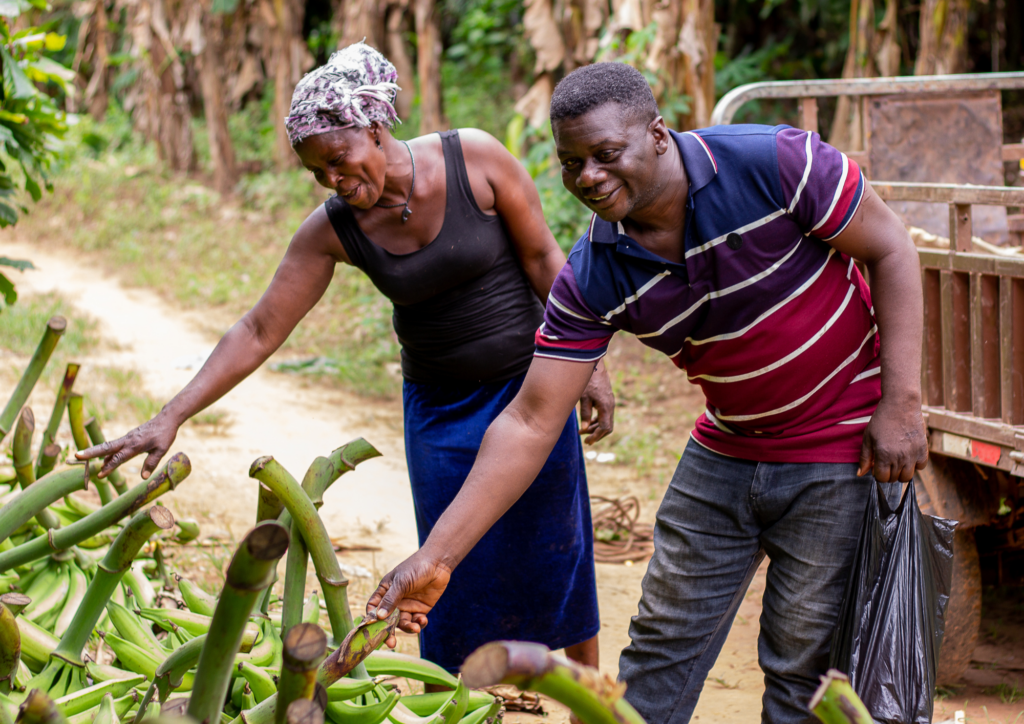
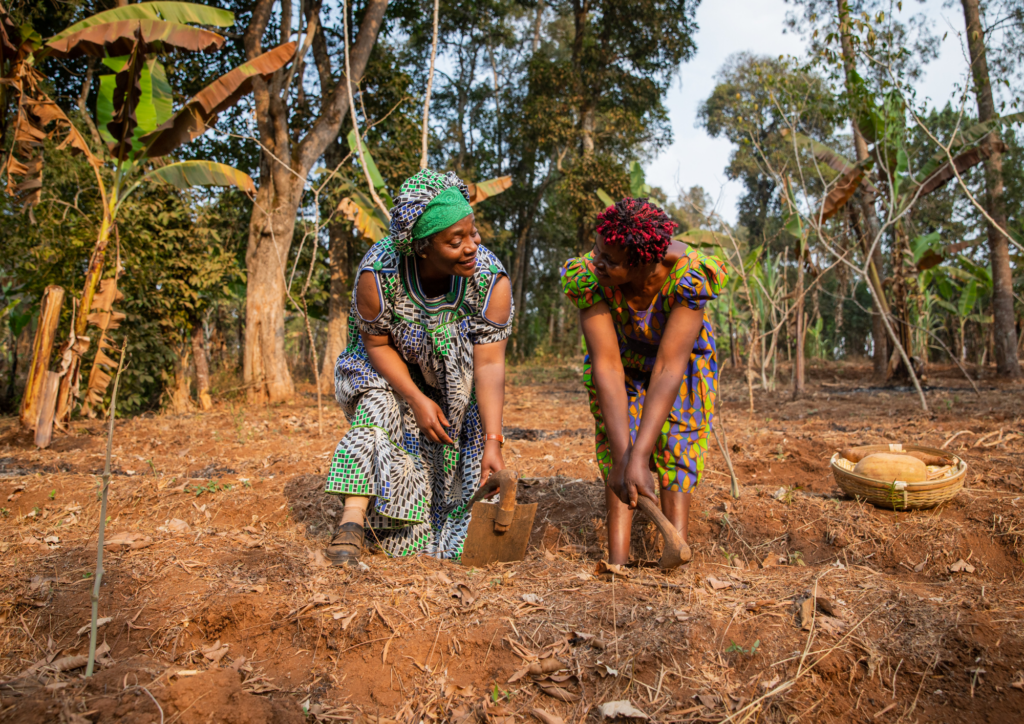
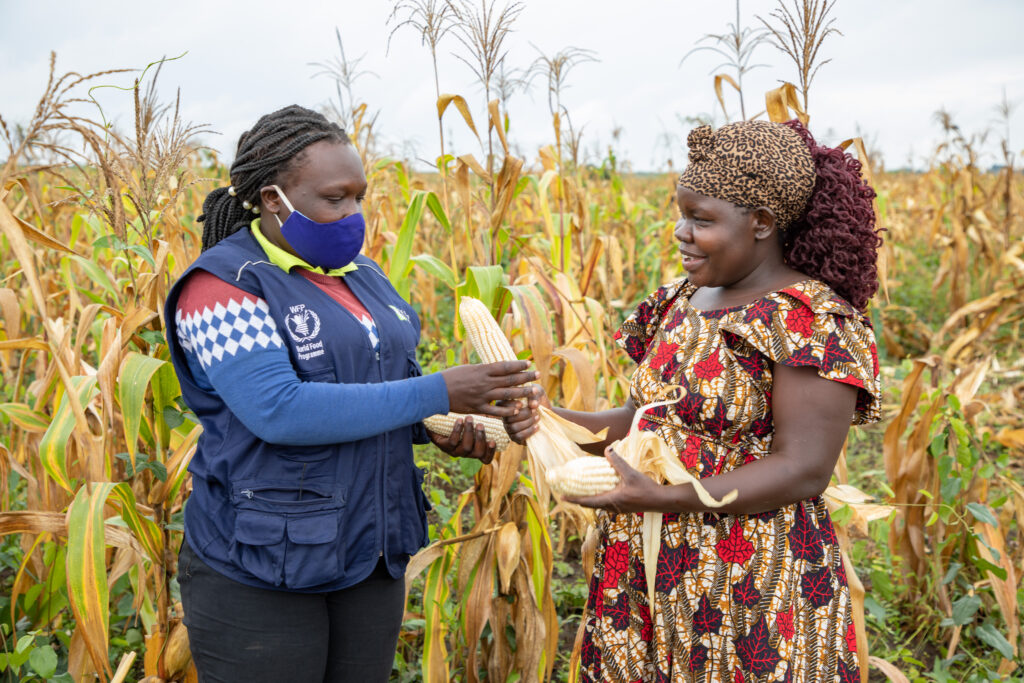
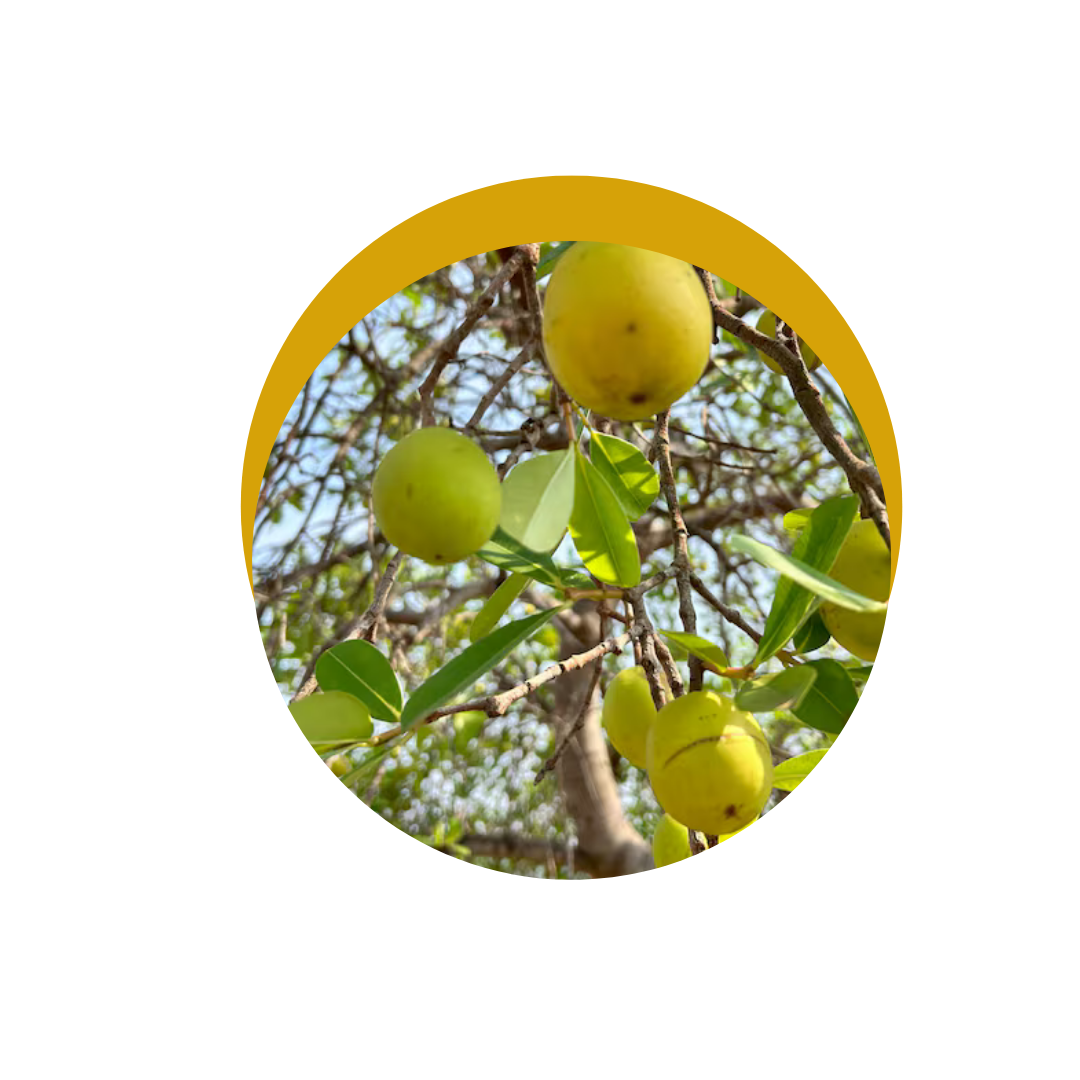
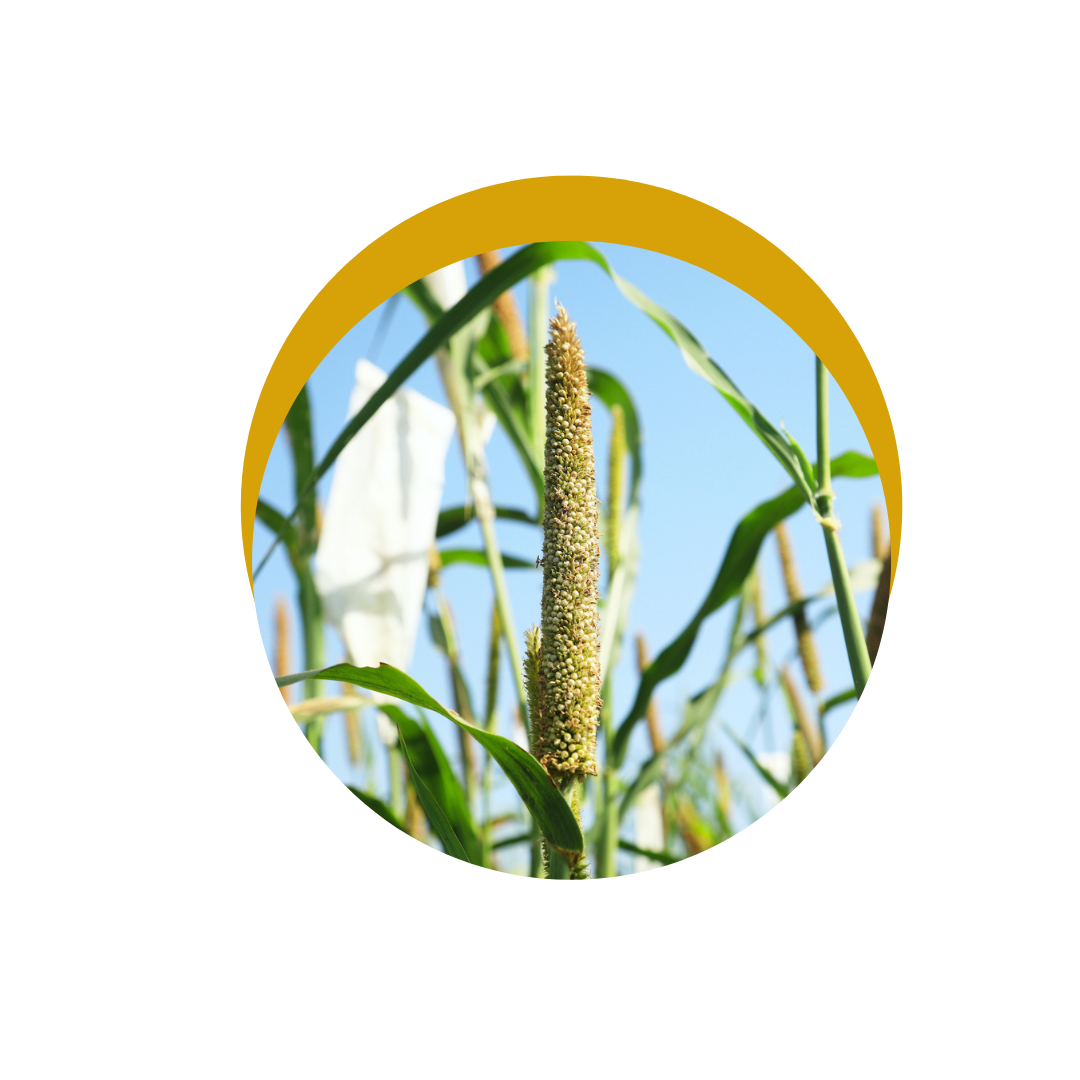
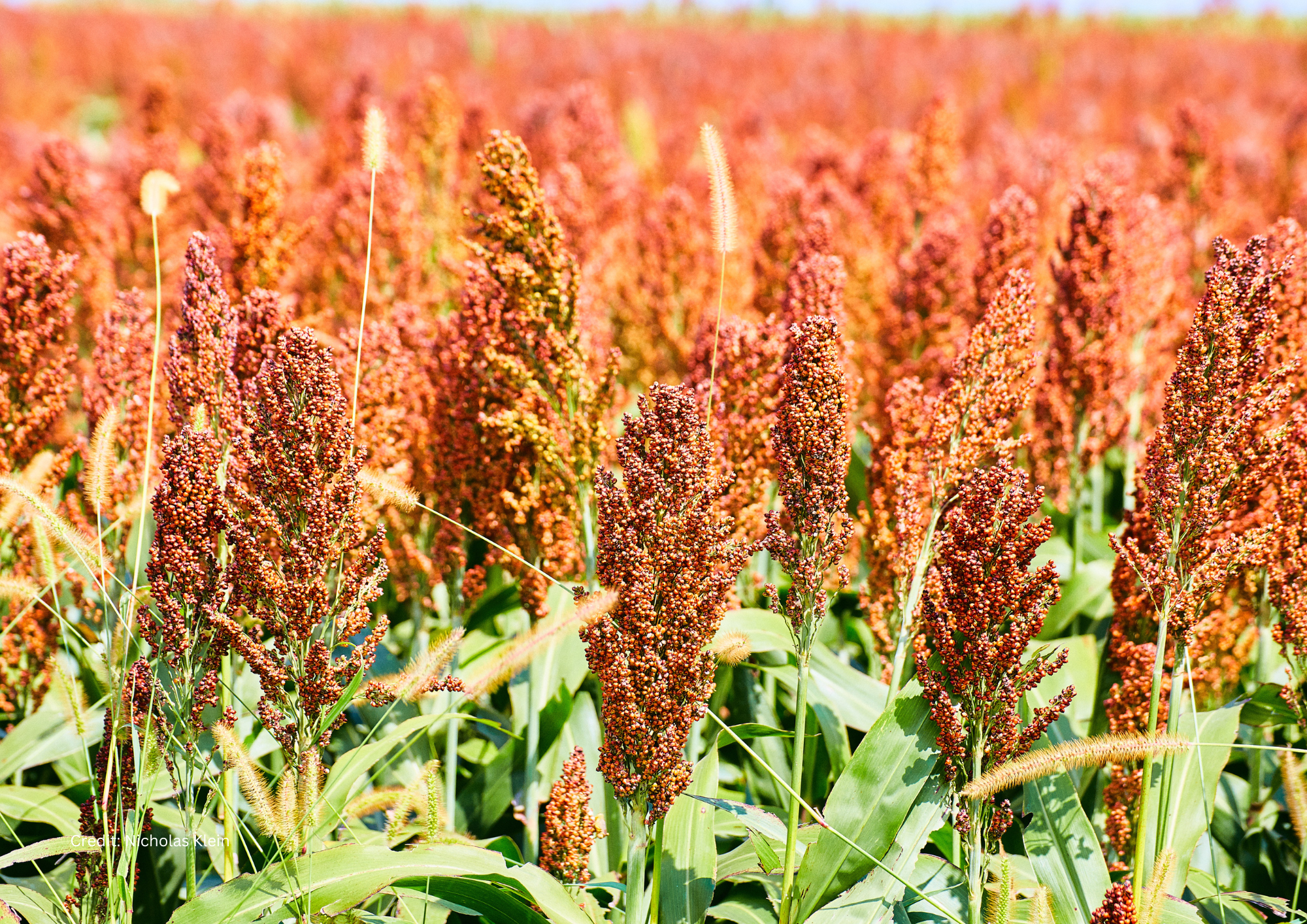
Indigenous crops such as pearl millet in Cabo Verde, fonio in the Sahel, bambara groundnut in West Africa, cassava across Central and West Africa, yams in Côte d’Ivoire, moringa in north east Africa, marula in South Africa, argan in Morocco, capers in Tunisia and date palms in North Africa are climate resilient, nutrient-rich and adapted to local soils and water conditions. They are drought-tolerant, have low input needs, and boast strong local markets and cultural value.
As rainfall patterns shift and communities oscillate between floods and dry spells, these crops offer hope. Investing in them spreads risk and reduces dependence on vulnerable staples.
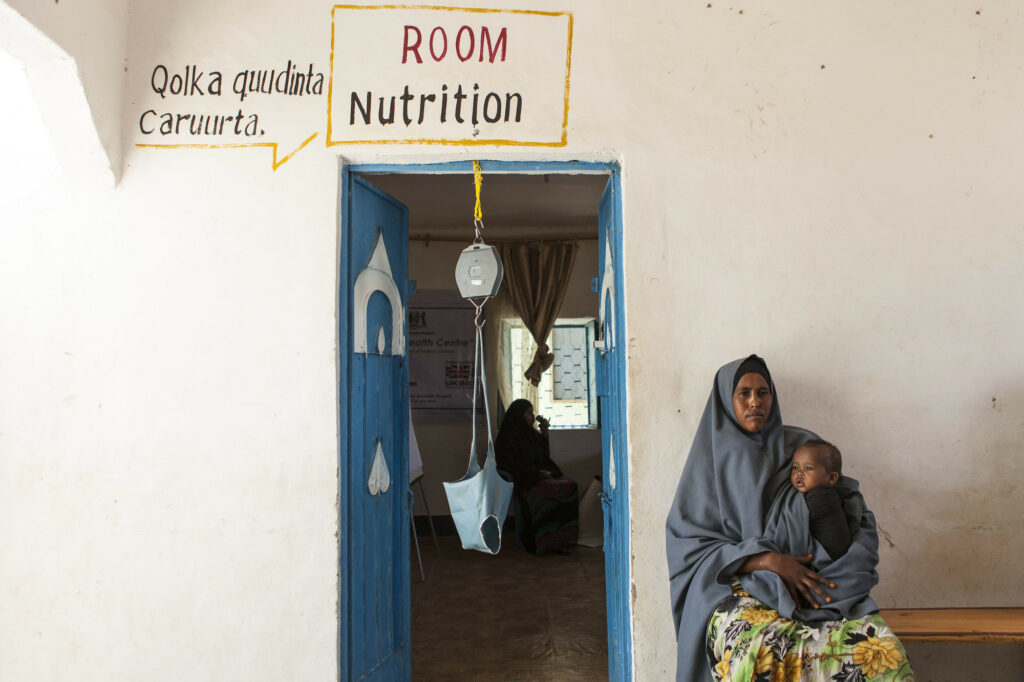
Nutritionally, they are powerhouses. Moringa leaves provide vitamins and minerals, bambara groundnut delivers plant protein, fonio and millet supply mineral-rich alternatives to refined grains. Promoting these foods strengthens diets and addresses micronutrient gaps, especially for children and pregnant women.

Economically, they are livelihood-smart. They add value to ready-to-eat products, fortified foods, and snacks, boosting incomes and creating enterprises, particularly for women and youth. Examples include high-iron beans that are transforming livelihoods in Malawi and strengthening a climate transition.
But to drive more change, scaling opportunity crops requires research and seed systems to develop improved varieties, farmer-led innovation, inclusive markets, climate finance, and supportive policies. Public procurement, such as incorporating indigenous crops into school meals, can create stable demand.
The World Cup spotlight celebrates culture, but resilience begins at home. With better research, investment and market access, and with small-scale farmers and communities in the driving seat, opportunity crops can build fairer, more nutritious and more resilient food systems to nourish children for the next World Cup.