Asma Lateef is the outgoing Chief of Policy and Advocacy Impact at the SDG2 Advocacy Hub. With more than three decades of experience in hunger, malnutrition, food systems and international development, she has worked across civil society, multilateral institutions and global coalitions to advance food and nutrition security worldwide.
“Conflicts are ‘fed’ more readily than people are nourished. This reality reflects not only operational shortcomings but also a fundamental imbalance in political and moral priorities.”
His Holiness Pope Leo XIV, Speech at the Headquarters of the World Food Programme, June 2026
Photo credit: © WFP/Giulio d’Adamo
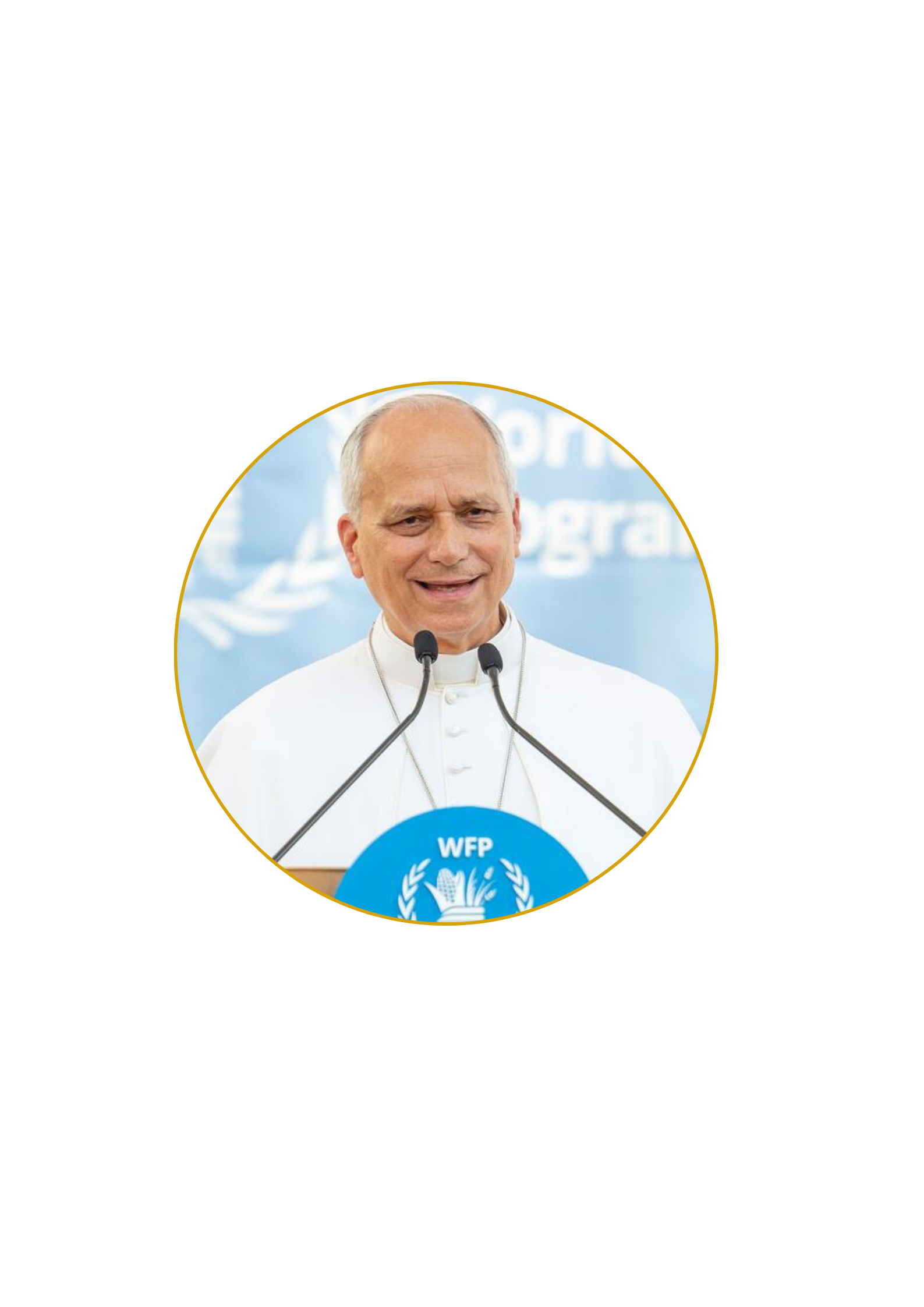
These words, delivered by Pope Leo XIV during his recent visit to the World Food Programme in Rome, should give all of us pause.
For those of us who have spent our careers working to end hunger and malnutrition, they also ring painfully true.
Ending hunger has never simply been a technical challenge. We know what to do. We know how to protect children from malnutrition, build resilient food systems, support farmers, diversify diets, strengthen school meal programmes and help communities withstand climate shocks. The evidence is overwhelming.
The question is no longer whether solutions exist; it is whether we have the collective will to deliver them.
Yet despite decades of knowledge, investment and progress, the world is not on track to achieve Sustainable Development Goal 2—the global goal to end hunger, achieve food security and improve nutrition—by 2030.
The question is no longer whether solutions exist; it is whether we have the collective will to deliver them.
After more than three decades working across policy, advocacy and coalition building, I have seen what is possible when governments, civil society, businesses, researchers and communities align behind a shared purpose. I have also seen how easily progress can stall when institutions become fragmented, priorities compete and financing fails to match ambition.
Today we find ourselves at exactly such a crossroads.
Conflict is driving displacement on an unprecedented scale. Climate shocks are becoming more frequent and severe. Food prices remain volatile. Development assistance has been slashed and is under immense pressure, while many governments face fiscal challenges at home.
The instinct in moments like these is often to focus on quick wins, spread limited resources ever more thinly, or deprioritise resilience-building over immediate needs. But fragmentation is a luxury we can no longer afford.
If we are serious about reaching the last mile to 2030, we must focus on fewer, bigger priorities.
That means:
-
protecting the gains we have already made instead of allowing decades of investment to unravel;
-
investing in resilient food systems that improve nutrition, strengthen rural livelihoods and help communities adapt to climate change simultaneously;
-
making a stronger public and political case that ending hunger and malnutrition are not merely humanitarian obligations but economic, security and development imperatives;
-
and most importantly, it means working differently.
The global food systems community does not lack partnerships, frameworks or commitments. What it often lacks is alignment around a common agenda and the discipline to use existing mechanisms more effectively rather than continually creating new ones.
This is particularly important as development financing becomes more constrained. Every dollar must work harder. Every partnership must deliver greater value. Every investment should contribute to multiple outcomes—improved nutrition, stronger livelihoods, healthier ecosystems and more resilient economies.
Behind the statistics are real people and communities whose futures depend on the choices made today. The consequences of hunger are measured not only in data, but in lost opportunities, diminished potential and lives held back by circumstances that can and should be changed.
These are not inevitable outcomes. They are the result of choices—about priorities, investments and political attention.
After decades of work on hunger and malnutrition, I remain convinced that ensuring good food for all is possible. The solutions exist. The evidence is strong. What is missing is not knowledge, but greater alignment, sustained commitment and the political courage to act at the scale the moment demands.
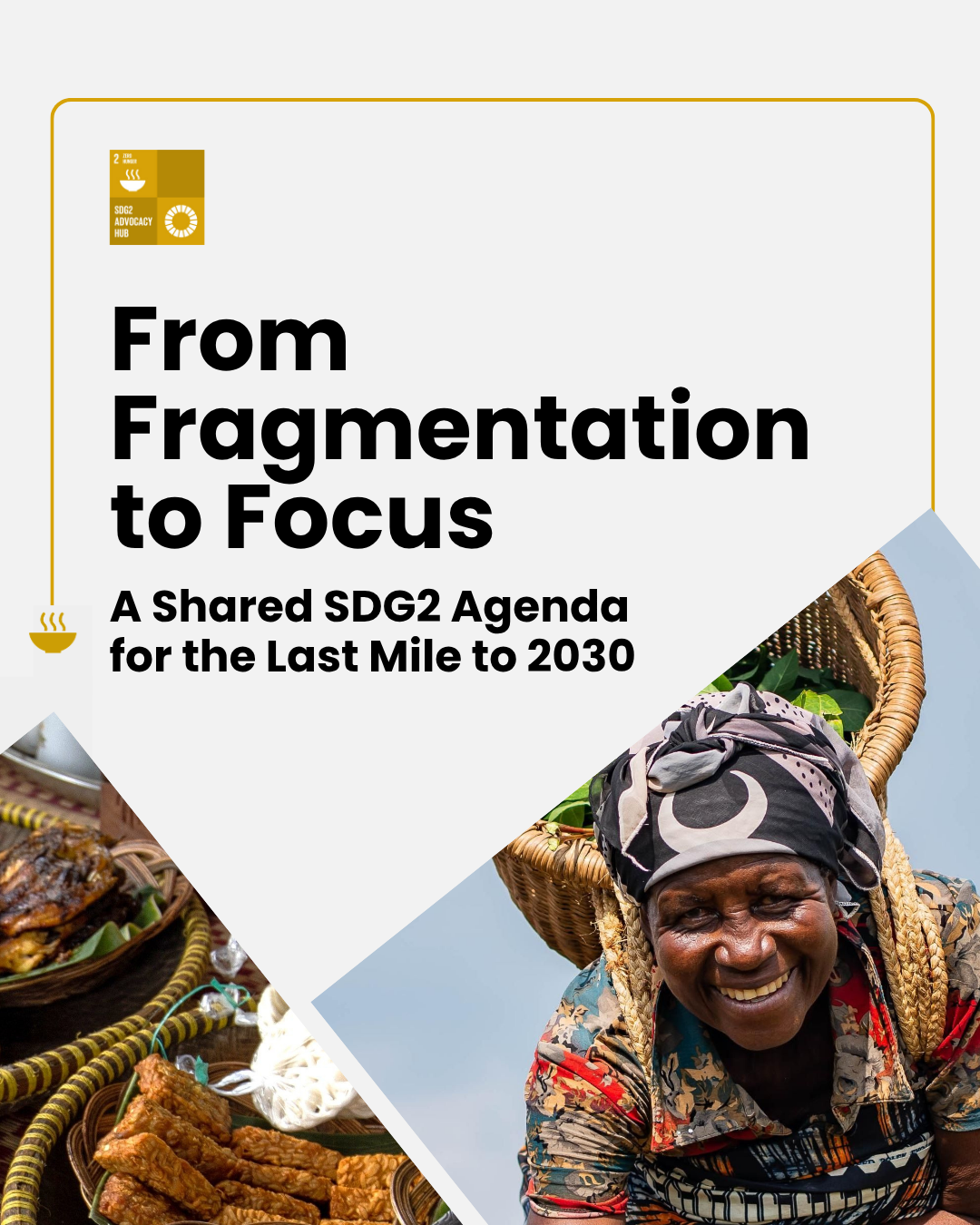
The years leading to 2030 will not be defined by whether we create more initiatives or make more declarations. They will be defined by whether we can align around a shared agenda, protect hard-won gains and scale the solutions we already know work.
The challenge is significant, but so is the opportunity. By investing in integrated approaches that connect nutrition, agriculture, climate resilience and rural livelihoods, we can deliver greater impact for people and better value for every dollar spent.
Transforming our food systems to deliver for people and planet is both a practical necessity and a moral imperative. It is fundamental to human dignity, economic prosperity and global stability. The path forward is clear. The question is whether we will choose to act together—and with the urgency this moment demands.