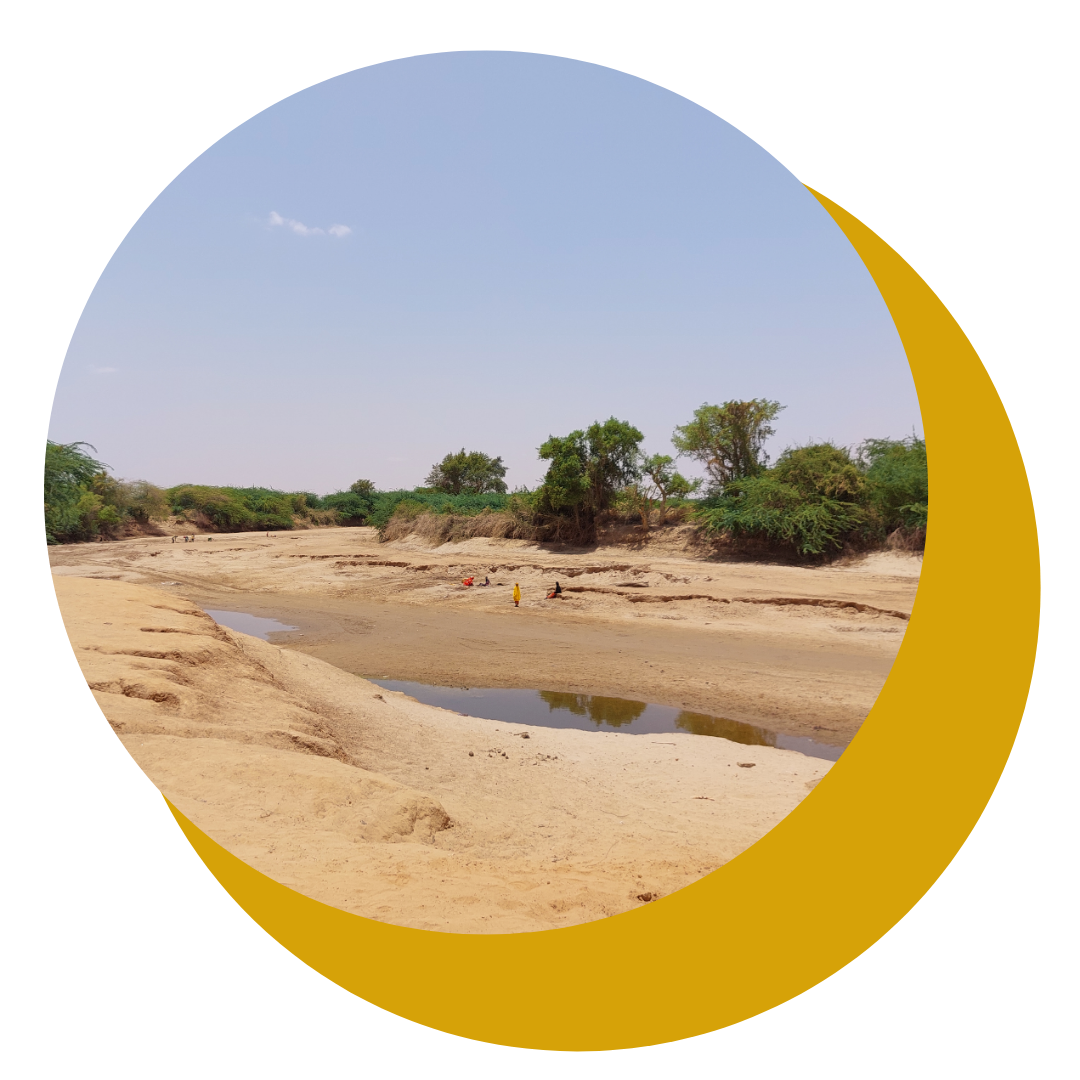
In Chiradzulu District, southern Malawi, the 2024 farming season brought disappointment. Late and short rains left maize fields stunted and grey.
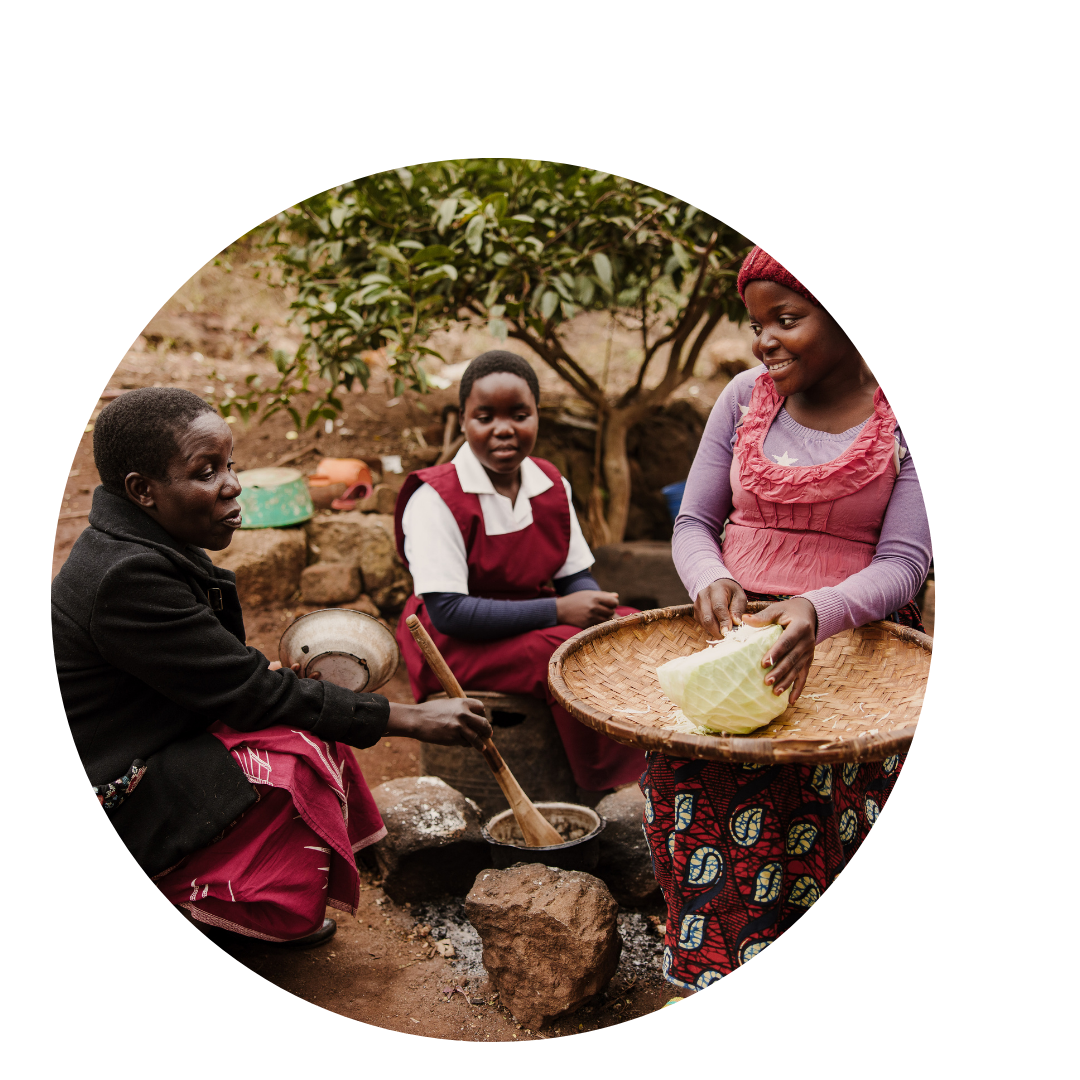
For Sarah, a small-scale farmer and mother of four, the drought was not an abstract climate event. It meant empty granaries, unpaid medical bills, and a daughter at risk of dropping out of school.
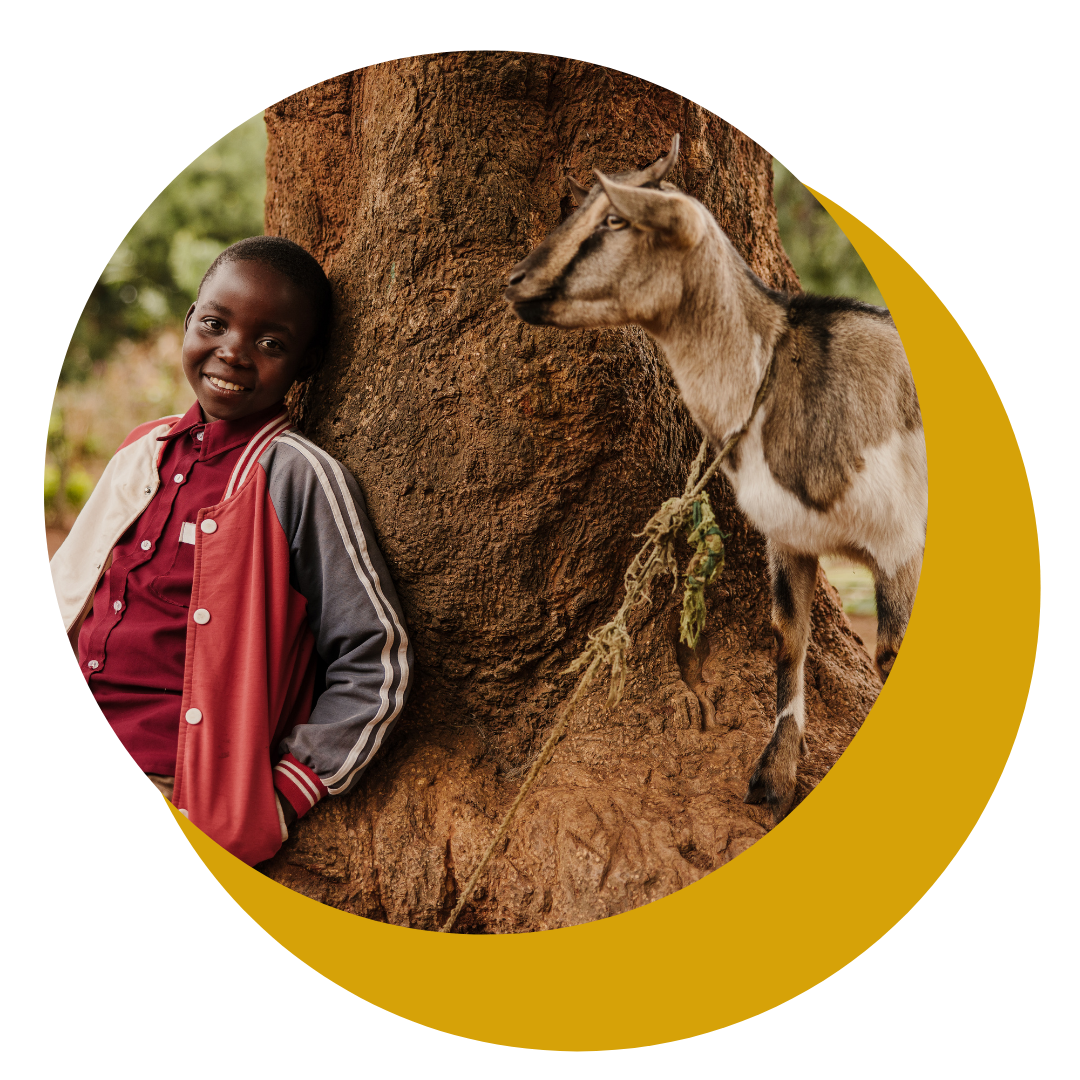
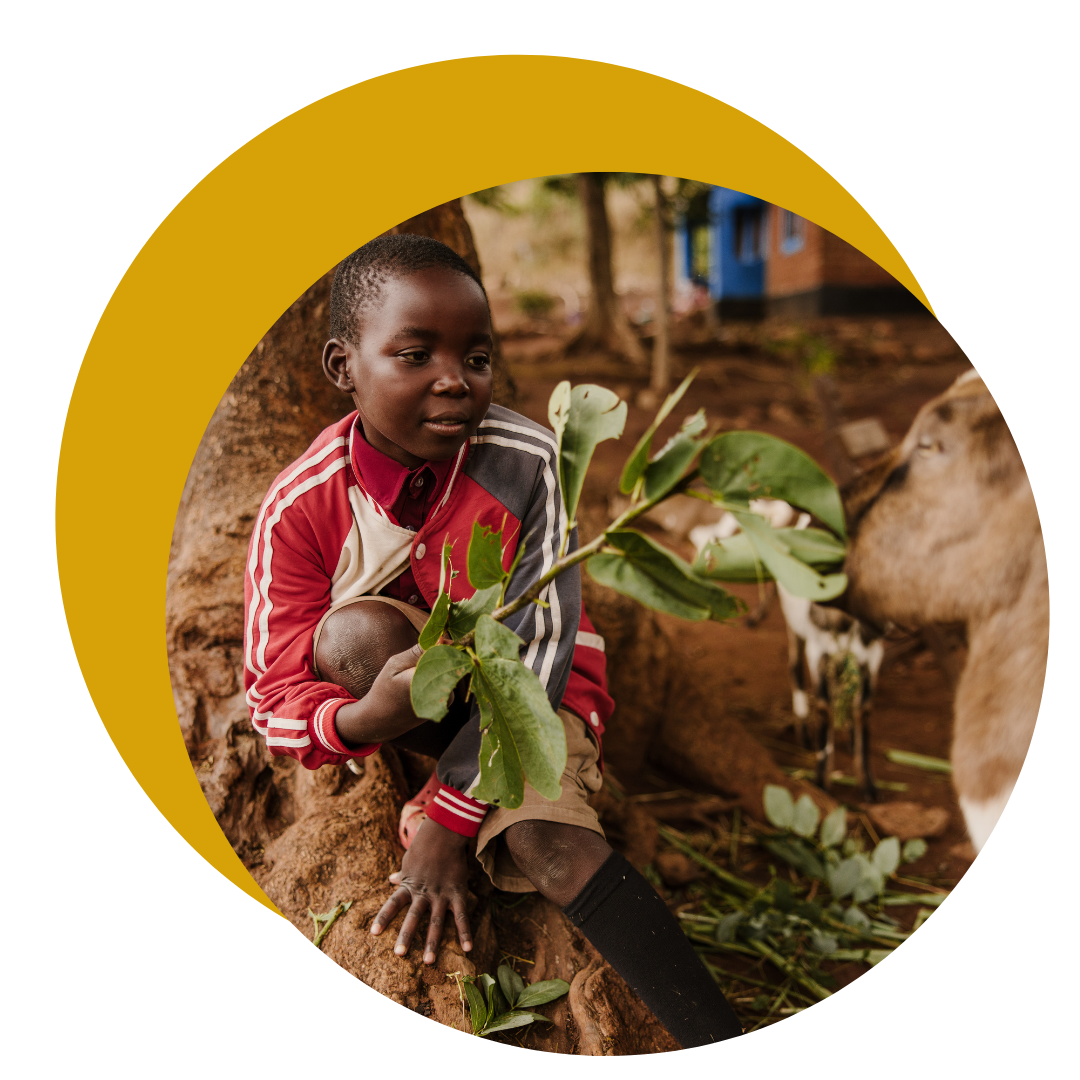
What stood between her family and crisis was six goats she had received several years earlier through a World Vision livestock pass-on programme. Anyone who received the goats had to commit to pass on three offspring to the next family waiting. By 2024, those six goats had grown to twenty.
As the maize failed, the herd became her safety net. She sold three goats at Mbulumbuzi Market for MWK 280,000 (a little less than USD 300), enough to pay school fees for her three children and cover urgent household needs. The remaining animals provided manure, which she used to fertilise a small vegetable garden she owned on the Namadzi riverbed. When she sold the vegetables, Sarah bought enough maize and other food items to last her until the next rain-fed harvest.
Her story is no exception. For millions of rural households, small livestock are not a secondary asset but the backbone of nutrition, income, and resilience.
As the world celebrates the International Year of Rangelands and Pastoralists, we have a unique chance to shift the conversation toward people, especially the smallholder farmers and pastoralists who feed their families and communities. Pastoralists refer to people who rely primarily on herding livestock and often move seasonally in search of pasture.
Too often, policy forums and climate negotiations focus only on livestock as sources of methane emissions, ignoring the realities and needs of those who depend on animals for survival and opportunity.
While environmental impacts must be addressed, policies must recognise and support livestock production where it underpins smallholder livelihoods and nutrition. By supporting locally adapted livestock systems, investing in veterinary care, and guaranteeing smallholders have a voice in policy, we can build food systems that nourish people and protect the planet.

The impact of small-scale livestock systems
Small-scale farmers produce a significant share of the world’s food. Estimates suggest there are more than 600 million small farms globally, supporting the livelihoods of over 2.5 billion people. In many low- and middle-income countries, smallholders produce between one-third and one-half of national food supplies. Livestock are vital to these systems.
In sub-Saharan Africa and parts of South Asia, small-scale producers supply most domestically consumed milk and a considerable share of meat. Informal dairy markets alone account for up to 80 per cent of milk distribution in some African countries, providing affordable nutrition to urban consumers while sustaining rural livelihoods.
Treating livestock as marginal in global food strategies therefore misunderstands both the scale and the structure of food production across much of the world.
Small-scale livestock in a climate-stressed world
Animal-source foods provide high-quality protein and essential micronutrients, including iron, zinc, and vitamin B12, that cereal-based diets often lack.
Globally, more than two billion people suffer from micronutrient deficiencies. In these situations, even modest consumption of milk, eggs, or meat can substantially improve dietary quality, particularly for young children and pregnant women.
Despite this evidence, national nutrition strategies and food-based dietary guidelines often overlook sustainable small-scale livestock systems.
Sarahi’s experience in Malawi shows a broader model. For small-scale farmers, livestock function as savings, insurance, and liquidity.
Climate change is intensifying droughts, floods, and heat stress. In many regions, crop failures are becoming more frequent. In a changing climate, livestock ownership often determines whether a household can absorb shocks or fall into chronic poverty. Additionally, raising animals in these regions aligns with existing pastures and therefore has minimal impact on environmental degradation.
In high-income countries characterised by overconsumption and industrial feedlot systems, there is a legitimate case for dietary adjustment plus efficiency gains. But when this narrative is applied indiscriminately to low-income, food-insecure contexts, it weakens the exact systems that help households survive climate shocks.
While Western countries have advanced social protection systems, in most poor countries, where climate change impacts are taking their toll, small-scale farmers face limited choices and more immediate calculations.
Reframing livestock in food systems transformation
If the objective is to end hunger and malnutrition while tackling climate change, policy must move past binary narratives.
In rangelands where cropping is not viable, well-managed pastoralism converts inedible grasses into nutrient-dense food while sustaining livelihoods across extensive areas. Likewise, in mixed farming systems, livestock integrate with crops to enhance soil fertility and diversify income.
Recognising these differences, policymakers should formulate evidence-based interventions tailored to local contexts, ensuring that livestock policies align with environmental, nutritional, and livelihood goals rather than applying uniform prescriptions.
Livestock at the heart of good food for all
Feeding 10 billion people while meeting climate goals demands more than increasing calorie supply. It demands access to multiple and nutritious diets, resilient rural livelihoods, and ecosystems capable of sustaining production under climate stress. Small-scale farmers and pastoralists are key to this agenda.
This international year of rangelands and pastoralists offers an opportunity to refocus and ensure policy wins deliver support for people most in need. Invest in inclusive livestock systems, strengthen rural infrastructure, and include local voices in decision-making. Take this moment to ensure that livestock and the people who depend on them are recognised as vital to securing good food for all.
By embedding pastoralist-centred strategies into national food systems pathways, aligning climate and nutrition frameworks, and investing in inclusive value chains, governments and partners can strengthen both resilience plus dietary quality.
The question is not whether livestock have a place in sustainable food systems. For much of the world, they already do. The real challenge is whether policy will recognise their value, invest intelligently, and ensure that the strength demonstrated by farmers like Sarah is backed rather than sidelined.