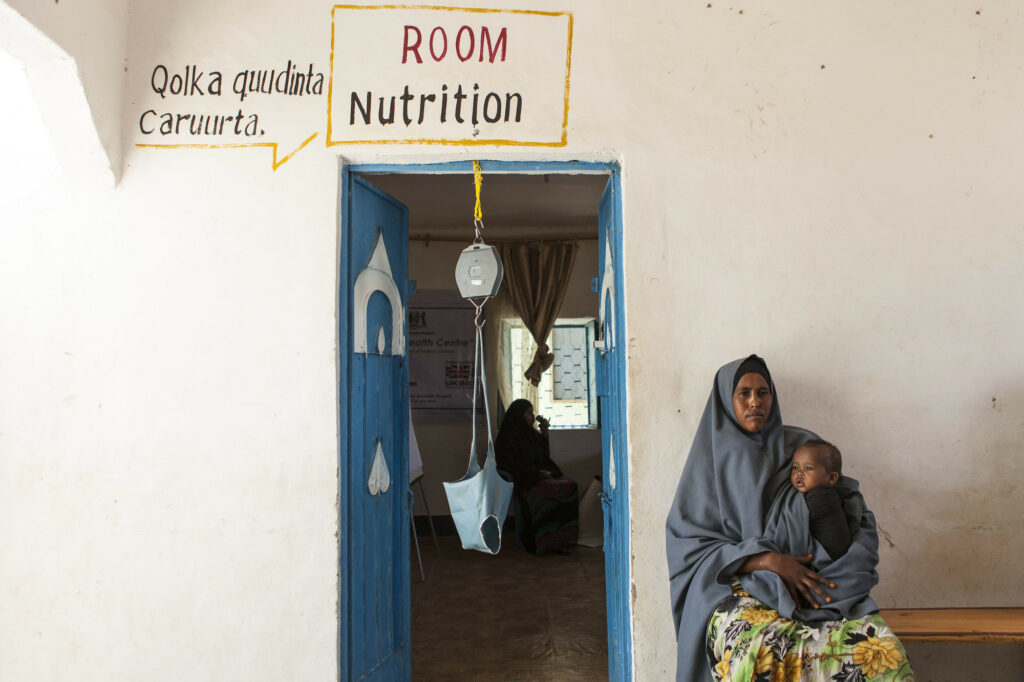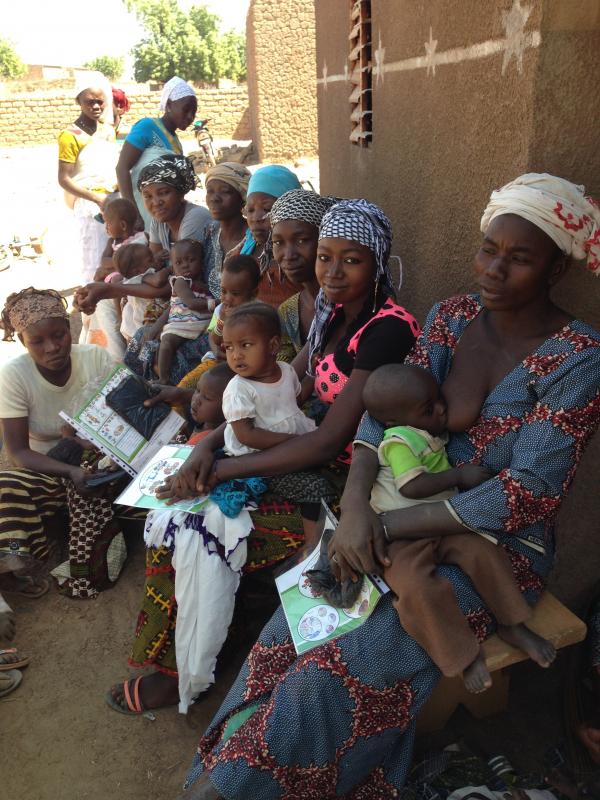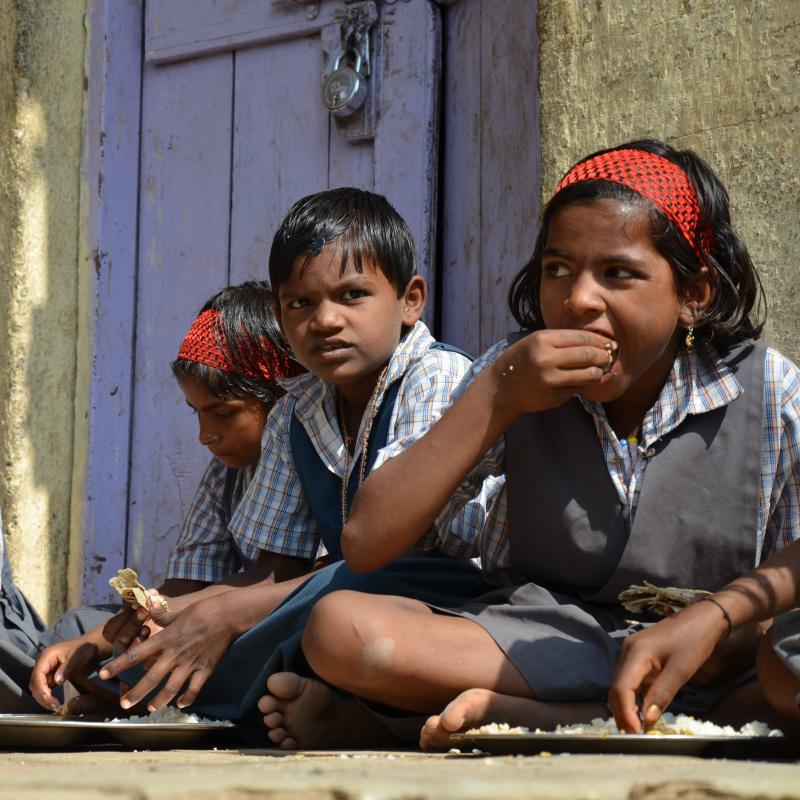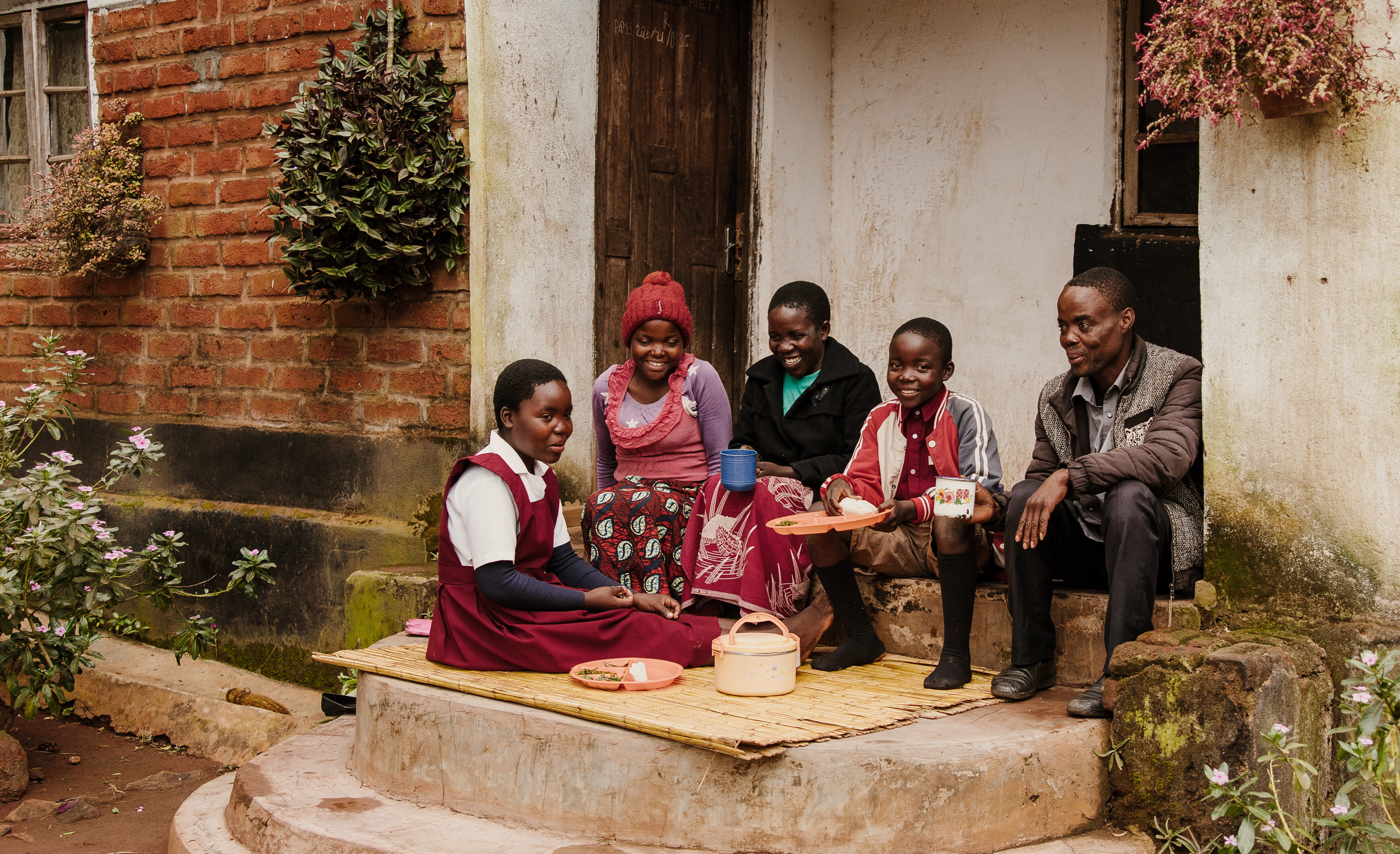
With just four years left to achieve the Sustainable Development Goals, the world is facing serious headwinds that risk reversing progress on food and nutrition security. Fragile food systems are failing to nourish people and the planet. 1 in 2 children under five and 2 in 3 women aged 15-49 years suffer from micronutrient deficiencies, or the lack of the essential vitamins and minerals needed for a healthy life. 2.6 billion people – more than a quarter of the world’s population – cannot afford a healthy diet. And trends are moving in the wrong direction: the rise in food prices in the last two years has increased the cost of nutritious foods and the overall cost of a healthy diet.
Urgent action is needed to scale up evidence-based and cost-effective solutions that safeguard nutrition and build resilience in communities on the frontlines of concurrent crises. With an extraordinary $27 return for every dollar invested, large scale food fortification – the inclusion of essential vitamins and minerals to everyday affordable foods – is hard to beat. Fortified rice, iodised salt and other fortified foods are a critical safety net, ensuring that even the most vulnerable populations have sufficient nutrients to survive and thrive. In an increasingly shock-prone world, the SDG2 Advocacy Hub (SDG2 Hub) sees the scaling up of large scale food fortification (LSFF) programmes and an enabling environment as central to achieving Goal 2.
Despite robust data on micronutrient deficiencies, their clinical consequences and economic cost, large scale food fortification remains a largely underutilised food solution to tackle this global challenge. Greater coordinated advocacy is needed to raise awareness and mobilise key stakeholders to translate this evidence into action on our plates – from policy makers who create an enabling environment for LSFF, to millers who produce locally relevant fortified foods at affordable prices, to consumers who incorporate fortified foods into their everyday meals.

LSFF advocacy at the WHA
On the sidelines of the World Health Assembly (WHA), the SDG2 Hub co-hosted an advocacy workshop with partners Future Fortified, the Global Alliance for Improved Nutrition, the International Federation for Spina Bifida and Hydrocephalus (IF), the Gates Foundation, the Global Alliance for the Prevention of Spina Bifida. Titled “Beyond the operating room: Advocacy for the Prevention of Neural Tube Defects through Food Fortification”, the workshop gathered neurosurgeons, physicians, development partners and other stakeholders to discuss what effective advocacy on large scale food fortification looks like in their contexts. It aimed to equip stakeholders with a deeper understanding of advocacy and movement building as well as the tools for its effective delivery – from crafting persuasive narratives and relational messaging, to the role of unlikely messengers and storytelling.
The workshop focused on ‘Seven Steps to Creating a Movement’, outlining how strong advocacy combines a shared ambition, a clear core message, trust, identity, diverse messengers, strategic timing and audience-centred communication. Together, these elements help transform large scale food fortification into a broader movement that resonates with different stakeholders, builds momentum across sectors, and drives lasting policy and social change to improve nutrition and public health at scale.
LSFF advocacy successes from around the world
To help bring these ‘Seven Steps’ to life, four case studies showcased how advocacy is already driving progress on the LSFF agenda. The case studies emphasised the importance of strategic partnerships and global movements, tailored messaging, profiling physicians and patients’ voices, and connecting advocacy on fortification with efforts to further social inclusion and human rights.
Dr Kemel Ghotme presented the example of advocacy to secure a Resolution on Large Scale Food Fortification at the WHA in 2023. Dr Kemel is a Colombian pediatric neurosurgeon, professor, researcher, and global health advocate. He is internationally recognised for spearheading initiatives in large-scale food fortification and advocacy to combat micronutrient deficiencies and prevent neural tube defects.
“We identified a WHA resolution as the right policy goal because the problem required more than awareness. It needed global political recognition, country ownership, and a formal mechanism to encourage implementation. For me, the resolution became a way to connect science with policy action. It created a shared language and a global mandate that countries and partners could use to accelerate progress.
The core message was clear: spina bifida (SB) is often preventable; food fortification works, and countries can act now using safe, effective, and scalable policies. We framed the issue not only as a matter of nutrition but also as the prevention of lifelong disability, the protection of children and families, and a matter of health equity. That helped different audiences understand why fortification matters.
The partnerships were essential. This effort brought together clinicians, researchers, nutrition experts, civil society, people affected by spina bifida and hydrocephalus, global health organizations, and country champions. Each partner contributed something different: scientific credibility, lived experience, technical expertise, advocacy capacity, or diplomatic access. The success came from aligning those different voices around one common goal, while allowing countries to lead the political process.”
Anđela Radovanović highlighted how advocacy on LSFF connects to and is strengthened by other advocacy efforts. Anđela is the IF Global Representative for Montenegro and a disability rights advocate, focused on addressing the misconceptions and stigmas around the spina bifida and hydrocephalus community.
“As a young advocate, I want to emphasise something important: prevention must always go hand in hand with dignity, rights, and inclusion. Persons with disabilities must never be reduced to statistics or medical outcomes. We are advocates and leaders, we are students, professionals, parents, and active members of society. Policies should empower us and the various communities with disabilities and protect our rights, never reinforce stigma or exclusion.”
Insights from the Geneva workshop
Workshop participants were struck by the mechanics of framing their advocacy message (communications, audience and positioning) that they hadn’t previously considered. Dr Kemel noted that the workshop “remind[ed] me that effective advocacy is not just about presenting evidence.”
They identified a need for a holistic view and narrative that balances prevention, treatment and advocacy, moving beyond narrowly medical or nutrition-focused narratives and toward a broader understanding of prevention as part of a human rights agenda. Lyudmil Ninov, Programme Manager at the IF, described it as a narrative that “speaks to equity, dignity, empowerment, and accessibility to wider audiences while balancing a rights-based approach that supports individuals and families throughout the life course. Clearer positioning and stronger storytelling were seen as essential to increasing public understanding and policy engagement.”
Reflecting on Anđela’s intervention, participants emphasised the need to speak about large-scale food fortification in human terms and ways to best communicate the human story. This included avoiding blame that is sometimes placed on mothers of people living with SB and leveraging doctors as storytellers who see first hand the impacts of micronutrient deficiencies.
To accelerate advocacy efforts on LSFF, discussants discussed engaging diverse stakeholders and building new partnerships, taking learnings from other sectors – e.g. how Rotary played a critical role in furthering the agenda of polio. For LSFF, a stronger global movement could help to bring together health, nutrition, and disability policies in a more coordinated and inclusive way to advance the prevention of neural tube defects.
Moving LSFF advocacy forward together
Large-scale food fortification is one of the most effective solutions for preventing micronutrient deficiencies and improving health and nutrition outcomes at scale. Yet achieving its full potential will require strategic, coordinated advocacy to accelerate adoption in the countries and communities that need it most.
Neurosurgeons, physicians and disability rights advocates have a critical role to play. Alongside their technical expertise, they bring powerful lived experience, trusted voices and compelling stories that can make the case for action. Supported by clear narratives, strong partnerships and strategic engagement, these unlikely messengers can help shift policy, shape public discourse and build the momentum needed for lasting change.
This is where the SDG2 Advocacy Hub plays a unique role. By connecting evidence with advocacy, convening diverse stakeholders and building movements around shared ambition, the Hub is helping turn proven solutions into political and public priorities. As we look towards 2030, we will continue to catalyse global action on large-scale food fortification by amplifying voices, forging partnerships and driving the advocacy needed to deliver impact at scale. Join us.