Rome Nutrition Week convened researchers, Parliamentarians, civil society and Member States in Rome to address escalating global food insecurity and malnutrition.
The annual event emphasised the urgent need for integrated action, increased investment, and sustainable financing to strengthen resilient food systems to nourish people and the planet. Key stakeholders advocated for unified political commitment, innovative solutions, and cross-sector collaboration to tackle ongoing and emerging food crises.
UN Food Agencies in Rome Warn of Worsening Global Hunger and Malnutrition Crises
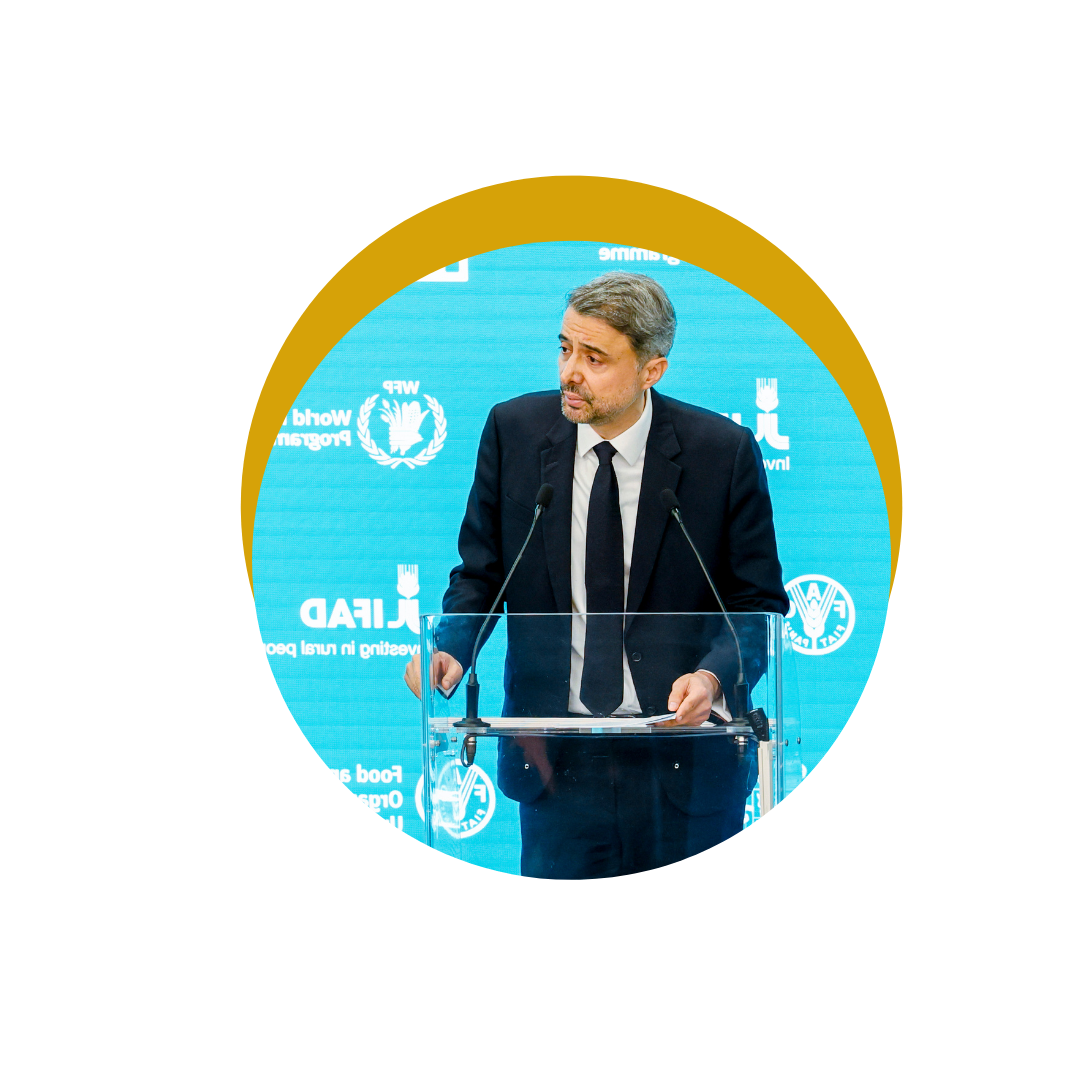
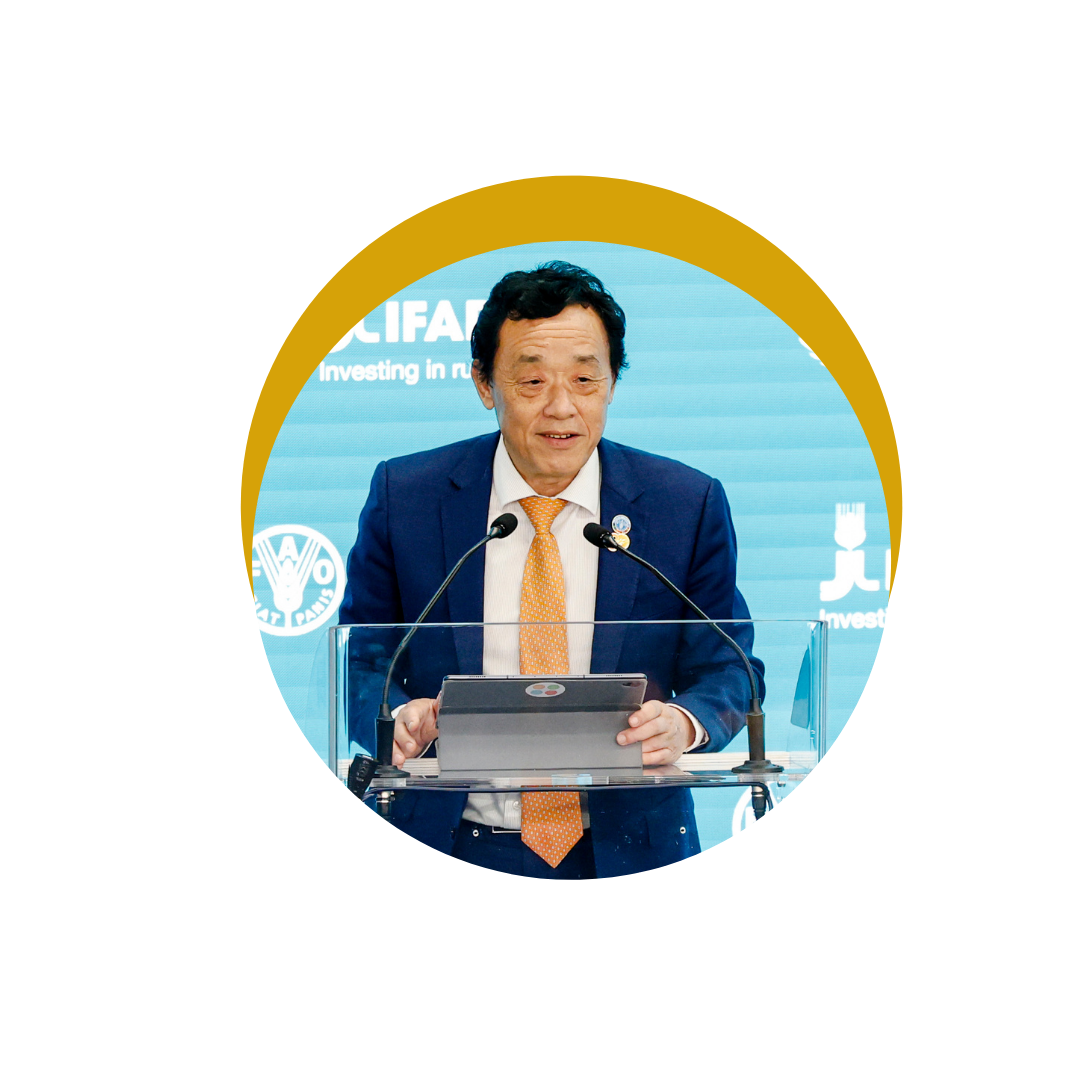
A high-level session on “Food Security & Nutrition under Pressure” highlighted how conflict, climate change, and economic instability are intensifying threats to global food systems. Food and Agriculture Organisation Director-General Qu Dongyu warned of “profound fragility and shocks to global agrifood systems,” stressing that fuel, fertiliser, and energy disruptions are severely impacting food production worldwide. International Fund for Agricultural Development President Alvaro Lario emphasised the vulnerability of smallholder farmers and called for increased investment in rural communities to build resilience.
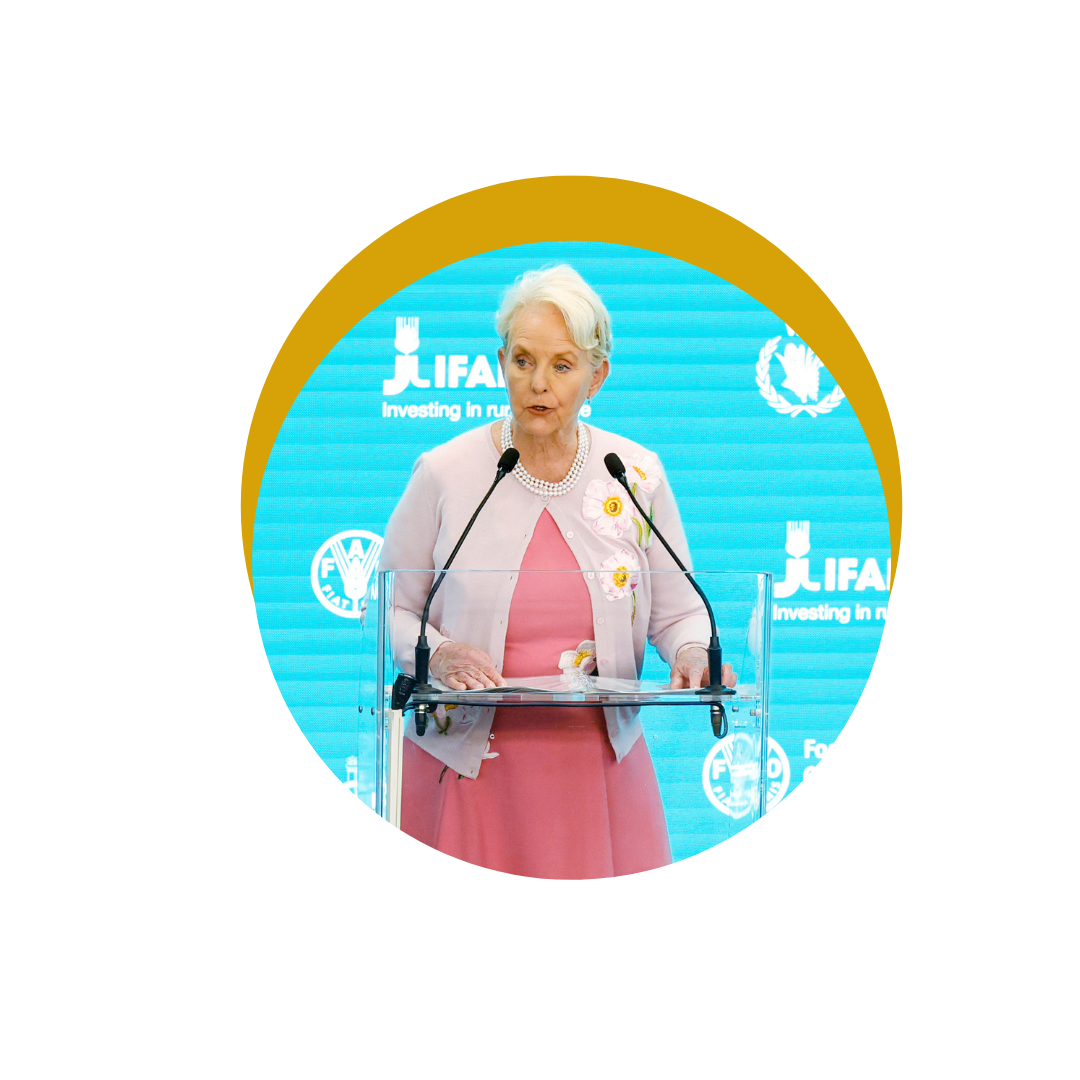
World Food Programme Executive Director Cindy McCain issued a stark warning about the worsening global food crisis, projecting that acute food insecurity could affect an additional 45 million people by June if urgent interventions are not implemented.
“The world is sleepwalking into a hunger and malnutrition emergency that could devastate economies, destabilise communities, and jeopardise an entire generation,” she cautioned.
Spain’s pleas for humanity
Spain’s President Pedro Sánchez highlighted that hunger and malnutrition violate children’s rights, causing irreversible damage to health, education, and future opportunities.
“A hungry child doesn’t stop going to school because they can’t study, but because their brain is simply trying to survive the day. Hungry children speak less, play less,” President Sánchez said, stressing that “malnutrition robs not only thousands of children of their potential, but also threatens the future for generations to come.”
He called on world leaders to mobilise the same determination to fight hunger as they do to prevent conflict, insisting, “We have the means, resources, and science. The question is, why not act now?” President Sánchez outlined five priority action areas: fair agricultural trade, improved access to fertilisers and efficient water use, greater inclusion of women and youth in agriculture, a One Health approach, and targeted technological innovation.

Shaping the future for joint nutrition action
One message was repeatedly echoed across Rome Nutrition Week sessions: integration must be the new way of working. In the opening plenary, FAO’s Corrina Hawkes stressed that “nutrition cannot be delivered by health policy alone.”
“Agricultural investments that ignore nutrition leave money on the table and people behind,” remarked Pieternel Boogaard, Managing Director of IFAD’s Office of Technical Delivery. Similarly, UNEP’s Sharon Gill identified shifting diets and reducing food loss and waste as the most impactful interventions for climate mitigation.
Released on the final day and on World Nutrition Day, the 2026 Global Nutrition Report highlights the need for coordinated action to address the problem. The report publishes new analysis to support countries in building resilience in food and health systems to compounding shocks and navigate the trade-offs and synergies.



Integrated nutrition financing: Scaling up solutions
A pivotal roundtable on “Integrated Nutrition Financing” brought together governments, multilateral organisations, and civil society to discuss how the global community can maximise existing resources by improving and intentionally integrating nutrition across sectors, translating into better nutrition outcomes. Dr. Andrea Galante, Senior Advisor at World Vision International, warned that a 20% global cut in ODA health financing could cause up to 12 million additional child deaths by 2045, underscoring the urgency for mobilising new investments for nutrition.
Several countries are pioneering integrated nutrition financing solutions. Zambia integrates funding across sectors to directly benefit local communities. Pakistan optimises nutrition indicators for public financing and improves coordination. Brazil’s school-feeding model sources 45% of food from family farmers, demonstrating the benefits of stable financing and local resilience. Ethiopia aligns donors and stakeholders with national nutrition priorities, exemplifying national ownership. These national strategies highlight global commitment to maximising finance, fostering innovation, and embedding nutrition into comprehensive development agendas.
Initiatives such as the Global Alliance Against Hunger and Poverty and the Global Compact on Nutrition Integration can play a critical role in accelerating nutrition financing. Germany highlighted the importance of aligning investments with national plans and strengthening systems.
Despite progress, significant funding gaps persist. Asma Lateef, Chief of Policy and Advocacy Impact at the SDG2 Advocacy Hub, stressed the need to strengthen national financial tracking, data systems, and coordination to improve the impact of nutrition financing. She called for a shift from siloed projects to fully integrated, budget-tagged nutrition actions within national systems.
For the SDG2 community, the Micronutrient Forum’s 7th Global Conference to be held in Ghana offers a key opportunity to assess progress and commitments on nutrition financing.