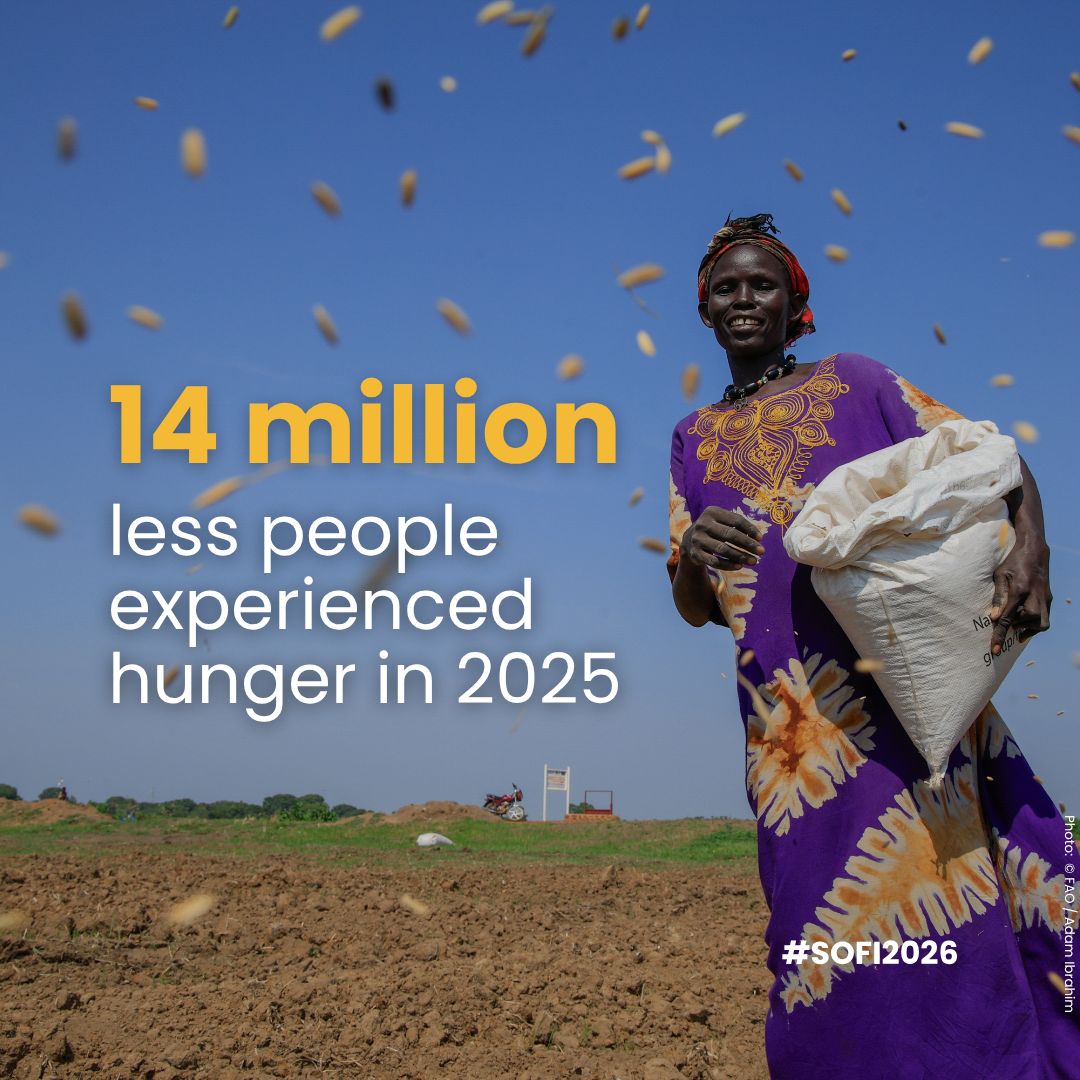
There is positive news: global hunger has decreased for the third consecutive year, with 645 million people, or 7.8% of the global population, facing hunger in 2025.
This is 14 million people less than in 2024, demonstrating that bold and targeted actions are effective. However, far too many people still go to bed hungry, and even more cannot afford a healthy diet due to its high cost.
While the report shows that progress is possible, FAO Director-General QU Dongyu says, “we must move faster,” stressing that ending hunger and making healthy diets affordable require political commitment, sustained investment, and enabling policies.
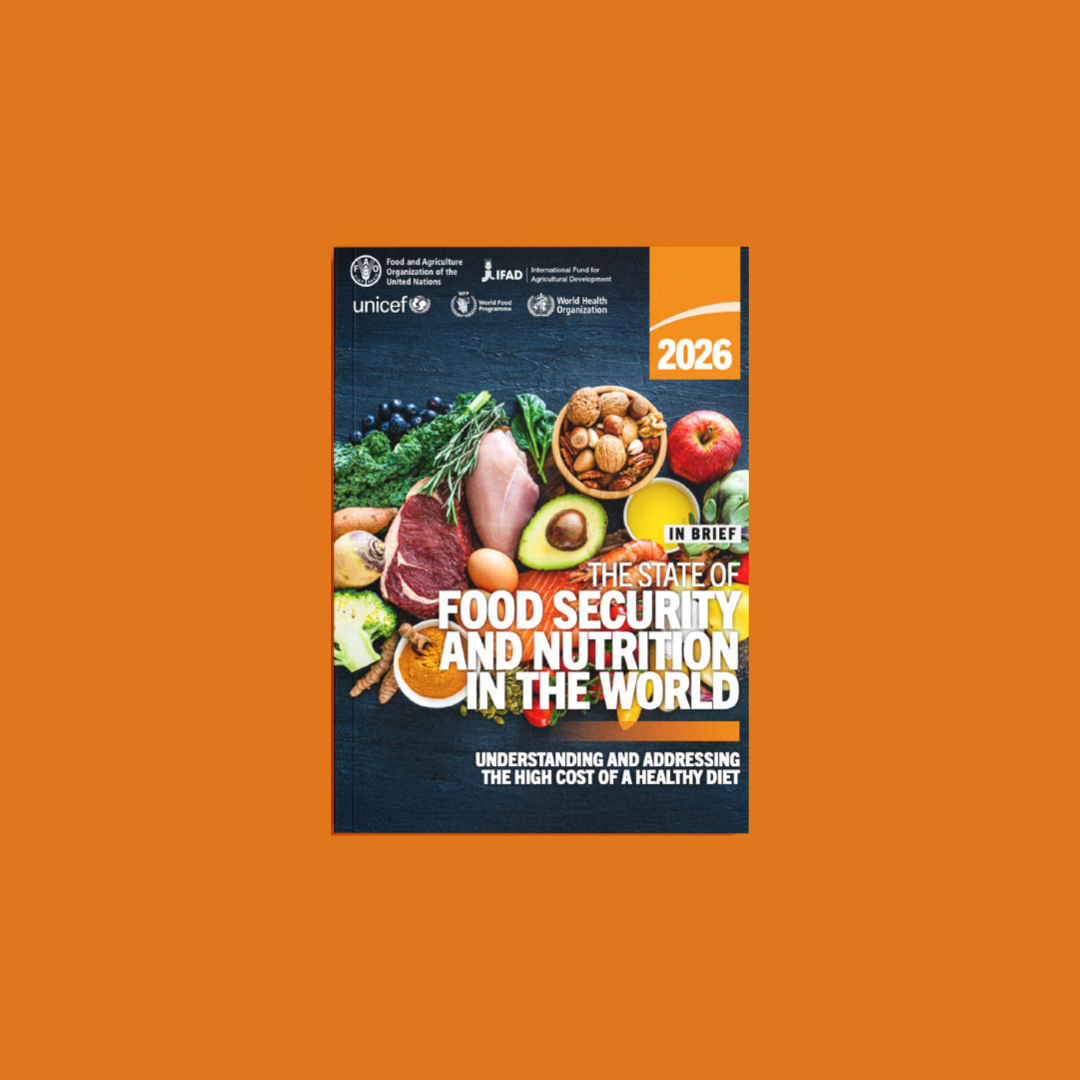
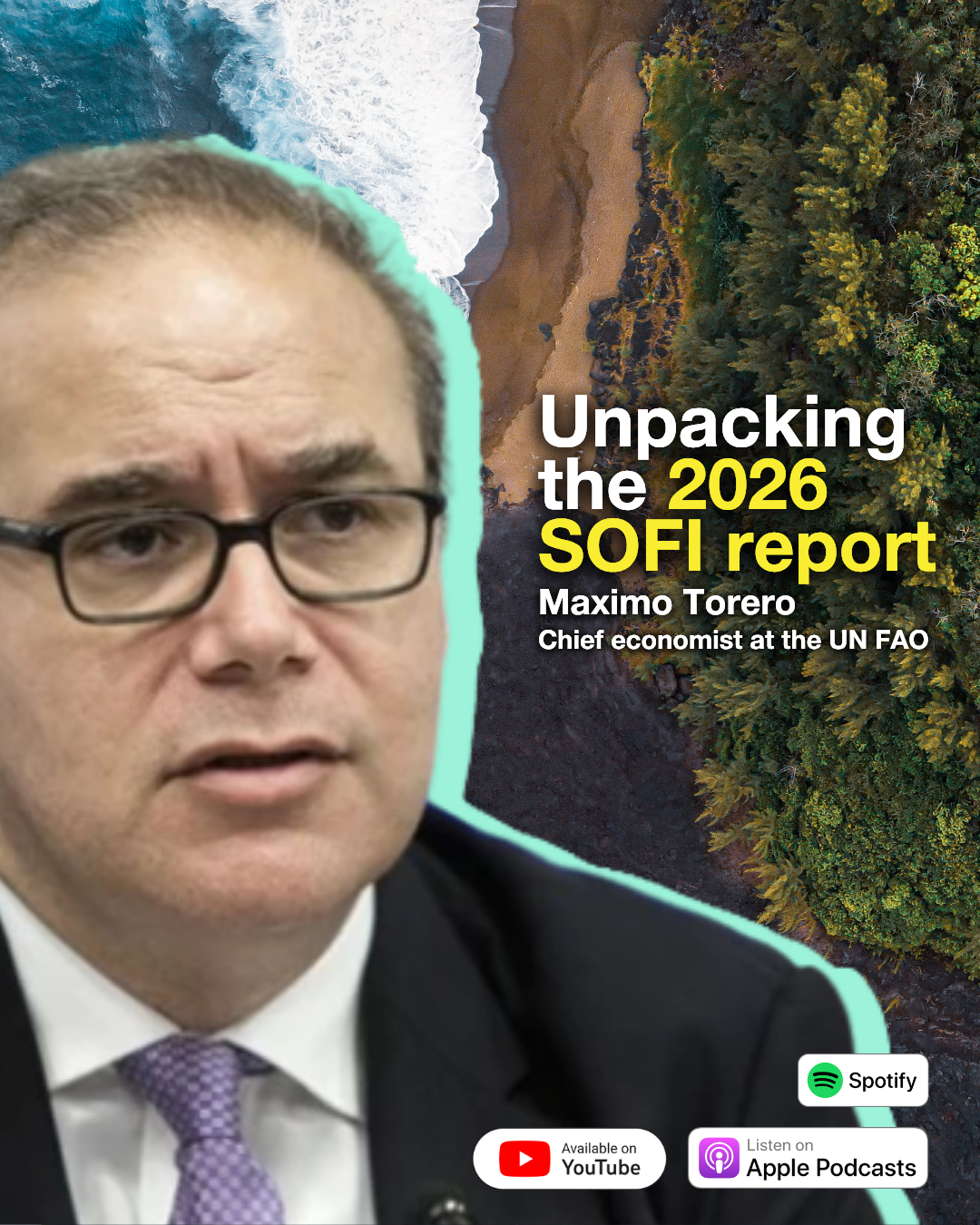
SOFI is an annual report co-authored by five UN agencies: the International Fund for Agricultural Development, the World Food Programme, the World Health Organisation, the Food and Agriculture Organisation and the UN Children’s Fund. It is a crucial stocktake of global progress toward achieving SDG2.1: Zero Hunger and SDG2.2: End all forms of malnutrition, and of where further effort is needed to accomplish these goals.
What are the report’s key findings?
For the third consecutive year, global hunger has declined, demonstrating that bold, targeted interventions across food systems can lead to real progress
- In 2025, as many as 645 million people went to bed hungry.
- For the first time, the majority of the world’s hungry people live on the African continent, with an estimated 309 million people affected. This trend is expected to persist until 2030, when 56% of the world’s hungry people will reside in the region. Urgent action is required to accelerate food systems transformation and expand cost-effective solutions to address hunger and malnutrition, and ensure affordable, healthy diets in Africa.
The cost of a healthy diet has risen by 25% since 2021.
- The average estimated cost of a healthy diet is now US$4.28 per person per day, reflecting the lowest-cost set of locally available foods needed to meet nutritional needs.
- The cost of a healthy diet is especially unaffordable for those most at risk, which deepens inequalities, leads to poor nutritional outcomes and undermines progress towards SDG2. The average cost surpasses the international poverty line of $3 per person per day, highlighting the affordability gap faced by billions.
- Globally, one in three people cannot afford to eat healthily. The proportion of people unable to afford a healthy diet is highest in Africa, at 66.6%, double that of other regions.
SOFI 2026 shows that bold, targeted interventions within food systems and greater collaboration can lower the cost of a healthy diet and drive progress towards ending hunger. Healthy food does not have to be so expensive. The factors that influence costs are known, as are many of the solutions.
- High-impact solutions to sustainably reduce the cost of a healthy diet across food systems already exist, such as repurposing agricultural subsidies or improving roads and cold storage. However, these solutions must be tailored to local needs and scaled up to ensure no one is left behind.
- Legumes offer an affordable and scalable pathway to nutritious diets, but greater investment in research, processing and storage is essential to realise their full potential.
See Related Posts

The State of Food Security and Nutrition in the World (SOFI) 2024 Report
The State of Food Security and Nutrition in the World (SOFI 2024 Report