The World Farmers Organisation Annual Meeting 2026 convened global stakeholders, including farmers, policymakers, researchers, and partners, in Nairobi to remind the world that progress in food systems depends on placing farmers and their organisations at the centre of action.
Under the theme “Future Fields: Investing in Farmers’ Organisations and Empowering Communities for Sustainable Agriculture”, the summit probed the bottlenecks that prevent government policy commitments from reaching smallholders, pastoralists and rural communities.
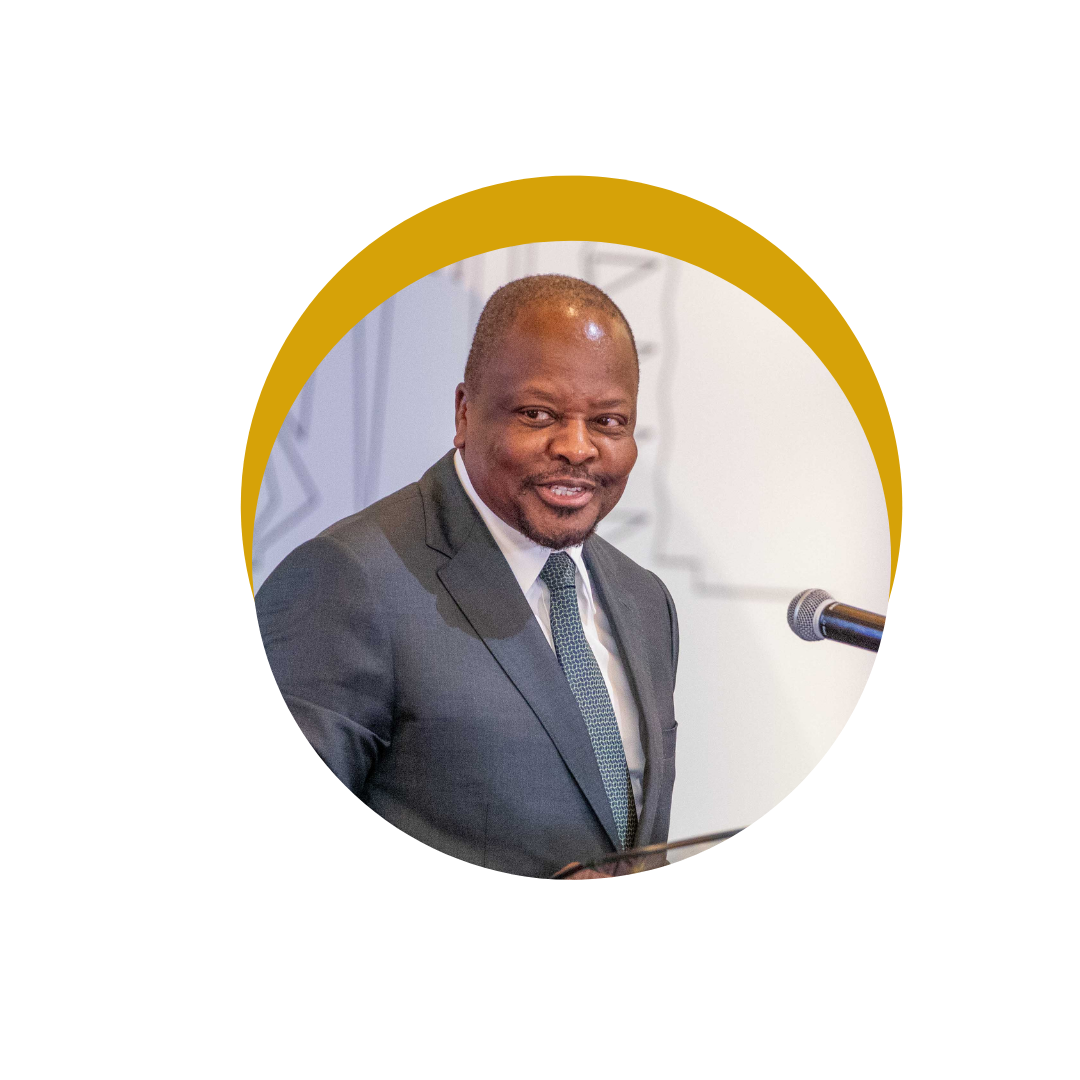
Opening the summit, Mutahi Kagwe, Cabinet Secretary for Agriculture and Livestock Development, Kenya, appealed for farmer-centric policymaking that uplifts their health and livelihoods, rather than focusing solely on what they produce. As food and nutrition insecurity continues to grow, especially in rural communities, global and local policy and practice must shift to be fair and equitable for farmers.
“For too long, our conversations have focused on what the farmer produces, the markets available to the farmer, the technology available to the farmer, the financing available to the farmer, and the systems surrounding the farmer. Yet we have not paid sufficient attention to the farmers themselves. The farmer has become the missing centre in discussions about agriculture”, worried Minister Kagwe.
In an age when technology is opening new frontiers, the Minister said this would only be meaningful if it reached the hands of the farmers who are critical to feeding a growing population.
“Technology must empower the farmer, not replace them; close inequality and not widen it. Researchers need to get their work out of books and into the hands of the farmers who need it most”.
As discussions unfolded, inclusive trade emerged as a critical lever connecting policy to practical outcomes for farmers. Speakers argued that trade rules, shaped with active participation from Farmers’ Organisations, can unlock stable markets, improve farmers’ incomes, and create the predictability needed for long-term investment in sustainable agriculture.
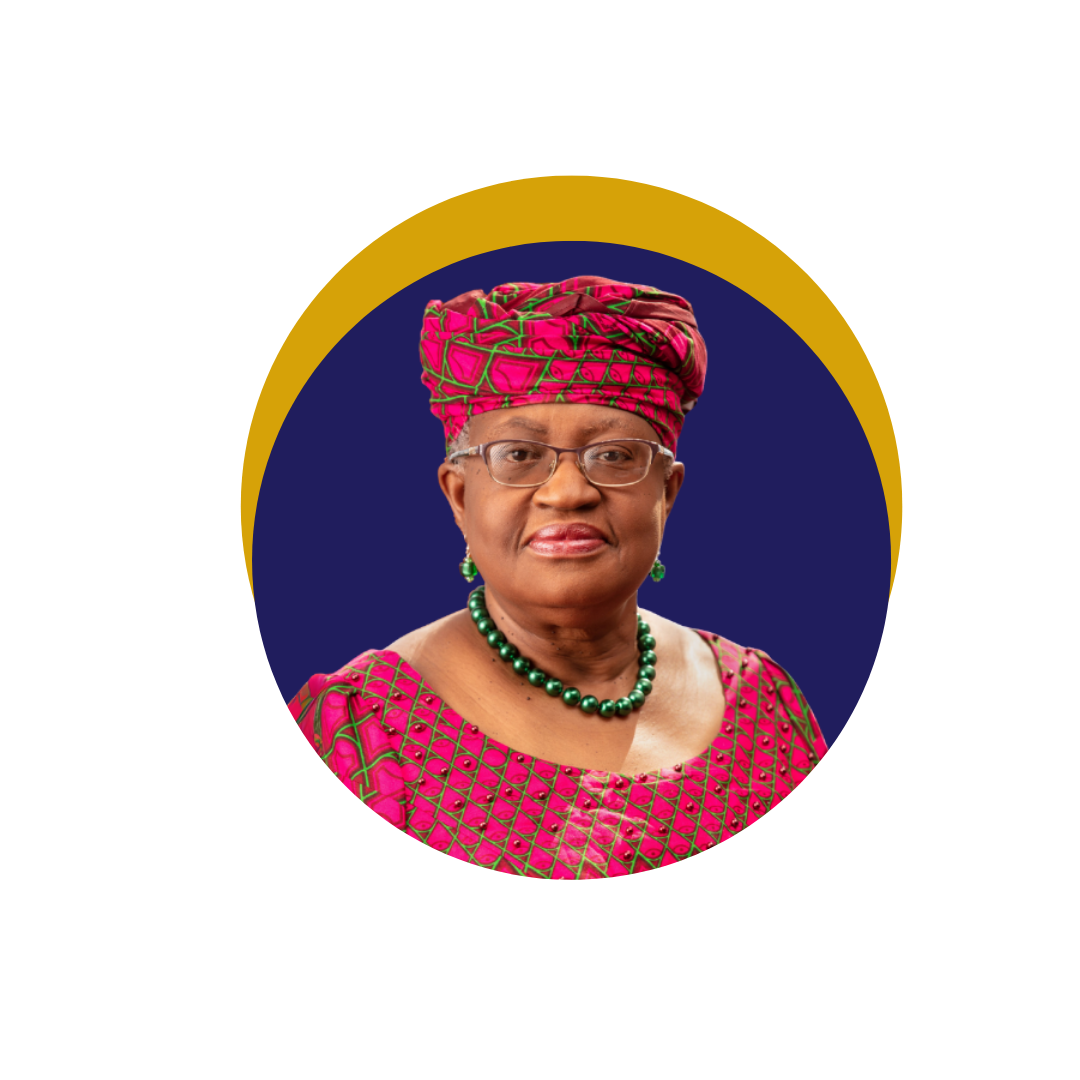
Against the backdrop of the Middle East conflict threatening humanitarian work and fertiliser flows, World Trade Organisation Director General Ngozi Okonjo-Iweala stressed that farmers’ organisations can support diplomatic efforts to de-escalate tensions and urge governments to refrain from trade restrictions that risk destabilising food, fertiliser, and fuel markets.
Building on the importance of trade, the summit also turned to climate finance, which was equally central in the discussions as farmers shared experiences of water scarcity and structural barriers that keep resources out of smallholders’ hands. Financial instruments must be redesigned to channel funds at scale through trusted intermediaries, and strong Farmers’ Organisations offer a great opportunity. These institutions, as documented in this IFAD multicountry survey, can aggregate demand, reduce investor risk and ensure resources reach the last mile, the farmer.
International Fund for Agricultural Development President Álvaro Lario called farmer organisations an opportunity for shared progress. “By working together, the world has a clear opportunity to move from fragmented support to systemic investment in rural economies. This coordinated approach will help unlock the full potential of farmers’ organisations and value chains.”
Scaling Regenerative Agriculture
Transitioning from finance to practical action, the meeting showcased practical pathways for regenerative agriculture and climate-smart farming. Panels highlighted how farmer-led partnerships, blended finance, and locally tailored incentives can scale soil health, landscape restoration, and resilient agricultural practices. Case studies from Kenya demonstrated that adapting global standards to local contexts with farmers in the lead improves implementation and delivers environmental and social benefits alongside productivity gains.
Women Leading Change
Across much of Africa, millions of women toil on farms that yield little financial return, despite their immense contribution to food security. While they form the backbone of small-scale agriculture, they remain the least rewarded.
Further building on the theme of inclusivity, and as the world celebrates International Year of the Woman Farmer, sessions at the forum emphasised moving from inclusion to influence, ensuring women not only participate but also co-design policies, access finance, and hold leadership positions within Farmers’ Organisations.
With women farmers often overlooked in leadership spaces, the discussion was a timely reminder to policymakers of the need to break down barriers and work with political leaders to make this a reality across the family, community, and other levers of power to invest in viable career pathways in agriculture and access to digital technology for the sector’s long-term vitality.
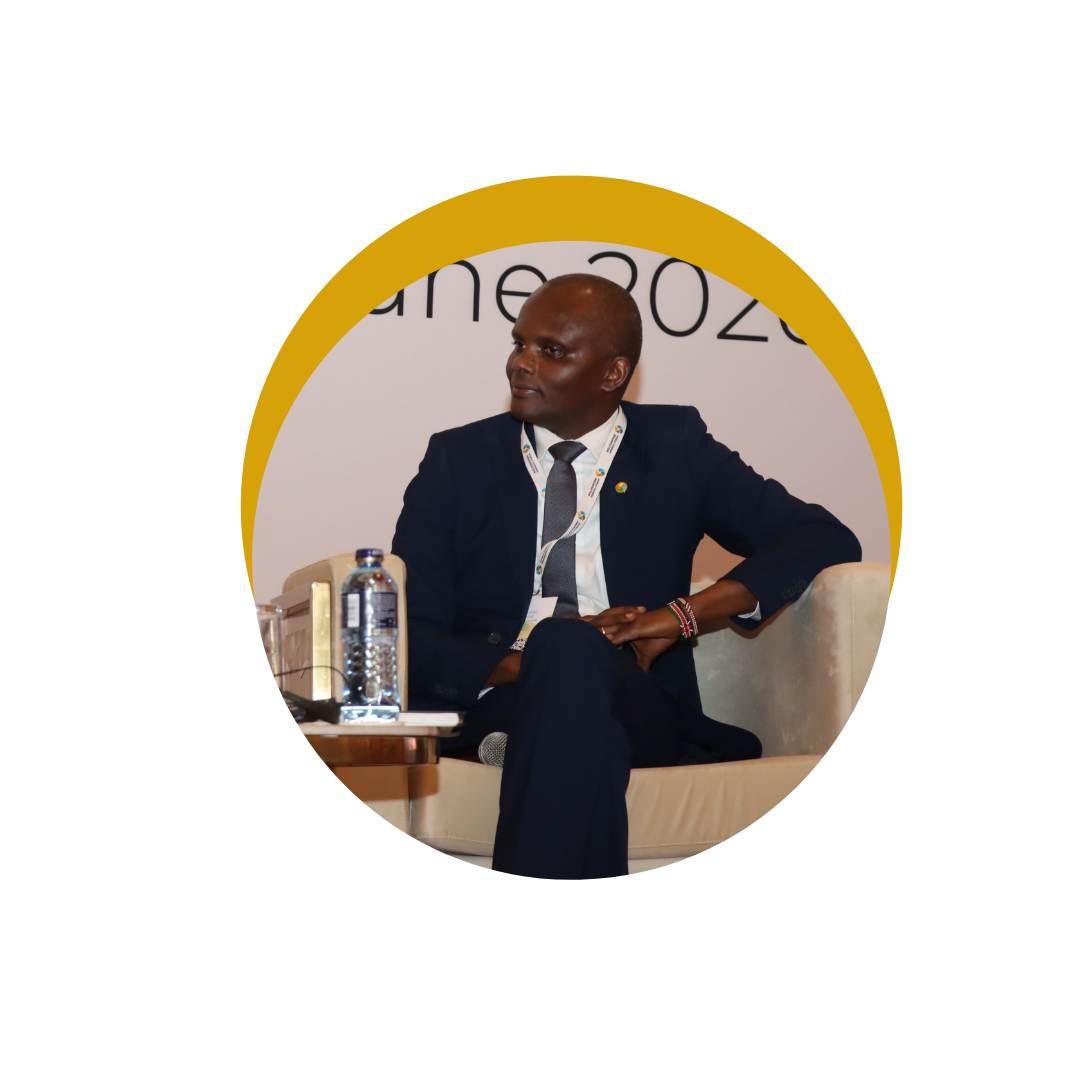
Kaburu M’Ribu, Board Chair of the Kenya National Farmers’ Federation (KENAFF), made a strong case for the role of Agriculture. “Strong communities create strong nations. When farmers thrive, communities prosper. When communities prosper, nations grow stronger. And when farmers lead, the future is secure.”


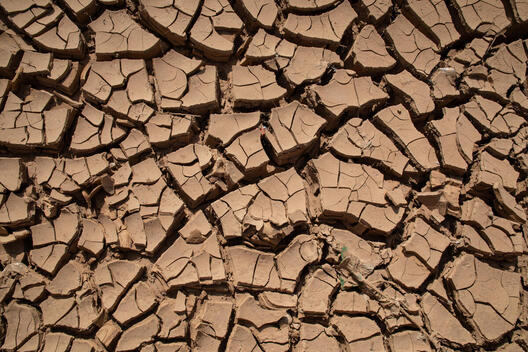
As Climate Change Worsens, Farmers Hunger for Action
As Climate Change Worsens, Farmers are Hunger for Action