Diverse, sustainable diets are key to transforming our food systems for the better. We all have a role to play in promoting diverse, nutritious, and planet-friendly foods. Beans, with their thousands of varieties across the world, are a perfect example of delicious, nutritious climate friendly food!
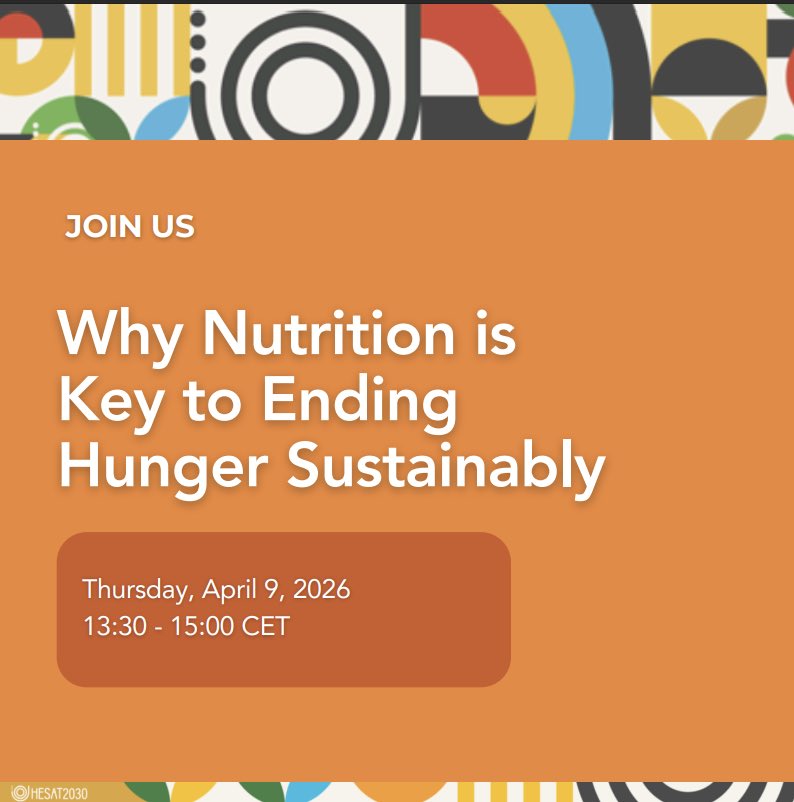
Join us as we launch our World Food Day digital activation, celebrating the incredible diversity and benefits of beans! Along with partners from around the world, we will highlight bean varieties across countries – lesser known, heirloom, newer and local.
From recipes to interviews with chefs, researchers, producers, farmers and more – we are set to showcase the role of beans in building a healthier, more sustainable future.
ACCESS TO FOOD FOR A BETTER FUTURE
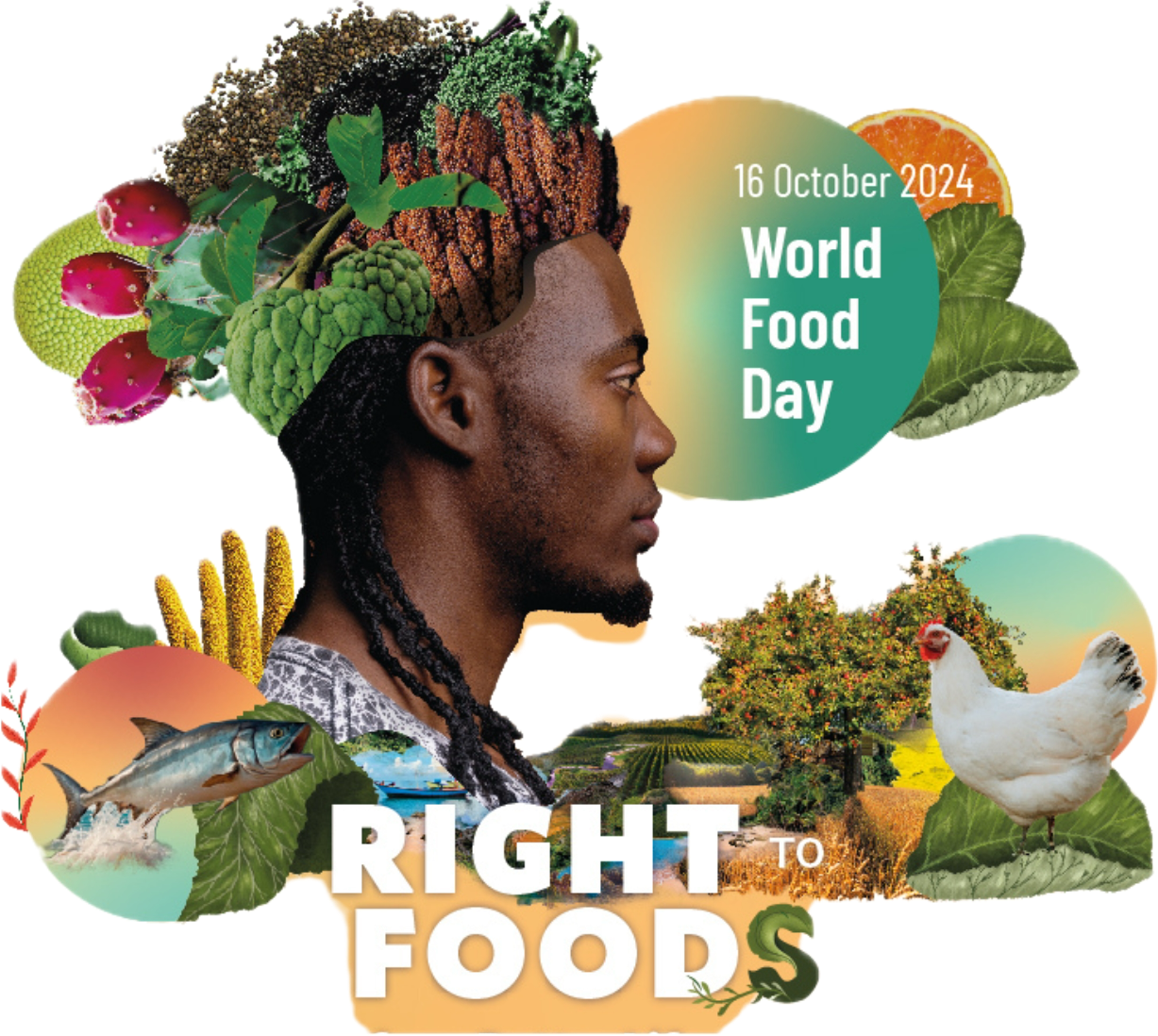
This year, World Food Day will focus on the theme of the right to foods for a better life and a better future, which delves into why diversity and sustainable healthy diets are critical for both people and the planet.
Good for people and the planet, sustainable healthy diets are a vital aspect of food systems transformation and ensuring good for for all. Sadly, not everyone has access to this. Millions of people around the world struggle to access quality, nutritious food. 2.8 billion people could not afford a healthy diet in 2023 and food prices increases drove up the average cost of a healthy diet globally.
We need to make affordable and nutritious food accessible to all.
WHY BEANS AND PULSES?
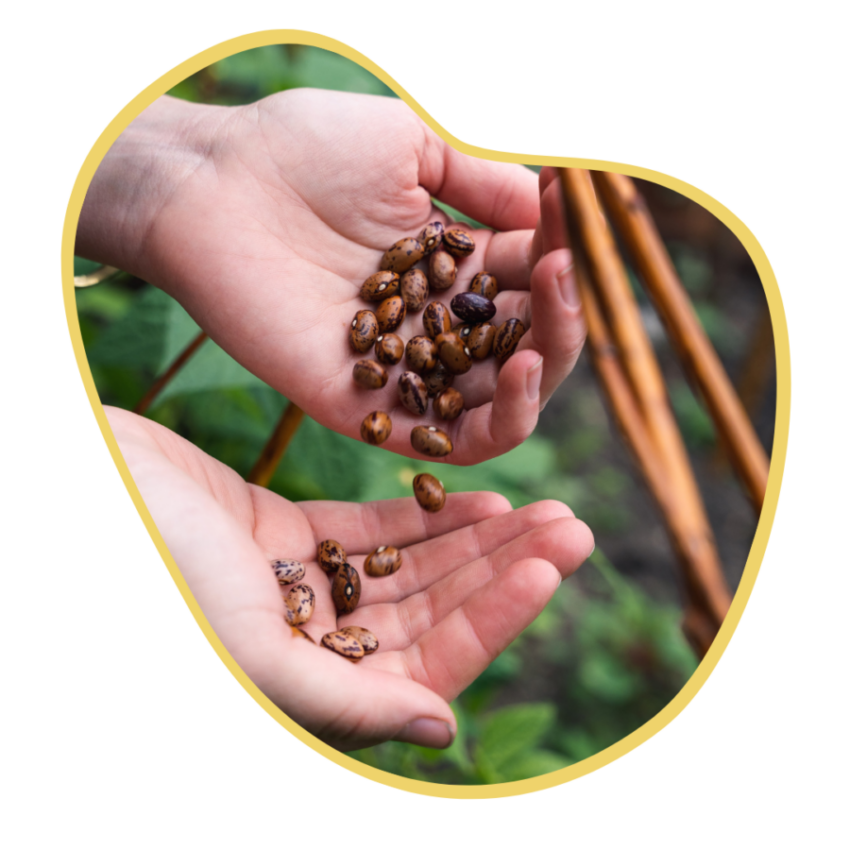
Beans and other pulses play a vital role in this fight: they come in thousands of varieties, are found in cuisines around the world and are packed with protein, fiber, and essential nutrients. Including beans in crop rotation can benefit soil health and also help improve biodiversity. They also thrive in arid regions, have a long shelf life and are affordable and convenient in the many packaging options available for any lifestyle.

THE BEAN MARKETPLACE
Beans have been part of many global cuisines for millennia. They can be prepared and incorporated into a variety of foods including meals, desserts, snacks, sauces, spreads and even beverages. With almost 38,000 genetic varieties, eating local varieties and encouraging sustainable pulse agriculture can promote biodiversity and provide a range of delicious tastes and nutritional properties.
GROWING AND PRODUCING
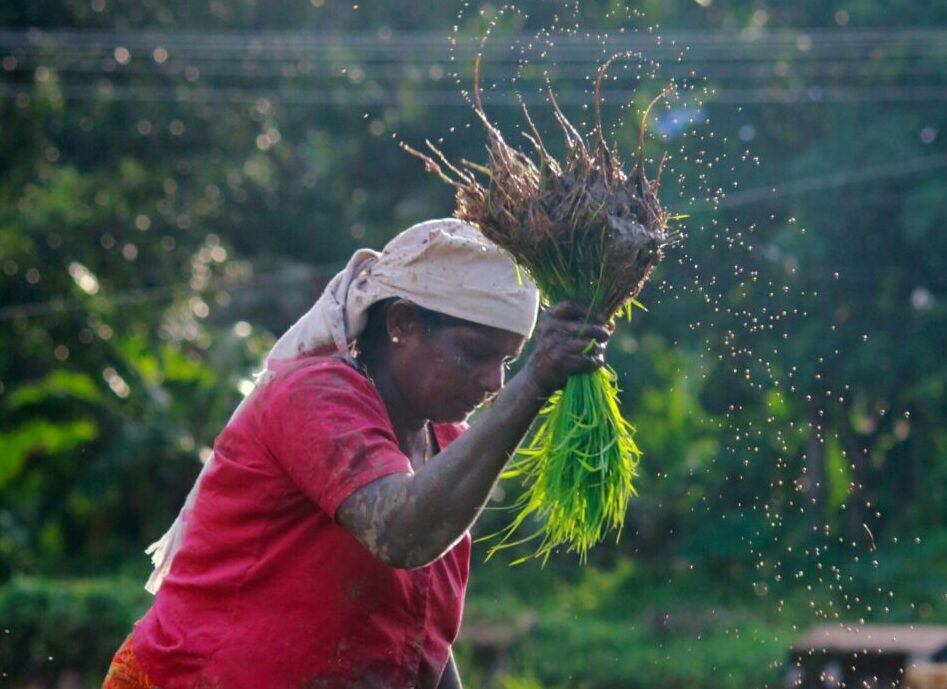
Beans and other pulses are climate-smart crops – the need for synthetic fertilisers by converting atmospheric nitrogen into a plant-usable form. They also use less water and cause less greenhouse emissions. With their ability to grow and thrive in harsh climate conditions, they are a friend to farmers, including women and smallholder farmers who are part of bean cultivation in many parts of the world.
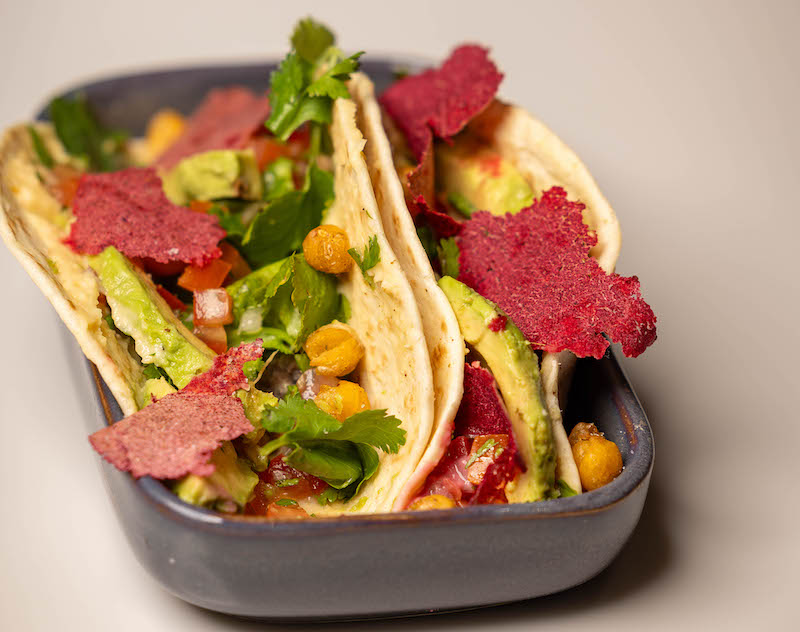
Recipes From Around The World!
Beans are in cuisines and cultures across the globe – explore a bean-tastic journey in kitchens around the world!