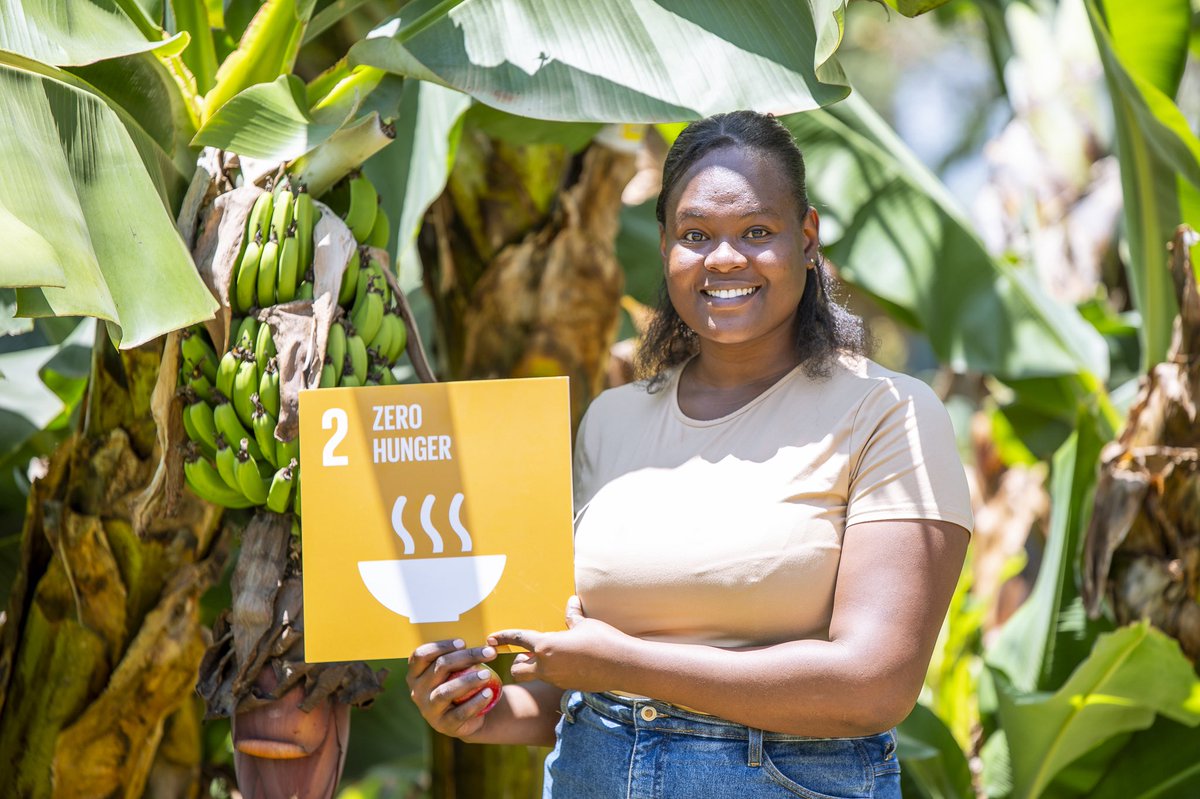
Nanzala Lazarus, SDG2 Advocacy Hub
As the 62nd Subsidiary Bodies (SB62) meetings in Bonn wrapped this past week, negotiators, and observers like me were left with a mix of cautious optimism and frustration as we look ahead to COP30 in Belem. As in previous years , there was some progress on the technical aspects, but the political tension particularly around climate finance once again exposed deep and persistent divisions between developed and developing countries and everyone in between. This was evident from the start, as it took nearly two days for the countries to agree on and adopt the agenda. This was largely due to disagreements over a proposal to include a new standalone agenda item focused on the implementation of Article 9.1 of the Paris Agreement. The article obligates developed countries to provide public, grant-based climate finance to developing countries, an issue developing countries were determined to foreground.
This slow and contentious start in Bonn did not happen in a vacuum. As the negotiations opened, leaders from seven of the world’s richest and most powerful countries were meeting at the G7 Summit in Alberta, Canada where the worsening climate crisis was conspicuously absent from their official statements. Negotiators don’t act in isolation; they take their cues from their capitals. In this context, the inertia in Bonn was less like a procedural hiccup and more a symptom of a wider political reluctance to confront the climate emergency head-on.

For keen observers, this was no surprise. The climate negotiations in Bonn, the first since the start of President Trump’s second term and his subsequent withdrawal of the United States from the Paris Agreement, offered a glimpse into how far the multilateral system has come, and how far it still must go to deliver meaningful outcomes for those most impacted by the climate crisis. There was a noticeable absence of political resolve from the developed world to match the urgency of the moment However, for communities living at the frontlines of now routine climate extremes, these issues are not abstract, they are existential.
The Bonn climate negotiations took place against a particularly bleak financial backdrop. The United States, once a top donor, has effectively cancelled most, if not all, of its climate aid, and major European countries including Germany, France, and the U.K. have announced significant cuts to international assistance, a key source of grant-based climate finance. These developments have eroded trust and added tension to already strained negotiations.
Some Progress on the Global Goal on Adaptation, But Bigger Gaps in Political Will
Amidst these challenges, and the slow start, still critical work moved forward. The most significant development was the advancement of the UAE–Belém Work Programme on the Global Goal on Adaptation (GGA). Technical experts, convened under the guidance of the SBSTA and SBI Chairs, delivered a consolidated list of just under 500 indicator options intended to help measure progress toward adaptation targets outlined under decision 2/CMA.5. Of the 490 indicators submitted, 66 were targeted at food and agriculture. The goal now is to refine this list down to no more than 100 globally applicable indicators, covering all the thematic areas and targets.
This progress though slow, is important, as adaptation has remained under funded and under measured. The UAE-Belem work program was the first realistic UNFCCC attempt to create a system that would quantify and measure progress of adaptation initiatives thus leading to evidence based and well-informed decision making in agriculture and food security to respond to the climate crisis. Although the conclusions reaffirmed that progress on implementing the UAE–Belém Framework will be country-driven and context-specific, it also went further to clarify that developing countries’ ability to act depends heavily on support from developed nations. However, going by the bickering on the opening day, that support may not be on the way any time soon.
Simon Stiell, UNFCCC Executive secretary clearly captured this tension and lack of progress in his closing remarks at the closing plenary:
“I’m not going to sugar coat it; we have a lot more to do before we meet again in Belém.”
Additionally, while adaptation took modest steps forward, food and agriculture remain largely peripheral. SB62 reaffirmed ongoing technical work under the Sharm el-Sheikh Joint Work on Agriculture and Food Security, including development of a global portal to track progress on agriculture related climate action. This is a valuable tool but without clear political prioritization or financing commitments, it risks becoming a data warehouse rather than a driver of transformational change that was envisioned.
Means of Implementation: A Deepening Gap Between Commitments and Delivery
At COP29 in Baku, countries agreed on a New Collective Quantified Goal (NCQG) of at least $300 billion per year by 2035, with contributions primarily from developed countries. While this was hailed as progress, there is broad agreement among developing countries and civil society that this target falls well short of actual needs. The $1.3 trillion figure proposed in the Baku to Belém roadmap better reflects the scale of financing required but unlike the NCQG, it is not formally part of the negotiations.
Climate finance surfaced not only as a cross-cutting concern but also as the center of one of the meeting’s most heated agenda disputes. The Like-Minded Developing Countries (LMDCs), with backing from others, proposed new langaugefocused on the implementation of Article 9.1 of the Paris Agreement stating that developed countries “shall provide” financial resources.

The proposal was ultimately blocked, but it sparked fiery consultations where developing countries called for a tripling of adaptation finance and clearer commitments for public, grant-based funding. Although developed countries reaffirmed their support for Article 9.1, they also pushed for a broader interpretation of contributors and funding sources, including private finance and wealthier developing countries. This widening of the goalposts further diluted expectations for targeted public finance especially for sectors like agriculture where commercial returns are low, but social and climate benefits are high. The resulting compromise non-binding consultations did little to shift the political stalemate but reinforced the urgency for more transparent, accountable, and equitable finance architecture heading into COP30.
Overall, political will and ambition was lacking in the negotiation halls at the Bonn convention center.. As the UNFCCC’s executive director,-Simon Stiell in his remarks during the closing plenary, made clear:
“We need leaders and ministers to roll up their sleeves… This is your agenda. Your process. Progress here will benefit your people.”