In the year since the G20, under Brazil’s Presidency, established the Global Alliance Against Hunger and Poverty (GAAHP), the global geopolitical landscape has changed considerably. This has had significant implications for global health and development financing. Huge cuts to official development assistance (ODA) are forcing a major (and some argue long overdue) rethink about the purposes and delivery of development assistance and how to meet financing needs in the face of major headwinds. The timing of GAAHP’s inception has potential to offer a bold and timely response to the challenges and opportunities of this moment.
The GAAHP was created to “support and accelerate efforts to eradicate hunger and poverty (Sustainable Development Goals (SDGs) 1 and 2), while reducing inequalities (SDG 10)”. It is a recognition that the current rate of progress towards these Global Goals is insufficient , and what is needed is political leadership, action at the country level to strengthen and scale up evidence-based national policies and programs, and improved alignment and coordination across knowledge and financing actors and partners.
Since its launch in November 2024, progress has been made in establishing a small secretariat to facilitate its implementation, refining the model in the 13 fast track countries, and growing the commitment and engagement of member countries and partners. The innovative model “facilitates a structured process where governments develop strategic implementation plans for proven, large-scale programs, and multiple partners coordinate their support around these national priorities”.
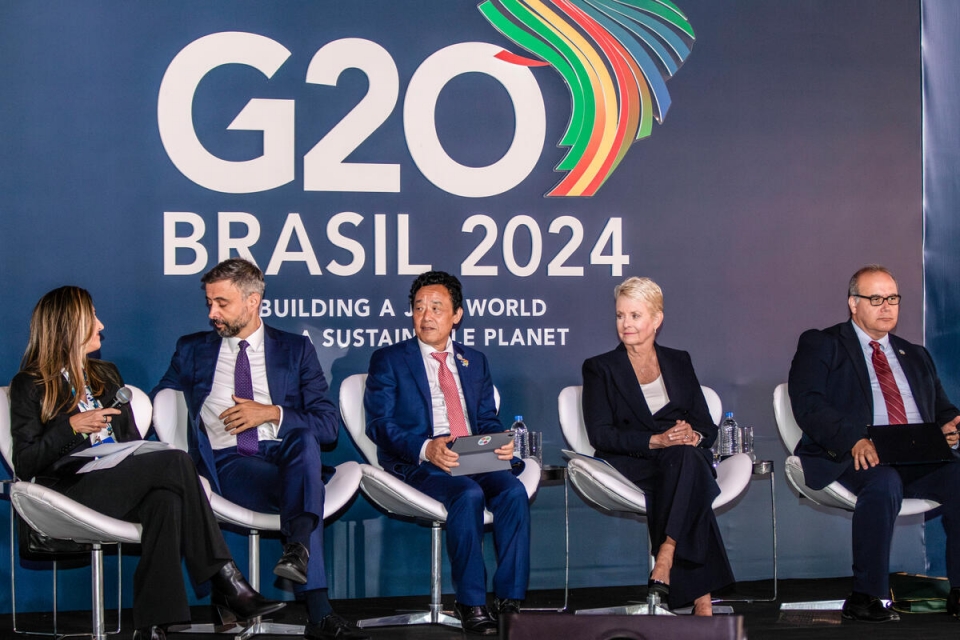
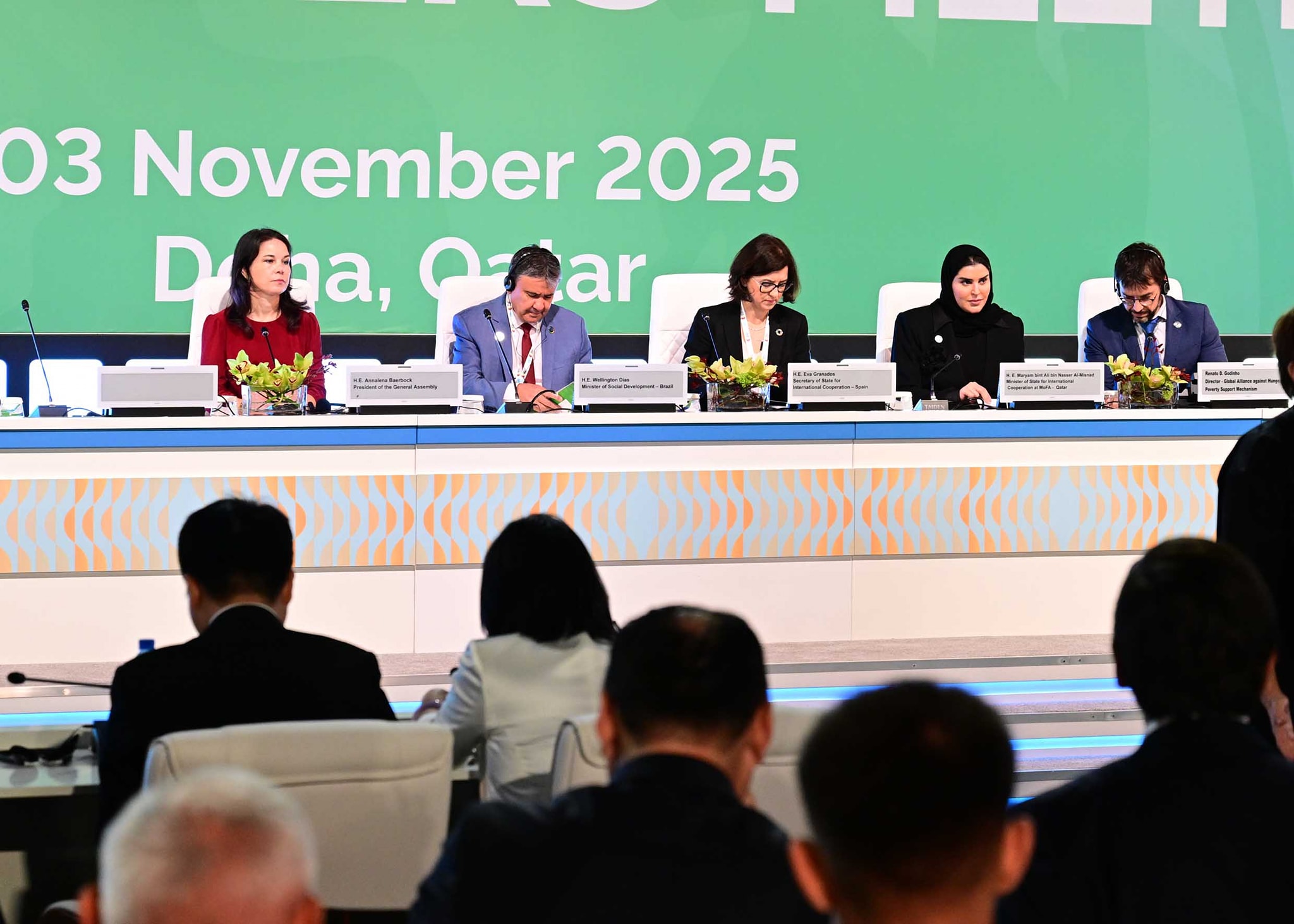
This week in Doha, on the margins of the Second World Summit on Social Development, the GAAHP held its first Leaders’ Meeting. It was an opportunity to take stock of progress to date and announce new partnerships that demonstrate the model in practice.


Despite the uncertainty this year, a few things are clear and the role and potential of the GAAHP is coming sharper into focus:
Progress on SDG2 is possible with the right policies and systems in place.
The data and analysis of the 2025 SOFI report shows that countries that deployed a coordinated mix of policies — including fiscal, monetary, social protection and trade policies, and aligned investments in agriculture, smallholder farmers, their organizations and their value chains, rural infrastructure, research, data and information systems — were better able to weather food price shocks and have seen a quicker rebound from the impact of the COVID-19 pandemic and the Ukraine War. The GAAHP’s Policy Basket provides a menu of effective policy options for countries to choose from depending on their context and the challenges they face in reducing hunger and poverty.
In a constrained ODA environment, the focus must shift to strengthening national systems. This includes strengthening the capacity to mobilize domestic resources and other sustainable and innovative sources of development financing, and to implement programs at scale. Local action is essential to reach the communities most in need, build resilience, invest in smallholder farmers, and deliver affordable, healthy and sustainable diets.
The retreat of traditional donors and shifting geopolitics has been highly destabilizing but it is also an opportunity. The GAAHP has the potential to counter this instability and restore balance by leveraging and coordinating the wide diversity of its members to work with and support countries that require technical and financial assistance to achieve their national goals and priorities. This includes non-traditional partners, and peers. For example, through the GAAHP, the Brazilian Government can share its considerable experience and success in ending hunger. It also includes international financial institutions such as the World Bank, the African Development Bank, the International Fund for Agricultural Development and the relevant UN agencies. With donor funding for food security and agriculture reduced by more than 40%, it is critical that financing and programmatic efforts of all actors are aligned and coordinated at the country level – that is the promise of the GAAHP.
In the coming weeks, there are opportunities to build on the Doha meeting, deepen commitment to the GAAHP and ensure alignment and financing to accelerate its impact.
COP30:
Climate change is a major driver of emerging hunger epicenters. Low-income countries, rural communities, and marginalized people are disproportionately affected by the impacts. A 2°C rise could push 189 million into hunger. There is urgency to accelerate progress on food security, nutrition, equitable livelihoods and resilience and to focus on approaches that will prevent setbacks due to shocks, including climate related shocks. The focus on national programs and systems, including shock responsive, nutrition-sensitive social protection that is being prioritized by some of the fast track countries such as Zambia, is key to managing the impacts of and adapting to climate change. In Doha, government ministers and others called for the integration of hunger into global climate processes and financing frameworks.
In the lead up to COP30, the Forests4Food campaign has sought to raise awareness that food systems strengthening and the fight against deforestation are inseparable. At the Leaders’ Summit at COP30 on Friday, November 7th, the Belém Declaration on Hunger, Poverty and Human-Centred Climate Action is set to be adopted, recognizing the disproportionate impact of climate change on vulnerable populations. A strong list of signers will demonstrate strong political commitment to address the food and nutrition security impacts of climate change and leverage initiatives such as the GAAHP to assist the people on the frontlines. The task now is for national governments to endorse, publicly support, or coordinate with Brazil’s COP30 Presidency on the Belém Declaration so that food security, poverty reduction and climate justice are front and centre in COP30 outcomes. To support coordinated advocacy, we have developed an Action Toolkit for partners and allies.
The G20 Summit:
Later in November, the South African Presidency of the G20 promises to put food security at the top of the agenda of the G20 Summit. It is an opportunity for the G20 to recommit to the GAAHP, push for accountability, and deliver and align financing, especially for countries shouldering unsustainable debt.
African Development Fund Replenishment:
Finally, in December the UK will host the 17th Replenishment meeting of the African Development Fund in partnership with Ghana. A fully financed replenishment with a strong focus on food and nutrition security, food systems transformation and rural livelihoods would support the continent’s newly adopted CAADP strategy and help support the efforts of the GAAHP in Sub-Saharan Africa, where hunger and malnutrition continue to rise.
The first year of the Global Alliance Against Hunger and Poverty has been promising–it is exciting to see the progress. It will take sustained effort and leadership to ensure that this momentum continues and that partnerships and collaborations emerge that deliver results for the people who live with extreme poverty and hunger. With just under five years left to achieve the SDGs, the challenges are great but the GAAHP has the potential to bring stakeholders together in new and catalytic ways. As the famous saying goes, the whole is greater than the sum of its parts. It’s high time to put this into practice to end hunger and extreme poverty. The GAAHP offers just the mechanism to do this.