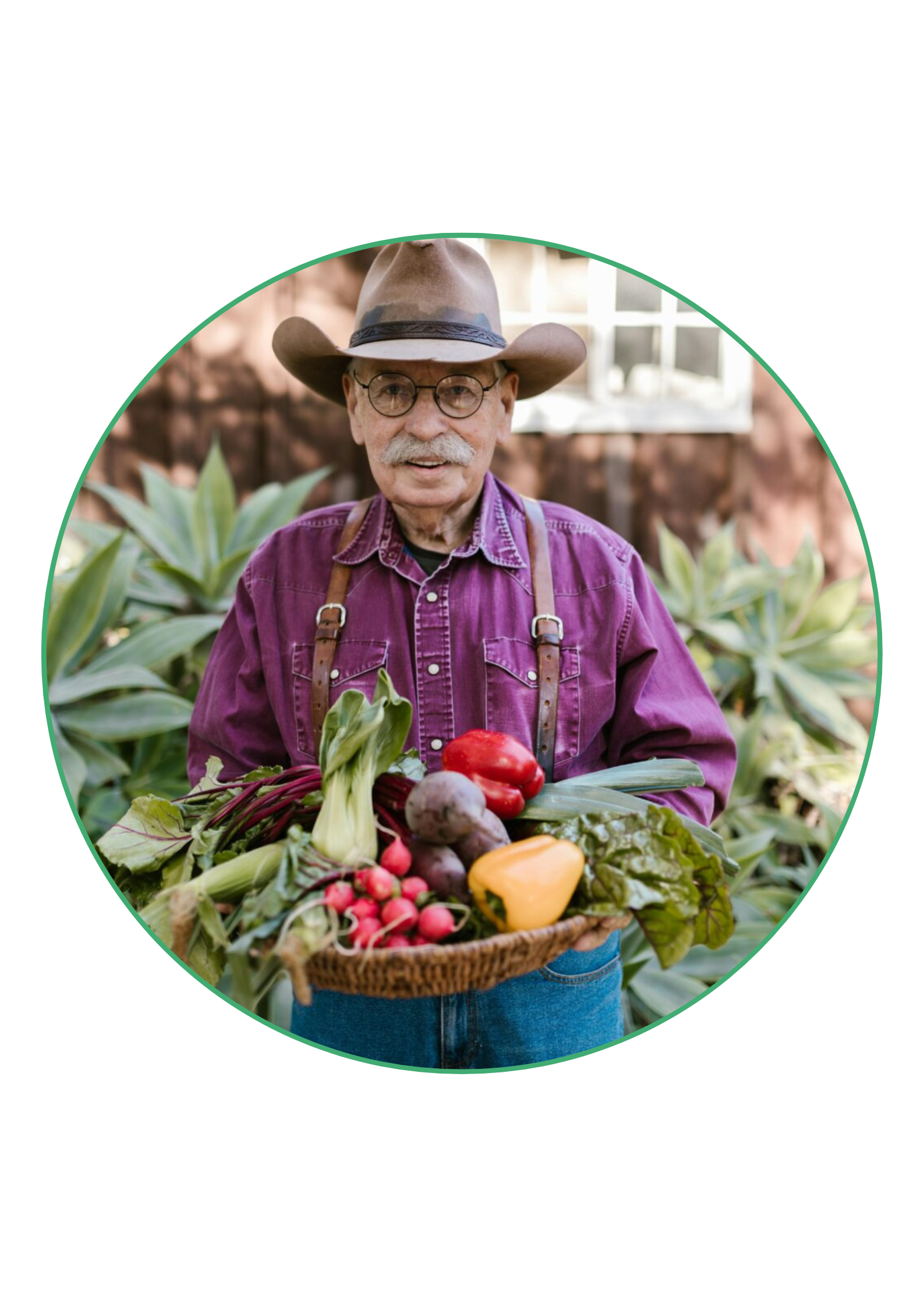
On a crisp Saturday morning, baskets are filled with fresh vegetables, taken straight from the fields. A farmer greets a neighbour by name, loads their bags with fresh produce and hands a child a sweet berry to snack on.
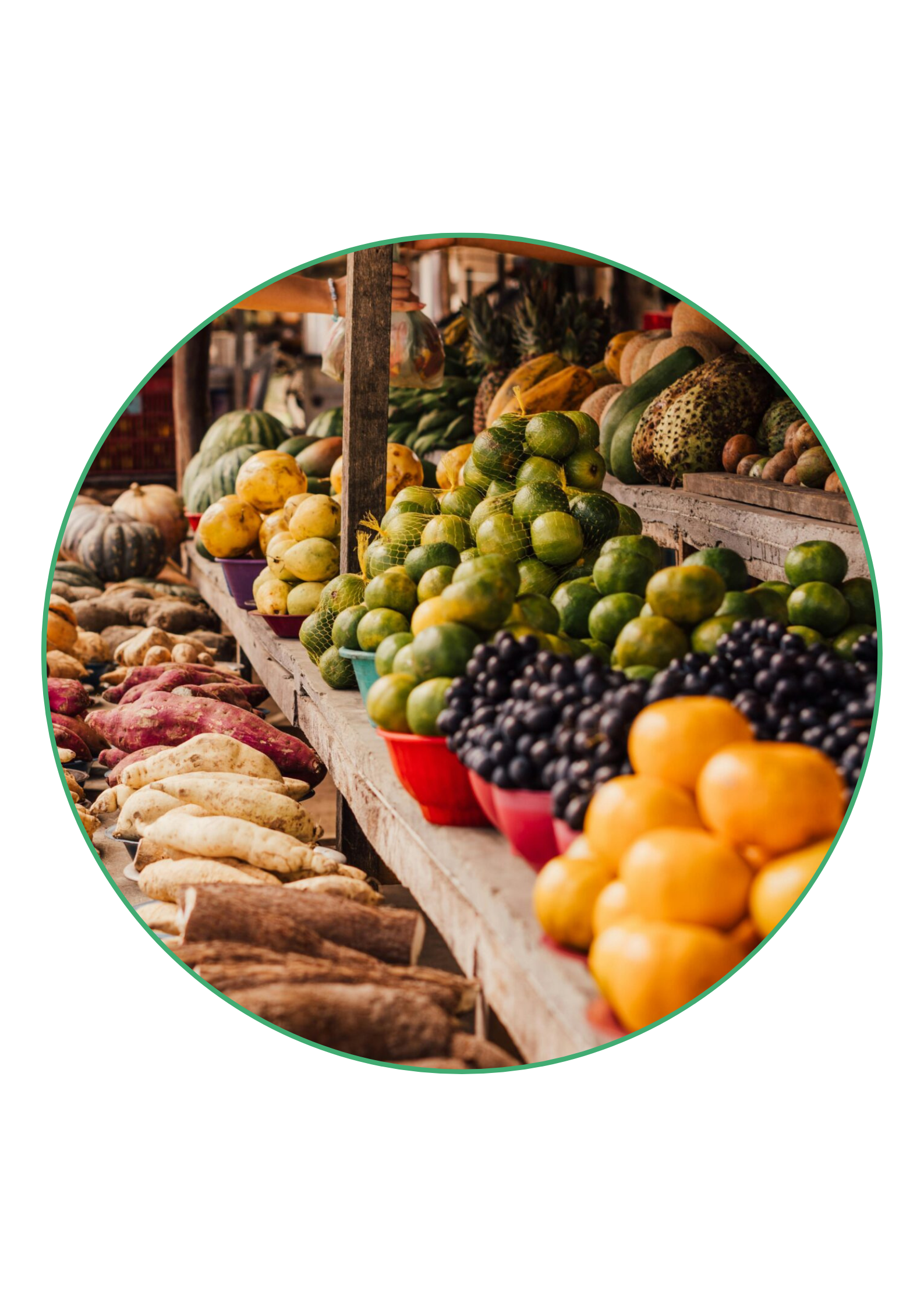
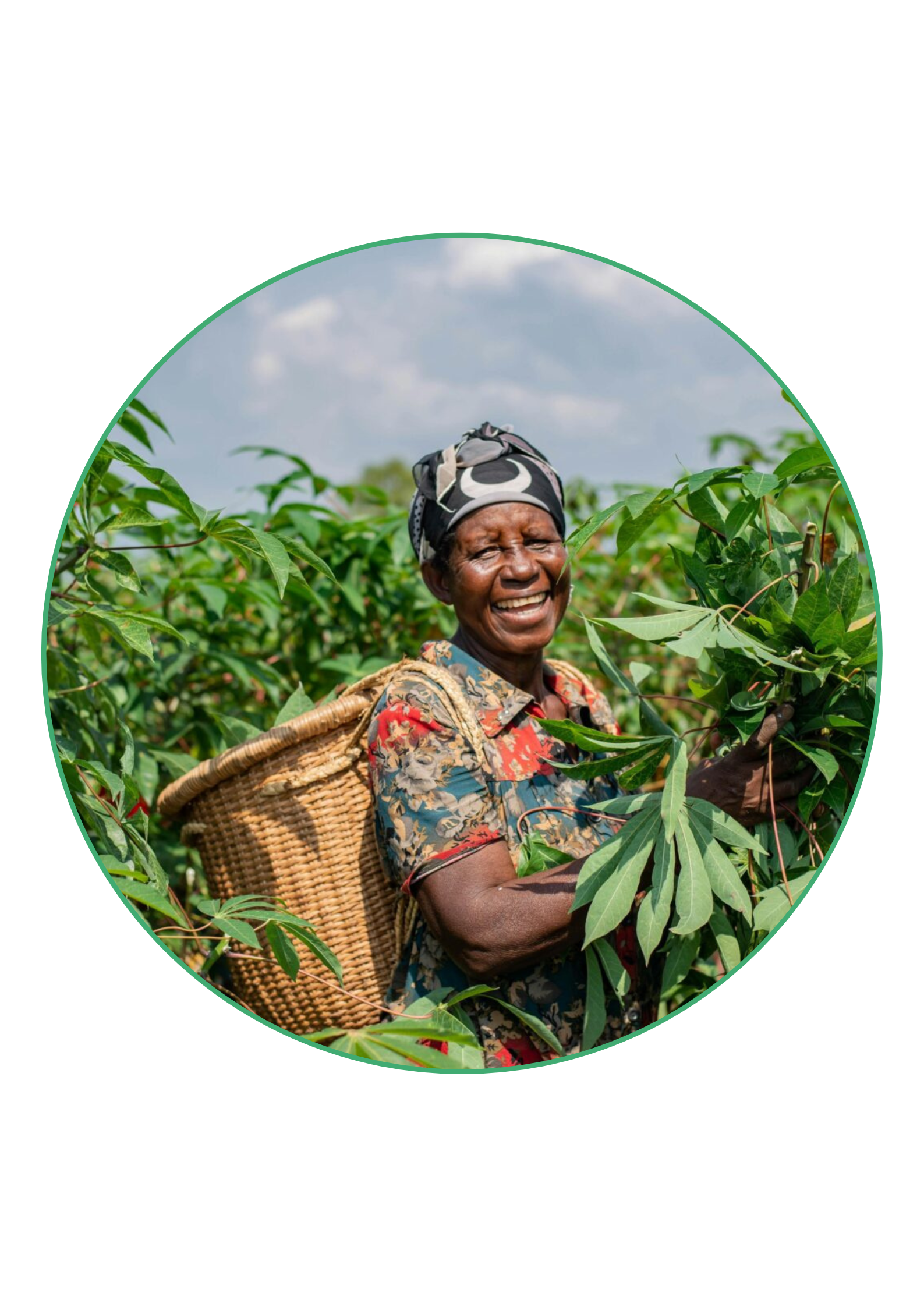
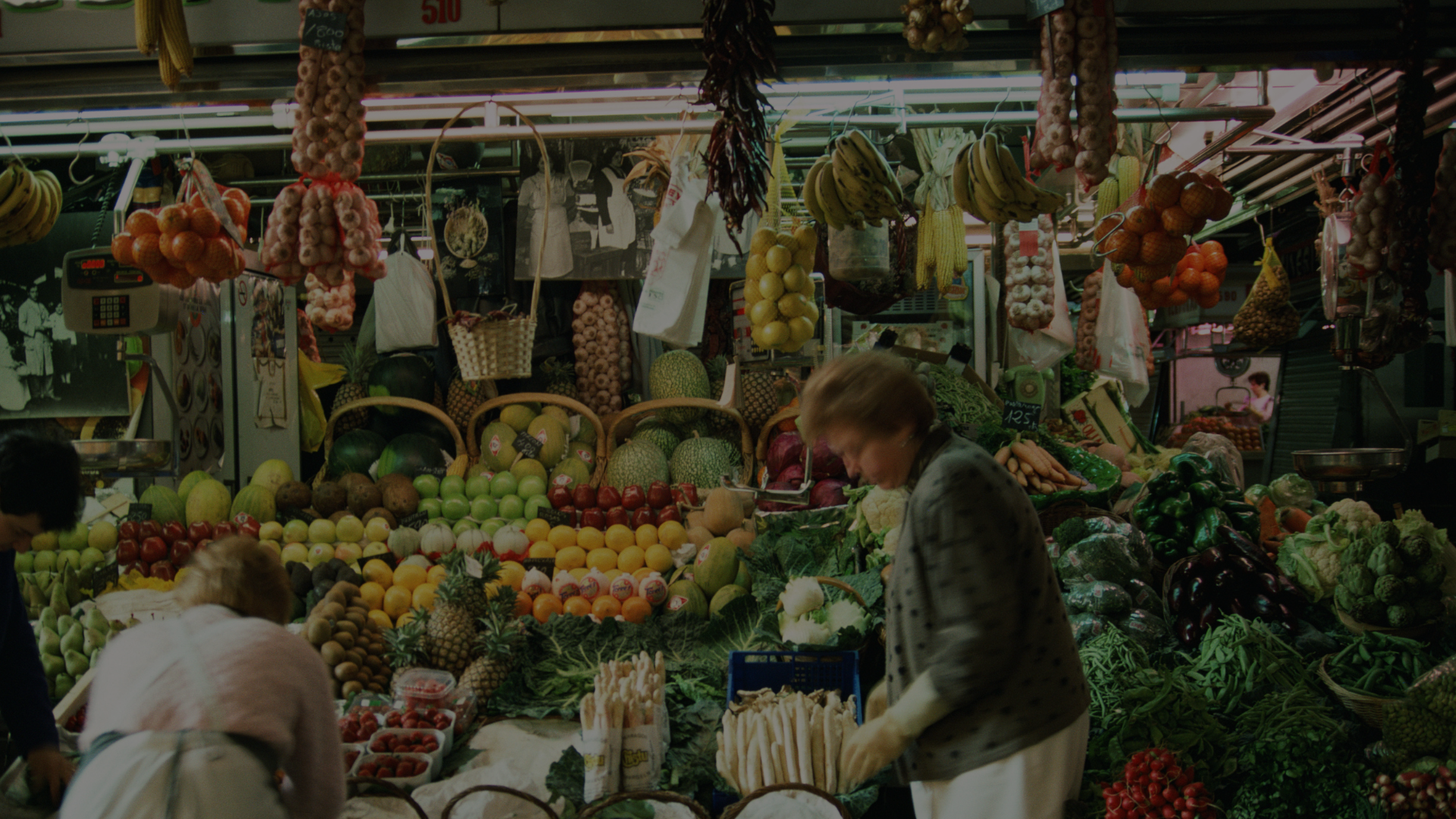
Across the world, stories like this unfold – in bustling African markets, along shaded laneways in Latin America, and in town squares across Europe. Markets are more than places to buy food; they are spaces where stories, traditions, and relationships are built and shared. Meeting your farmer connects you not only to your meal, but to the people and places that sustain us.
Good food starts with Farmers.
Supporting our farmers has never been more important. Globally, family farmers produce more than 80% of the world’s food in value terms (FAO, 2024). Yet, many face challenges from climate shocks, fluctuating prices, and limited access to the people who can buy from them. In response, communities are creating stronger local food systems – through farmers’ markets, community-supported agriculture (CSA), and cooperative buying groups.
All over the world, in parts of Asia, Africa, the South Pacific and Latin America, direct connections between producers and buyers have long been the norm. What’s shifting is the recognition of their value in urban areas and modern economies. Whether you live in a small town or a capital city, supporting local producers can strengthen resilience, improve food security, and keep culturally important crops in production. The UN Decade of Family Farming is highlighting successes across continents, from Brazil’s feiras livres to Australia and France’s Urban Farmers’ Markets.
Market Stories
Lauren, Australia
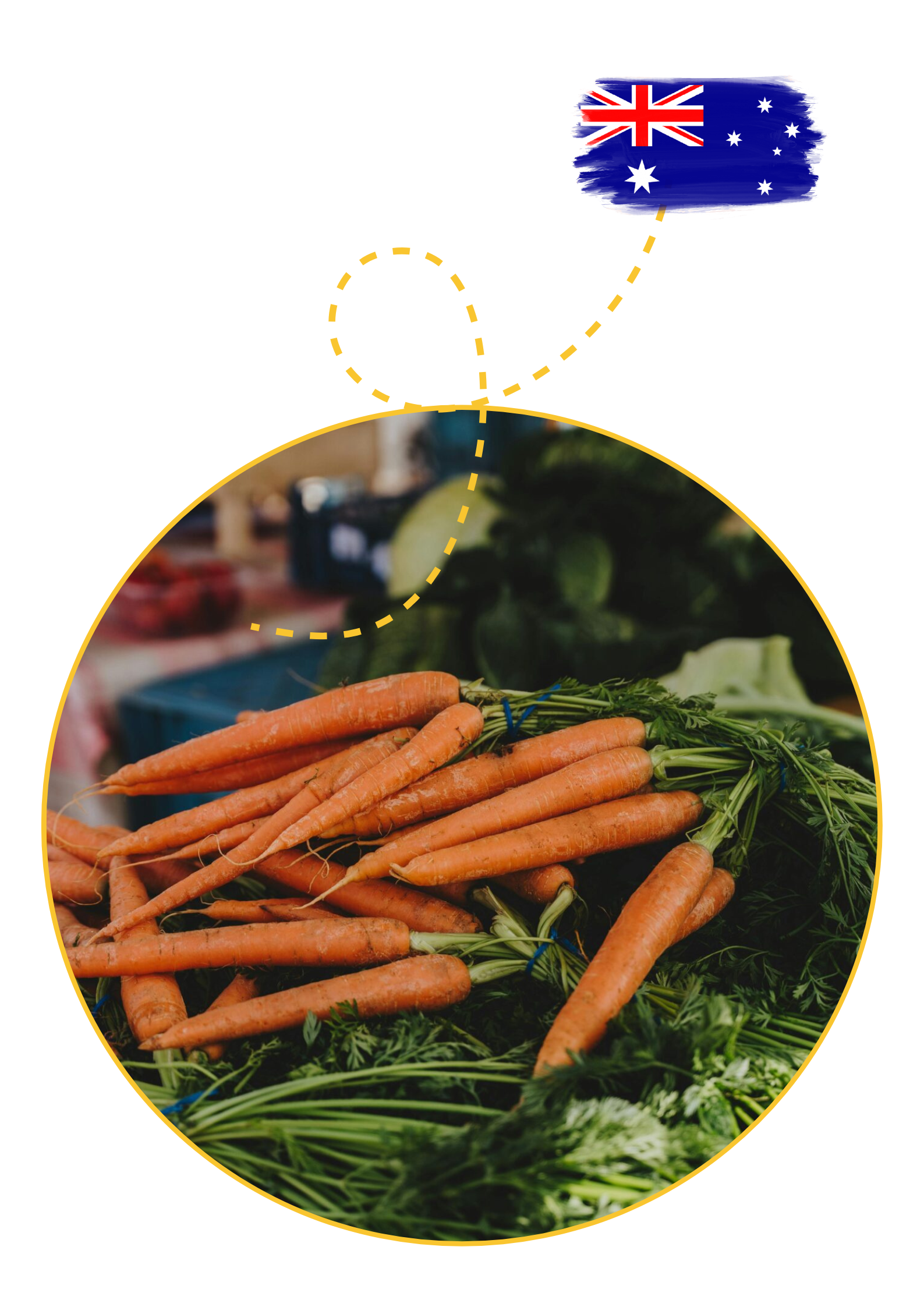
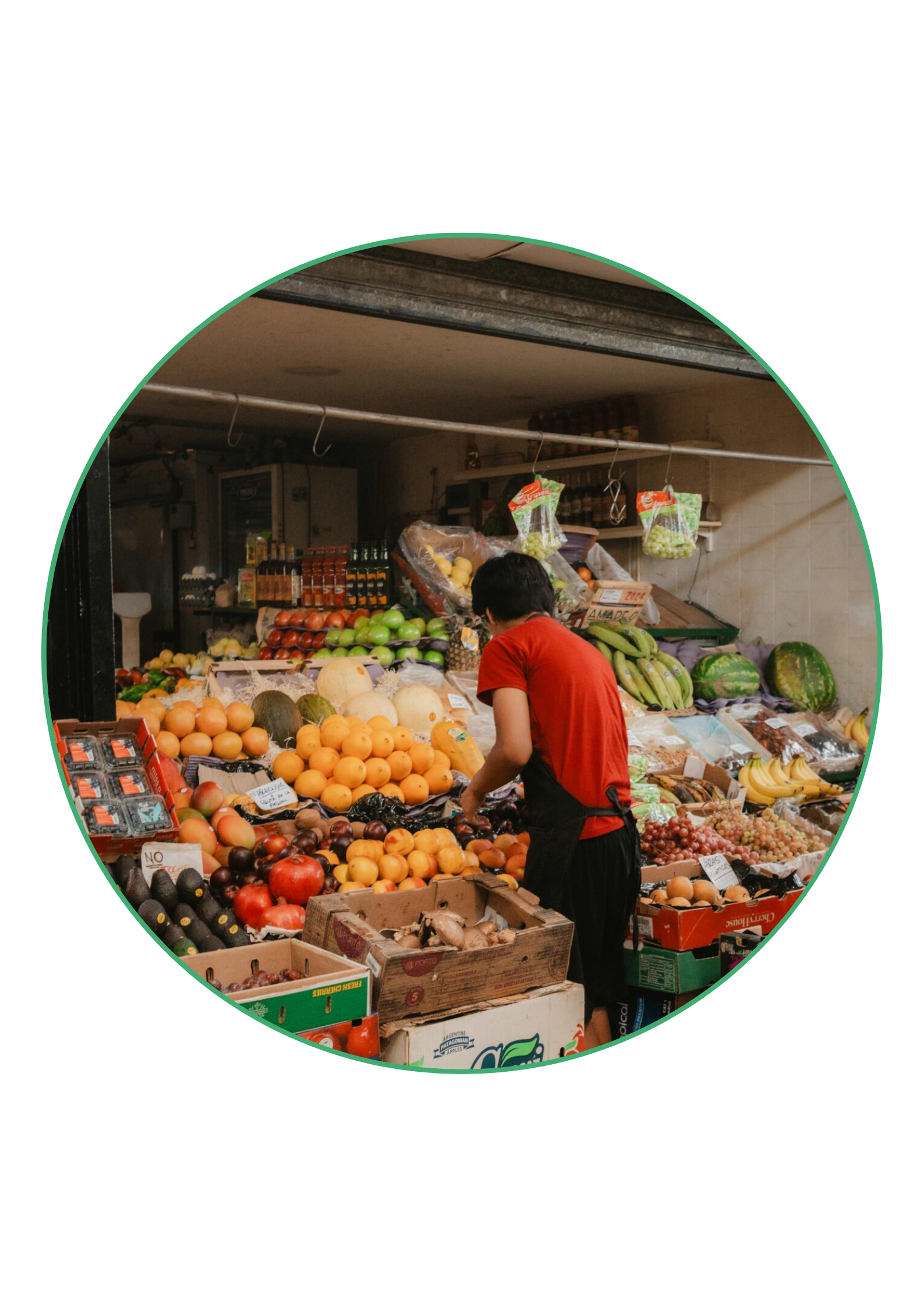
I’m lucky to live near a weekly farmers’ market in Melbourne’s eastern suburbs. Each week, in the car park of a supermarket, farm trucks arrive brimming with produce. Small tents are set up to display vegetables, nuts and fruits harvested within the last 24 hours, while people gather to enjoy both the spectacle and the chance to buy truly fresh food. Bright orange carrots are sweeter and crisper, deep red radishes juicier, and broccoli glistens with dew still resting on its florets.
Farmers’ markets in Australia are among the most direct ways to source food straight from the people who grow it. It’s a joy to chat with farmers about their less common crops… most recently I’ve been enjoying golden beetroot, a sweet root vegetable that caramelises beautifully in the oven.
There’s a romance and a privilege in having such delicious, fresh food brought to you by those who cultivate it.
Shreya, India
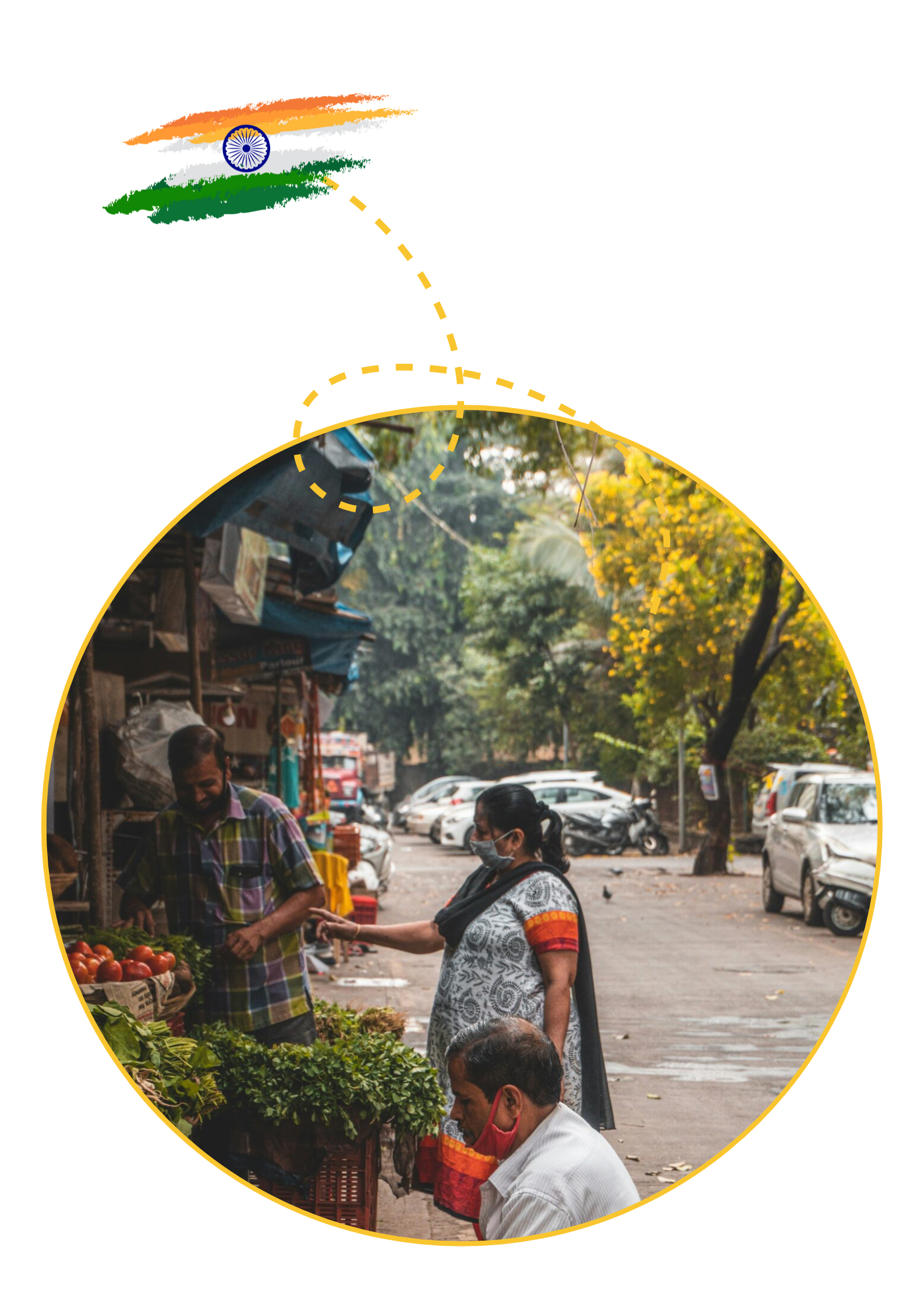
In India, the sale of farm produce has long been rooted in direct connections between farmers and consumers. Weekly village haats and mandis remain important, while large wholesale markets and regulated APMC mandis still dominate the trade. Yet, many farmers continue to rely on local informal markets, where selling directly means fewer middlemen and fresher produce for buyers.
Urban areas are seeing new models emerge—farmers’ markets and farm-to-home delivery services are gaining popularity, blending traditional systems with modern consumer demand. In rural and peri-urban regions, households still depend heavily on weekly haats and wholesale mandis for their fresh produce, keeping local networks alive.
Together, these age-old practices and newer initiatives give farmers fairer prices while preserving crop diversity and food traditions. They also reflect wider global efforts to strengthen local food systems and build community resilience.
The evidence says…
Buying produce directly from farmers through farmers’ markets, community-supported agriculture, or cooperative models, offers well-documented nutrition and sustainability benefits. The EAT-Lancet Commission, which is a global report aimed to define a sustainable diet, underscores that diets centred on fresh, plant-based foods are healthier and critical for reducing the global food system’s environmental footprint. Direct farmer-to-consumer sales support these dietary shifts by providing fresher, more nutrient-rich produce while reducing the need for long storage, packaging, and preservatives.
Globally, the UN Decade of Family Farming highlights that strengthening local markets not only improves access to healthy foods but also sustains crop diversity, preserves cultural traditions, and builds community resilience (FAO & IFAD, 2019). Supporting these direct connections is central to food security. The evidence is clear: meeting your farmer advances global goals for nutrition, sustainability, and resilient food systems.
Buying your food locally has so many benefits:
 Direct farmer-to-consumer sales can increase smallholder incomes by up to 20% and reduce post-harvest losses (IFAD). Buying locally can strengthen rural economies, supports farmers’ livelihoods, and keeps money circulating in the community.
 Buying produce locally can reduce the negative environmental impacts from packaging, storage, and transport.
 Sourcing from local primary producers connects everyone more deeply to the land where they live.
 Preserves farming traditions and food diversity.
 Can provide fresher, seasonal, and more nutrient-dense food.
What can you do?

Make One Healthy Change
Start with one trip a month to the farmer markets or make it your go-to for fresh produce! If it’s your first time, pick a fruit or vegetable you’ve never tried, ask the farmer how they cook it, and bring reusable bags to cut waste.
If you enjoy the experience, try going weekly and visit the same stalls — relationships grow, and farmers often save their best for familiar faces.
You don’t need to buy everything locally to make an impact. Just one intentional visit a month helps farmers, strengthens communities, and brings us closer to #GoodFood4All.
Small actions make a big difference!


Between promises and progress: Food systems at the Bonn climate talks
Between promises and progress: Food systems at the Bonn climate talks

As Climate Change Worsens, Farmers Hunger for Action
As Climate Change Worsens, Farmers are Hunger for Action