Nanzala Lazarus is the SDG2 Advocacy Hub’s Senior Policy Officer. He is deeply engaged on the nexus of climate and food systems, which are being devastated by climate extremes, with a focus on smallholder agriculture. He is based in Nairobi, Kenya.
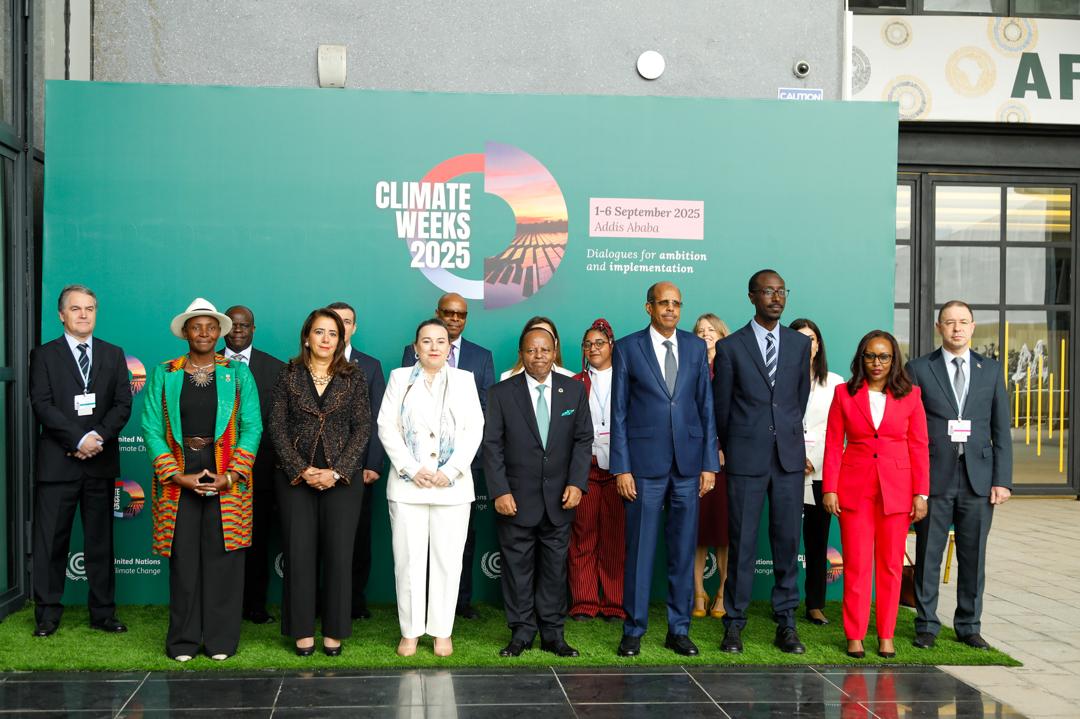
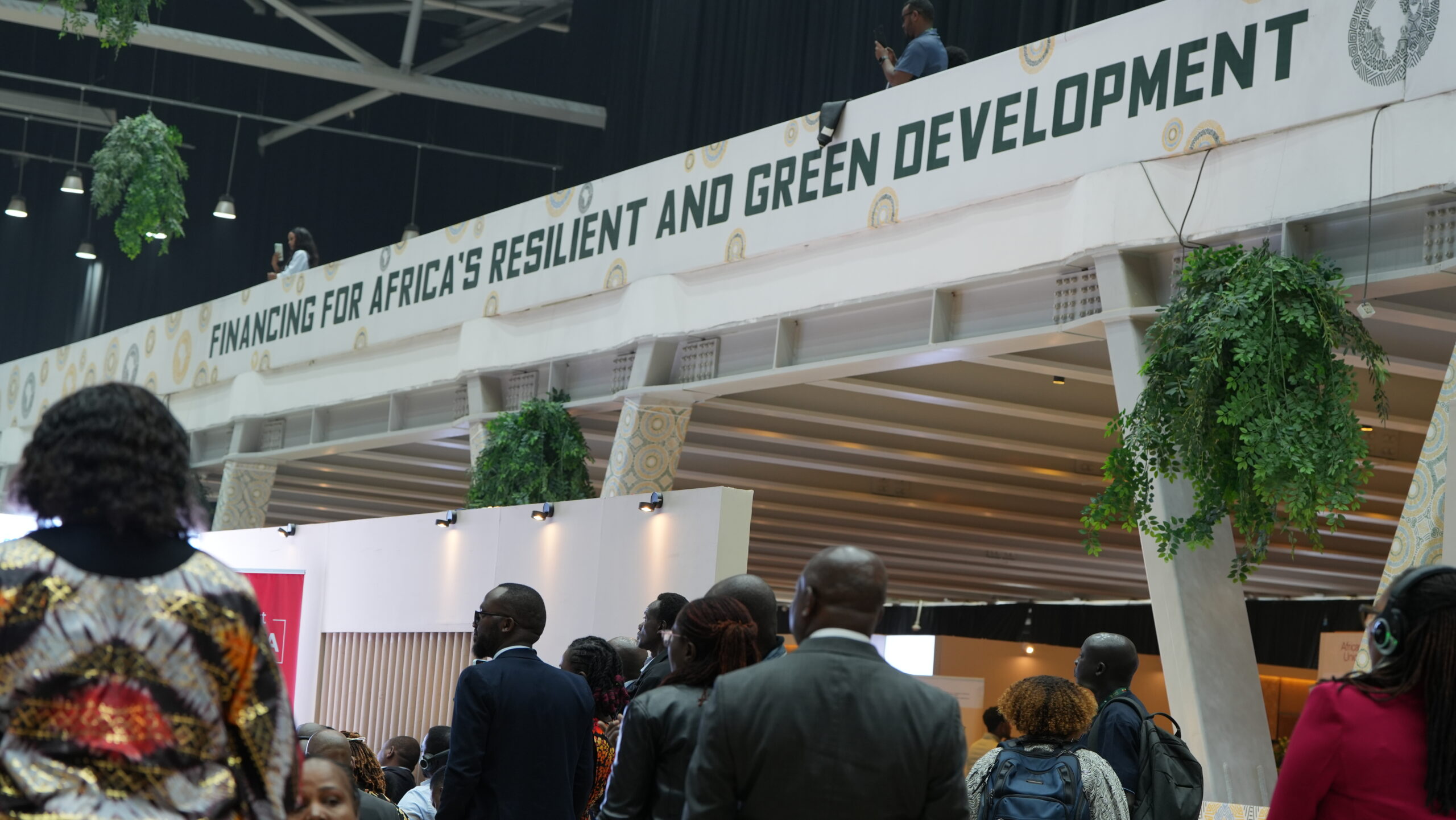
When I arrived in Addis Ababa for both the UNFCCC Climate Week and the Second Africa Climate Summit (ACS2), the energy was palpable. Ethiopians were preparing to celebrate the Ethiopian New Year, marked by the bright yellow Adey Abeba flower, a symbol of hope, renewal, and fresh beginnings. Against this backdrop of cultural vibrance, negotiators, civil society, farmers’ organisations, and young people from across the continent and beyond had gathered, united by the urgency for expedited climate action. As we pace toward 2030 – the year we should achieve the Sustainable Development Goals agreed a decade ago – the call for action could not be louder.
Amidst this mood, it felt like a continuation of a journey that began in Nairobi two years ago with the inaugural Africa Climate Summit. The Nairobi Declaration (2023) did more than bring Africa together; it gave the continent a single, unified voice that carried into COP28 negotiations in Dubai and later to COP29 in Baku. Africa’s common position helped influence key outcomes, most notably the operationalization of the Loss and Damage Fund, stronger global focus on the Global Goal on Adaptation and the call for transitioning away from fossil fuel powered global economy.
Later at COP29 in Baku, Africa put on a united fight with a proposal for developed countries to be ambitious by setting a $1.3 trillion per year goal in international climate finance for developing countries by 2030. This was not to be, as countries under the Baku Unity Pact thrashed out a compromise decision where the developed countries will take the lead in mobilising $300 billion per year by 2035 for developing countries for enhanced climate action.
The African leaders’ Addis Ababa Declaration on Climate Change and Call to Action, adopted at this summit, continues this action-oriented intent by African leaders, positioning the continent not as a victim but a leader at the heart of providing solutions. This declaration aspires to elevate African leadership in key areas of climate action, from energy transition to reforming global financial architecture to building resilient agri-food systems.

Key Takeaways
Climate Adaptation was emphasized as a strong priority at the summit, and the frank acknowledgment that Africa’s adaptation needs are not being met. As pointed out in this declaration, Africa’s annual adaptation needs are close to $84 billion yet it receives barely a fraction of that at about $14 billion (2021-2022).
Secondly, the summit called for adaptation finance to be delivered as grants and not loans, to avoid worsening the situation for already debt burdened countries on the continent. As pointed out by UNEP’s annual adaptation gap report, debt instruments (standard loans) are the most common instrument for adaptation related finance at 57%.
Another highlight was the strong link made between food systems transformation and climate action. The declaration reaffirmed this by prioritising the implementation of the CAADP Kampala Declaration on Building Resilient and Sustainable Agrifood Systems (2026–2035 Strategy and Action Plan) that was adopted earlier this year. This matters because agriculture is not only Africa’s backbone, it is also where climate extremes such as droughts, floods, and heatwaves strike hardest. The commitments made to support smallholder farmers, particularly women, with access to low-cost technologies for early warning systems, water management and climate-smart innovations are quite relevant. Crucially, these efforts will help improve nutrition by promoting dietary diversity and healthier diets, ensuring that the gains from climate-resilient farming translate into stronger, well-nourished communities.
Finally, the declaration recognized that food security and hunger eradication must be at the core of climate action. Hunger in Africa has been rising, even as the rest of the world has seen modest declines. To achieve SDG2, Africa must invest in climate-resilient agri-food systems that are nutritious, inclusive, and sustainable. By committing to invest in the implementation of the CAADP framework, leaders are essentially reinforcing that ending hunger and building climate resilience are two sides of the same coin.
The Addis Ababa Declaration gives us the framework, what we need now is delivery financing that reaches communities, policies that protect smallholders producers, and regional cooperation that ensures no one is left behind.
Connecting to SDG2 Zero Hunger and offering solutions
Having spent countless hours listening to the deliberations, I was fascinated by the solutions on offer. Taking their cue from Nairobi, the leaders were not playing victim to the climate crisis. They were providing leadership. From targeting 300 GW of renewable energy by 2030 to launching the Africa Climate Innovation Compact, that seeks to mobilise $50 billion annually to champion climate solutions that accelerate innovation and scale climate solutions across the continent – the message was clear: Africa is charting a green and resilient future, and the world must step up in partnership and support.
Leaving Addis, I carry both hope and caution. In addition to the Declaration, the side events and corridor chats showed and set clear ambitions for the continent on adaptation, just energy transition, and agri-food systems transformation. Yet, we have been here many times, where, as the dust settles, all efforts fade just when action is desperately needed.
As we head to Belém for COP30, I trust that this united African voice will not only shape the global conversation but also push the rest of the world toward decisive action, phasing out fossil fuels, scaling up adaptation finance, and securing an agreement on a just and equitable climate finance framework. This now includes a new global finance goal that seeks to mobilize at least $300 billion annually by 2035 for developing countries, replacing the long standing $100 billion pledge. It feels like a step forward, yet also a reminder of how far we still need to go. The “Baku to Belém Roadmap” sets the ambition even higher, aiming for $1.3 trillion per year by 2035 from both public and private sources. Whether we meet that ambition will determine not just the credibility of these global processes, but also the real change in the lives of those living the daily realities of the climate crisis.
Therefore, declarations alone won’t shield us from the impact of the climate crisis. The real test lies in how these commitments are domesticated at national level and translated into concrete action, policies, and investments that reach farmers, communities, and the most vulnerable. If we succeed, we won’t just build resilience, we will also make meaningful strides toward ending hunger, achieving SDG2 and indeed all the 17 Sustainable Development Goals. And just like climate action, we do not have much time. We are just five years away from 2030.