What a year it has been! Unexpected, ever changing, momentous and transitional.

As 2025 nears its end, the SDG2 community reflects on a year defined by both complexity and conviction. As geopolitical tensions rose and financing tightened, a constant drum beat remained: in facing these challenges, our shared sense of what truly matters became sharper, compelling us to remain action-oriented and to amplify the solutions that reliably deliver good food across the globe.
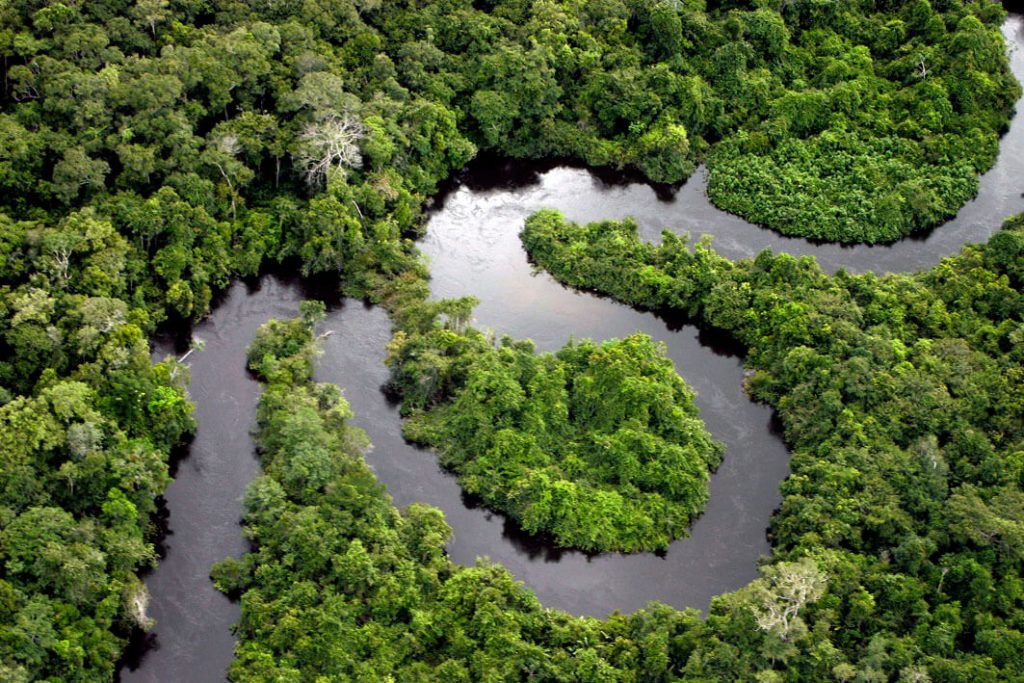
The year began with a powerful example of coordinated action when African Heads of State endorsed the 2025–2036 CAADP3 Strategy, signalling a renewed Africa continent-wide commitment to ending hunger and poverty through agricultural-led growth. The strategy continues to demonstrate how clear priorities and shared purpose can reset regional ambition and mobilise long-term progress. In 2026 the focus shifts to implementation. Tangible Actions, reliable financing and sustained political will to ensure that this progress becomes a reality.
Also early in 2025, we saw global development priorities shifting, with significant cuts in Official Development Assistance (ODA). This reduction in overall resources coming without warning, has left millions vulnerable and destabilized regions already struggling with food insecurity, economic instability, and conflict. With just four years left, urgent action is critical. It reinforced for me that it is more than time to come together and prioritise joined up, win-win solutions that are good for people, the planet, and prosperity. We must act now to end hunger, improve nutrition, and build sustainable food systems that will nourish generations to come. I found myself asking, what world will we be living in over the next 4 years? How do we shape it to be what we want?
Joined up solutions were evidenced bringing hope and a bright spot during a difficult start to the year, at the Paris Nutrition for Growth (N4G) Summit. More than USD $28 billion was pledged to end all forms of malnutrition. The Summit deepened global conversations on integrating nutrition across food systems, health, social protection and other sectors and diversifying financing, through mechanisms such as the Global Compact on Nutrition Integration. The success of N4G in such a challenging year reflects a hopeful recognition that investment in nutrition is not optional but foundational to sustainable development. Nutrition must continue to be integrated across all food systems actions.
The 2025 State of Food Security and Nutrition in the World (SOFI) Report built on this momentum, offering evidence that the trajectory of global hunger can be reversed with the right policies and investments. Brazil’s recent progress stood out as a defining case study. By prioritising hunger reduction, empowering smallholder farmers, and embedding dignity into social policy, the country achieved significant reductions in hunger in just two years. Brazil’s success also highlights the growing power of South–South learning, with countries across the Global South increasingly generating and sharing their own solutions.

This spirit of collective leadership was equally evident in the Global Alliance Against Hunger and Poverty, which grew to 203 members since its launch at the Brazil G20 a year ago. Its role was reinforced at the COP30 Leaders Summit, where 47 countries adopted the Belém Declaration, affirming that climate action and hunger eradication must be addressed together. That momentum flowed into the COP30 negotiations, where parties agreed on fifty-eight indicators for the Global Goal on Adaptation, providing much-needed clarity on how the world will measure resilience gains for food security and nutrition, smallholder farmers, rural communities, and climate-vulnerable nations. Delivering the financing will be critical in the coming years.
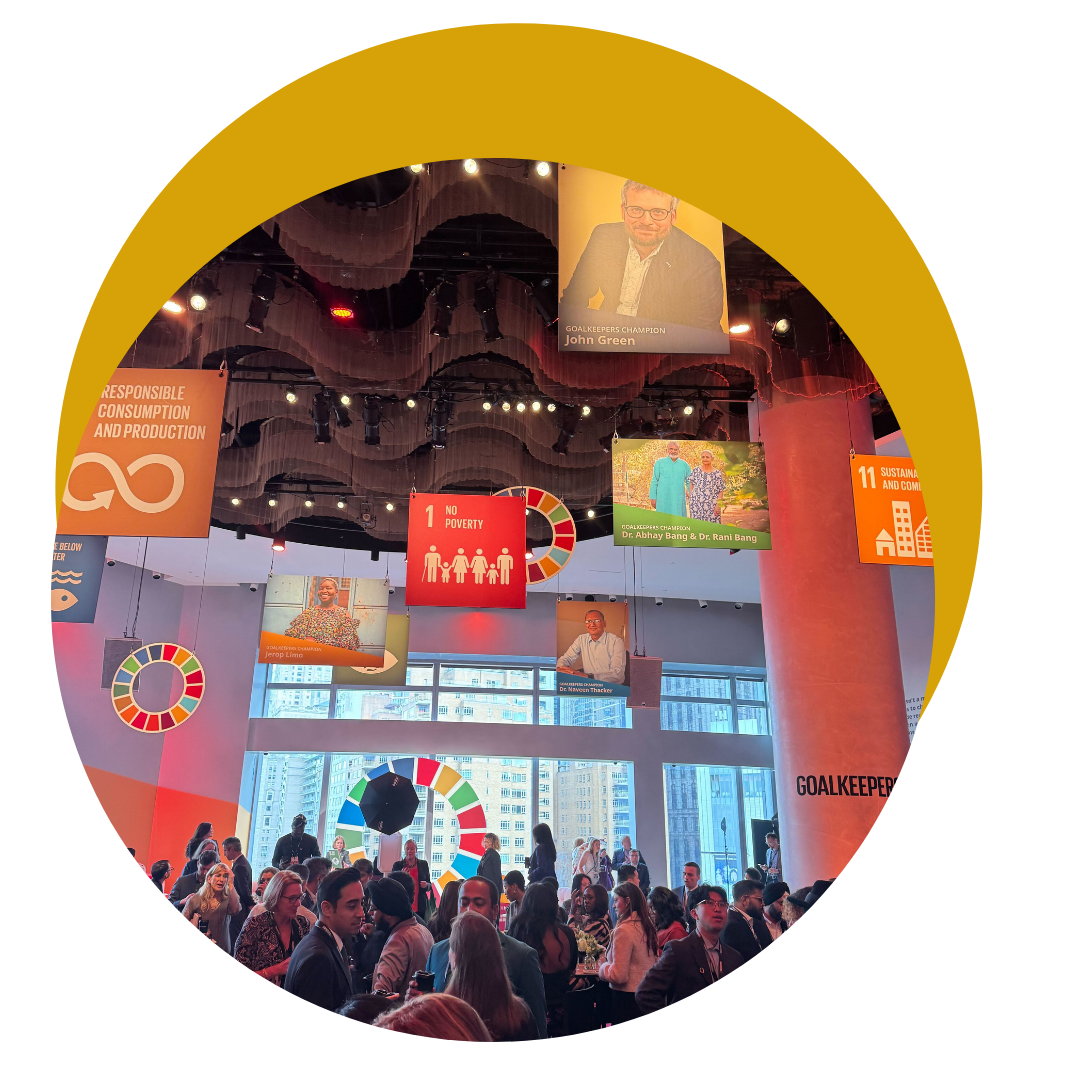
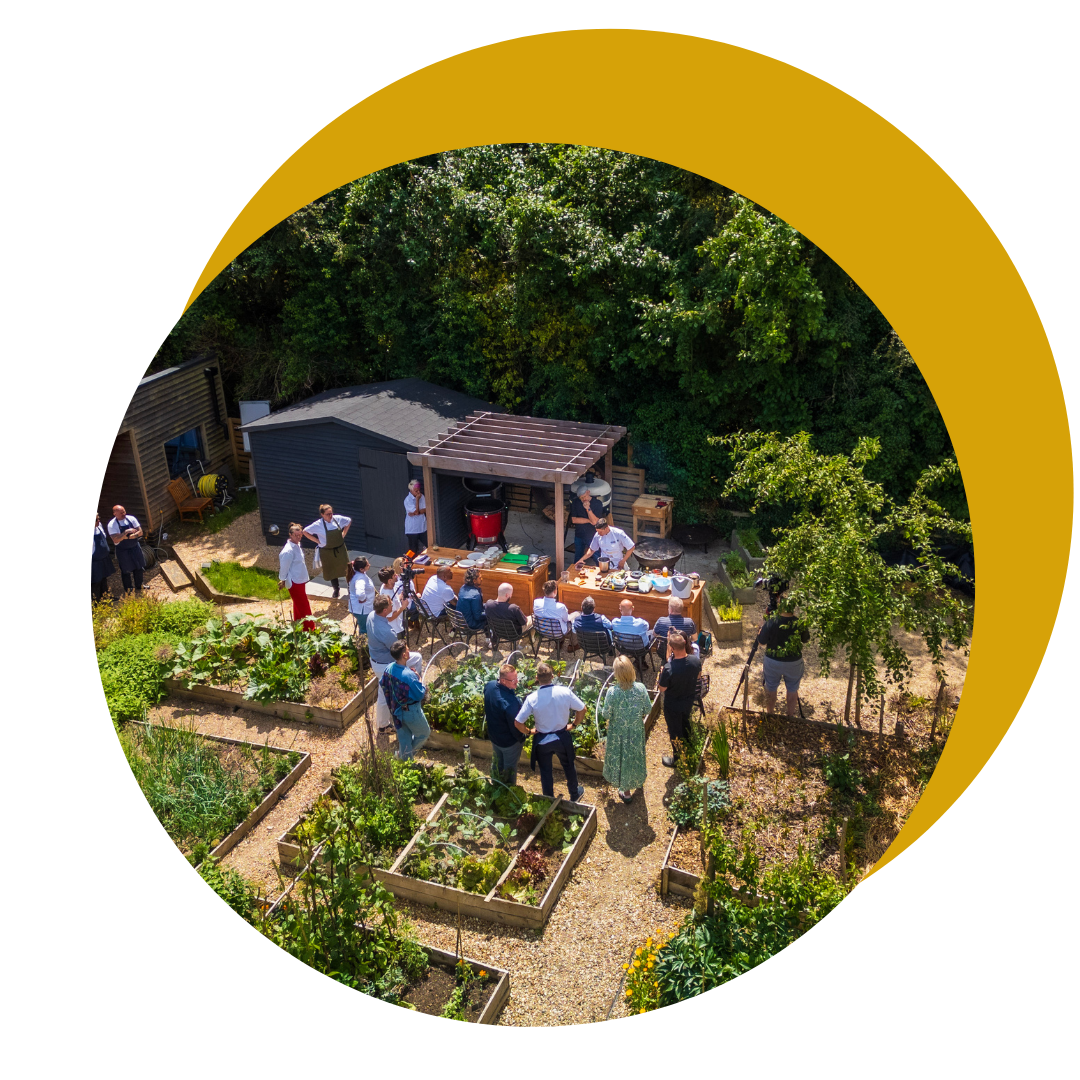
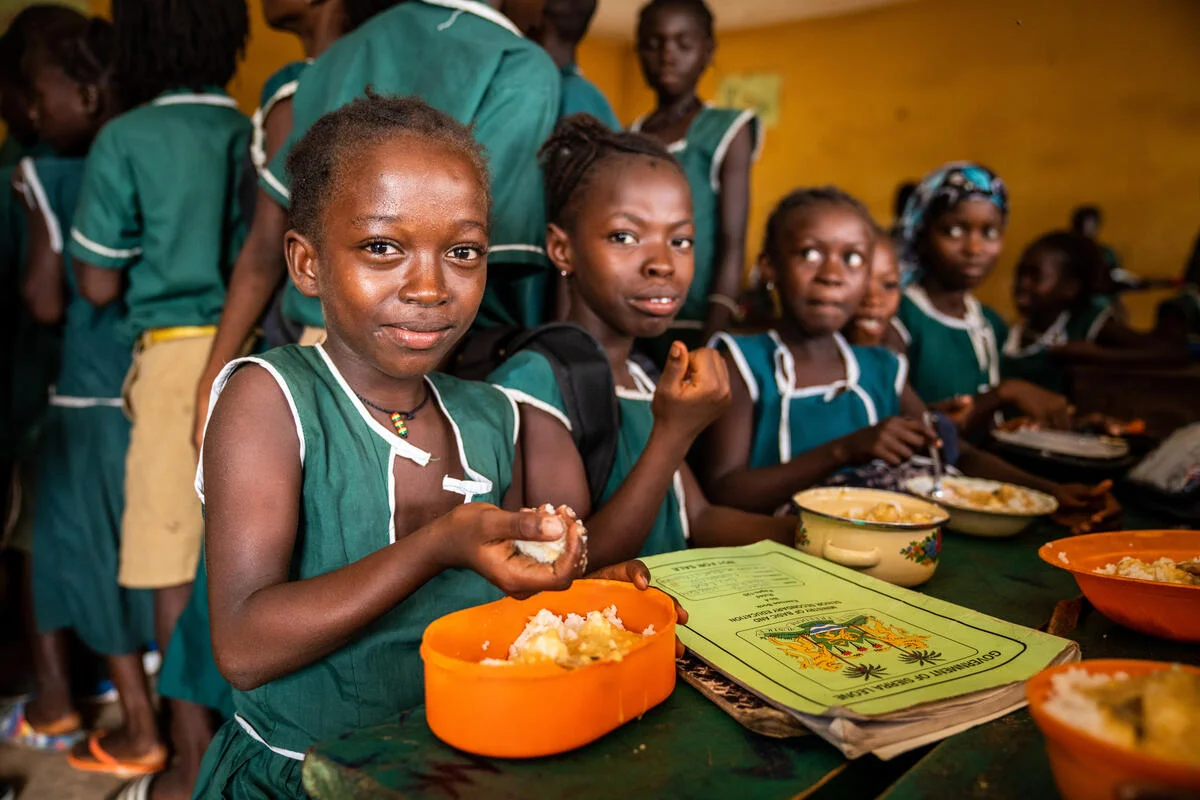
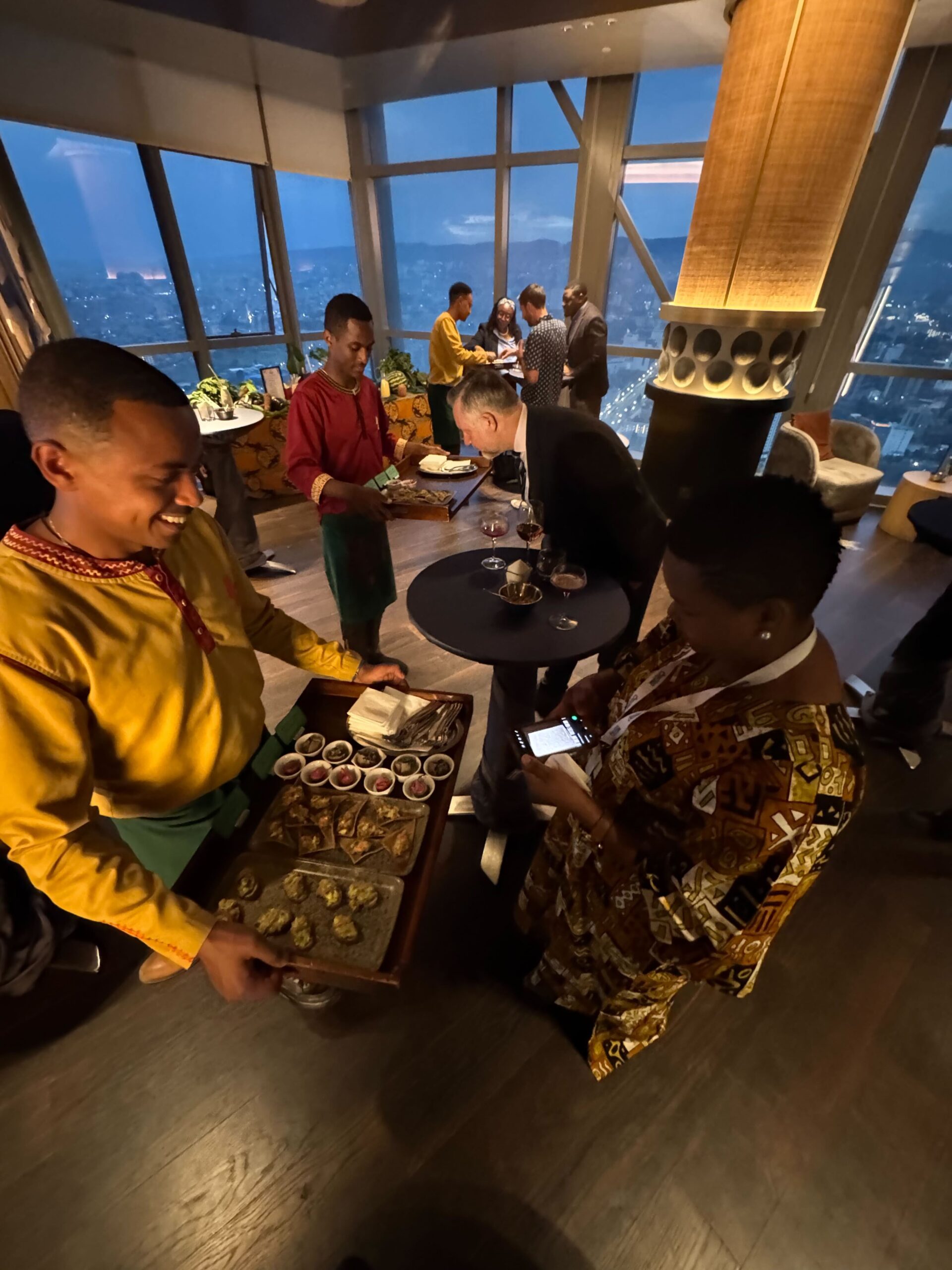
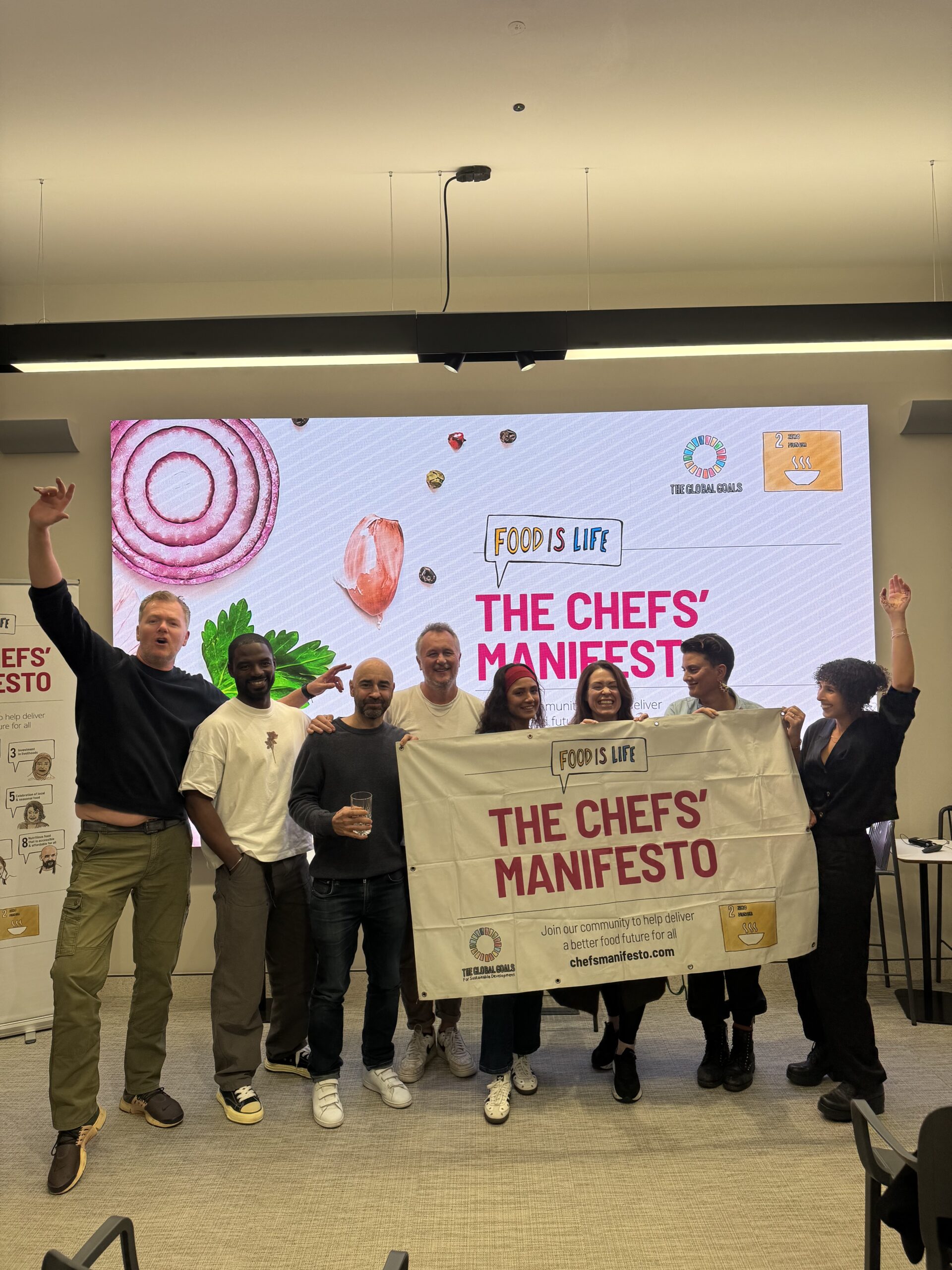
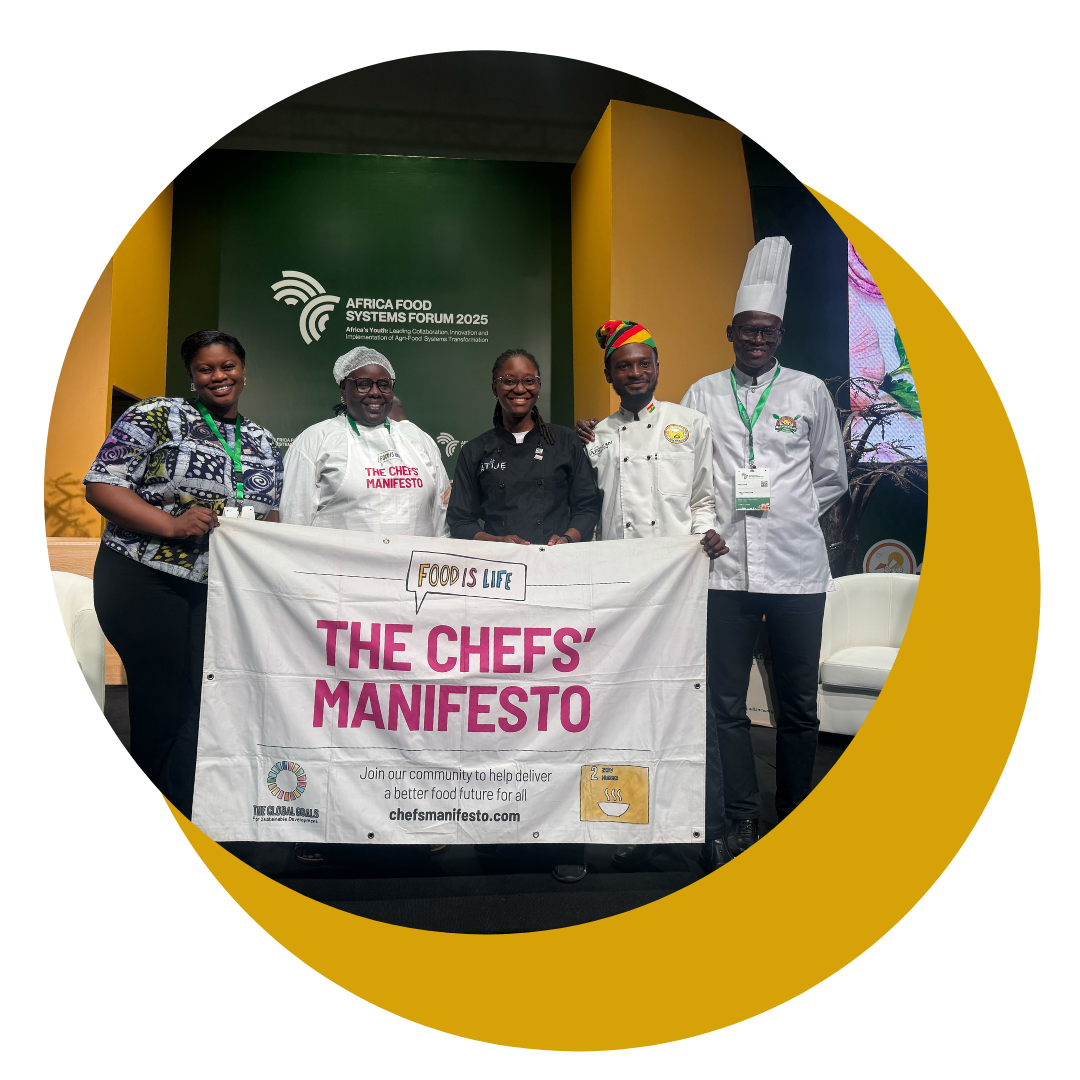
Trusted advocates, including the many chefs who are part of the Chefs’ Manifesto, continued to step up and speak out in 2025, connecting us through the power of food. They shared stories and examples of hope, positive change and opportunity amidst the challenge of too many #EmptyPlates. Bringing food to life on the plate at global moments such as Africa Food Systems Forum, Africa Climate Week and the World Food Forum, chefs curated delicious, nutritious, diverse, culturally relevant and sustainable meals to all who participated. In doing so, Food Champions helped ensure that conversations shaping our food future were informed by policy, science and creativity.
Across these moments, one lesson is clear. When resources tighten, the imperative is not to retreat, but to redefine and streamline our efforts based on what works: localisation, efficiency, strong coordination, and deeper collaboration. These approaches proved their value repeatedly this year, showing that impact grows when ownership is local and partnerships are purposeful.
As we look toward 2026, I encourage every member of the SDG2 community to consider strengthening new and existing partnerships, and how we can all work together to expand ambition, deliver for communities most in need, decrease duplication, and accelerate progress on our shared mission towards good food for all.
I hope the end of this year offers you and your loved ones a moment of rest and renewal. Thank you all for your impactful engagement and leadership throughout 2025. Together, we will let this year’s bright spots guide us into 2026, weaving their lessons into the bold, decisive action required to realise the SDGs by 2030. The world is watching; the time to act is now.