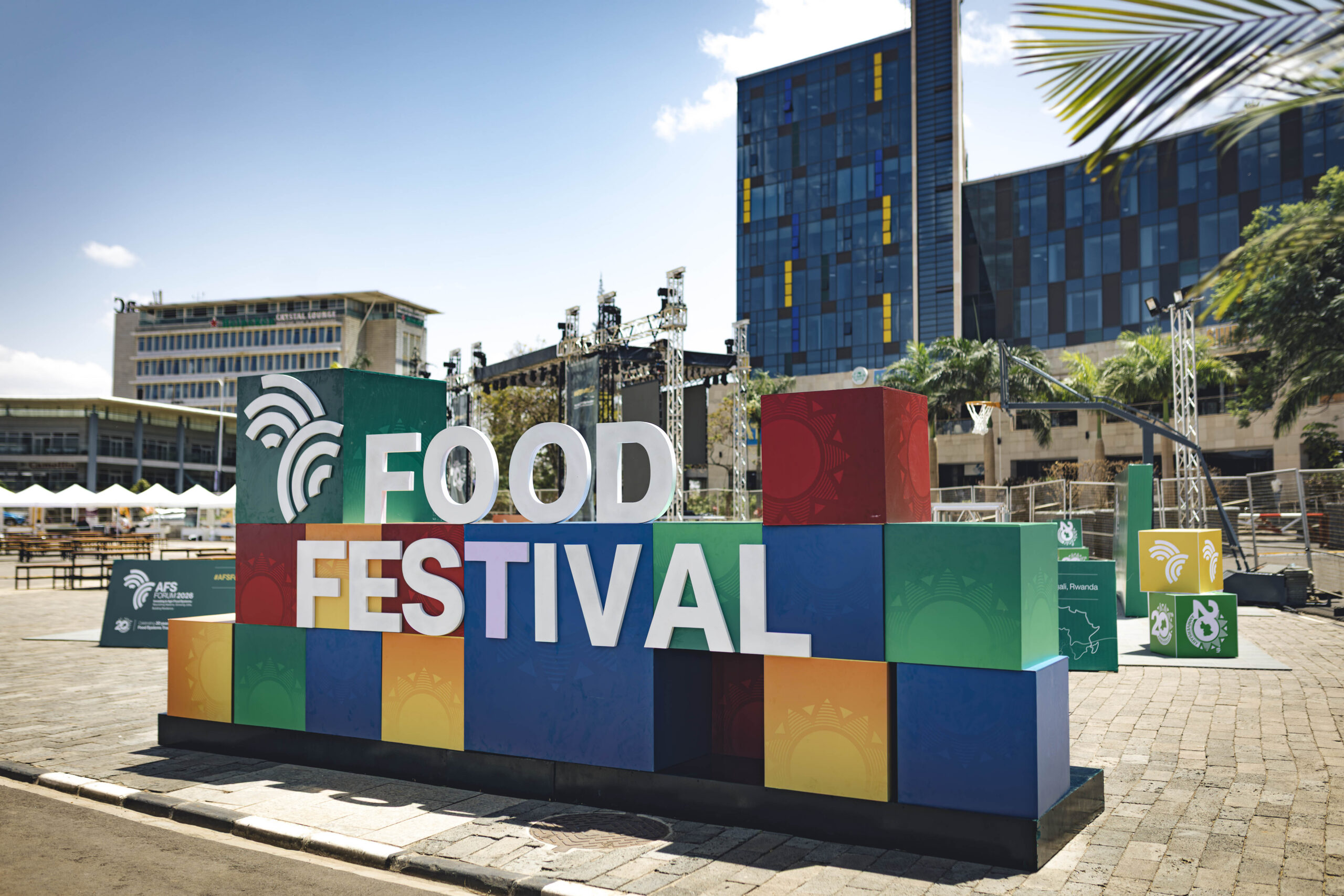
The 2026 Africa Food Systems Forum (AFSF) returned to Kigali with big questions about Africa’s food future.
Coinciding with the forum’s 20th anniversary, the 20th year of AGRA, and the promise of a new ten year Comprehensive Africa Agriculture Development Programme plan, delegates agreed: the future of African agriculture looks bright.
The announcements were substantial: new climate finance for rural resilience; a commitment to bring nutrition closer to agricultural investment; regional cooperation on livestock and trade, promises from parliamentarians to tackle outdated laws, fragmented budgets and policy silos. New thinking, too, about how agricultural research is designed and who gets to design it.
Read separately, they look like the usual spread of priorities that follows a continental summit. Read together, something more interesting appears.
AFSF 2026 was dealing with a challenge of how to better connect the different parts of Africa’s food systems.
A farmer can grow more and still earn too little. Scientists can develop a climate-resilient crop that nobody buys. Governments can increase agricultural investment without making a healthy diet more affordable. Even interventions designed to improve nutrition can run into a different barrier altogether: trust. Misinformation and confusion around food fortification, including its conflation with genetically modified foods, can shape whether consumers accept what eventually reaches their plates.
Producing food, in other words, is only the beginning.
Key takeaways from Kigali
-
Building resilience requires investment. IFAD and its partners announced a $200 million climate finance initiative targeting four East African countries. It is intended to strengthen rural resilience against climate shocks. Farmers cannot supply markets if droughts, floods and increasingly unpredictable seasons keep wiping out production.
-
Partners are breaking down silos. GAIN and AGRA signed a Letter of Intent to strengthen the link between agricultural investment and nutrition. This aims to close the gap between agricultural yields and nutrition, embedding nutrition more directly into AGRA’s investments and giving healthy diets a more prominent place in future AFSF summits.
-
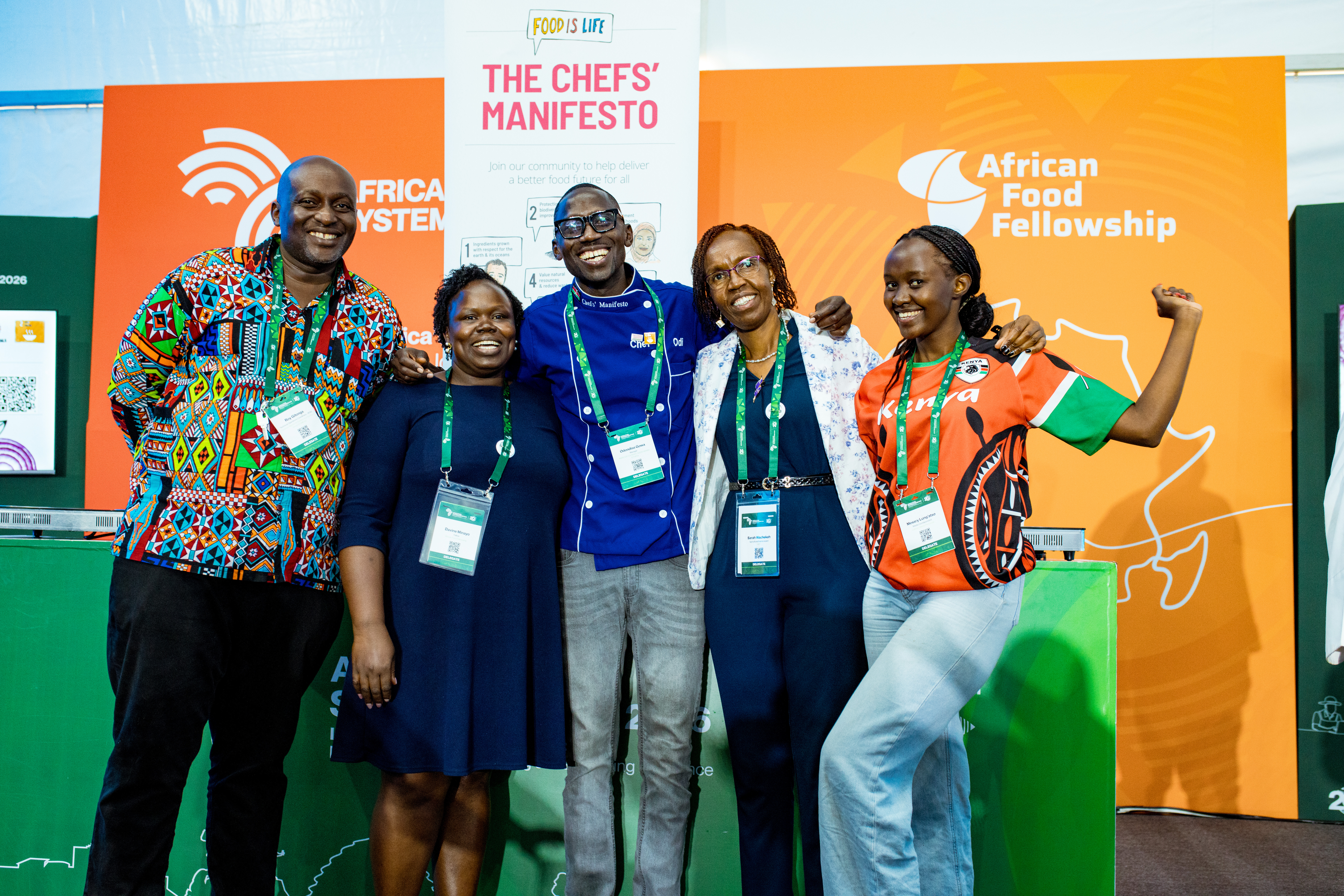
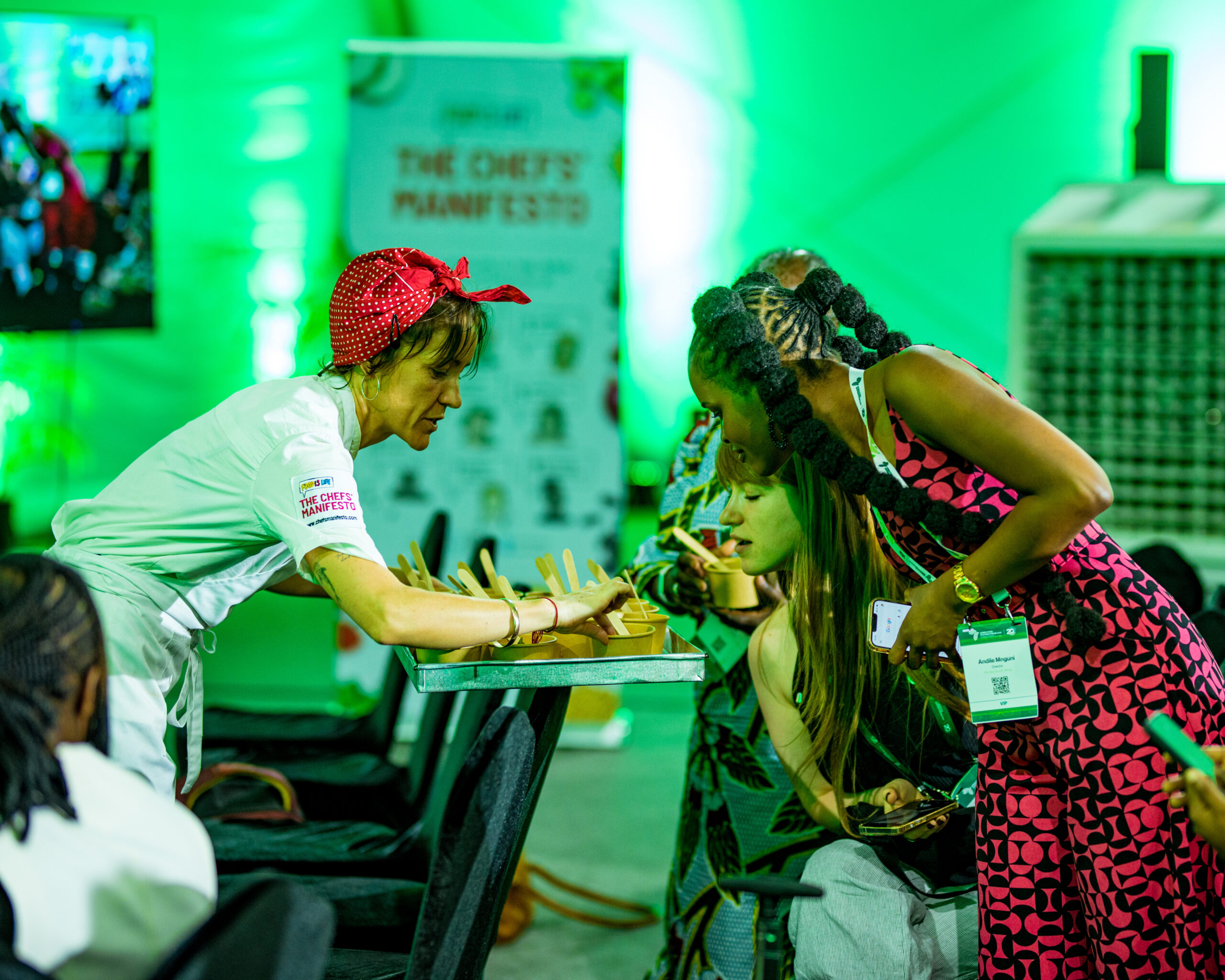
Chefs are incredible champion voices to help create an enabling for scaling indigenous and climate-resilient foods. It is not enough to tell farmers to grow nutritious, resilient crops. Processors need a reason to invest in them. Retailers need to stock them. Schools and public food programmes can create markets for them and consumers ultimately have to want to eat them. As trusted messengers, chefs can help incentivise demand, becoming a key lever in food system transformation that strategies can easily underestimate.
-
Africa needs a new narrative on livestock. Conversations with Gates and ILRI championed the role livestock plays in protecting livelihoods, especially during shocks. Eight African countries committed to closer cooperation on regional livestock value chains.
-
Governments are making pledges. Parliamentarians pledged to review outdated agricultural and land laws, break policy silos and better align national budgets with women, young people and marginalised producers.

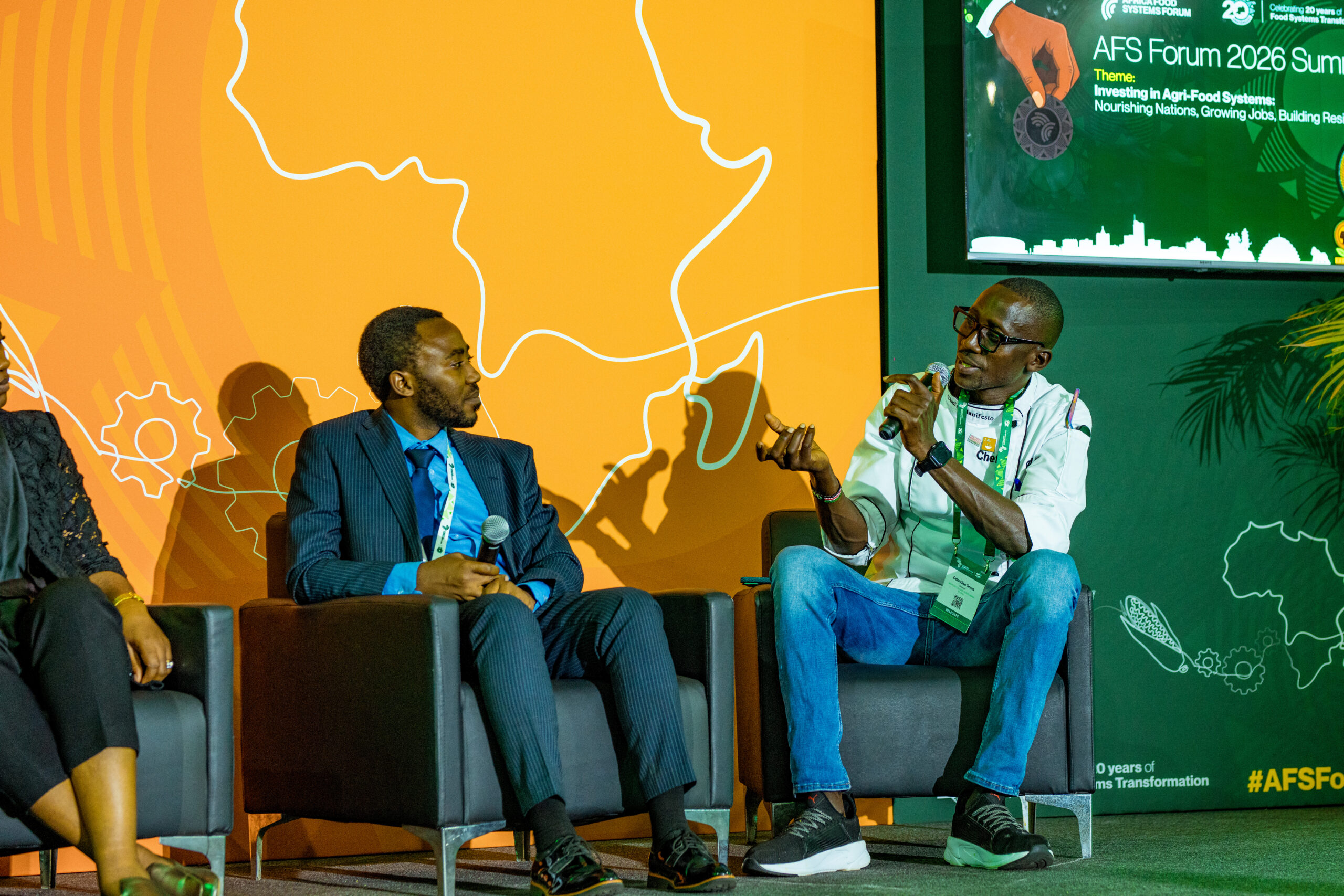
Signing a commitment is the easy bit. Africa cannot finance its way out of a nutrition problem, research its way out of a market problem or simply produce its way out of an affordability problem. The pieces are interlinked.
AFSF 2026 offered an opportunity to turn that shared ambition into food systems that work better for farmers, markets and ultimately, the people they are meant to nourish.
We are excited to play our role in connecting, convening, and catalysing action to support Africa’s food future!
See More
Chefs on a mission: connecting, convening and catalysing change from the farm to the plate
Between promises and progress: Food systems at the Bonn climate talks