By Nanzala Lazarus, Senior Policy and Advocacy Officer
The just-concluded African Union (AU) Summit in Ethiopia’s capital, Addis Ababa, has set the political momentum with 2026’s theme focusing on water and sanitation. Our governments must use this moment to connect water, food systems, nutrition, and resilience financing into one delivery agenda that will not only drive this year’s theme but anchor the implementation of the Kampala CAADP commitments.
Water is the foundation of sustainable food systems and healthy diets; yet 95% of the continent’s food production is rainfed, and an additional 921 million people in Sub-Saharan Africa are estimated to be water-stressed by 2050.
Reflecting on the summit itself, one agenda item that stood out was the conversation around financing. Most governments across Africa already have costed food systems transformation pathways that integrate climate, water and nutrition. However, the challenge has always been how to bring these plans to life through sustainable financing.
It was therefore refreshing to see financing conversations dominate at both the main forum and on the sidelines.
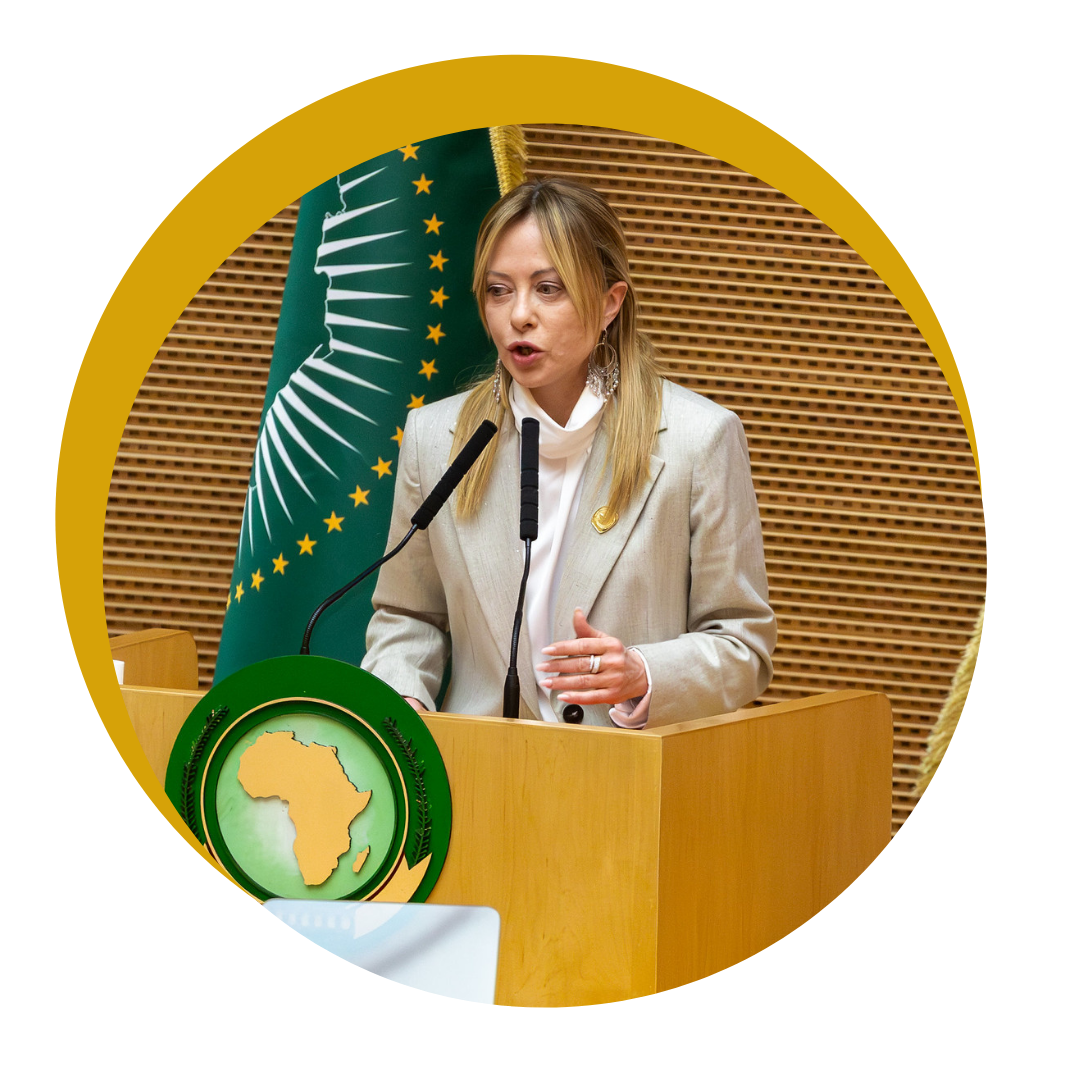
In her remarks, Italy’s Prime Minister Giorgia Meloni used the summit to signal support for debt-suspension clauses for countries hit by extreme climate events, alongside debt-conversion approaches tied to development projects. Whatever one thinks of the wider politics, the underlying signal is important: climate shocks are no longer just environmental shocks; they are fiscal shocks.
Developing countries cannot build resilient food systems while managing recurrent climate emergencies amid rigid debt servicing and crisis budgeting. If resilience is the goal, then debt instruments must be able to withstand shocks. Public investment in food systems must be financed on flexible terms that countries can sustain.
But debt relief on its own is only part of the answer. It may create fiscal breathing room in a crisis, but it does not, by itself, build the long-term financing architecture needed to deliver CAADP at the scale and ambition needed by the African continent.
This is where the African Development Bank’s (AfdB) signals at this summit become especially important. Too often, summit discussions call for ‘more financing’ without specifying the reforms needed to make financing work. In contrast, at this summit, the AfDB’s messaging was more concrete. The Bank pointed to a stronger concessional base to sufficiently resource CAADP plans through the African Development Fund, while President Sidi Ould Tah advanced a broader financing agenda under a New African Financial Architecture.
That matters because CAADP implementation is not only about funding individual projects. It is about building a financing system that can support transformation at scale.

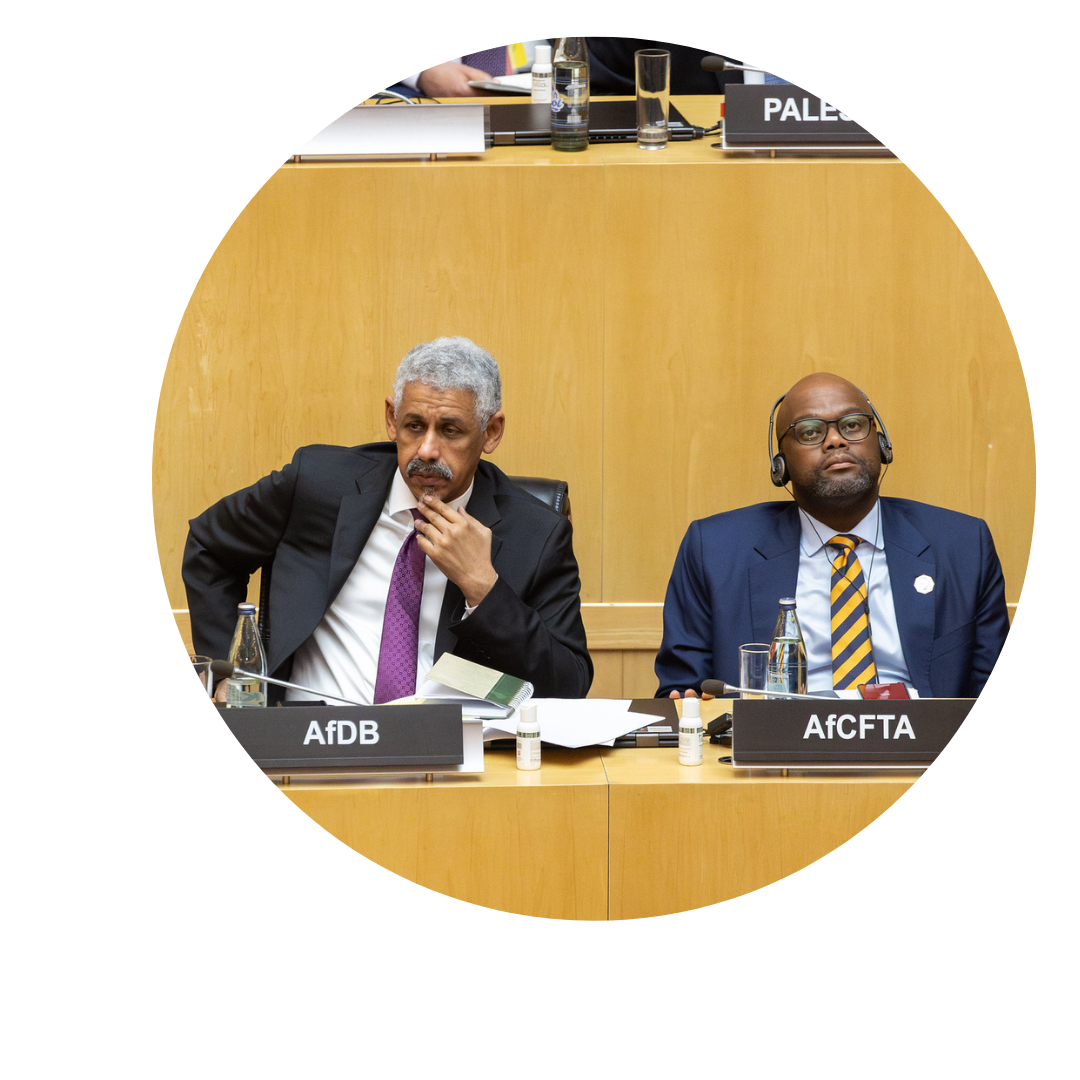
The priorities discussed between the AU and AfDB – stronger project preparation, mobilising African capital at scale, advancing an African credit rating agency, and building a more coherent continental financial architecture – go directly to the heart of CAADP implementation.
I can only hope that these are not just technical side conversations, but rather, the difference between ambition and delivery, and countries and relevant institutions will follow through with action.
If the Kampala CAADP era is to mean anything, 2026 must be the year African governments stop treating food systems, water, and financing as separate agendas and start implementing them as one. That means coordinated plans, funded priorities, lower-cost capital and delivery systems that people can actually feel in their daily lives.
Why African Food Systems must be Central to all Climate Conversations
Between promises and progress: Food systems at the Bonn climate talks