UNFSS+4, the United Nations Food Systems Summit +4 Stocktaking Moment, saw food system leaders from around the world gather in Addis Ababa, Ethiopia to assess progress, share innovations, and accelerate action toward transforming our food systems to deliver on the Sustainable Development Goals (SDGs), especially SDG2: Zero Hunger.
Held at a critical juncture, UNFSS+4 served as a platform for reflection, accountability, and renewed momentum towards food systems transformation.
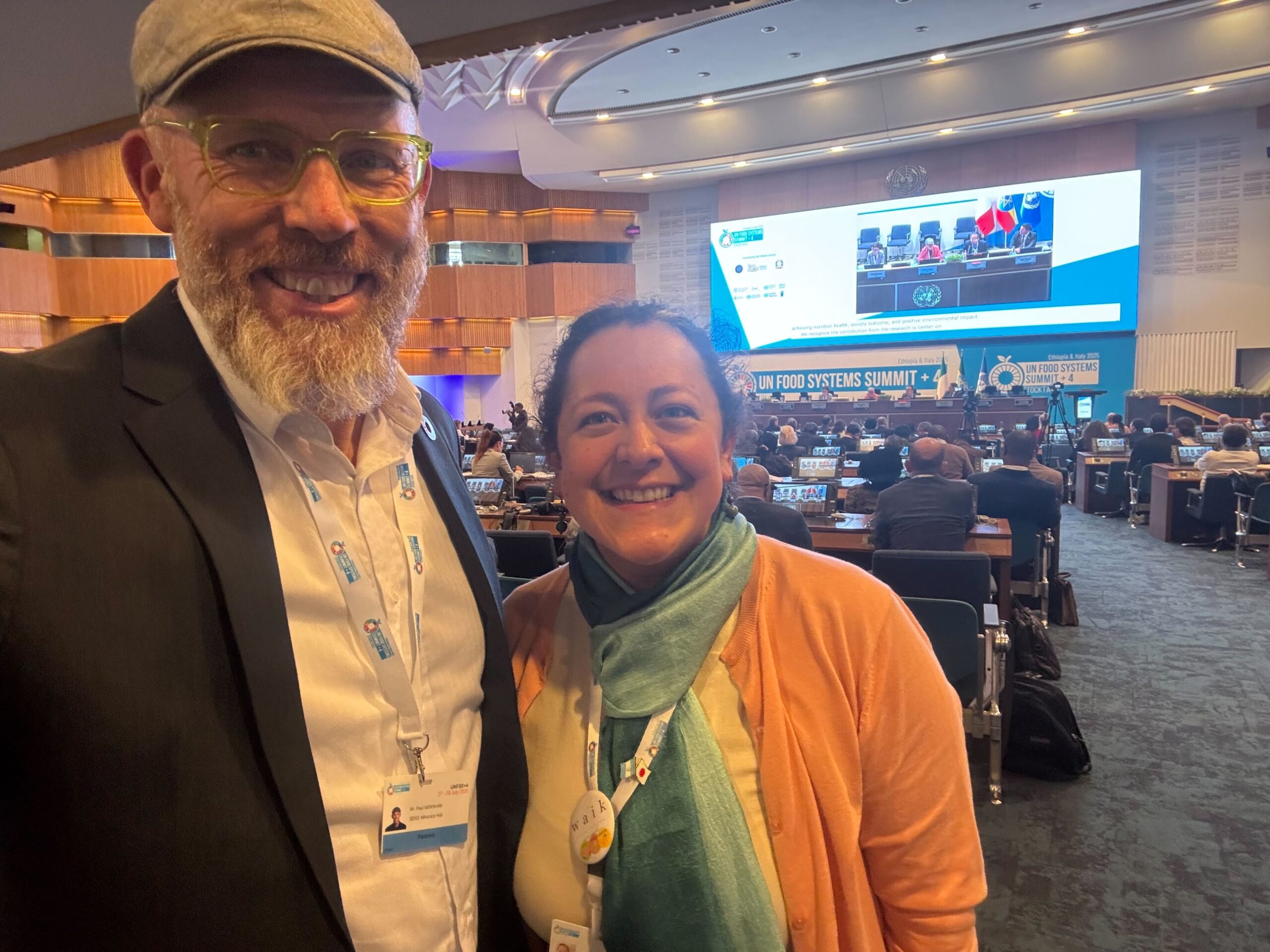
Paul Newnham, CEO of the SDG2 Advocacy Hub, reflects on his time at UNFSS
“What surprised me most at UNFSS+4 was the diversity of voices. There were people from all walks of life, including farmers, scientists, and policymakers, from all across the world, wanting to connect and understand how systems and food can be part of the solution. And it was so exciting to hear some of those great examples.
What gave me hope in all of the discussions was the potential for collaboration, the potential for laddering up, and the potential for scaling innovations. We need to consider how to scale what works, how to move forward, and the impact that will have.
My call to action is to lean in, work together, and find ways to remove barriers, to secure the necessary funding and drive investment. If we do this, we can achieve Good Food for All,” said Paul Newnham.
Biodiversity Bites: Tasting Solutions for Nutrition, Climate and Soil Health
During the UN Food Systems Summit +4 Stocktake (UNFSS+4), the SDG2 Advocacy Hub and Chefs’ Manifesto, in partnership with the Alliance of Bioversity International and CIAT, hosted a working breakfast that brought science and flavour to the table.
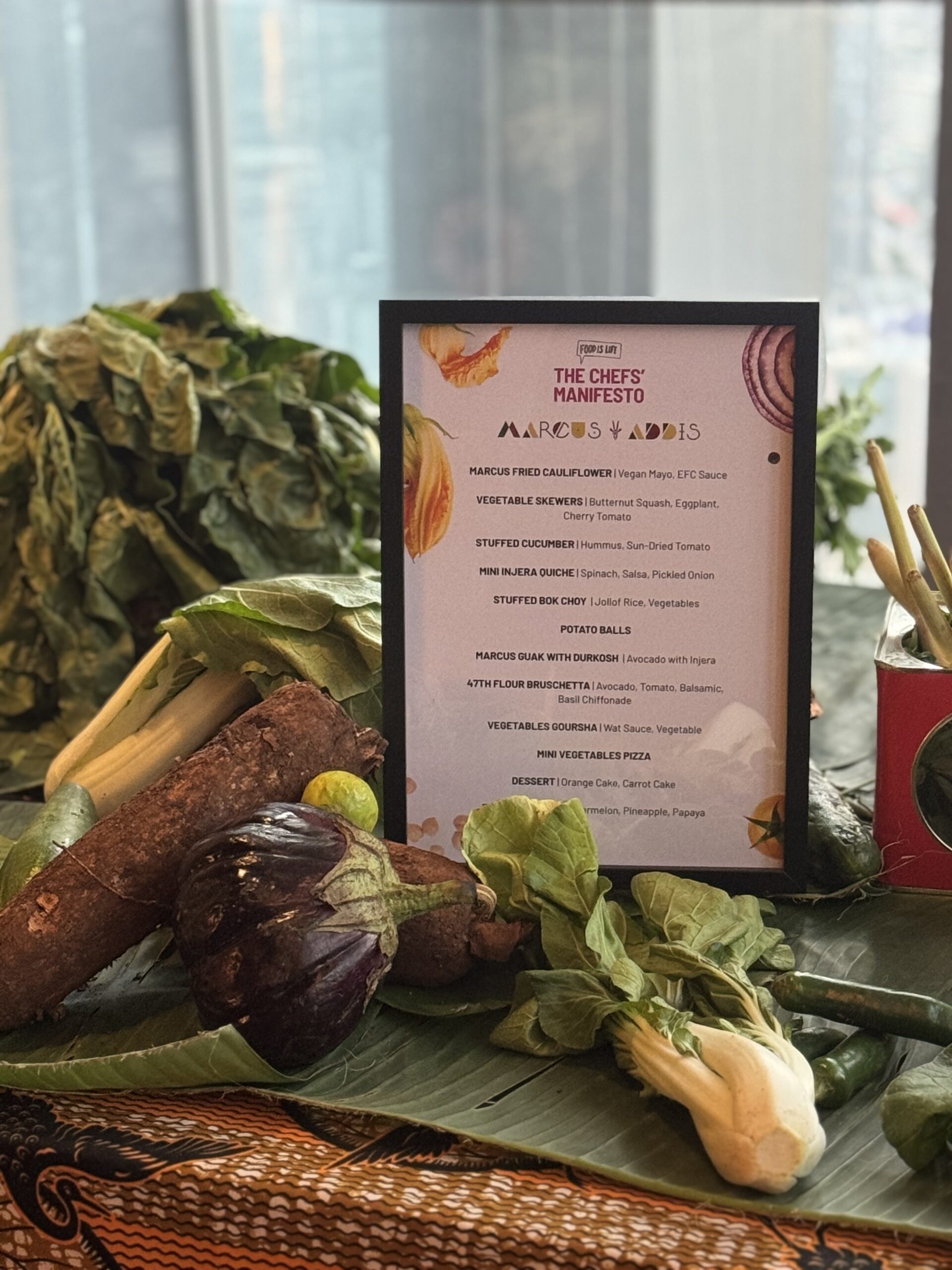
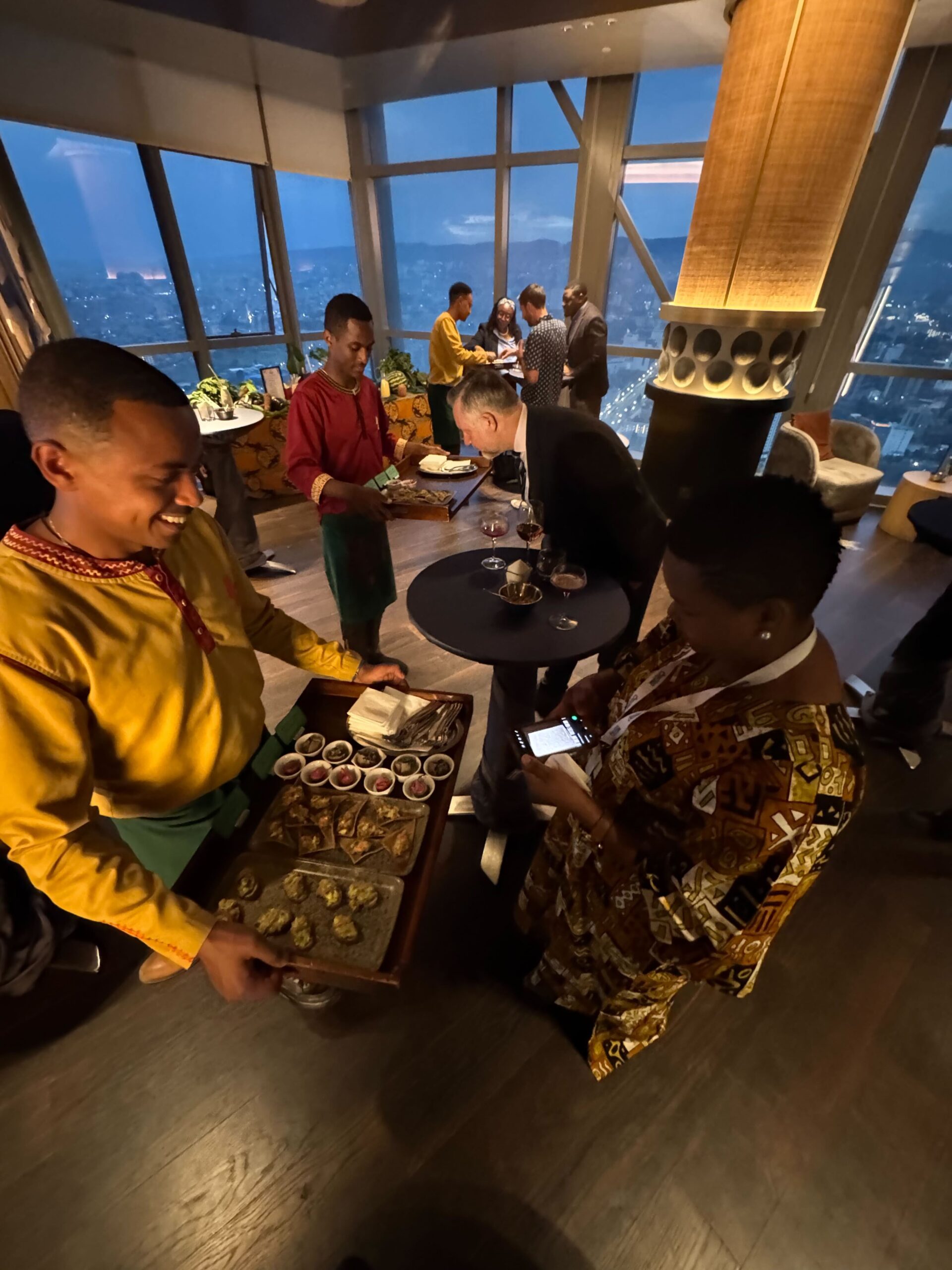
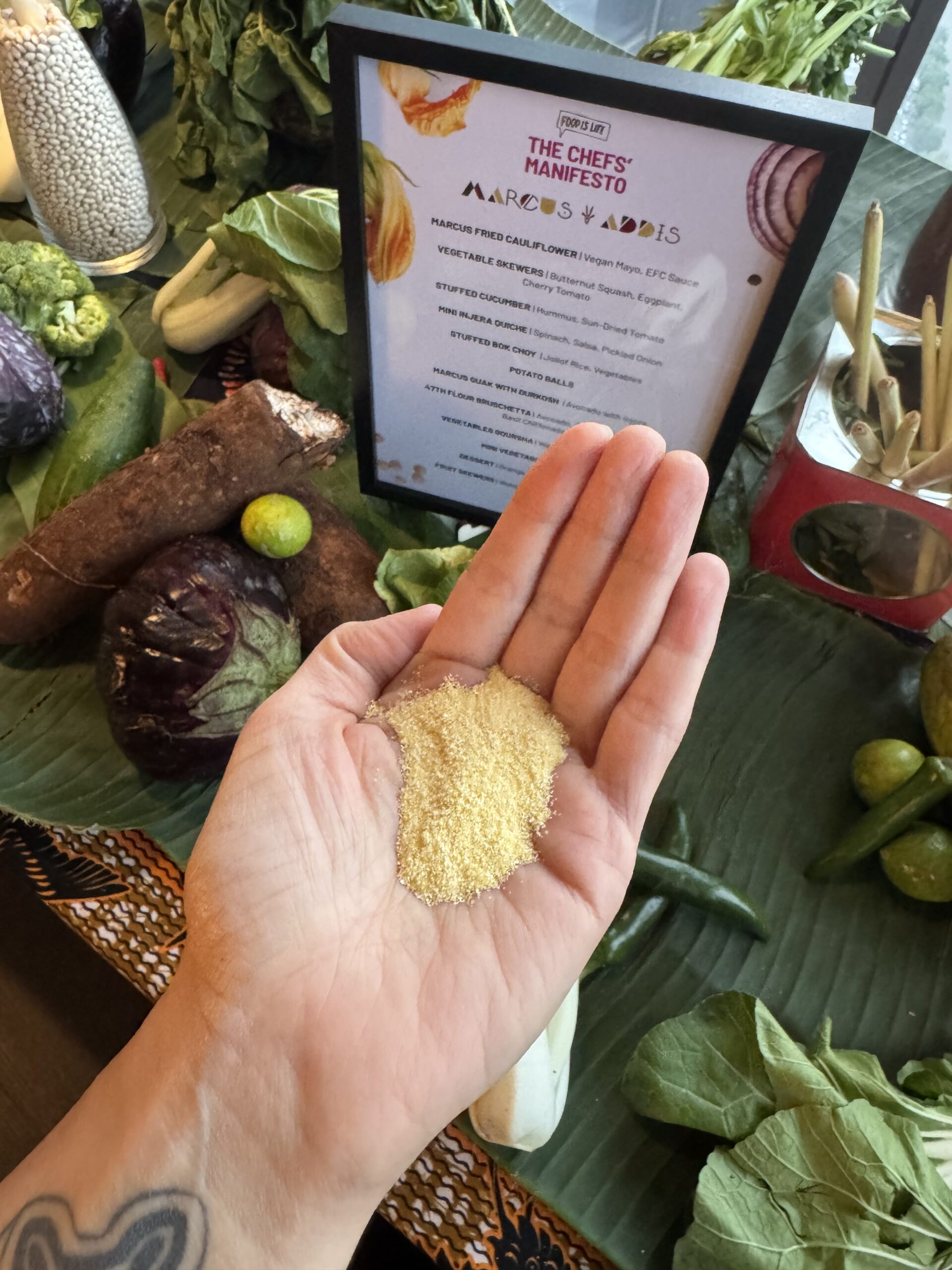
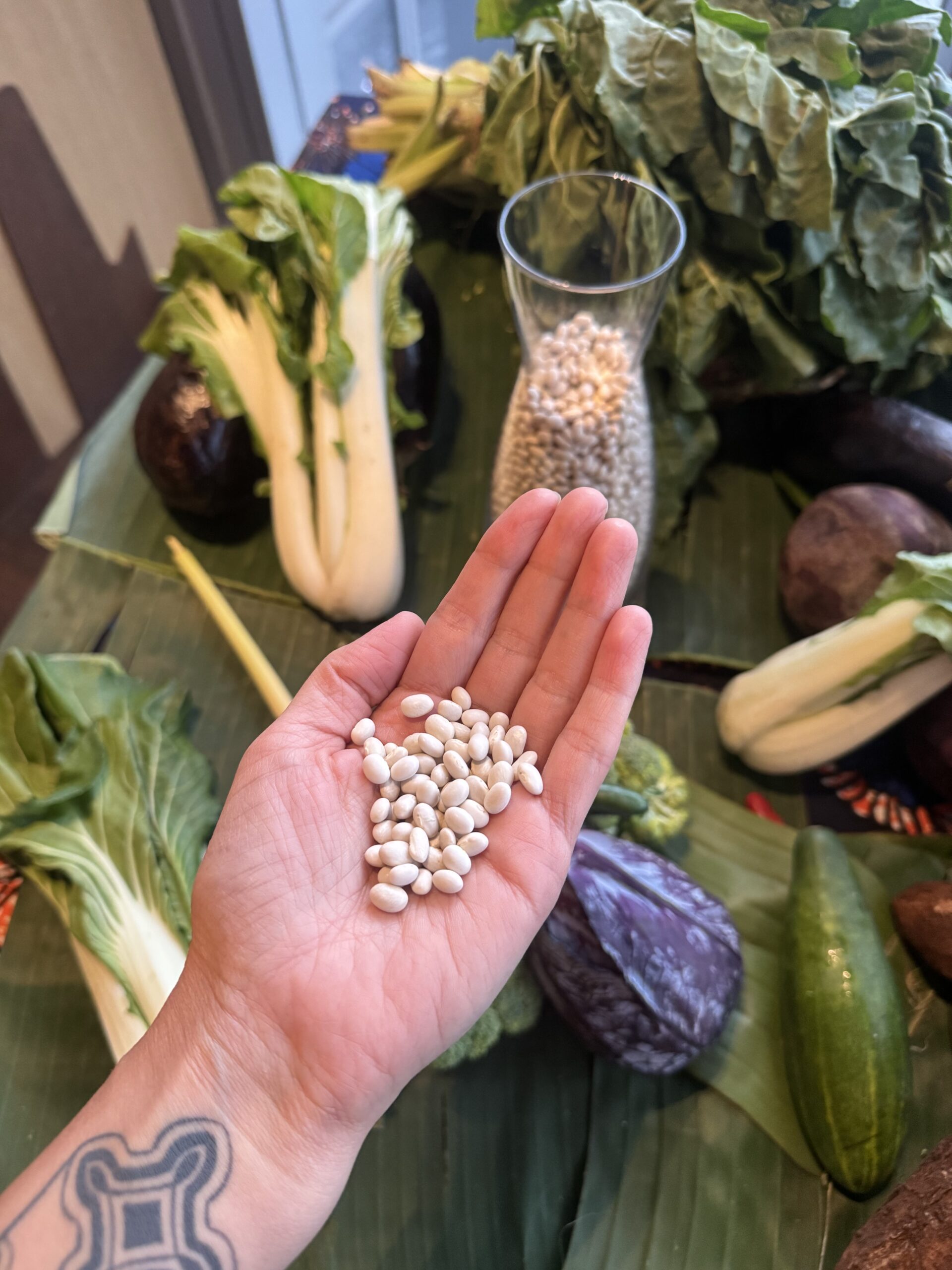
Coming together for a shared dining experience, guests explored how what we eat connects to the health of people, climate, and soil through a curated culinary journey from Chef Odi Gowa Omotto, Head Chef at Marcus Restaurant in Addis Ababa and Chefs’ Manifesto food champion. His breakfast menu showcased biodiversity by celebrating ingredients such as zebra beans, indigenous greens, teff injera and cassava, bringing to the plate the bold, research-based solutions championed by the Alliance and CIAT.
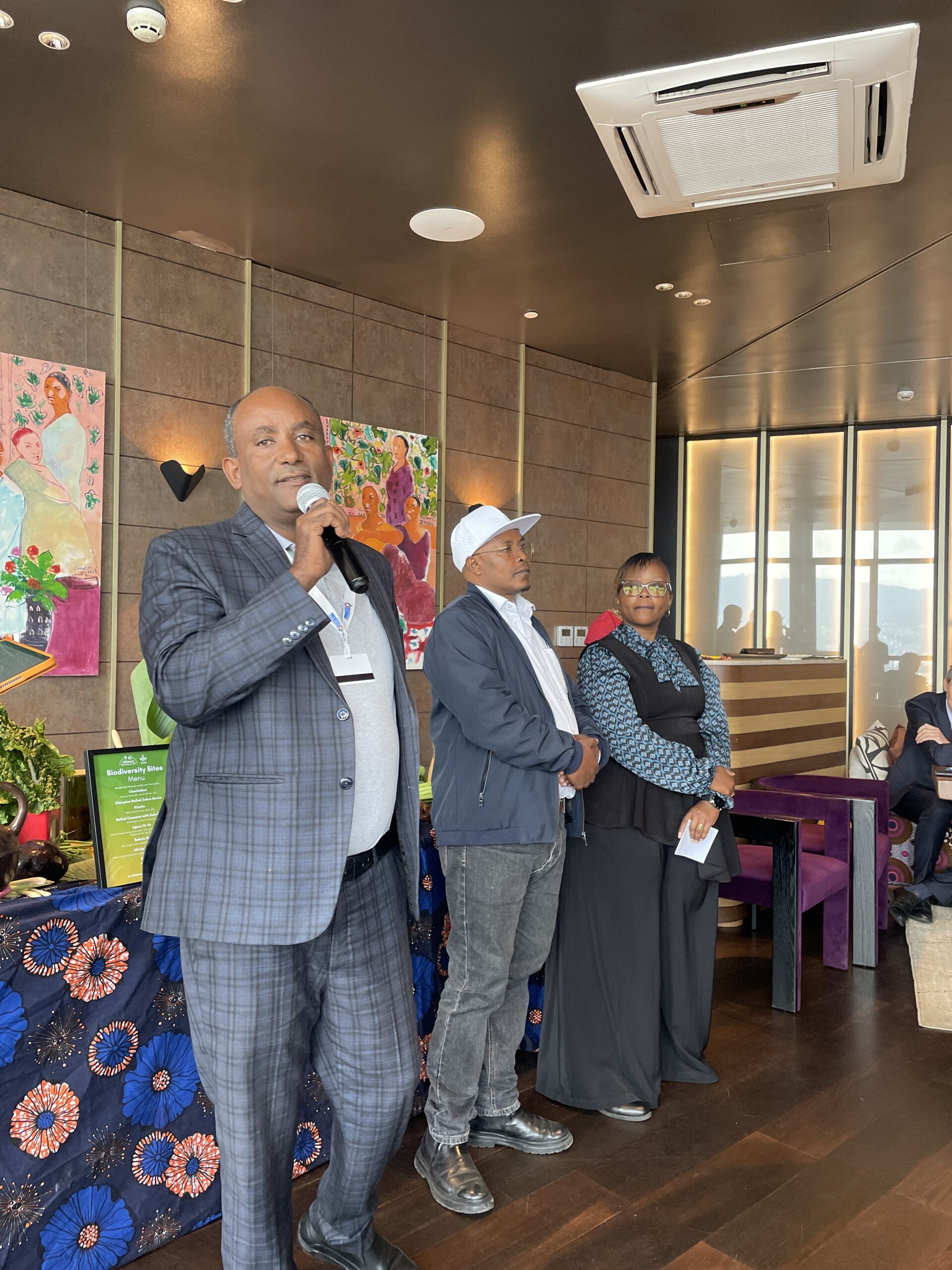
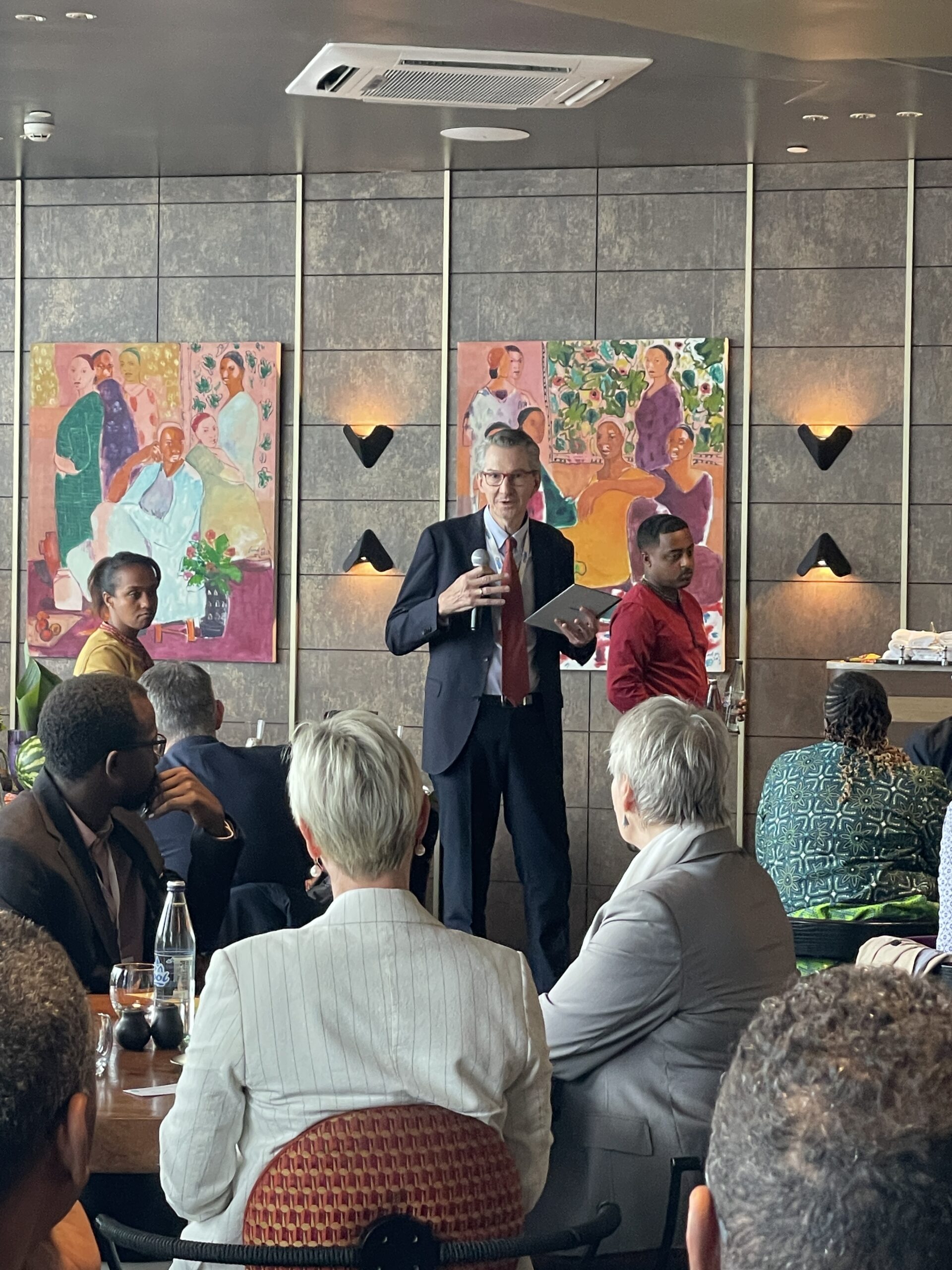
Juan Lucas Restrepo, Director General of the Alliance of Bioversity International and CIAT delivered opening remarks on the science behind crop diversity and its importance in tackling the interconnected challenges of climate, nutrition, and livelihoods. A guided tasting from Chef Odondise Gowa Omotto was followed by powerful interventions from Dejene Megistu,Senior Scientist, Alliance of Bioversity and CIAT, Mesfin Gebrehiwot, farmer, and Emily Kigume-Ruigu (Bayer), highlighting how food biodiversity can nourish both people and the planet.
Country perspectives enriched the conversation with Dr. Karta Kaske (Ethiopia), Dr. Tran Van The (Vietnam), and Dr. Marina Godoi (Brazil) sharing national pathways that promote food biodiversity for healthy and diverse diets. The session concluded with reflections from Wanjiru Kamau-Rutenberg, Managing Director for Africa at the Alliance, and Paul Newnham, reinforcing the call for bold, locally-rooted solutions to drive global food systems transformation.


Mobilising Smarter Aid to End Hunger: A High-Level Reception at UNFSS+4
Co-hosted by the SDG2 Advocacy Hub and the Gates Foundation, this high-level reception spotlighted the urgent need for smarter, better-targeted development finance in the fight to end hunger and malnutrition.
With less than five years to go until the 2030 deadline for the SDGs, global hunger persists and financing gaps continue to widen. With development aid under increasing pressure, understanding how Official Development Assistance (ODA) is spent, and where it delivers the most impact, has never been more critical.
The event brought together senior leaders and key voices from across the food and nutrition landscape to explore the latest findings from the 2025 State of Food Security and Nutrition in the World (SOFI) report. This year’s SOFI warns that the financing gap for achieving global food security runs into the trillions. In 2025 alone, global nutrition aid has already seen a 44% cut, and further reductions from G7 countries are expected in 2026. While some progress is being made, current investment levels are simply not enough to achieve Zero hunger by 2030.
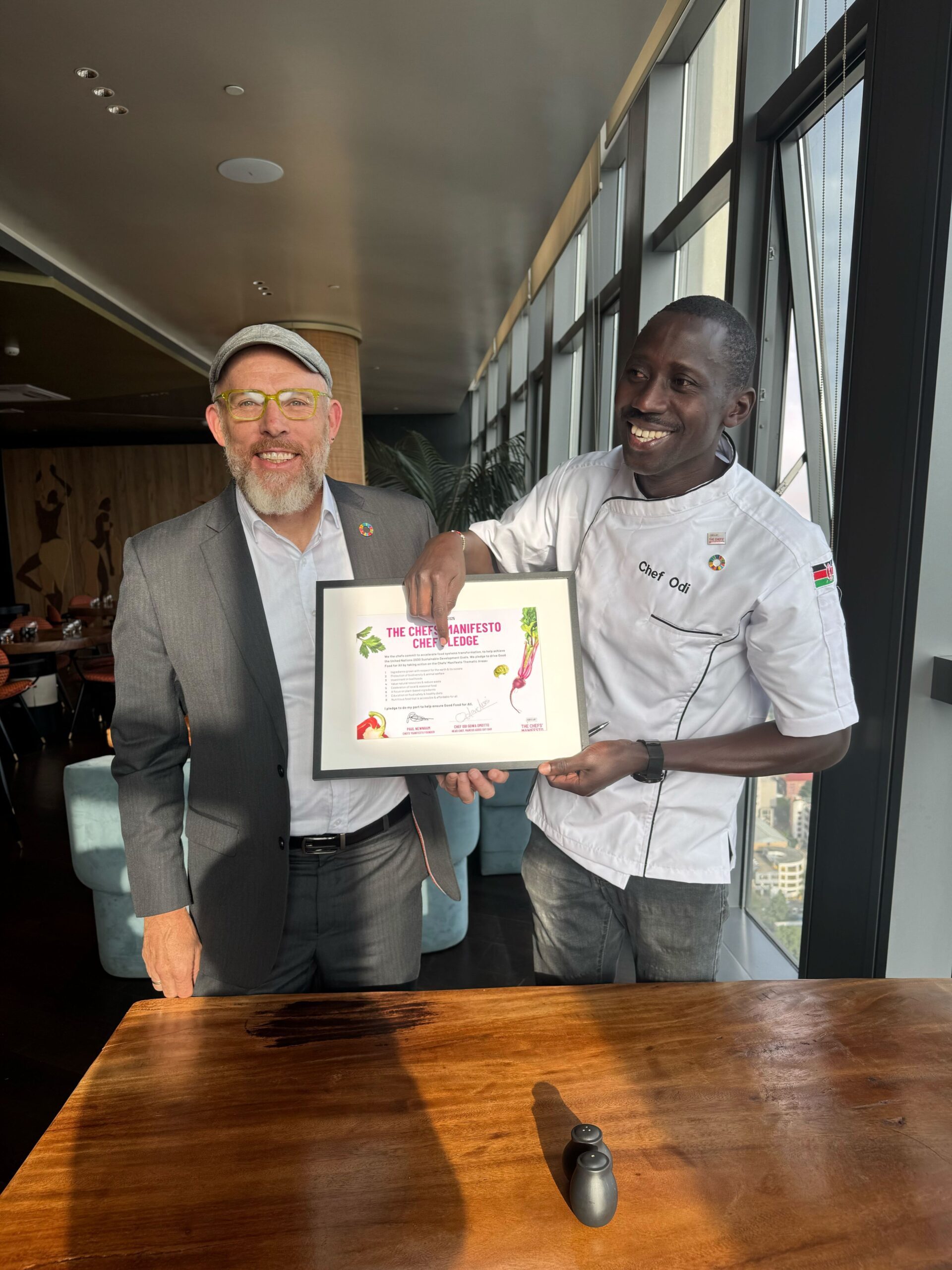
The evening opened with welcoming remarks followed by a powerful conversation with Chef Odi, who reflected on the role of chefs as storytellers, changemakers and advocates for Good Food for All.
A highlight from the reception was the preview of the BETA Food Security & Nutrition Aid Analyser – a new tool from the FAO and the Shamba Centre for Food & Climate developed under Hesat2030, introduced by Francine Picard, Director of Partnerships at the Shamba Centre, and David Laborde, Director of the Agrifood Economics Division at FAO. The platform brings transparency to how food and nutrition aid is tracked, showing where money is going, how it’s measured, and how much more is needed to truly move the needle.
By linking aid flows to scientific evidence and policy priorities, it will help identify funding gaps, simulate the impacts of future cuts, and ultimately strengthen accountability and coordination in the sector. An interactive demonstration of the platform offered guests a closer look at how better data and tools can strengthen accountability and guide more effective investment.
Government representatives, including Hon. Jeremy Lissouba (Republic of Congo) and Andreas Schaumayer (Germany), shared national perspectives on the role of data-driven investment, local collaboration, and evidence-based policymaking. Elizabeth Nsimidala (President of the Eastern Africa Farmers Federation) gave powerful insights into the lived experiences of smallholder farmers and emphasised the critical need for inclusive, accountable financing mechanisms.
“With less than five years remaining in the SDG 2030 timeline, the need for collaboration and practical action is clear. Let’s use this space to exchange perspectives and explore how we can align more effectively to accelerate progress.” Paul Newnham
As leaders came together at UNFSS+4, this reception served as a rallying point to push for bold, evidence-based action and investment. Better data and greater transparency can help drive the progress urgently needed to end hunger and malnutrition, because achieving SDG2 depends not only on doing more, but doing it smarter.

Held at a critical juncture, UNFSS+4 served as a platform for reflection, accountability, and renewed momentum towards country-led food systems transformation. As we look ahead to other key moments coming, including the Africa Food Systems Summit, Africa Climate Summit, COP30, and the UN General Assembly, the SDG2 community must seize these global opportunities to call for more action.
The path to Zero Hunger depends on what we do next. The insights from SOFI 2025 are a stark reminder that ending hunger and malnutrition is both urgent and achievable, only if we act boldly and collectively.