Global food systems are under renewed pressure as the Iran-Israel- United States conflict intensifies.
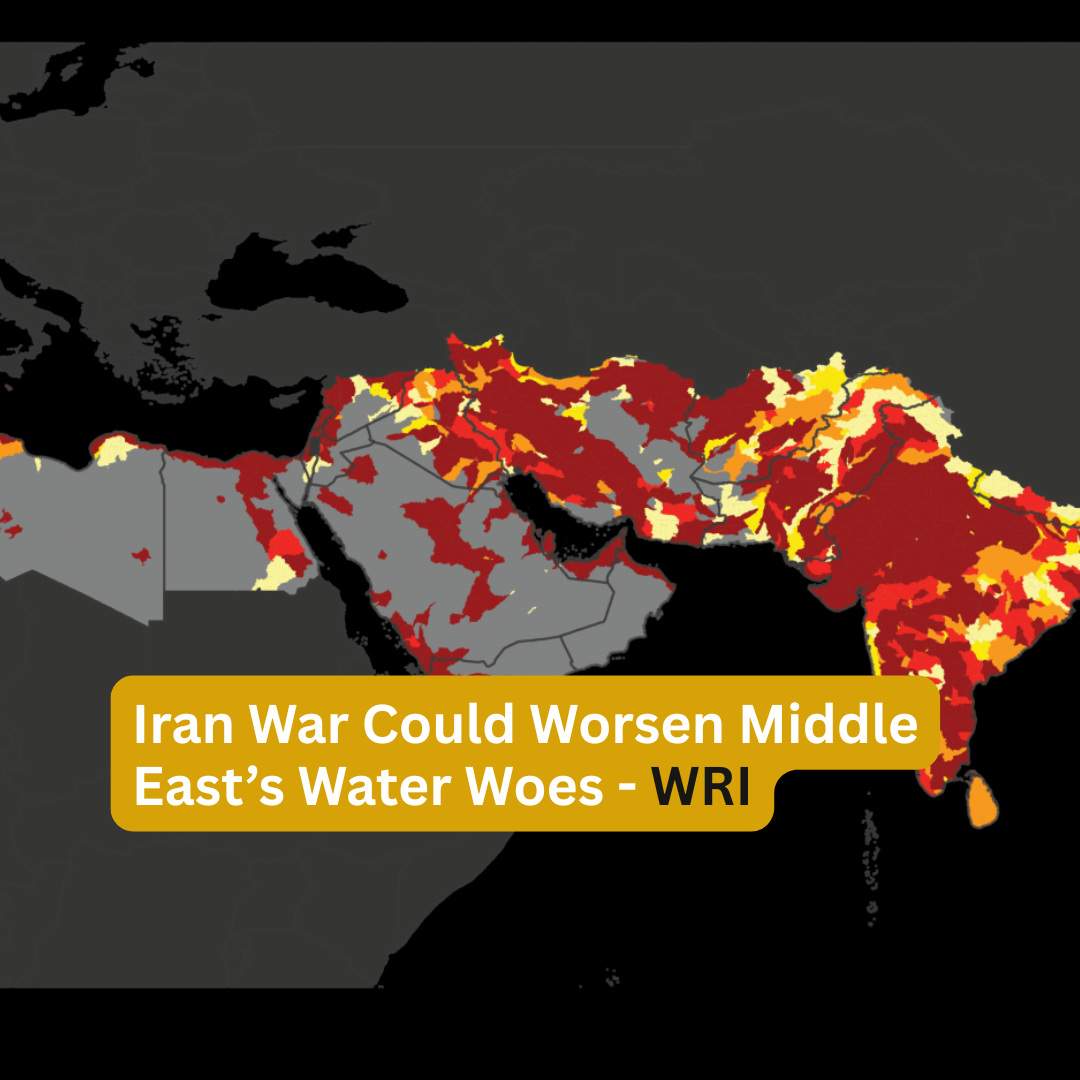
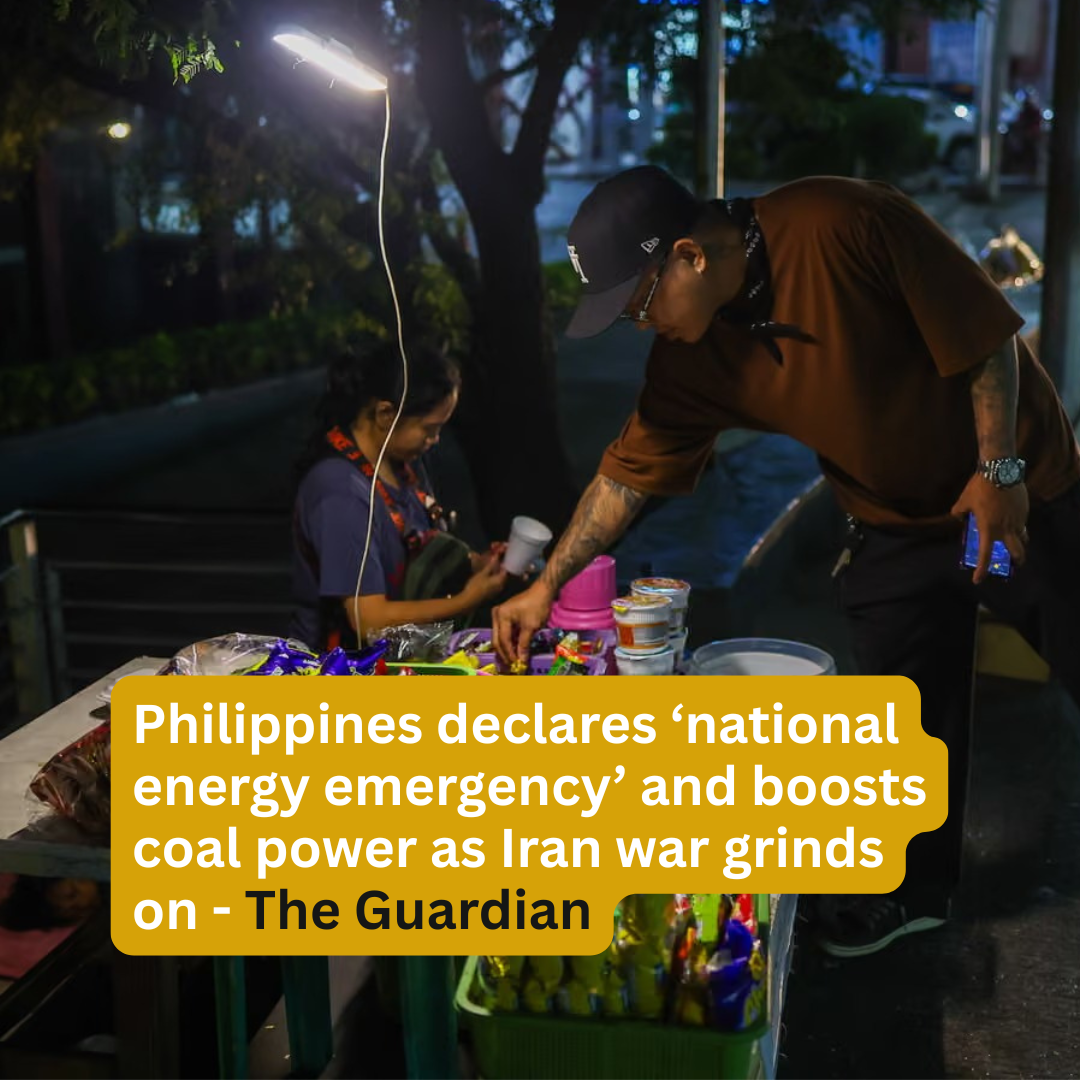
This war is a sobering reminder of how conflict disrupts the foundations of human wellbeing: food, water, and energy.
Early projections suggest that up to 45 million additional people could fall into acute food insecurity if the crisis persists.
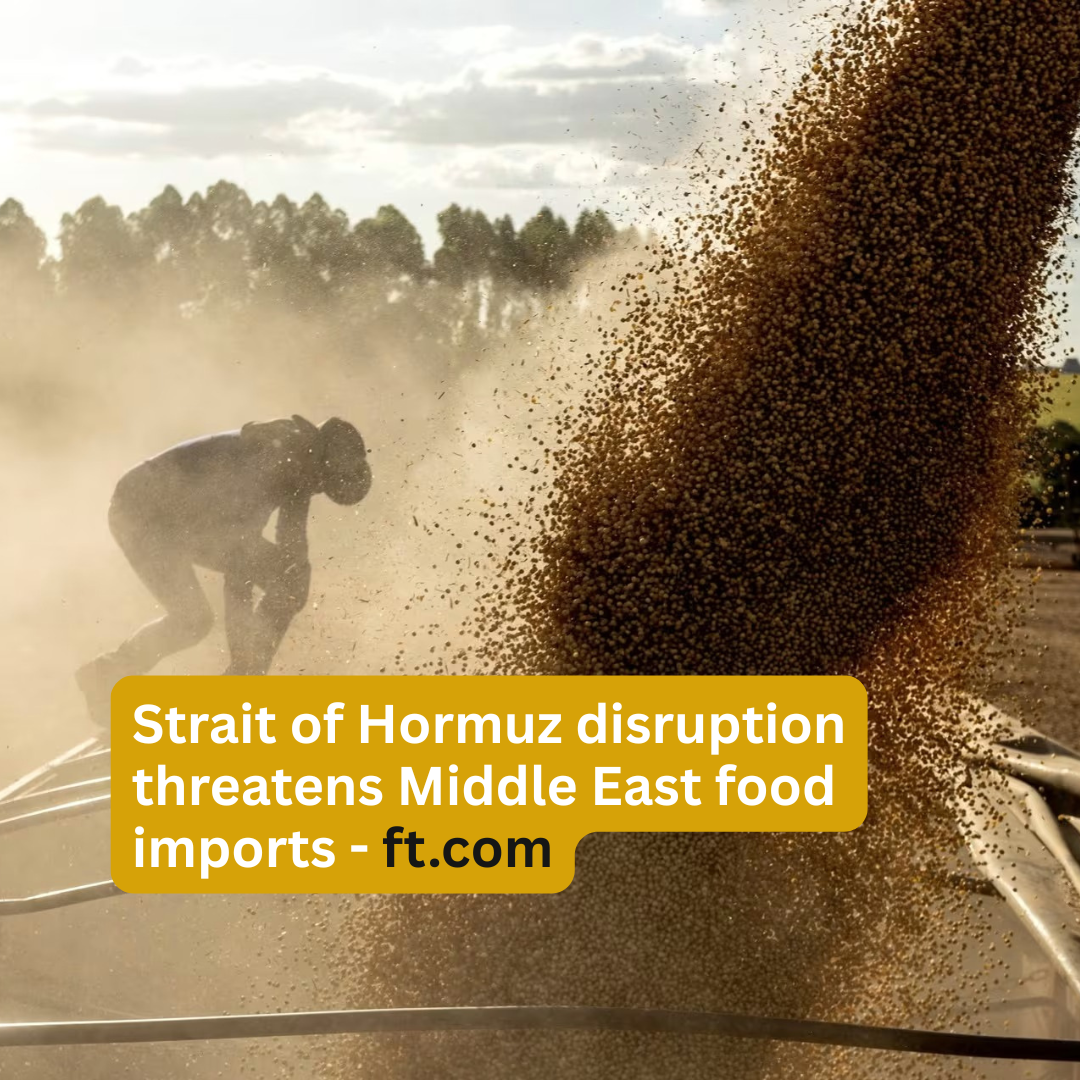
At the centre of this crisis is the Strait of Hormuz, a vital waterway and a critical chokepoint for global supply chains. Around 20 per cent of global oil consumption, liquified natural gas and key agricultural inputs, including fertilisers, transit through this narrow corridor. particularly for oil, gas and fertilisers.
Disruptions here are already sending shockwaves around the world, with direct implications for food and water security, especially in import dependent regions.
Rising fuel and fertiliser costs are expected to reduce crop yields and increase food prices, compounding existing pressures across more than 50 countries already facing acute food insecurity. The urgency now lies in coordinated action to stabilise markets, protect the most vulnerable and strengthen resilience across food systems.
This page brings together key analysis, reports and perspectives to help unpack the implications of the crisis and to support informed action towards securing good food for all.
Key Reports
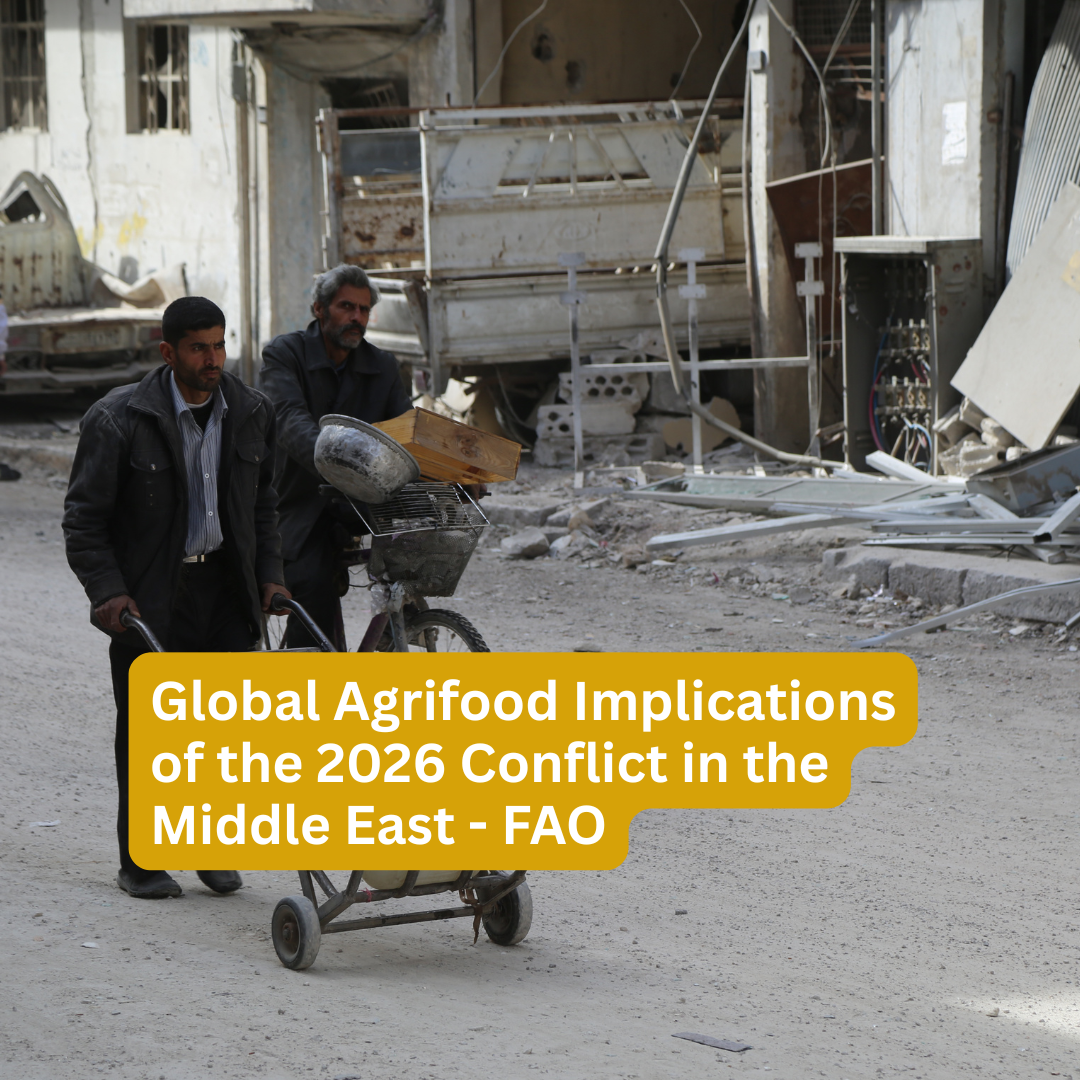
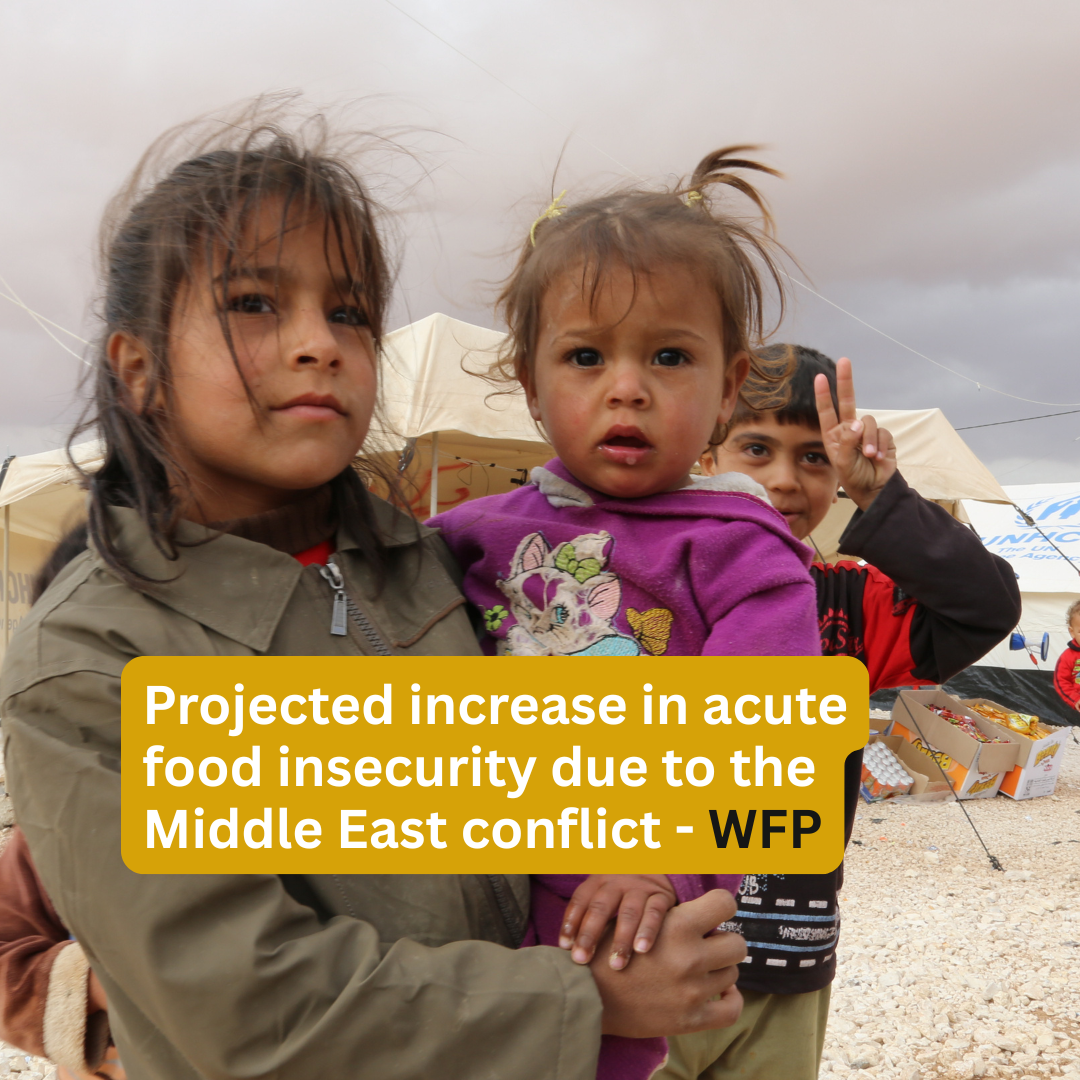
Rising oil prices and developing country debt – the next shock is already here – Boston University Global Development Policy Center