In 2026, Taiwan Dietary Guidelines launched the new draft. Compared with the 2018 draft, the new Taiwan Dietary Guideline draft focuses on “incorporating dietary principles that promote sustainable health and reduce the risks of cardiometabolic diseases and cancer.” It aims to provide “dietary recommendations that are suitable for the majority of the population while balancing the concept of environmental sustainability.”
Furthermore, the initiative integrates the content from the 2022 Taiwan Plant-Based Diet Manual into the official national policy version of the Daily Dietary Guidelines draft.
The goal is to “provide ‘plant-forward’ dietary recommendations with a higher proportion of plant-based sources for the public and professionals to reference. By encouraging citizens to gradually shift their eating patterns toward a plant-based diet, we can ensure they not only eat healthily but also protect the planet.”
For example, this is the first time Daily Dietary Guidelines add “pant forward eating”. It offers another health choice for the public. This approach does not require a complete shift to vegetarianism; rather, it emphasises a plant-based foundation complemented by moderate amounts of healthy animal-based proteins, such as fish, eggs, poultry, or dairy.
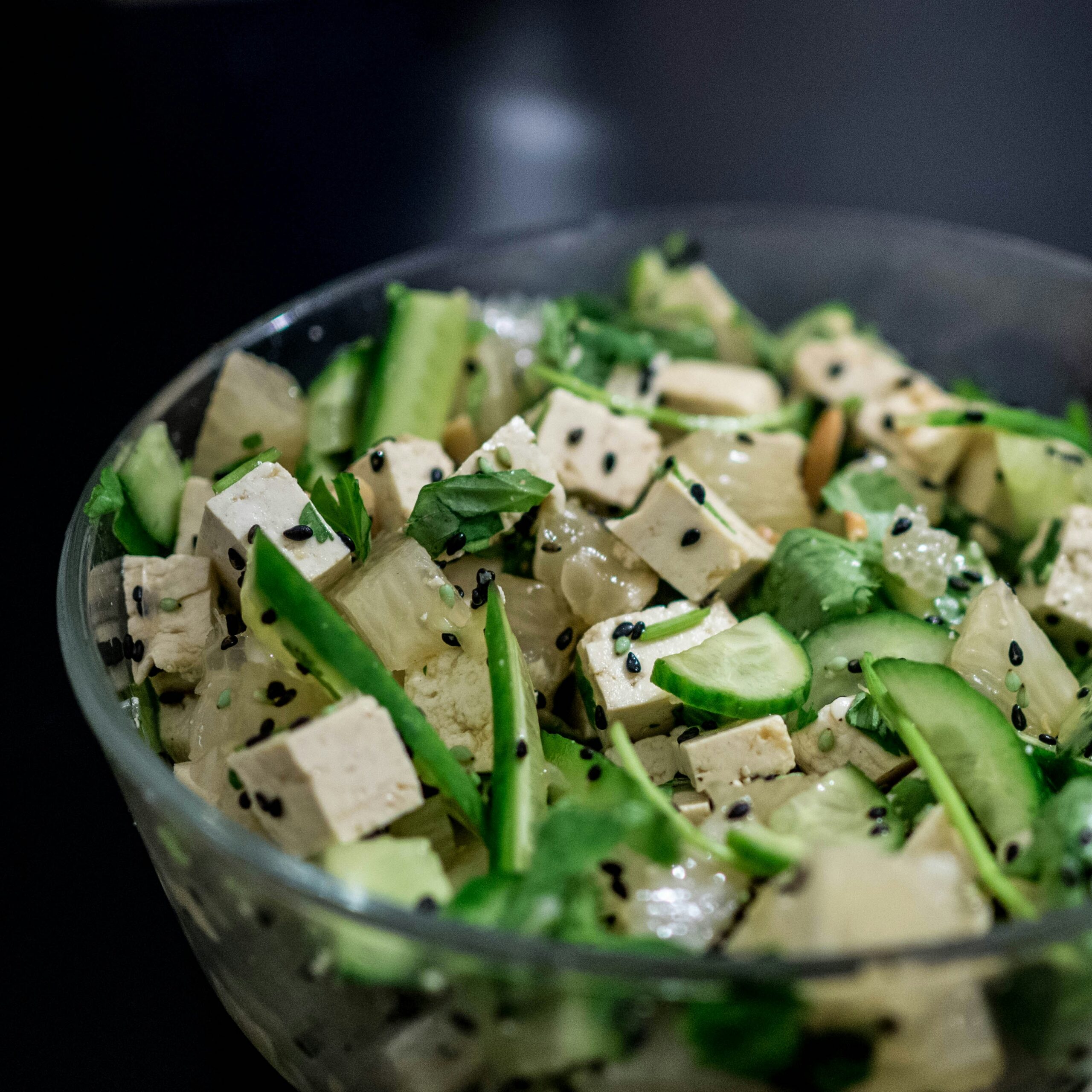
Compared to traditional guidelines, this new plant-forward model introduces a significant adjustment in food proportions:
-
Protein Rebalancing: Within the “Beans, Fish, Eggs, and Meat” group, the recommended proportion of beans and soy products has been increased significantly—from the traditional one-third to two-thirds servings. This shift aims to substantially reduce the intake of animal proteins.
-
Whole Grain Optimisation: The required ratio of unrefined whole grains in one’s staple food intake has been raised from one-half to two-thirds. This ensures a richer intake of essential micronutrients and dietary fiber.
The draft points out that according to recent National Nutrition and Health Surveys, many citizens still face gaps in their intake of micronutrients and minerals. Whole and unrefined grains provide a rich supply of Vitamin E, minerals, and dietary fiber, while pulses and legumes also offer B-complex vitamins. Furthermore, increasing the consumption of “whole-food” staples reduces the energy consumption and carbon emissions associated with the refining process, effectively balancing personal health with environmental sustainability.
Source:
Professor Emeritus, Dr. Warren H. J. KUO(Department of Agronomy, National Taiwan University)
Health Promotion Administration (HPA) in Taiwan