The following is a blog by Beans is How Partner Kids in Nutrition.
In classrooms across the United States, a quiet revolution is growing— led not by policymakers or corporations but by university students and elementary schools armed with curiosity, beans, and a shared vision for a healthier planet.
Kids In Nutrition (KIN) is a student-powered movement dedicated to advancing food equity, sustainable food systems, and better health outcomes for youth through hands-on food literacy. By equipping children with the knowledge to understand what’s on their plate and why it matters, KIN empowers them to make informed, lifelong food choices. Early food literacy is key for chronic disease prevention, health equity, and environmental sustainability.
Since its founding in 2014, KIN has reached nearly 10,000 elementary students across 450 classrooms, engaging 1,700 university volunteers to teach over 3,200 lessons through ten chapters nationwide. (See the website for locations!)
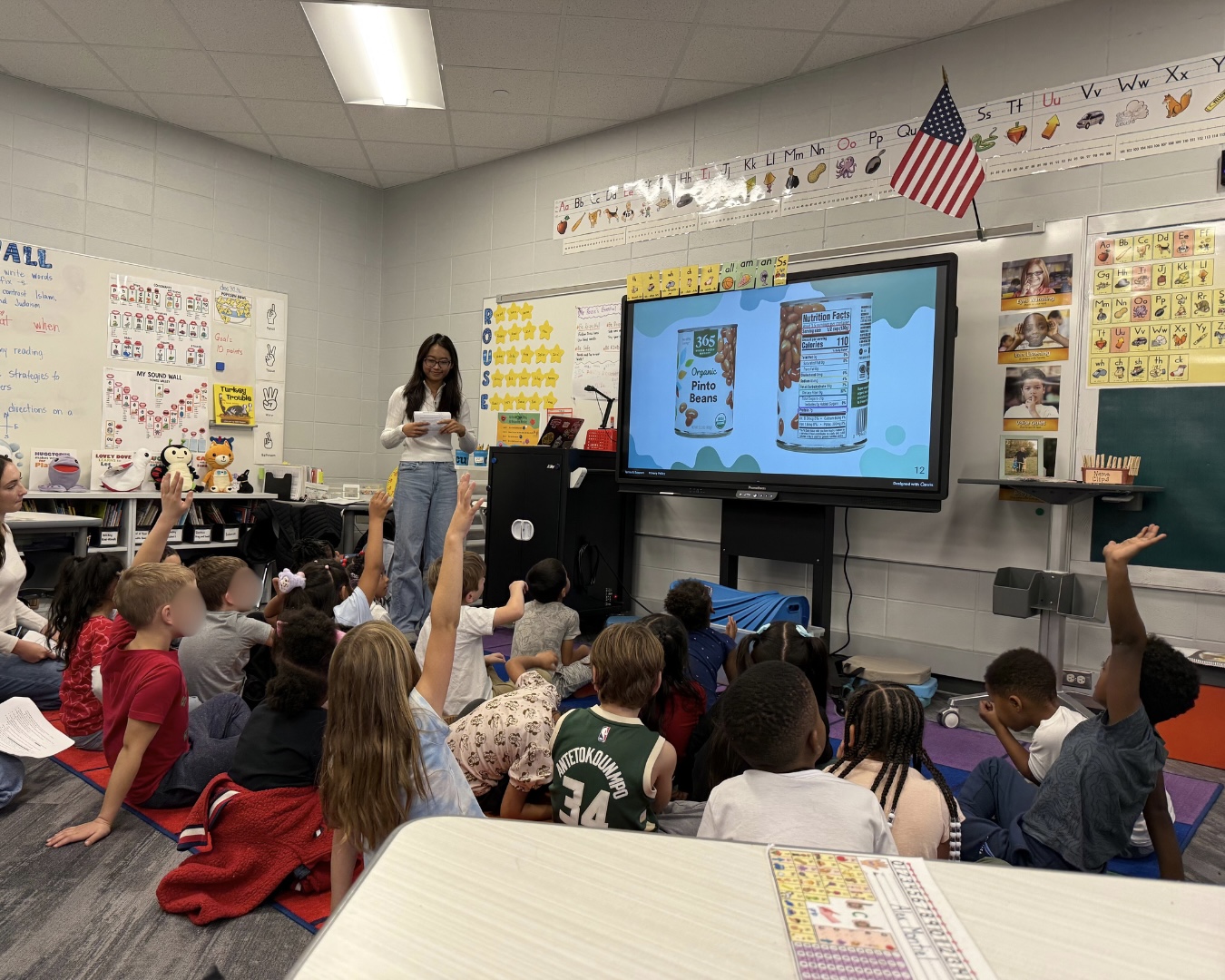
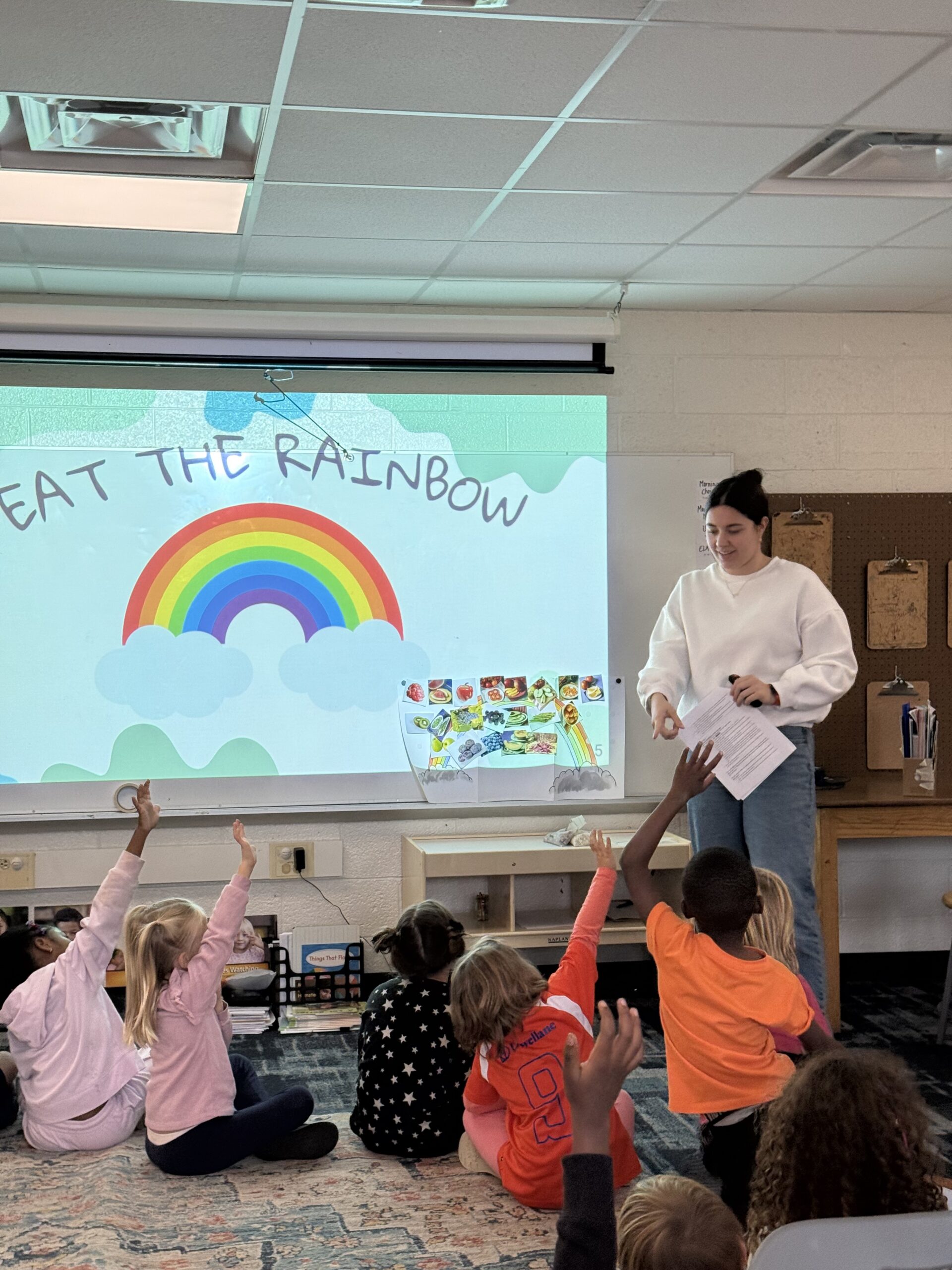
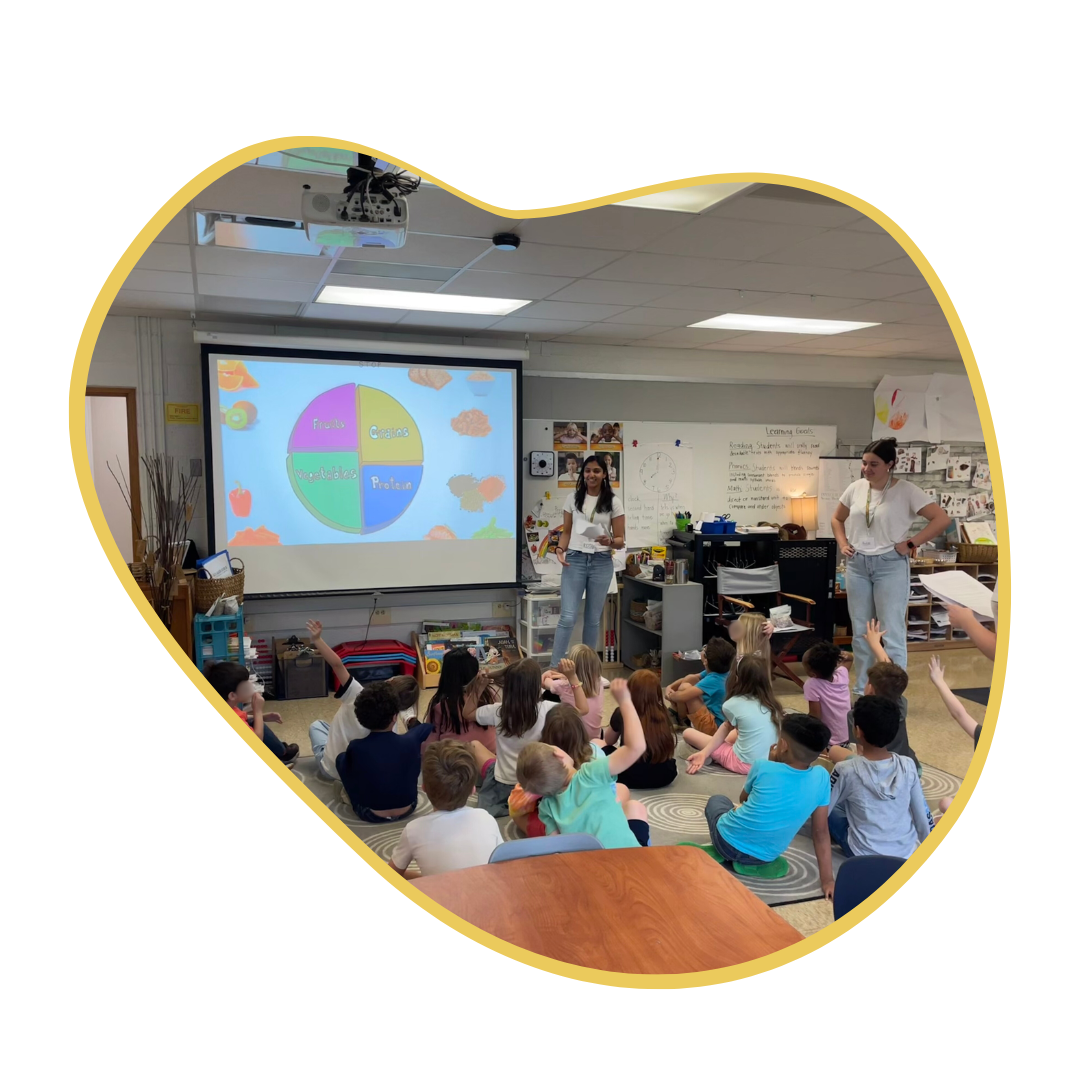
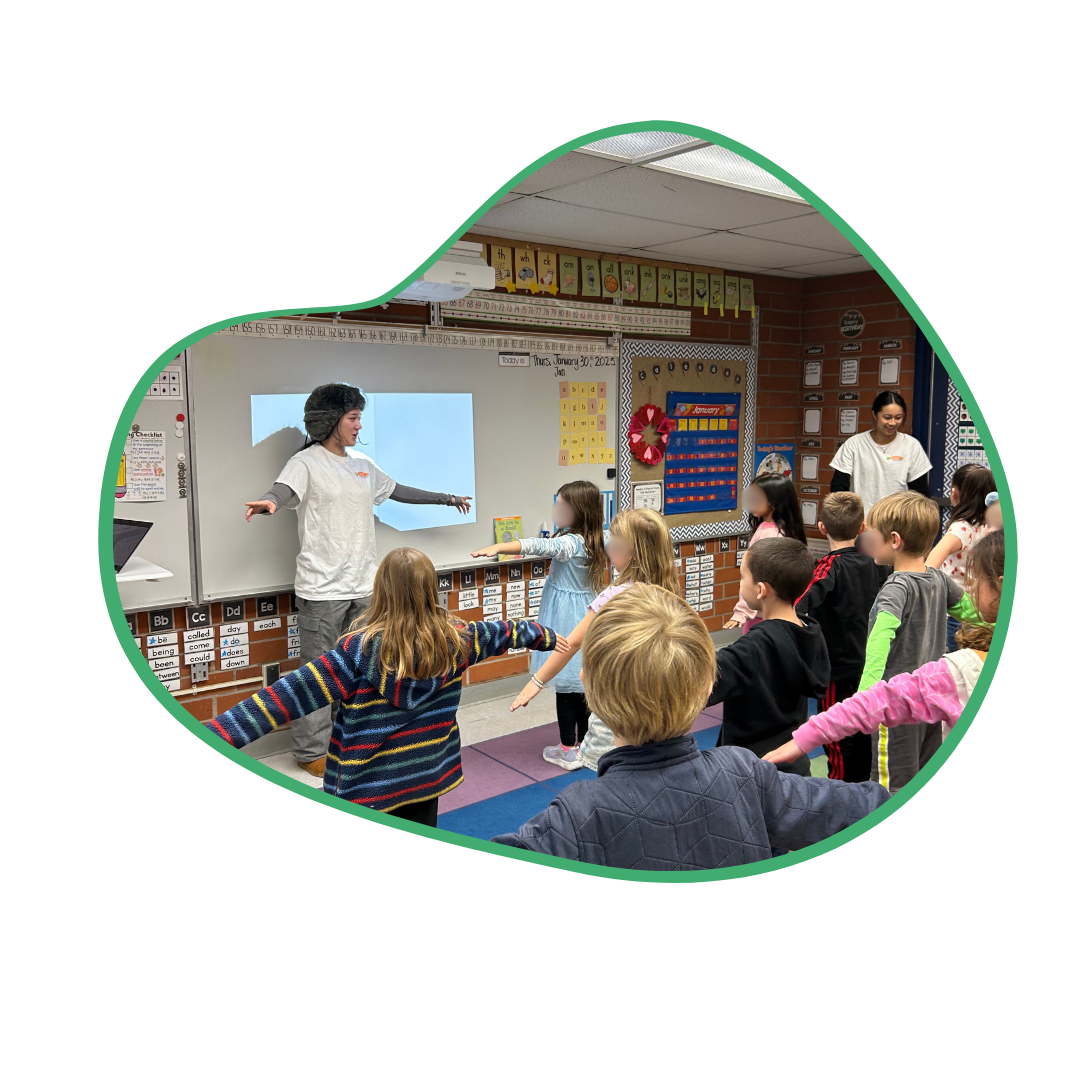
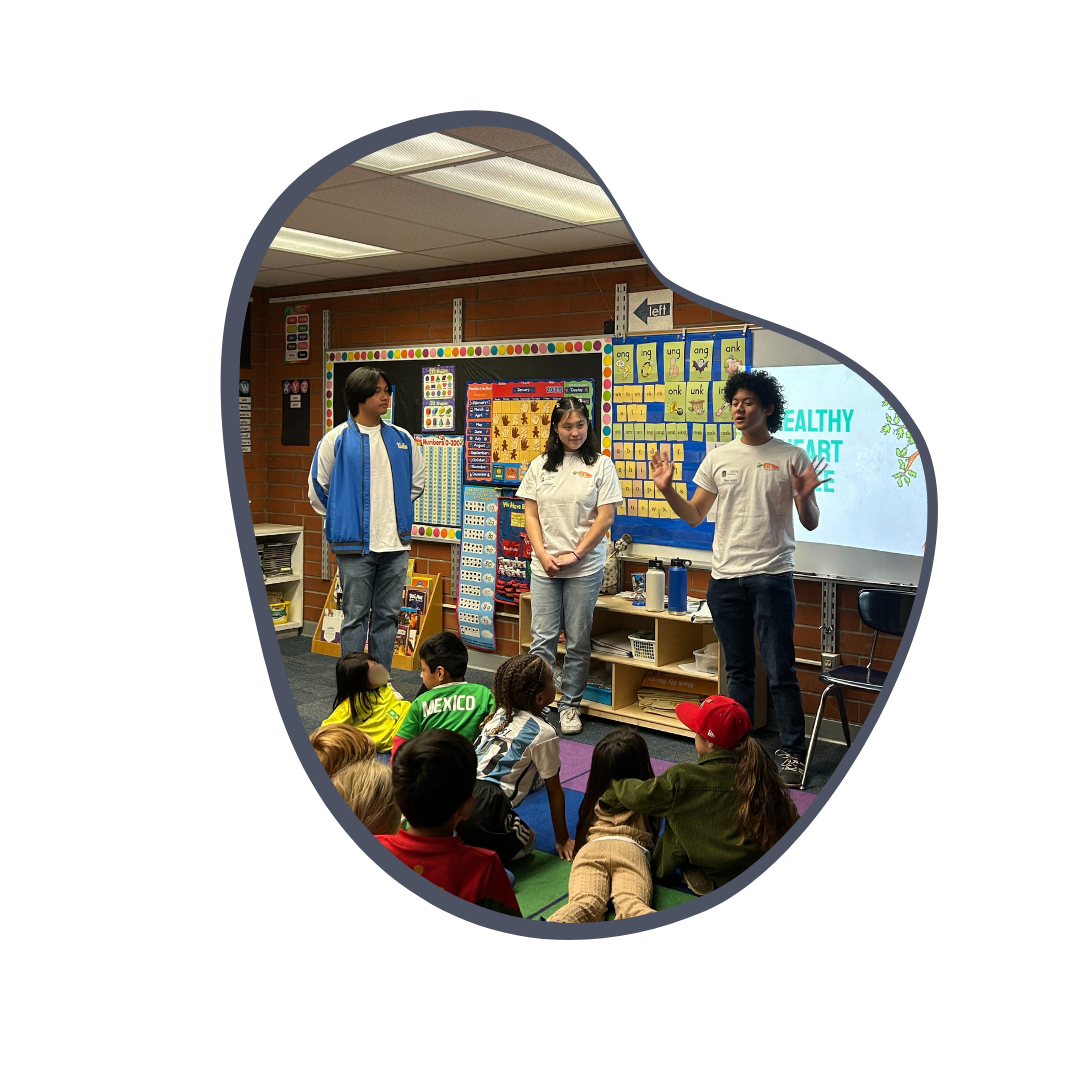
Led by youth, for youth, KIN’s peer-to-peer model connects college volunteers with elementary classrooms to deliver evidence-based lessons on nutrition and life skills. Over several weeks, college KINstructors build meaningful relationships with students as they explore how food links to health, the environment, and cultural identity. The curriculum emphasizes curiosity, mindfulness, and self-awareness, fostering joy and confidence in making sustainable choices beyond the classroom. The model is simple yet powerful: our peer-led education makes learning relevant, inclusive, and inspiring.
University students design, implement, and evaluate programs in their communities—learning to lead as they teach. Volunteers gain real-world experience in education, public health, and sustainability, developing the skills and confidence to become the next generation of food system leaders.
“KIN doesn’t just teach kids how to eat healthy,” says KIN CEO, Michelle Nicolet. “We’re building university-to-elementary school partnerships that deliver sustainable, grassroots programs led by young leaders who teach food as a tool for health, equity, and climate resilience.”
This intergenerational mentorship fosters meaningful relationships. KINstructors become trusted role models who show children that learning about food can be creative, joyful, and empowering.
A New Kind of Food Education
KIN’s approach rests on three pillars: education, food access, and family engagement. Together, these create a ripple effect—helping children build healthier habits, fostering leadership in university students, and equipping families to practice and sustain change at home.
Through trauma-informed, culturally responsive lessons celebrating food as both nourishment and identity, KIN helps children connect what’s on their plate to the broader systems shaping their food choices. Students don’t just learn what to eat—they learn why their choices matter.
For over a decade, KIN has delivered its nutrition curriculum in classrooms nationwide. Now, in partnership with Beans Is How, KIN is expanding its impact with Beans for People and the Planet—a four-lesson series on the nutrition, versatility, and sustainability of legumes.
Beans for People and the Planet
Few foods embody the link between health and sustainability as beautifully as beans, peas, and lentils. Legumes are low-cost, shelf-stable, nutrient-dense, and climate-friendly—a true “power food” for people and the planet. Yet, many children (and adults!) don’t eat nearly enough of them.
Designed for students aged 5-8, Beans for People and the Planet uses sensory-driven activities to bring beans to life. Over four weeks, students explore where beans come from and how small choices—like adding beans to your plate—can benefit both health and the environment.
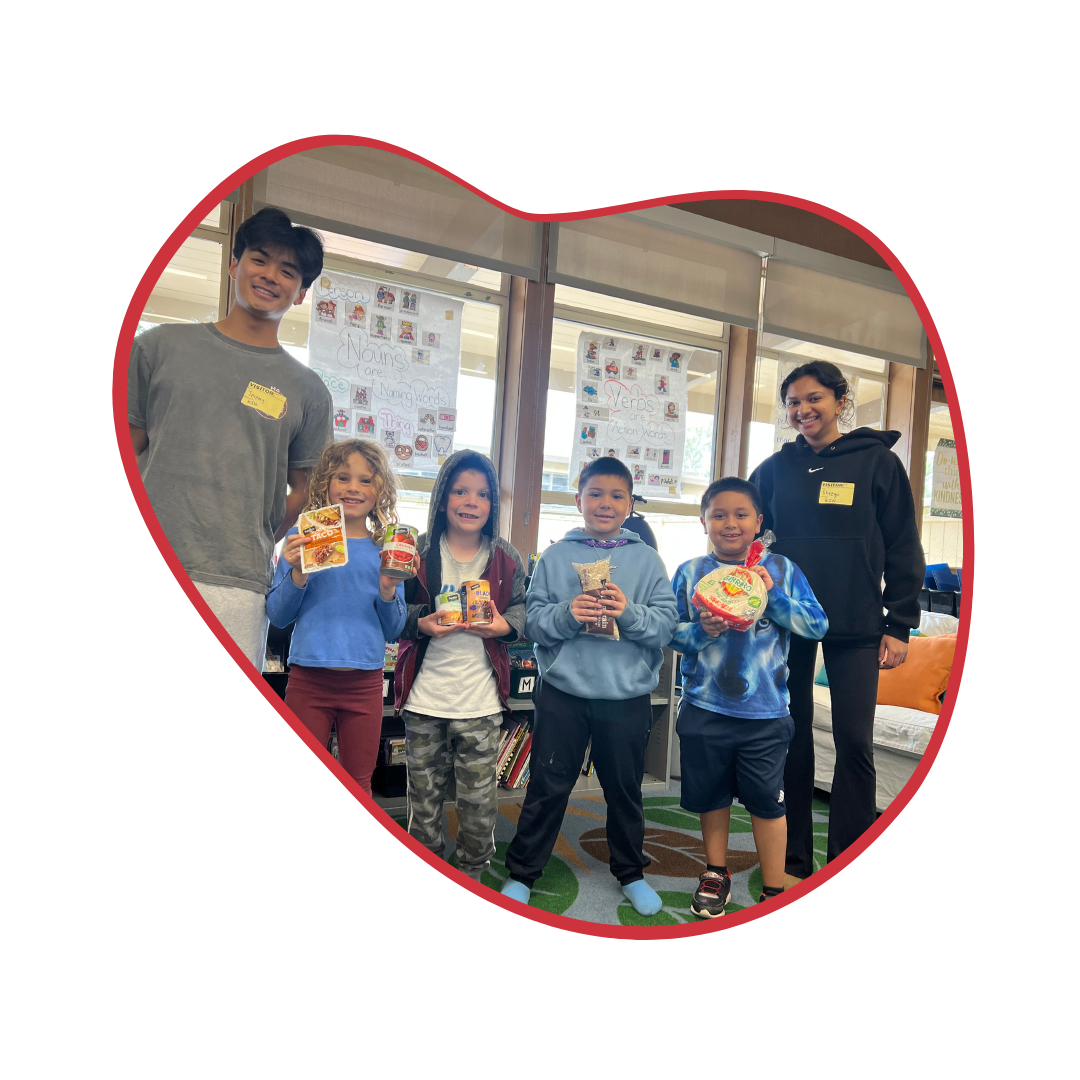
KIN makes legumes approachable and fun. Children might sort dried beans, taste-test lentil dips, or measure their own “fiber footprints.” Weekly take-home challenges and newsletters invite families to try new recipes and learn together.
A Mighty Cup of Beans
By centering legumes in its programming, KIN helps close critical gaps in nutrition and sustainability. The benefits are clear: one cup of beans provides about 15 grams of fiber—a nutrient that 9 out of 10 children lack. Increasing bean consumption not only supports digestive and heart health but also contributes to lower greenhouse gas emissions, soil health, biodiversity, and resource preservation.
KIN invites everyone—adults, kids, schools, families, and organizations alike—to join its movement through #FiberFridays, a weekly campaign encouraging people to share a fiber-rich food, recipe, or fun fact to inspire their communities.
A Vision for the Future
KIN’s goal is ambitious: to establish a chapter at every major U.S. university, embedding food literacy and sustainability into early education nationwide. By doing so, KIN aims to prevent diet-related chronic diseases, reduce health disparities, and cultivate a generation of young people who understand that every meal is an opportunity for change. The path to a healthier, more sustainable future can start with something as small—and mighty—as a bean.
Join the movement: Celebrate #FiberFridays with Kids In Nutrition!
Learn more: www.kidsinnutrition.org, https://instagram.com/kidsinnnutrition, https://www.linkedin.com/company/kidsinnutrition/