Beans and other pulses offer a strategic, cross-cutting solution for health, climate, food systems, and livelihoods. They are nutrient-rich, affordable, and versatile, crucial for food security and nutrition. Environmentally, beans are climate-resilient, improve soil health, require minimal inputs, and their ability to grow in marginal soils supports smallholder farmers, especially women, while strengthening local economies and rural resilience.
This makes beans a key solution to drive food security, especially amid ongoing global challenges to end hunger, tackle high food prices and ensure healthy diets for all.
What the latest SOFI report tells us:
The cost of a healthy diet continued to rise in 2024 driven in part by rising food prices in 2023-2024, finds the newly launched State of Food Security and Nutrition in the World (SOFI) report.1 Co-authored by five UN agencies, SOFI is a crucial stocktake of global progress to achieve SDG2.1: Zero Hunger and SDG2.2: End all forms of malnutrition.2 Additionally, this year’s report provides a detailed analysis of the impact of food price inflation on people’s ability to access and afford enough nutritious food. In the face of high food inflation and unaffordable healthy diets, beans are a critical safeguard for the food security and nutrition of the world’s most vulnerable people.
Food price inflation impacts citizens in every country across the globe. The term food price inflation refers to an increase in the price of a basket of foods consumed by a household over time. Low-income households spend a larger portion of their income on food than wealthier households, causing even a small increase in food prices to strain their limited resources. Any price increase reduces the affordability of nutrient-dense foods, lessens a households’ ability to afford such foods and forces difficult choices between food or other life essentials. Additionally, diet quality is likely to decline as households turn to cheaper and often less nutritious foods to fill their plates. Households may also sell off their assets (i.e. livestock) or forgo healthcare and education in order to afford enough food for their families. The health and wellbeing of women and girls, who often eat last and least, are disproportionately affected.
New analysis from the 2025 report shows that food prices have increased significantly since 2020.
Food price inflation peaked at 13.6% in January 2023, fueled by the COVID-19 pandemic, the war in Ukraine and localised climate shocks. Low-income countries experienced the highest and sustained food price inflation that reached 30% at its peak. What’s more, faced with a tight budgetary situation and unsustainable debt due in part to these multiple overlapping crises, low-income countries have been limited in their ability to respond and to mitigate its worst impacts.While food price inflation has eased, food prices remain high in parts of the world.
Food price inflation has obstructed progress in ensuring food security, good nutrition and access to healthy diets for all. The report finds a clear link between food insecurity and food price inflation, calculating that a 10% rise in food prices leads to a 3.5% rise in food insecurity – that is the consistent availability of safe and nutritious food, people’s ability to access it and their ability to benefit from it. Low-income countries were especially impacted, experiencing both high food inflation and significant increases in food insecurity. Similarly, food price inflation is also associated with poorer nutritional outcomes: a 10% rise in food prices results in a 4.3% rise in child wasting, the most life-threatening form of malnutrition.3
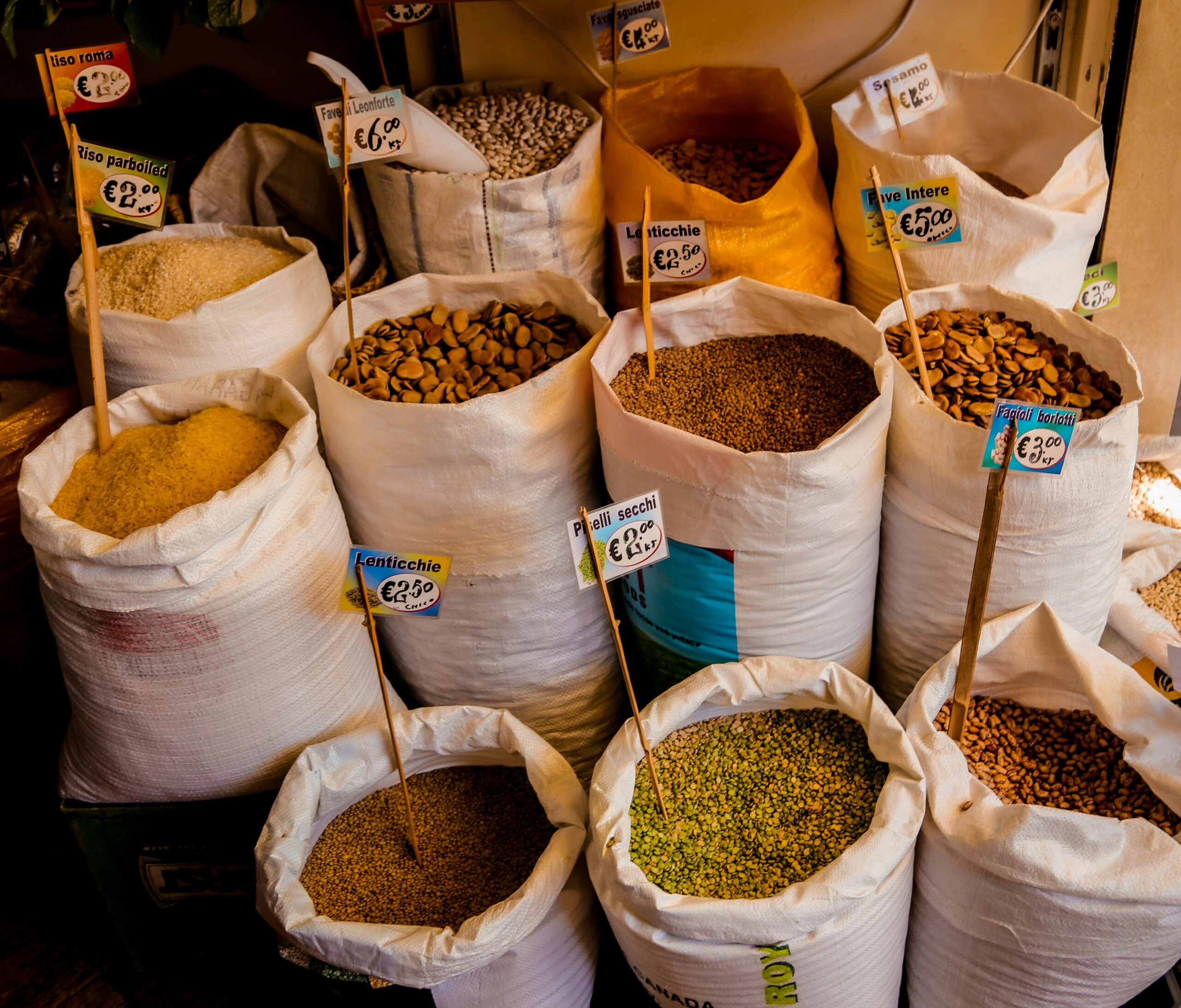
In 2024, 2.6 billion people could not afford a healthy diet. High food prices are contributing to this, putting healthy diets out of reach for a third of the world’s population. The report emphasises that nutrient-dense food groups (vegetables, fruits and animal-sourced foods) were consistently more expensive than starchy staples (rice, grains, roots and tubers). Globally, the price of vegetables was 11.9 times higher than starchy staples, followed by animal-sourced foods (9.1 times) and fruits (7.2 times). Legumes, nuts and seeds were 3.1 times more expensive than starchy staples.
How Beans can help:
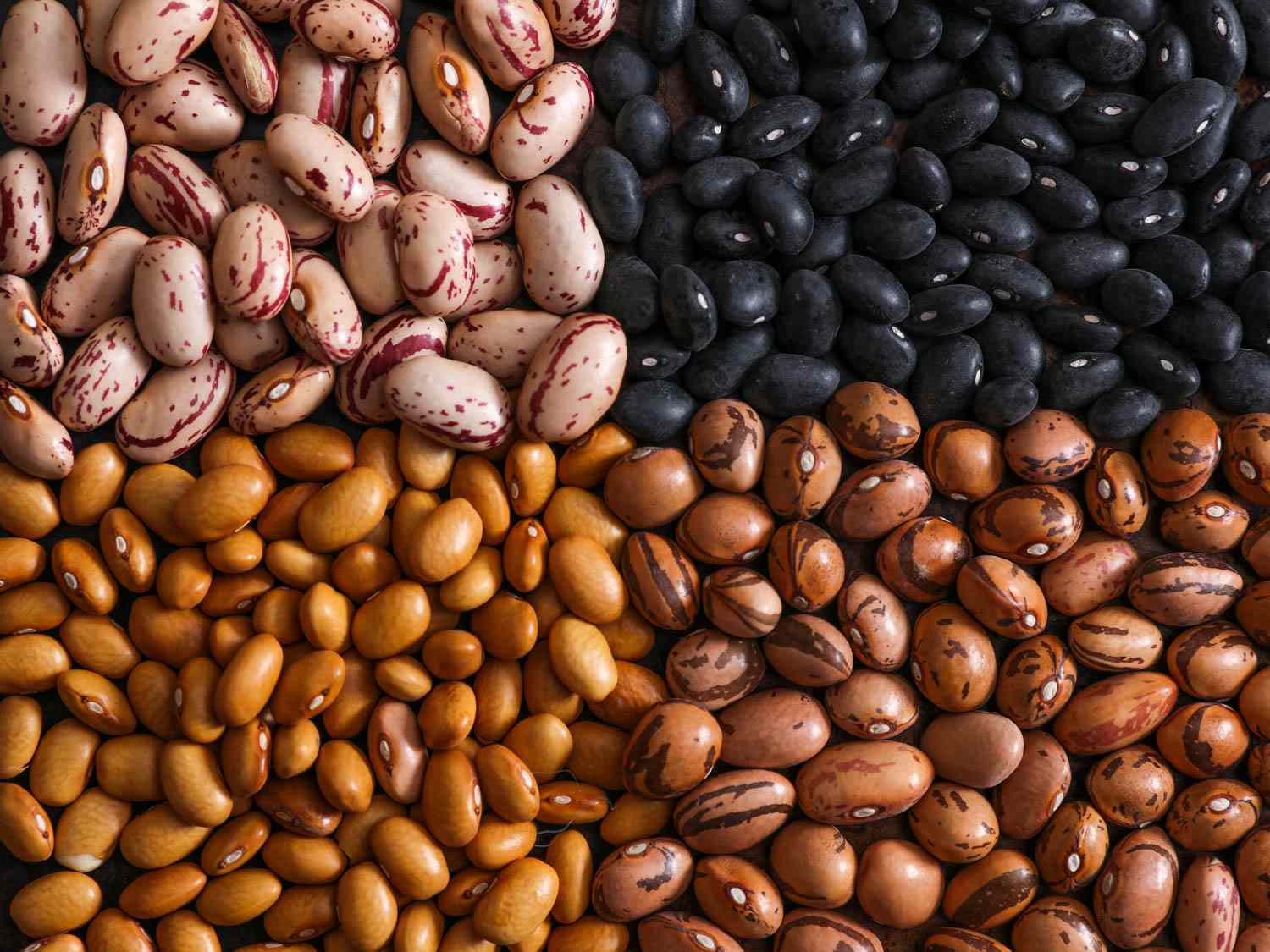
Beans, peas, pulses and legumes are a critical safety net in episodes of high food prices and food price inflation. With indigenous varieties grown across the globe, many varieties of beans and other pulses can be produced and consumed locally, and are, therefore, better insulated from external shocks and supply chain disruptions that could lead to price shocks. Compared to vegetables and animal-sourced foods, beans are a relatively more affordable nutrient-dense food, providing essential nutrients needed for a healthy diet. Beans are also shelf-stable goods that can be bought in bulk to reduce costs and stored for later consumption, perhaps during the lean season.
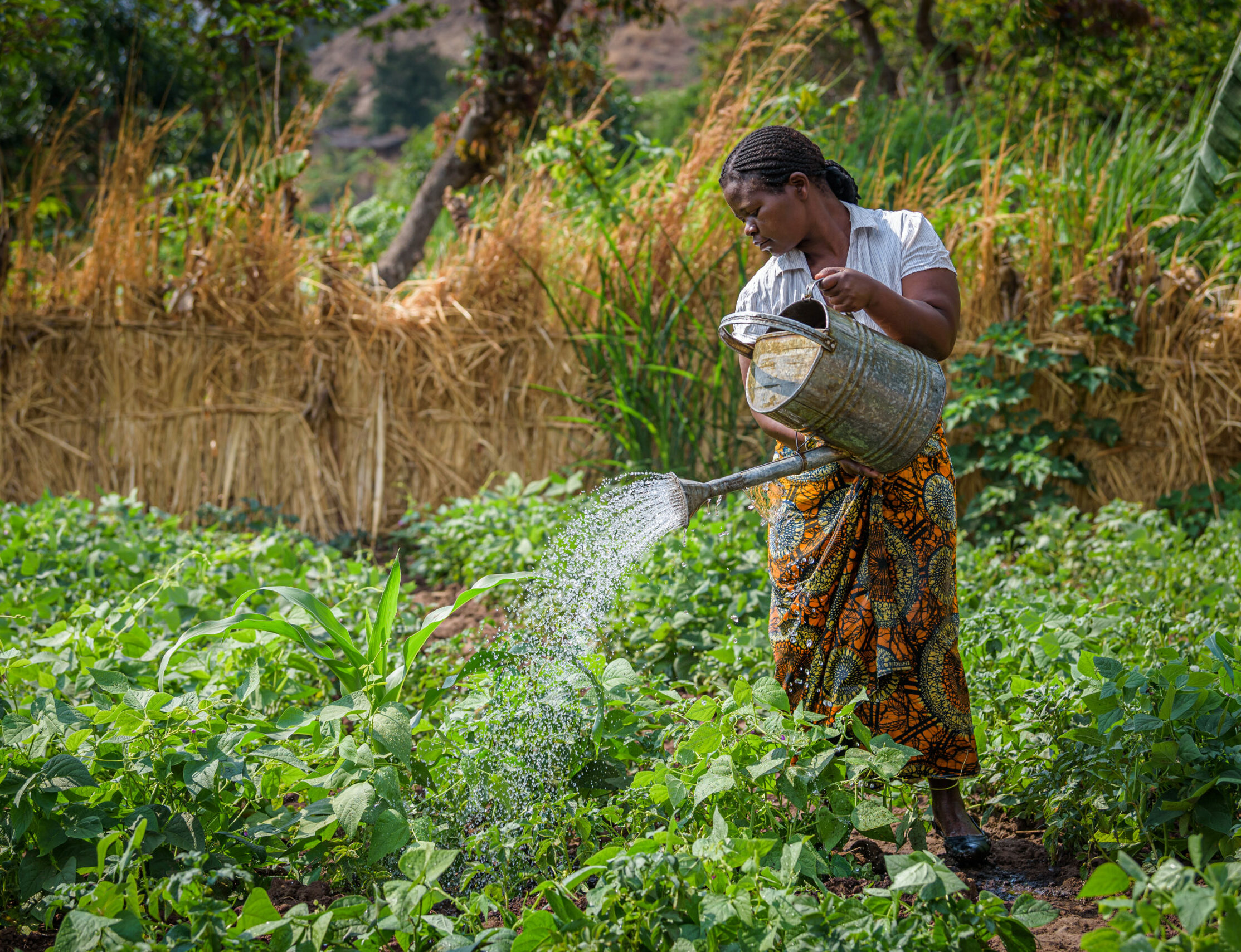
Hunger disproportionately affects rural people. An estimated 32% of people living in rural areas are hungry, compared to 23.9% in urban areas. Growing more and diverse local varieties of beans can improve the livelihoods of smallholder farmers, who are the backbone of rural communities, by reducing fertiliser usage and associated costs and boosting a farm’s climate-resilience while also improving access to these nutrient-dense foods.
The Beans is How Campaign has shown us that policies, procurement, public campaigning and food service support can increase consumption and production of beans and other pulses – creating dietary shifts that are beneficial for both people and the planet.
However, beans and other pulses have been overlooked by most governments across the world. With the right investments, sufficient policy support, additional research and innovation, beans can be a critical policy intervention to help end hunger and all forms of malnutrition. A first step that governments can take to harness the power of beans is to embed beans in their national policy frameworks, such as agricultural investment plans, food systems strategies, food security policies and national nutrition plans, to scale impact.
End Notes
-
The cost of a healthy diet is defined as the amount of money needed to purchase the least expensive combination of locally available foods that satisfy the recommendations provided in food-based dietary guidelines.
-
The five report authors are the International Fund for Agricultural Development, the World Food Programme, the World Health Organisation, the Food and Agriculture Organisation and the UN Children’s Fund.
-
Child wasting is defined as Low weight-for-height, generally the result of weight loss associated with a recent period of inadequate dietary energy intake and/or disease. Wasting has profound long-term impacts on a child’s development, including weakened immune systems and reduced cognitive abilities. Additionally, wasted children are more vulnerable to common illnesses and at a higher risk of mortality.