The farm-to-fork journey of beans is also a journey through women’s economic empowerment. During the International Year of the Woman Farmer, Beans is How is celebrating these stories and calling for more action to recognise, resource and invest in women across the bean value chain.
Women are growing beans, strengthening value chains, creating products, shaping food culture and building systems that connect nutrition, livelihoods and climate resilience, showing that beans are a practical investment in more equitable food systems.
When women in bean systems thrive, families, communities and food systems thrive too.
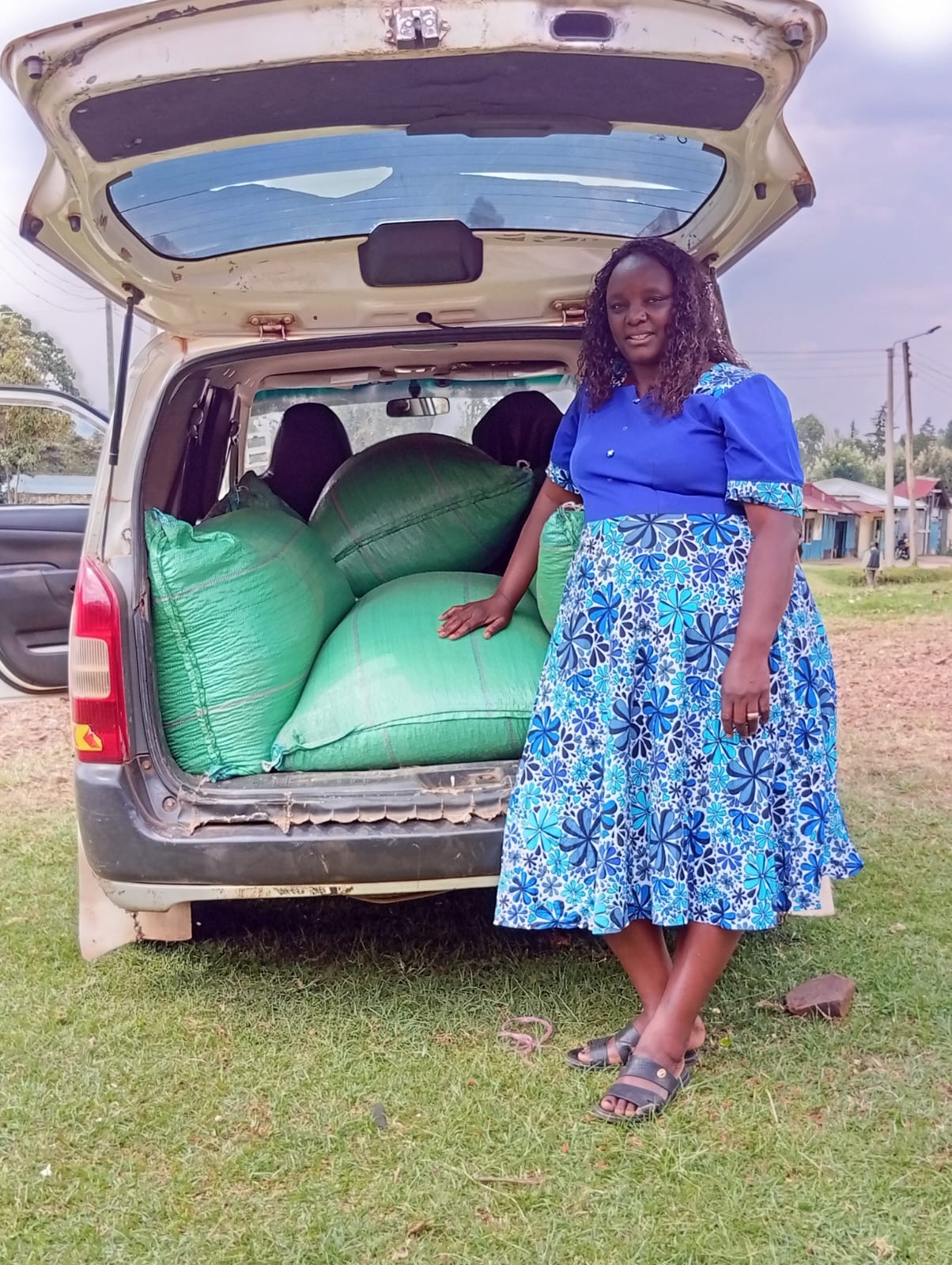
In Bomet County, Kenya, bean farming begins with women.
Women prepare the land, select seeds, plant, weed, harvest and take produce to market. They are also the ones most often responsible for ensuring food is on the table. For Hellen Keti Ruto of Abosi Farmers’ Cooperative, this makes beans far more than a crop.
Beans are nutrition, income, resilience and dignity.
In many households, beans provide an affordable source of protein, especially where meat is too expensive. They are adaptable to local growing conditions and familiar in everyday meals. But their importance goes beyond household food. Through bean farming, women are also sustaining local economies.
Women farmers organise through groups and cooperatives, share knowledge, support one another and build collective strength. In doing so, they become not only farmers, but leaders, entrepreneurs and changemakers in their communities.
Yet the realities on the ground remain difficult. Access to quality seed can be unreliable or unaffordable. Improved varieties may offer higher yields and better resistance, but women farmers do not always have the information, resources or timing needed to benefit from them. Post-harvest challenges, including storage, drying facilities and access to markets, can reduce the value of their work.
Many women also sell beans at low prices because they lack bargaining power or access to better buyers. This is especially true for women farming individually, outside cooperatives or producer groups.
Climate change is making these pressures worse. Rainfall patterns are increasingly unpredictable. Droughts and floods are more frequent. Pests and diseases are increasing. For women farmers, this creates more risk, more uncertainty and sometimes the total loss of income.
Farmers in Hellen’s area have experienced challenges due to climate-related shocks, including erratic rainfall and prolonged dry spells, which have affected yields and household incomes.
Still, women continue to adapt.
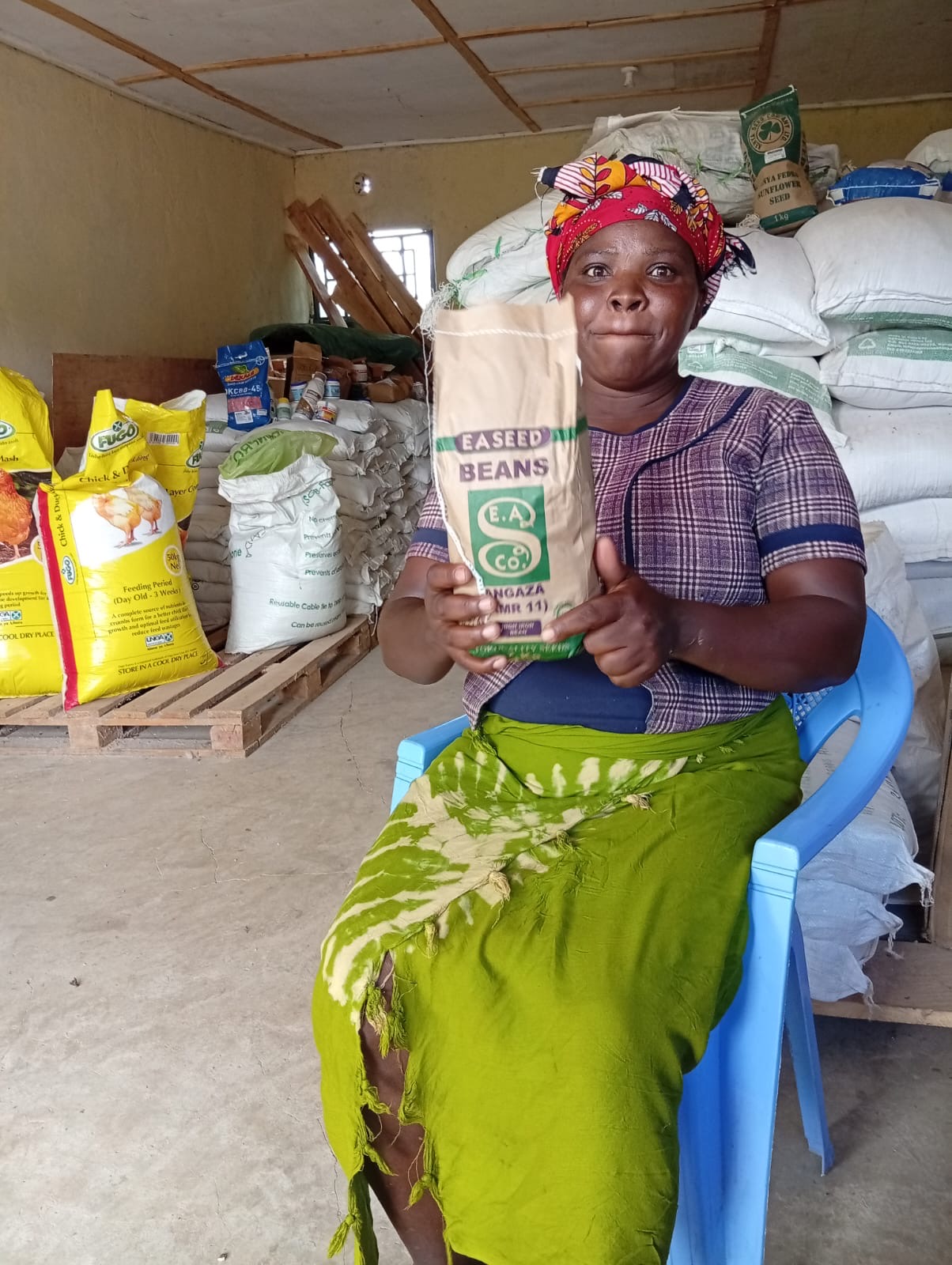
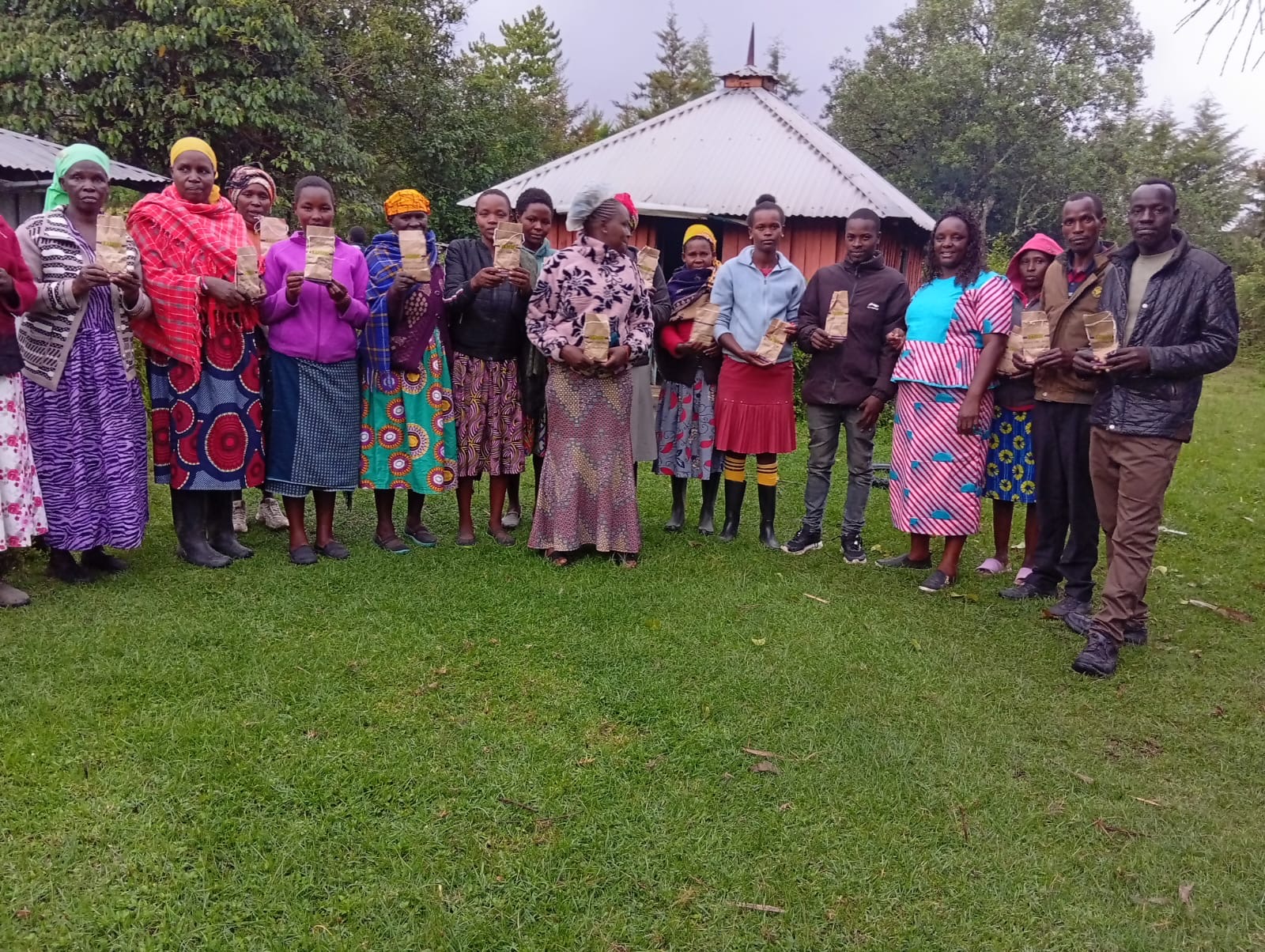
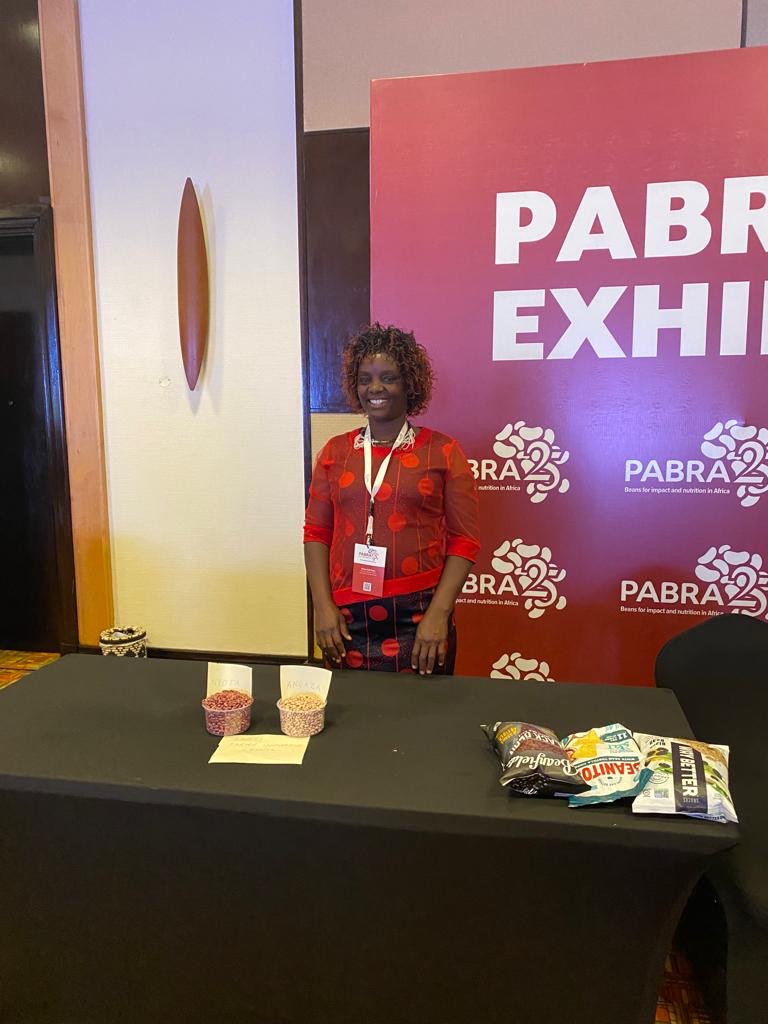
Through the support of Pan African Bean Research Alliance (PABRA), and the Kenya Agricultural and Livestock Research Organisation (KALRO), County government and its partners, farmers have gained access to improved bean varieties, training, and better agronomic practices.
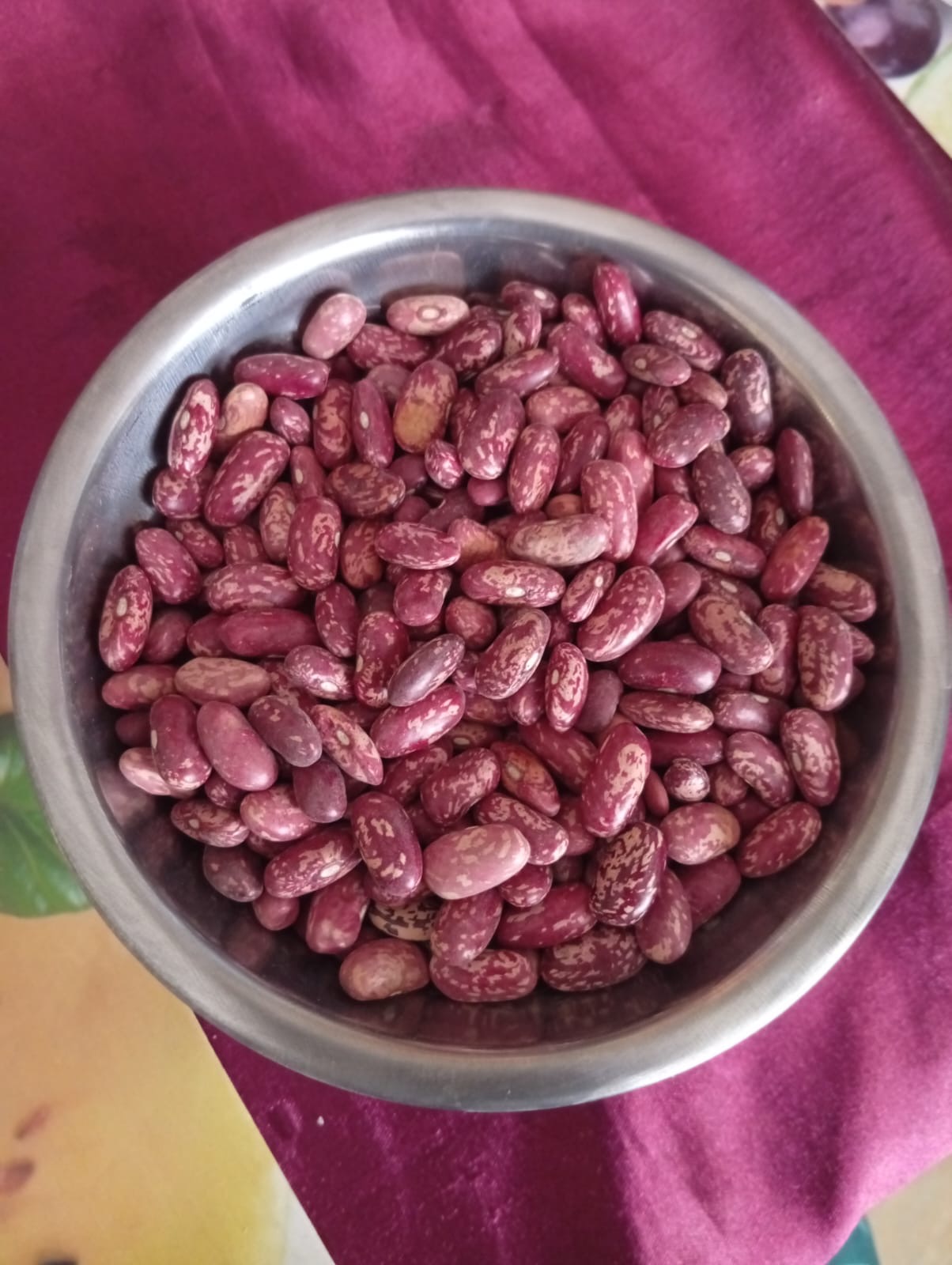
At Abosi Farmers’ Cooperative, farmers are working with climate-resilient varieties, including Nyota and Waithera beans. They are adjusting planting seasons, testing new approaches and supporting one another through cooperative structures.
Thanks to this, bean crop productivity has significantly improved. For example, production has increased from approximately 2 bags per acre to 8 bags per acre among farmers who have adopted the recommended practices and improved varieties. These interventions have strengthened food security, increased household incomes, and enhanced farmers’ resilience to climate challenges.
PABRA, through the Alliance of Bioversity International and CIAT and KALRO provided support to Abosi farmers through awareness campaigns, demonstration plots and hands-on training in improved bean production and agronomic practices.
Farmers were supported to access quality seed, adopt climate-resilient varieties such as Nyota and Angaza, and improve yields. Their production increased and they were able to market — and increased their household food security. The bean sales allowed them to take children to schools, build their houses and satisfy their other households needs.. PABRA and partners also provided post-harvest equipment and facilitated market linkages, enabling farmers to aggregate produce and secure larger buyers.
For Hellen, the support that makes the biggest difference is practical: affordable and timely access to quality seeds and inputs; investment in value addition such as drying technologies, irrigation centres and packaging facilities; better market linkages; transparent pricing; and reduced exploitation by middlemen.
Capacity-building is also essential. Training in modern farming, climate-smart agriculture and business skills helps women succeed not only as farmers, but as agripreneurs.
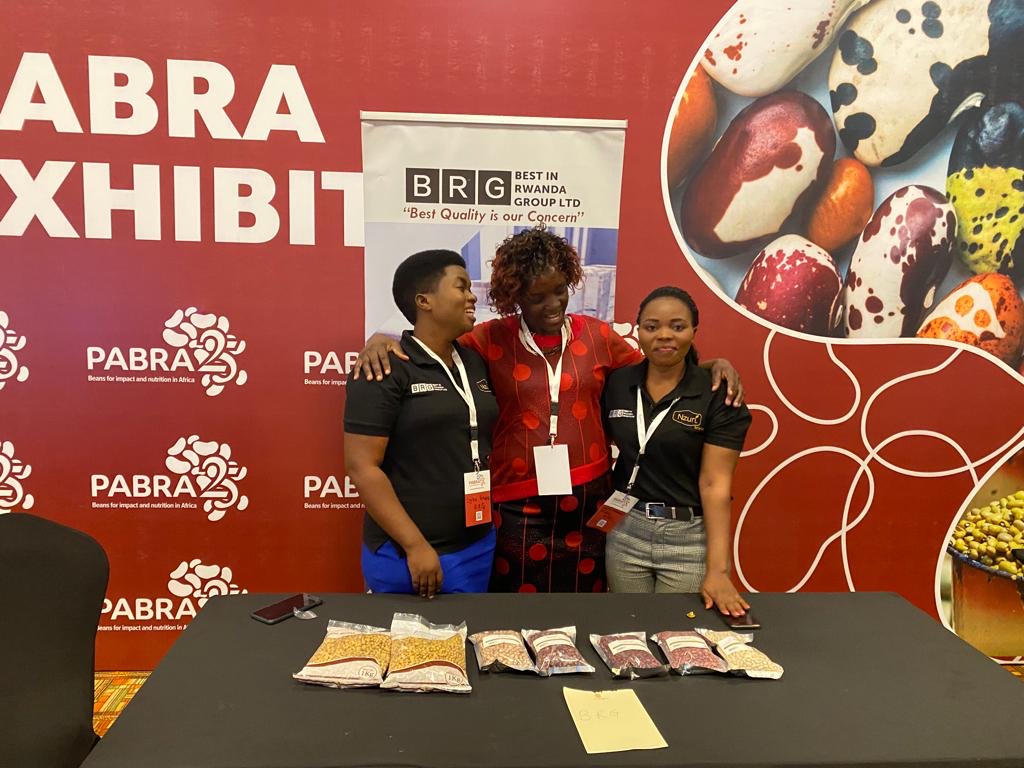
The priorities are clear:
- Women need affordable, timely and reliable access to quality seeds and inputs, especially improved bean varieties that can withstand climate challenges.
- Second, they need investment in value addition, including irrigation centres, proper drying technologies such as solar dryers, and packaging facilities. These investments help women move beyond selling raw produce to selling higher-value products.
- Access to markets must improve. Women farmers deserve fair prices for the work they do. This means stronger linkages to buyers, transparent pricing and reducing exploitation by middlemen, who often take advantage of women farmers’ limited mobility and rootedness in their local communities.
- Capacity-building is critical. Training in modern farming practices, climate-smart agriculture and business skills can help women succeed not only as farmers, but as agripreneurs in their own localities.
- Women require recognition as decision-makers within agricultural systems. Their roles need to be included in policies, programmes and investments.
As Hellen put it, “If we truly want to transform our food systems, we must invest in women, not just in words, but in action.” Investing in women bean farmers is investing in nutrition, families, communities and the future.
About Hellen:
Hellen Keti Ruto is a farmer leader and agribusiness advocate from Bomet County, Kenya, and a key representative of Abosi Tophill Farmers Cooperative Society Ltd. Since its establishment in 2020, the cooperative has grown to over 1,000 members, focusing on improving farmer livelihoods through sustainable agriculture and market access.
Hellen plays a central role in capacity building, farmer organisation, and promoting value addition in key value chains such as beans, avocado and coffee. She has been actively involved in initiatives aimed at preparing farmers for international markets, including compliance with standards like GlobalG.A.P. Through her leadership, she continues to champion smallholder farmers’ inclusion in high-value markets and advocate for reduced exploitation by middlemen.