Our food systems are facing increasing pressure. With climate shocks, rising food prices, and higher rates of malnutrition, the challenges are becoming more profound. Today, more people are experiencing hunger than ever before.
However, it doesn’t have to be this way. The global community possesses the knowledge, tools, and opportunity to eradicate hunger and poverty in nutritious, equitable, and sustainable ways within the next decade.
To support this transformation, researchers from Hesat2030, in collaboration with the Zero Hunger Coalition and national governments, have developed evidence-based, investment-ready roadmaps. These tailored plans offer a costed portfolio of interventions aligned with national priorities, all aimed at achieving five interconnected outcomes.
Now is the time to take action. Let’s invest in solutions that strengthen our food systems and ensure access to good food for everyone.

Hesat2030, IFPRI and the Shamba Centre’s Country Roadmaps
To support this transformation, researchers from Hesat2030, IFPRI and the Shamba Centre for Food and Climate, in collaboration with the Zero Hunger Coalition and national governments, have developed evidence-based, investment-ready roadmaps. These tailored plans offer a costed portfolio of interventions aligned with national priorities, all aimed at achieving five interconnected outcomes.


GLOPAN’S building resilience and enhancing nutrition in Africa’s food systems
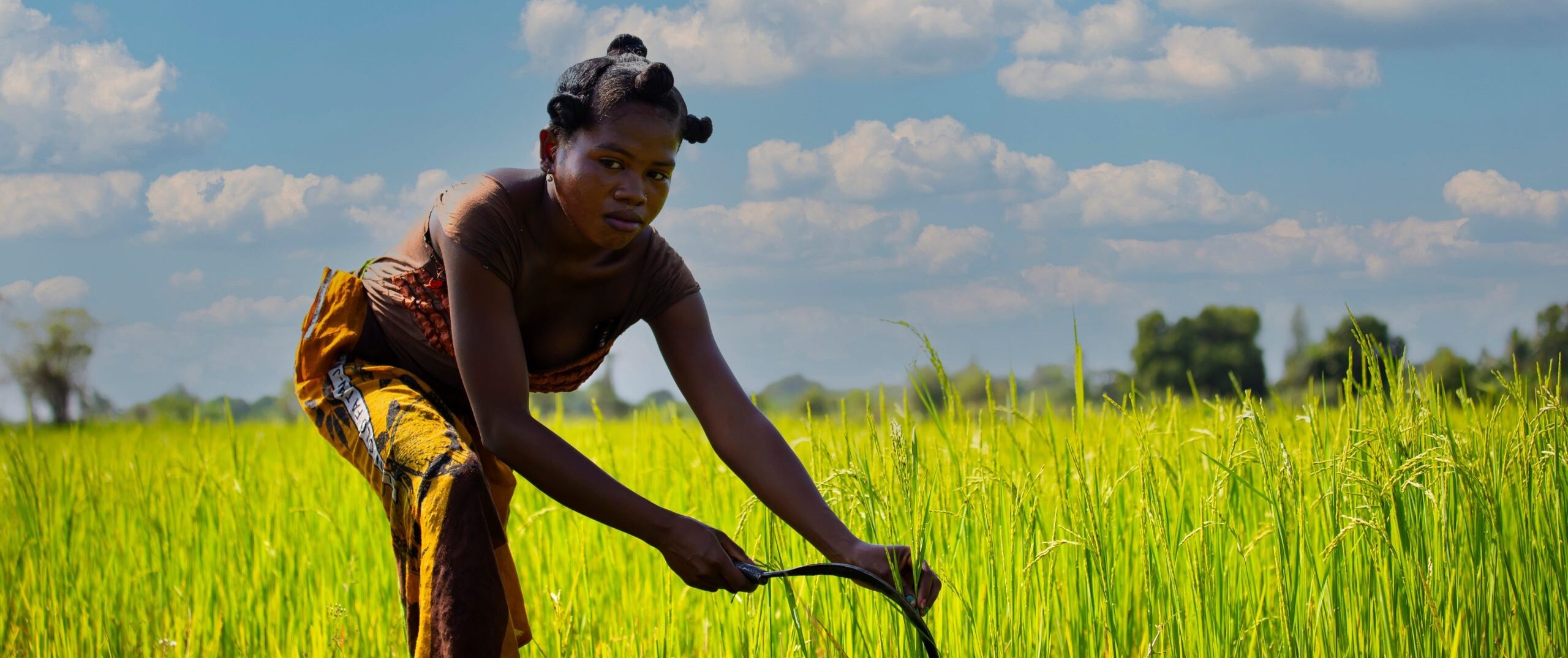
This research from the Global Panel on Agriculture and Food Systems for Nutrition, in collaboration with the governments of Ethiopia, Malawi and Sierra Leone, identifies strategies to increase countries’ ability to deliver healthy diets for all while building resilience to future shocks. Download here.
World Bank Regional Investment Estimates
Building off of the 2024 Investment Framework for Nutrition, the World Bank is generating regional and subregional estimates of the investment needed to scale a package of essential nutrition interventions from baseline to 90% coverage over the next 10 years. These estimates will be available in autumn 2025.


Now is the time to take action. Let’s invest in solutions that strengthen our food systems and ensure access to good food for everyone