Forests feed our planet, from Brazil to Belgium. But the way we produce our food is destroying them, threatening our health, water security, livelihoods, and cultures — especially for communities who did the least to cause the climate crisis.
But there is another way forward. Small scale farmers, Indigenous peoples and traditional communities continue to grow food in harmony with nature. Their knowledge and stewardship protect forests, sustain biodiversity and keep local food systems resilient.
This truth shaped the Forests4Food campaign, a global movement calling on governments to put both forests and sustainable food systems at the centre of COP30. The message was simple but urgent: we cannot solve the climate crisis without transforming how we produce and value food.
A Campaign across borders
Forests4Food was never just a campaign. It was a global journey.
Along with advocates, smallholder farmers and policymakers, the campaign made its first stop in Bonn, Germany, during the mid-year climate negotiations. Alongside the week-long discussions, we spotlighted forests as life givers and essential sources of food.
The campaign then travelled to London Climate Action Week, New York Climate Week, Africa Food Systems Forum, World Food Forum, Seville, and Nairobi where we engaged with climate negotiators, indigenous groups, young people, farmers, chefs and gathered public voices along the way for our petition.
Everywhere we went, we reminded leaders that forests are central to turning the tide for the 720 million people facing hunger and the 2.6 billion who still lack access to a healthy diet. Most importantly, we lifted the voices of communities who live in and around forests, whose food systems and cultures are directly affected by climate change and environmental degradation.
The campaign drew strength from a creative and committed community. Chefs highlighted forgotten forest ingredients. Artists expressed the beauty and vulnerability of forest ecosystems. Digital influencers brought the message to new audiences.

A Defining Moment at COP30
As support grew, so did the Forests4Food petition. Nearly 60,000+ people from around the world added their names, urging leaders to protect forests, support small-scale producers and embed sustainable food systems in climate action at COP30 in Belem, Brazil.
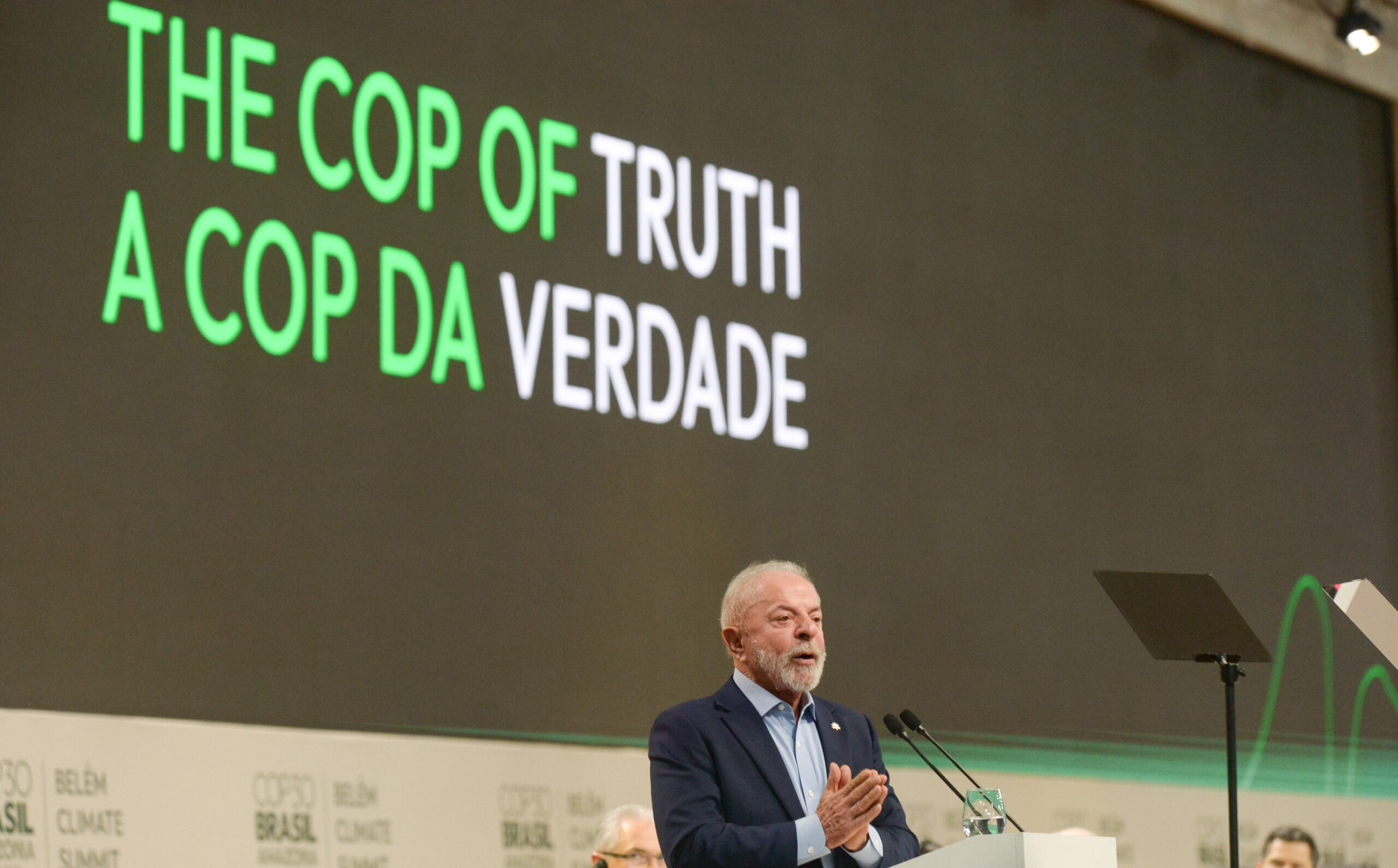
The culmination of the campaign came in Belém at COP30. After months of mobilisation, global outreach and community engagement, we officially handed over the petition to President Lula of Brazil and an open letter signed by 25+ organisations to Minister Diaz who received our voices with acknowledgement of the diverse global movement behind it, reinforcing Brazil’s role as a key leader in forest protection.
Key Food, Forest and Land Outcomes from COP30
COP30 delivered several notable advancements that placed food systems, forests and land at the centre of climate commitments. Key outcomes included:
-
The Belém Declaration on Hunger, Poverty, and Human-Centered Climate Action was adopted, recognising small-scale food producers as those most affected by climate change and key stewards of ecosystems.
-
Tropical Forest Forever Facility, ‘a once-in-a-generation initiative to secure the future of tropical forests via an innovative financing mechanism was launched by World leaders with a medium-term goal of raising $125 billion fund to safeguard forests. Read more here.
-
The Resilient Agriculture Investment for net-Zero land degradation (RAIZ) accelerator will assist participating governments to unlock and strategically allocate public and private investment for the restoration of degraded agricultural land at scale.