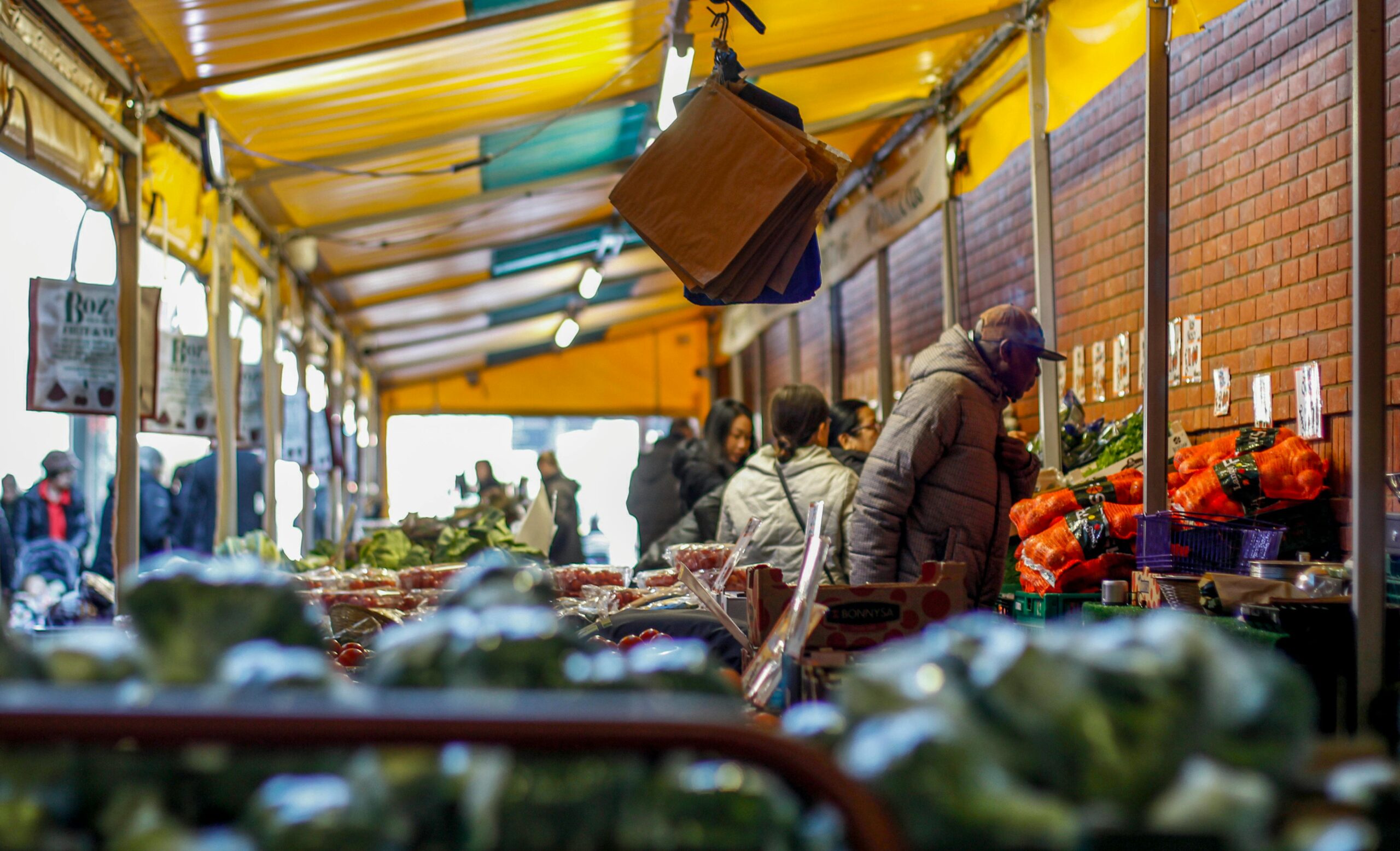
The smell of bread baking, steam rising from a shared pot, the colour and noise of a morning market… food meets us with warmth, nourishment, culture, and connection. Yet behind these familiar scenes lies a wider global story about how food is grown, moved, and accessed.
Across farming regions, cities, and areas affected by conflict, people who produce or prepare food navigate rising pressures from climate change, costs, and disrupted supply chains. Even in wealthier countries, shelves full of choice sit alongside households struggling to access nutritious meals. However, communities across the world are creating solutions, by rescuing surplus food, reducing waste, strengthening local production, and finding ways to make good food more accessible.
This is ultimately a story of justice. Good food saves lives when it reaches those who need it, strengthens resilience in communities, and honours the people, land, and resources behind every meal. Reducing our food waste supports dignity, opportunity, and shared responsibility, protecting lives through the choices we make at the table. Make the change you want to see.
The Evidence Is Clear: Good Food Saves Lives
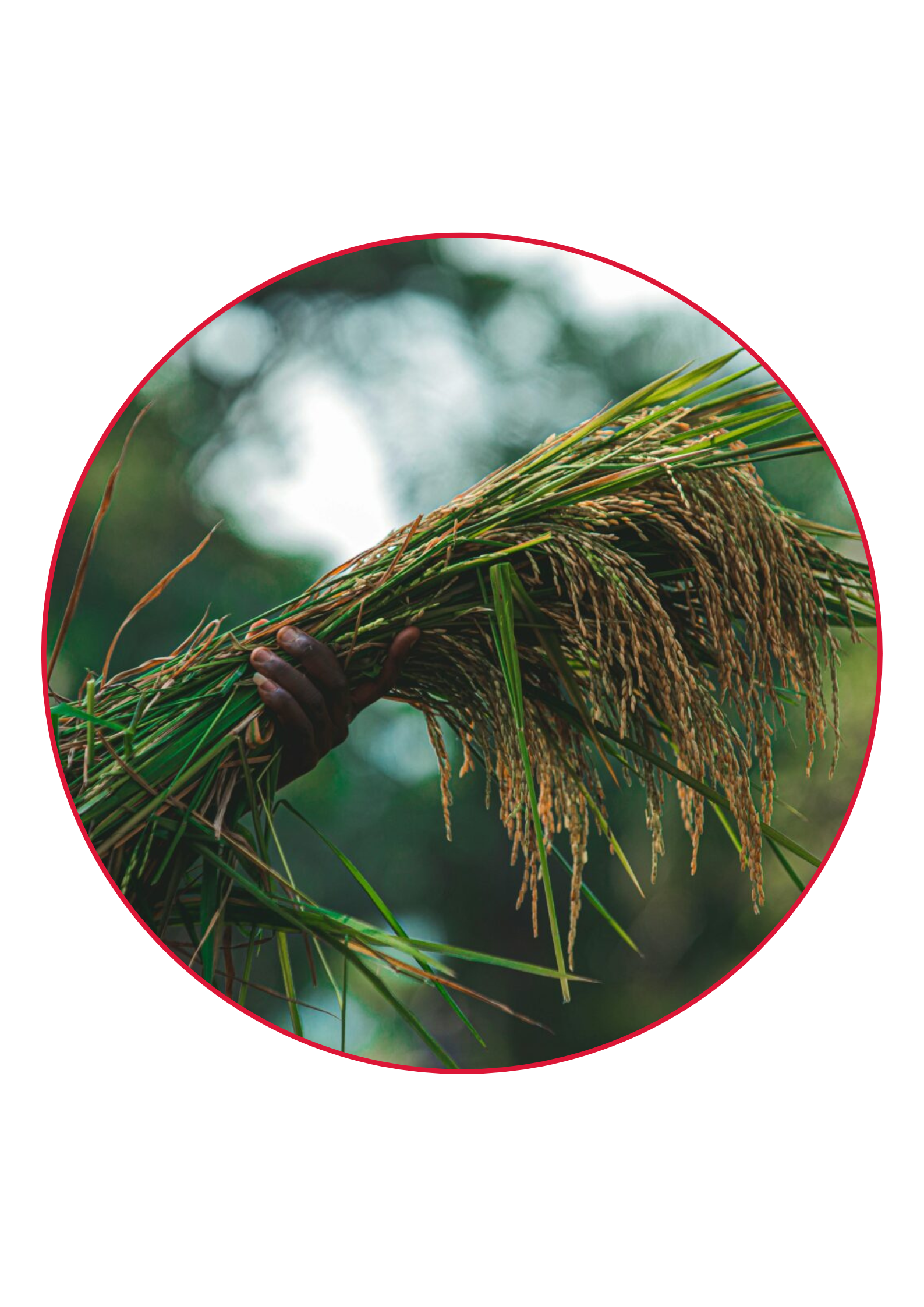
The world grows more than enough food, yet 673 million people went hungry in 2024, and 2.3 billion still struggled to access a nutritious diet (State Of Food Insecurity Report, 2025). Hunger today is not about scarcity: it is about waste, and it’s about justice.
Even wealthy nations feel the strain. In the UK, the Trussell Trust distributed 2.9 million emergency food parcels last year, 1 million of them for children. At the global level, the picture darkens further: 295 million people across 53 countries faced acute food insecurity in 2024, and 1.9 million were pushed into catastrophic levels of hunger, the highest number ever recorded (World Food Program, 2025).
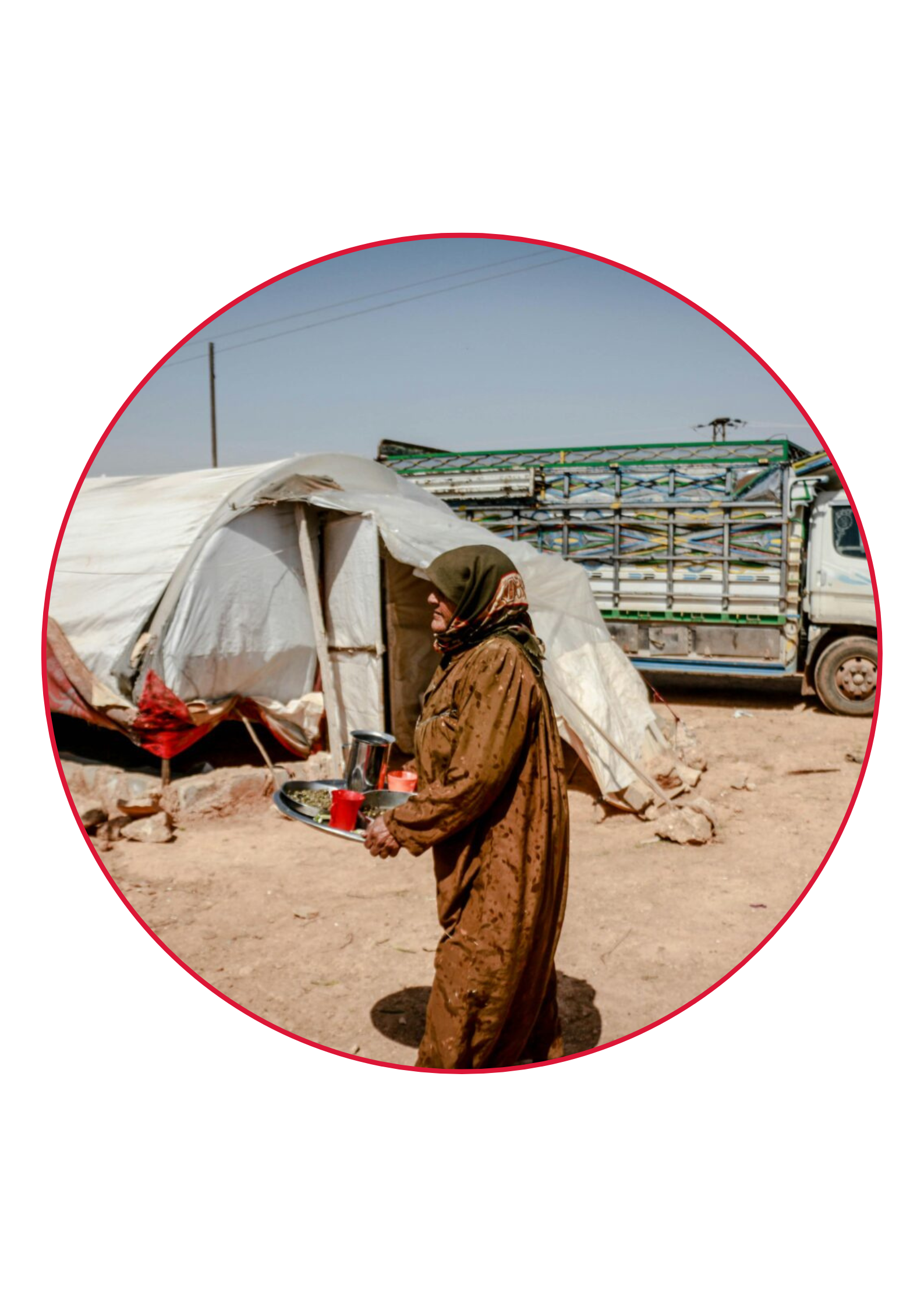
Conflict deepens this fragility. In countries including Afghanistan, Sudan, South Sudan, Yemen, Palestine, Syria, Mali, Haiti, Nigeria, and Myanmar, food systems can collapse overnight (Global Network on Food Crises, 2025). In these places, a meal is survival, dignity, and hope. No crisis should ever turn food into a weapon.
Simultaneously, so much food that’s grown is squandered. In 2022, the world wasted about 1.05 billion tonnes of food, roughly 19% of all food available to consumers (households, retail, food service) (United Nations Environment Programme, 2024). Food loss and waste then generate 8–10% of global greenhouse gases (FAO), a staggering climate cost for food never eaten.
Taken together, these realities show why good food – used wisely, shared fairly, and protected from waste – doesn’t just nourish communities. It saves lives.
Redefining Fairness in Food
Around the world, chefs, community leaders, and social entrepreneurs are reshaping what good food can mean; not just nourishment, but dignity, connection, and justice. Their work shows how creativity, care, and community spirit can reduce waste, strengthen neighbourhoods, and make nutritious food more accessible to those who need it most. From zero-waste cooking to food-rescue kitchens and social enterprises built on surplus produce, these leaders demonstrate that when we value food fully, lives are changed. Below are three individuals whose experiences embody these principles and bring the idea that good food saves lives into practical, everyday reality.
From global policy tables to neighbourhood kitchens, Sohini, Danny and Anna remind us that transformation begins with the smallest human choices – what we value, what we waste, what we share. Their experiences echo a single truth: every meal is a vote for the world we want. When we choose wisely, act generously, and stay awake to the stories behind our food, we become part of the quiet revolution shaping a fairer, kinder, more nourishing future for all.
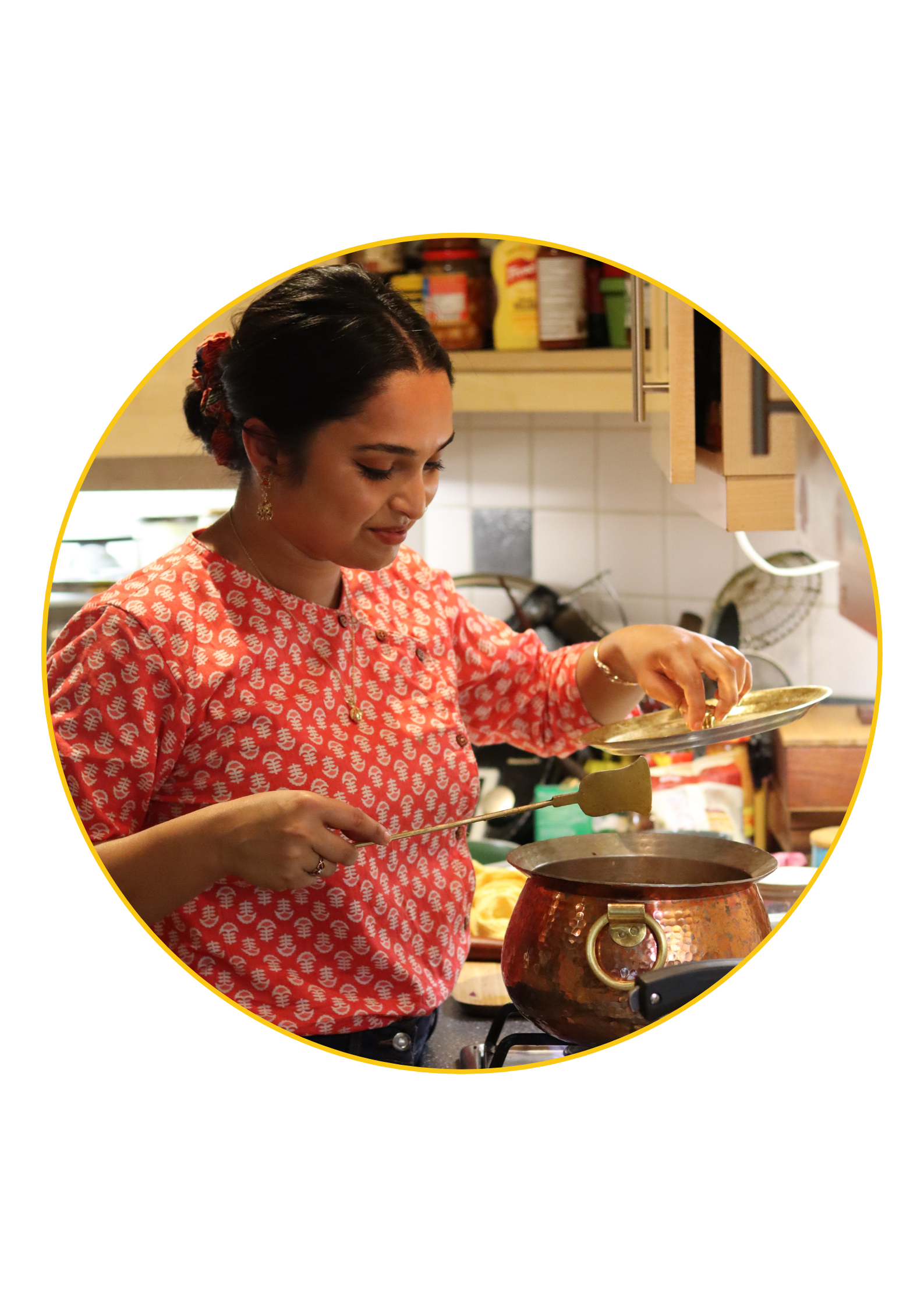
Sohini Banerjee
Bengali Zero-Waste Chef & Storyteller
Sohini’s practice blends Bengali with sustainable innovation. Through her supper clubs and storytelling, she shows how low-waste cooking deepens connection and builds everyday resilience.
“As a Bengali chef, my work revolves around storytelling through food, reviving recipes, sharing memories, and creating spaces where people connect over a shared meal. Through my supper clubs, I try to recreate that sense of home and belonging, serving dishes that carry both history and heart, and using food as a way to reflect on sustainability and care.
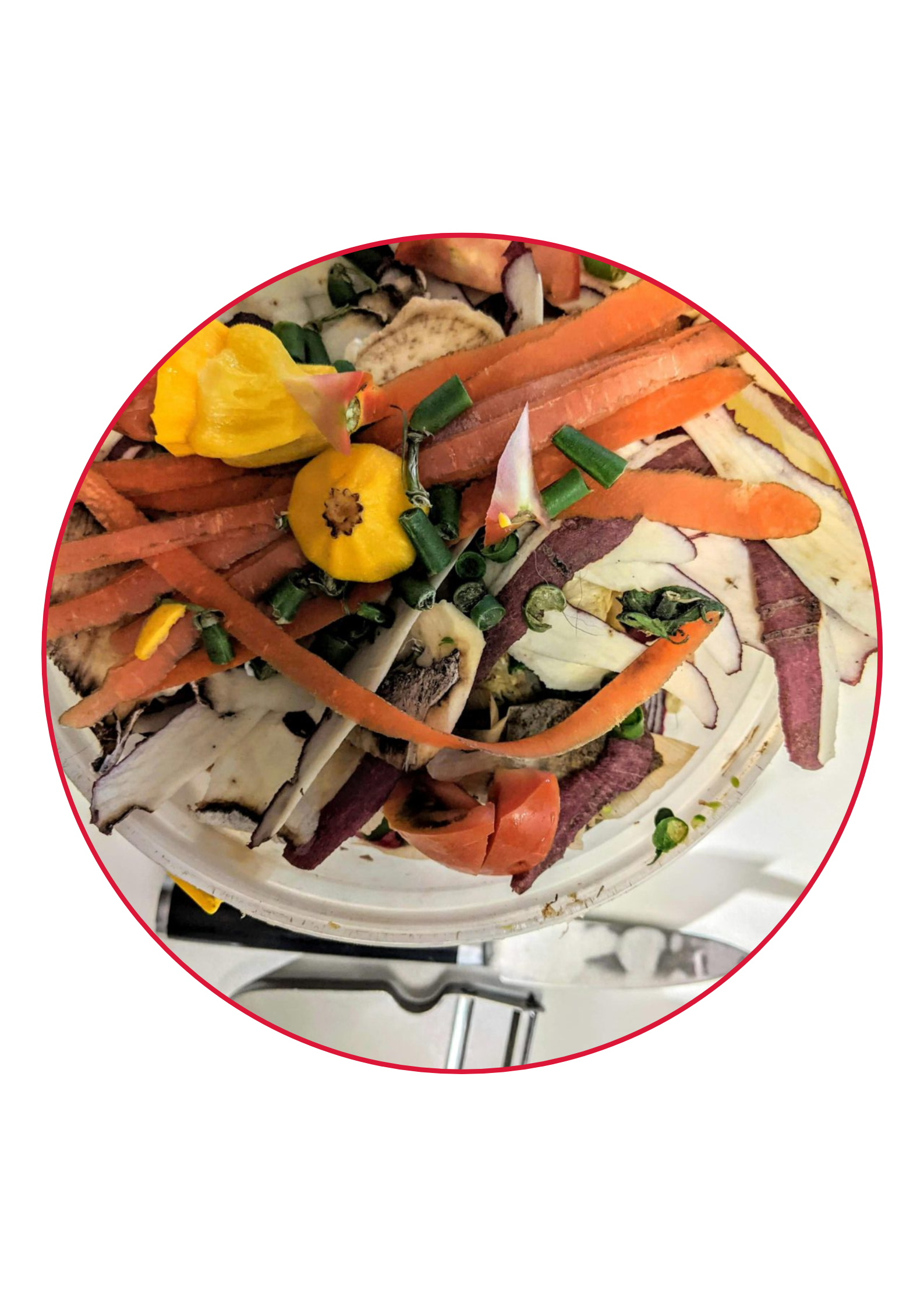
In Bengali cooking, nothing is ever wasted. We have always cooked with peels, seeds, and stems, turning what others discard into something nourishing and delicious. This philosophy of zero-waste cooking runs through my work, where I use every part of an ingredient to honour its full value. In every dish, I see the labour, land, and love that bring food to our tables. For me, food is more than nourishment; it is a form of justice, a way to restore balance, dignity, and connection through mindful cooking and sharing.”
Danny McCubbin
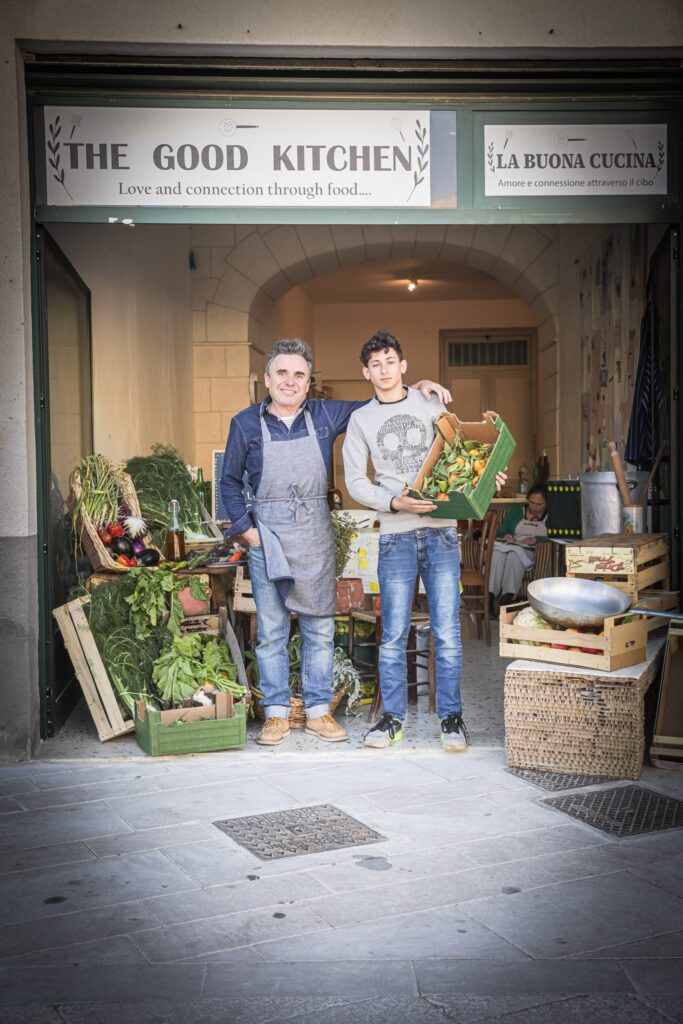
Founder, The Good Kitchen
Danny strengthens community resilience by creating spaces where dignified, local meals are shared. Through The Good Kitchen, located in Sicily, he partners with volunteers and producers to support people experiencing hardship with fresh, connected care.
“In 2020, I moved to a remote Sicilian town to launch a community kitchen. I left London burned out and dreaming of a kitchen built on real human connect.The beginning was tough. No one understood what I was trying to create, and people avoided the space, assuming it was a place of shame, like a soup kitchen. Everything changed when families fleeing the war in Ukraine arrived. We opened our doors, cooked for them, and offered a safe place to gather. The town finally saw our mission in action, and the stigma disappeared.
Since launching in July 2021, we’ve rescued nearly 30 tonnes of food, served over 10,000 meals, and delivered more than 1,300 fresh food parcels to families experiencing poverty. Every Sunday, we set up long tables in the town square and serve lunch to anyone, no questions asked. People from all walks of life sit together with dignity. The Good Kitchen is now a place of love and connection, run by volunteers of all ages. Food is our connector. It brings people together, reminds us of our shared humanity, and shows what community can truly mean.”

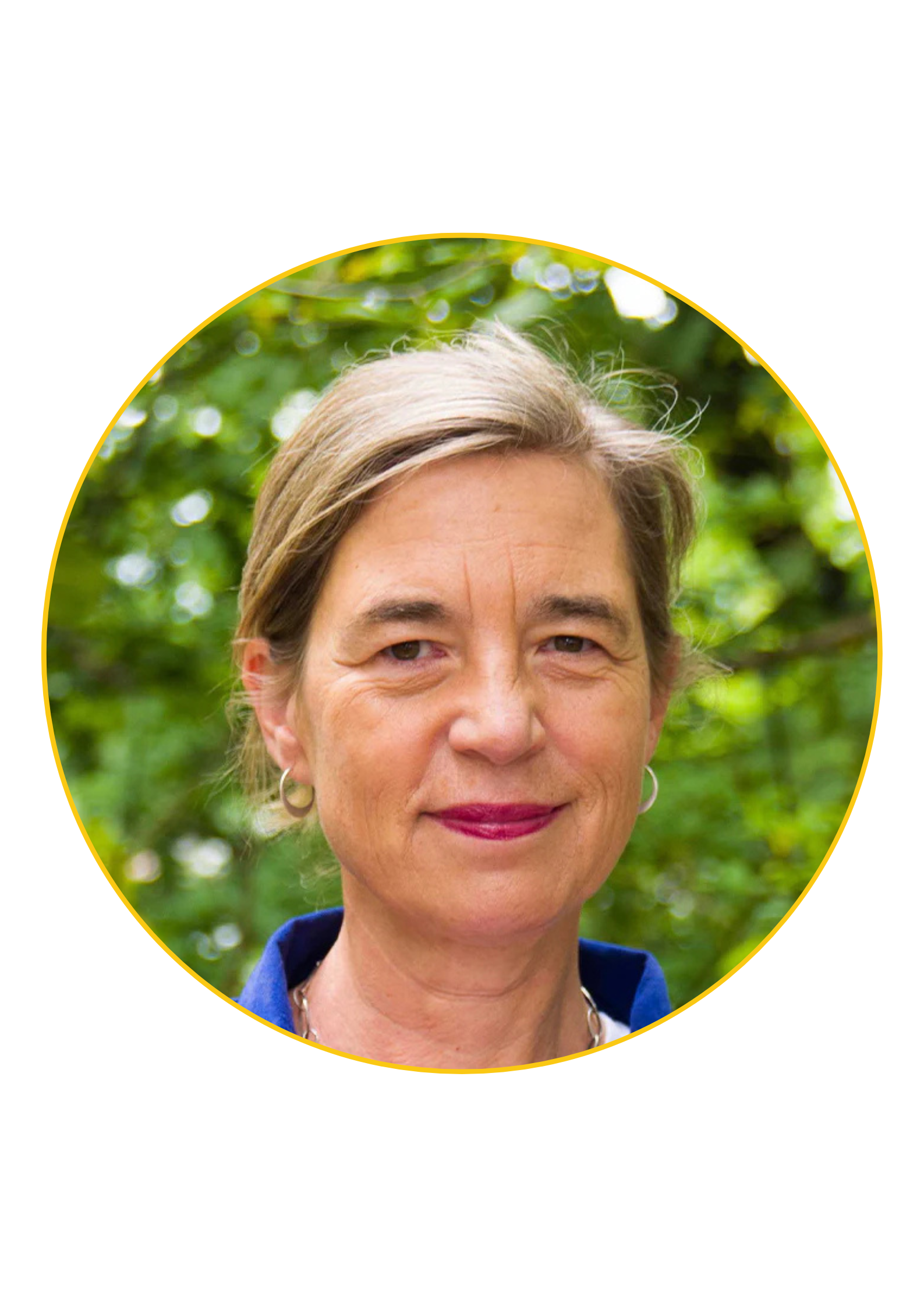
Anna Hammond
CEO, Matriark Foods
Anna’s experience in food-insecure communities shapes her leadership at Matriark Foods, where surplus vegetables and farm by-products become nutritious, shelf-stable foods. Her work shows how smart supply chains and fair markets can turn surplus into community nourishment.
“Globally, 2.3 billion people are food insecure. Nationally, 1 in 8 Americans is food insecure, and 1 in 5 of those people are children. Big numbers can feel numbing, so just walk down the street and count every 5th child you see. Let that sink in.
Matriark Foods was founded to solve 3 issues: to reduce the negative impacts that food loss (nutrition loss) has on the environment; to create additional markets for farmers to sell their surplus (both on farm and harvested but unsold); and to create greater access to healthy food for all people, especially those experiencing food insecurity.
We serve food banks, Meals on Wheels and college student food pantry programs as well as climate disaster relief efforts in other countries. The work is the motivation, because every meal delivered, every farmer paid, and every pound of food saved shows what’s possible.”
From global policy tables to neighbourhood kitchens, Sohini, Danny and Anna remind us that transformation begins with the smallest human choices – what we value, what we waste, what we share. Their experiences echo a single truth: every meal is a vote for the world we want. When we choose wisely, act generously, and stay awake to the stories behind our food, we become part of the quiet revolution shaping a fairer, kinder, more nourishing future for all.
A Lifeline Around the World
Amidst the challenges, many organisations and community groups are proving that fairness can be rebuilt. Community kitchens, farmer cooperatives, surplus-to-meal programs, and locally led distribution efforts all demonstrate the same truth: when food is valued and shared wisely, people, communities and our environment thrive.
In Kenya, Food Banking Kenya rescues significant quantities of edible surplus food and channels it directly to communities facing food insecurity. Their recent achievements include:
- 500+ tonnes of surplus food redistributed
- ~2.17 million meals created
- ~494 tonnes CO₂ emissions avoided
- Recovery enabled through farm partnerships, retailer collaborations, and FoodCloud’s Foodiverse platform
This work builds systemic resilience by reducing waste, cutting emissions, and ensuring good food reaches people who need it most.
In Australia, OzHarvest rescues enormous volumes of perfectly edible surplus food and redirects it to people experiencing hardship. Their impact in 2024 included:
- 40+ million kg of food rescued
- 140+ million meals created from that rescued food
- 100+ million kg CO₂-equivalent emissions avoided (≈2.5 kg CO₂ saved per kg rescued)
Through food rescue, education programs, and strong community partnerships, OzHarvest strengthens neighbourhoods, supports dignity, and nourishes people.

What Can You Do To Reduce Food Waste?
Good food becomes life-saving when households and neighbourhoods treat it as a valuable, lifesaving resource. Even small actions create ripples of fairness and change.

You could consider…
🥕Plan ahead and use what you have: Write a simple weekly meal plan, buy only what you need, and put an “eat me first” basket in your fridge or pantry. These habits stretch your budget, reduce waste, and respect the resources behind each ingredient.
🫑 Save leftovers; all of them: Even small amounts can become tomorrow’s lunch, a side dish, or the base for something new.
🥗 Share abundance: Extra produce, cooked meals, or packaged foods can be gifted to a neighbour, dropped at a community pantry, or passed on to a local food-rescue program. Don’t waste it.
🫐 Volunteer where you live: Community kitchens, food banks, school breakfast programs, and neighbourhood groups always need hands. You could join the community!
Waste less. Share more. Strengthen your community.
This isn’t about perfection, but possibility. Multiplied across households, action against food waste builds resilience against crisis, reduces inequality, and ensures more people have the nourishment they deserve. Good food saves lives, and together, we can make sure it reaches every plate.
Small actions make a big difference!


Between promises and progress: Food systems at the Bonn climate talks
Between promises and progress: Food systems at the Bonn climate talks