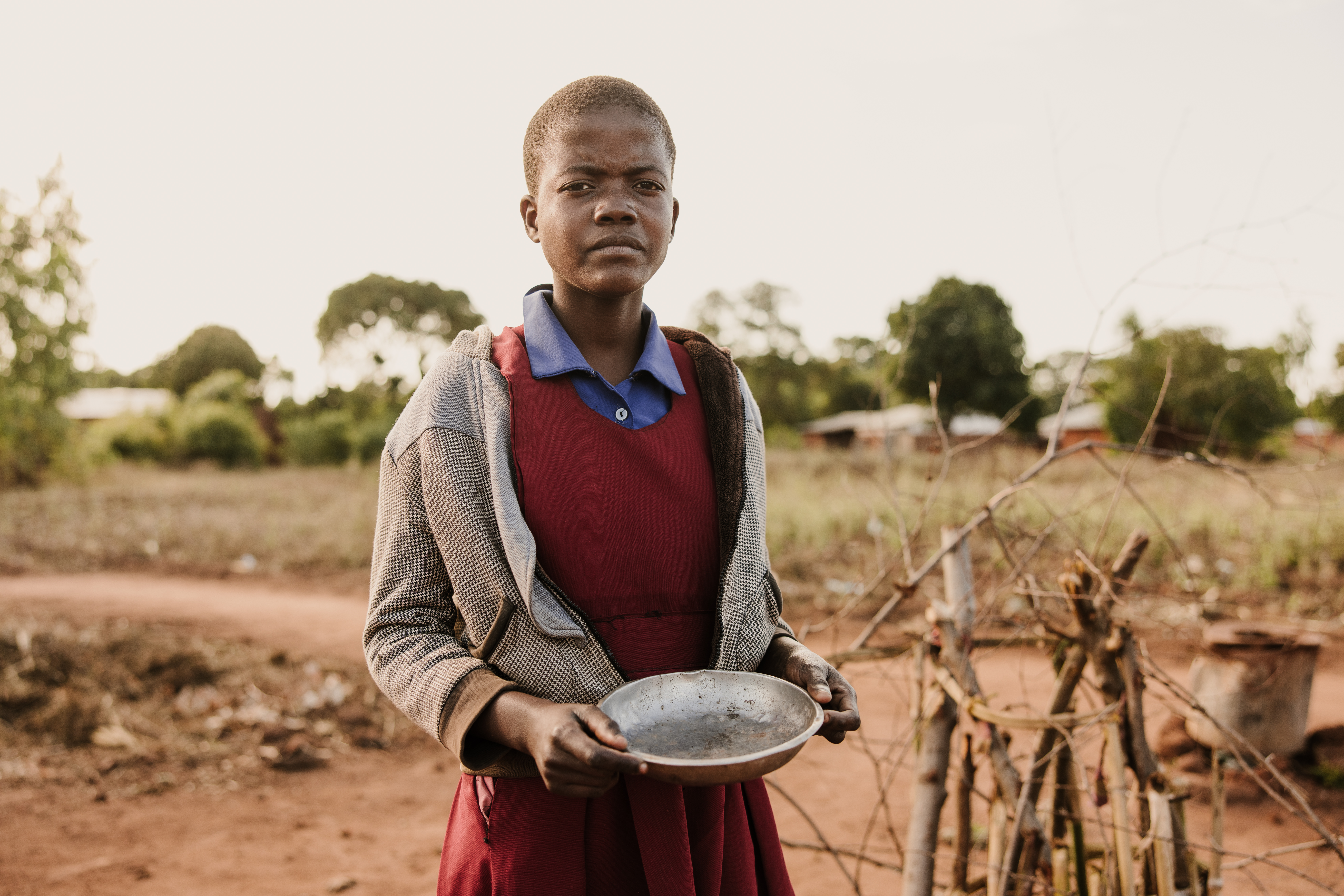
Despite averting famine in the Gaza Strip a few months ago, nearly the entire population of 2.1 million remains at emergency levels of food insecurity. In Somalia, failed rains are worsening an already precarious situation, with acute food insecurity conditions worsening. In Haiti, 53% of the country’s population (5.7 million) faces food insecurity, with 18% in emergency levels from March to June 2026.
These three countries are just a few examples of the world’s 16 hunger hotspots where humanitarian aid is a lifeline for millions of people. At the same time, the resources are considerably less against the needs, as aid cuts have had a huge impact.
Speaking during a virtual dialogue co-hosted by the Global Network Against Food Crises and the SDG2 Advocacy Hub, Harry O’Crowley, Head of International Development at the Irish Department of Agriculture, Food and the Marine, bemoaned that “urgency is no longer a warning, but a lived reality for millions around the world.”
Particularly concerning for O’Crowley was the fact that the emergence of hunger within fragile food and economic systems is not only driving acute food insecurity, but leaving countries with no capacity to respond.
Projections by the UN World Food Programme (WFP) indicate that 295 million people faced high levels of food insecurity in 2024, a figure that has tripled since 2016 and doubled since 2020. While full data for 2025 will be released in the Global Report on Food Crises (GRFC) in March 2026, early signs forecast limited improvement this year as funding cuts and worsening drivers – such as conflict, climate extremes, and economic shocks – take root.
Amidst all these challenges, advocates and policymakers believe there is a way for the world to step up to save lives, build resilience and secure the future.
“Acute hunger is rising not because the world cannot feed itself, but because of the choices being made by those with power. It is not credible to argue that resources are unavailable. A world capable of mobilising billions overnight for warfare cannot claim that preventing children from starving is beyond its means,” said O’Crowley as he set the scene for the dialogue.
Unpacking food insecurity statistics from the past 10 years, and giving a sneak peek into the forthcoming report, Lavinia Antonaci, Technical Coordinator at the Food and Agriculture Organisation and Global Network Against Food Crises, decried the recurring concentration of extreme hunger in 33 countries in every edition of the GRFC.
“Each year, around 80 per cent of the global population facing acute food insecurity — those in IPC Phase 3 and above — is concentrated in these same countries.”
Despite such stark numbers of escalating crises, spending on food security, agriculture and nutrition in crisis-stricken countries remains at a record low of just 3 per cent. By contrast, humanitarian assistance in these countries absorbs 33 per cent of total global humanitarian funding.
“This tells us that responses to food insecurity remain heavily dependent on humanitarian funding, with financing prioritising the symptoms of food crises rather than addressing the structural factors that drive increasingly protracted and long-term hunger,” added Antonaci.
With conflict as the leading cause of food insecurity for 70 per cent of the world’s hungry people, WFP’s Head of Forecasting and Early Warning, Food Security and Nutrition Analysis, Kyriacos Koupparis, appealed for systematic changes, saying timely and accountable responses that are built around local capacity should shape humanitarian responses and sustainability of impact.
As aid agencies grapple with a world where needs are rising, funding is falling, and crises are multiplying, Koupparis called for the honest adaptation of humanitarian responses to deliver what is possible and meet the needs of the people most in need.
In the face of such compounding crises, Anuradha Narayan, UNICEF Senior Advisor of Child Nutrition and Development, believes coordinated anticipatory action and measurement can drive change.
“Establishing early warning systems that trigger multi-sectoral responses before crises escalate, in partnership with implementing agencies, is vital and must be supported by strong governance and accountability,” said Narayan.


Solutions offering hope
Somalia is building new models
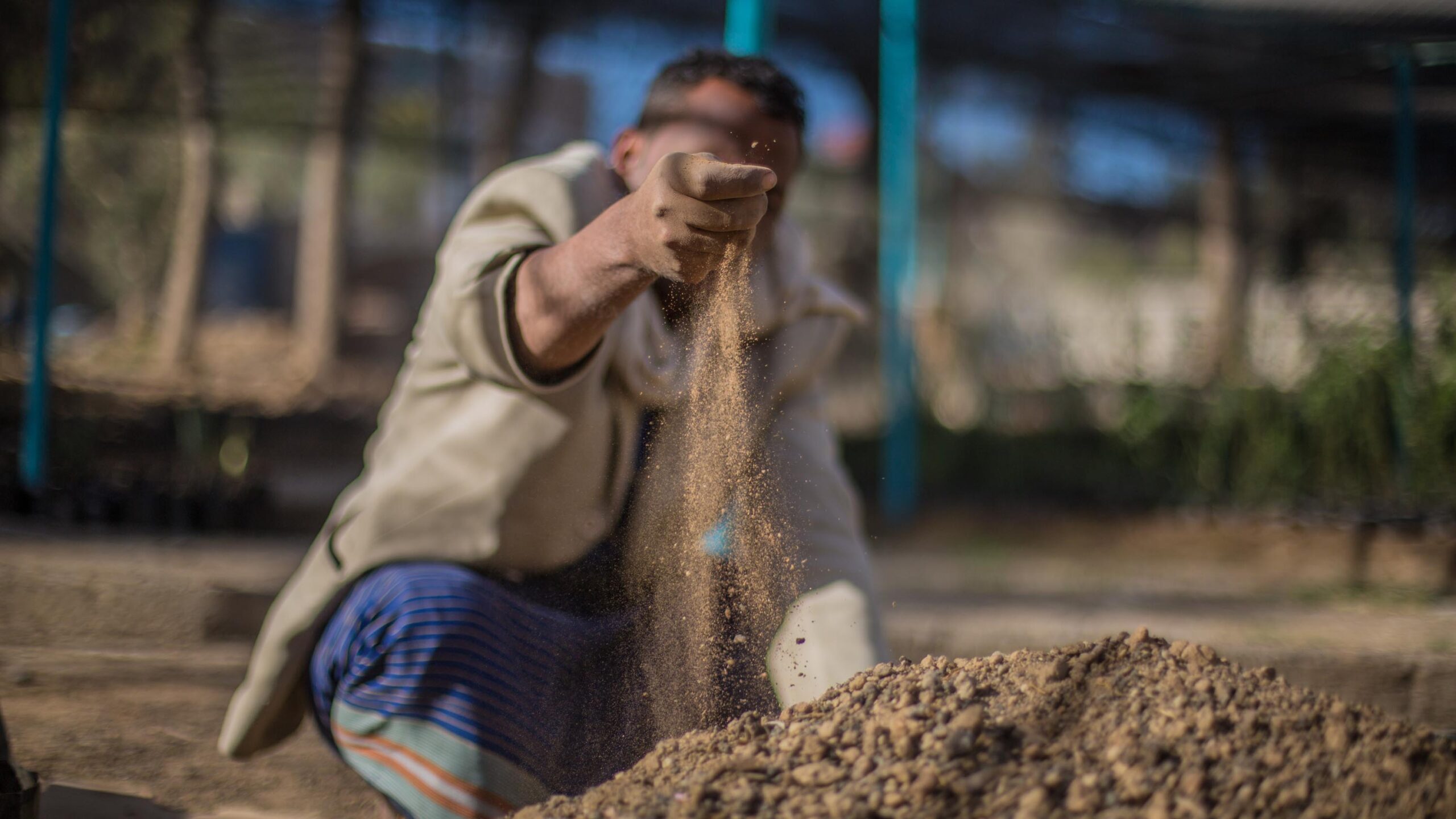
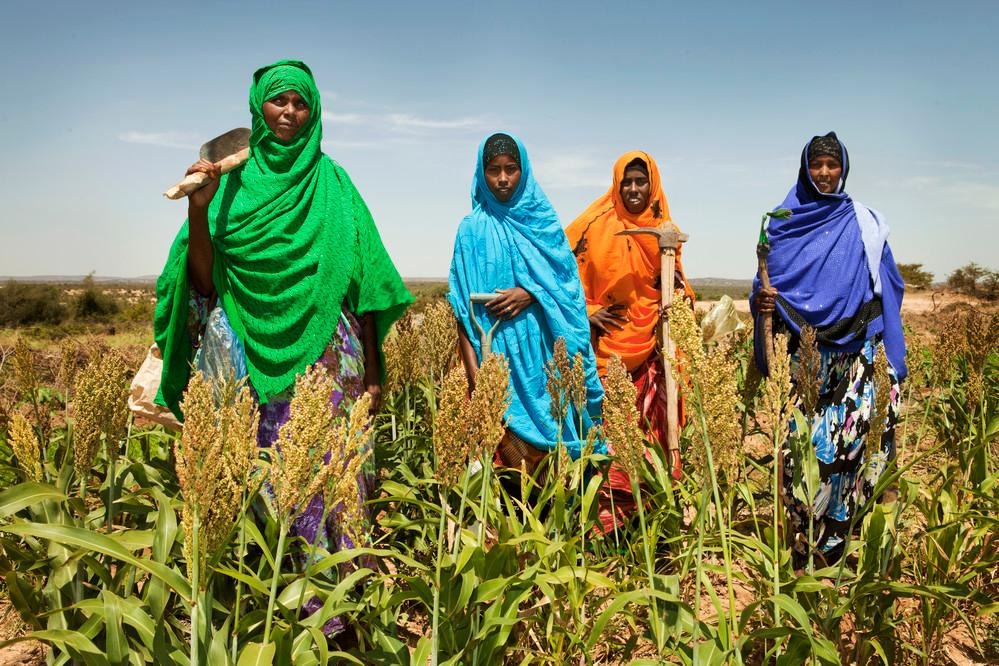
In Somalia, 690,000 people are in need of life-saving assistance, and another 7.5 million- 39 per cent of the total population– faces imminent food insecurity. At the same time, the country is working to redesign the funding landscape.
Speaking at the dialogue, Abdihakim Ainte, Director of Food Systems and Climate Change in the Office of the Prime Minister, highlighted emerging partnerships with philanthropic foundations, including the Rockefeller Foundation. He also shared insights into the development of a new financing dashboard designed to integrate with other systems and enable the Somali diaspora to mobilise urgent resources in real time.
Ainte emphasised that this effort is open to collaboration, inviting technical partners to contribute to the dashboard’s development. He noted that the initiative reflects an intentional shift beyond traditional aid models, pushing past long-standing approaches to assistance and exploring more innovative, responsive financing mechanisms.
Strengthening country systems and capacities
With over 200 members, the Global Alliance Against Hunger and Poverty aims to strengthen capacities, improve policies, and build resilience among populations to prevent crises.
With work underway in Somalia and Haiti, Renato Godinho, Director of the Global Alliance Against Hunger and Poverty Support Mechanism, reiterated the need to tailor solutions and partnership models to each country to achieve maximum results.
“Our role is to continue pressing forward while seizing every opportunity to do more for and with countries, because that is where capacity and scale will ultimately lie, even in fragile, conflict-affected states,” said Godinho.
Natasha Hayward, Global Lead for Food and Nutrition Security in the Agriculture and Food Global Practice at the World Bank, outlined the bank’s efforts to strengthen institutions and infrastructure, foster coherent policies, and mobilise financing through domestic and partner investment. She highlighted initiatives such as the Food Security Crisis Preparedness Plans, GAFSP and AgriConnect, which aim not only to save lives but also to build resilience and secure the future of good food for all.

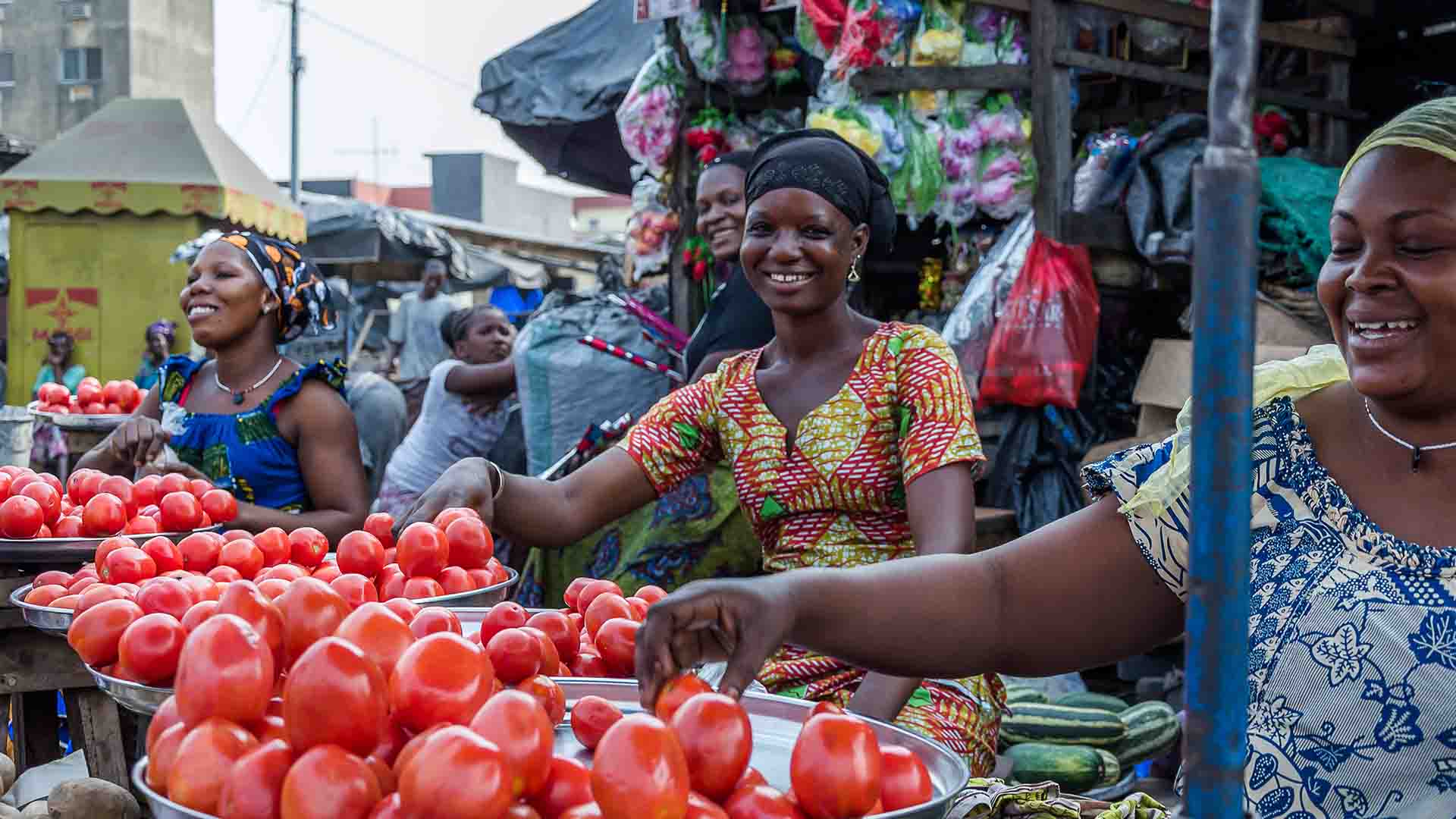
For the United Kingdom, Tino Nieddu, Deputy Head of Global Food Security at the Foreign, Commonwealth and Development Office, said prioritisation is becoming a key approach. The UK is reassessing not just what it delivers, but how it partners, recognising that today’s global challenges demand a shift towards coordination, integration of key sectors, resilience, and systemic reform rather than traditional, reactive responses alone.
Additionally, the UK is committed to utilising the G20 space to drive the reform of the global economic system and address structural constraints, to avoid continuing to “treat symptoms rather than causes” on food and nutrition crises.
“The UK is moving from being a donor to an investor, from service delivery to system support, and from internationally driven interventions to more locally led solutions, focused on building resilience rather than simply responding to crisis,” added Nieddu.
Conclusion
As the dialogue underscored, the scale of today’s food and malnutrition crises demands more than short‑term fixes. It calls for coordinated, long‑term action that strengthens country systems, invests in resilience, and ensures that solutions are rooted in the realities of those most affected. From Somalia’s innovative financing models and the Global Alliance’s coordination of expertise and financing to the World Bank’s efforts in infrastructure, policy, and investment, only by aligning humanitarian response with structural transformation can the world move from crisis management to lasting progress. While the challenges are immense, the SDG2 community has an opportunity to act decisively and secure the future of good food for all, which is within reach.