The Conference of the Parties to the UN Framework Convention on Climate Change (UNFCCC) (COP30) placed renewed attention on the interconnected crises of climate change, hunger, and fragile food systems. Several key outcomes highlighted the urgent need to support the communities most affected by climate impacts while accelerating efforts to build resilience across the globe.
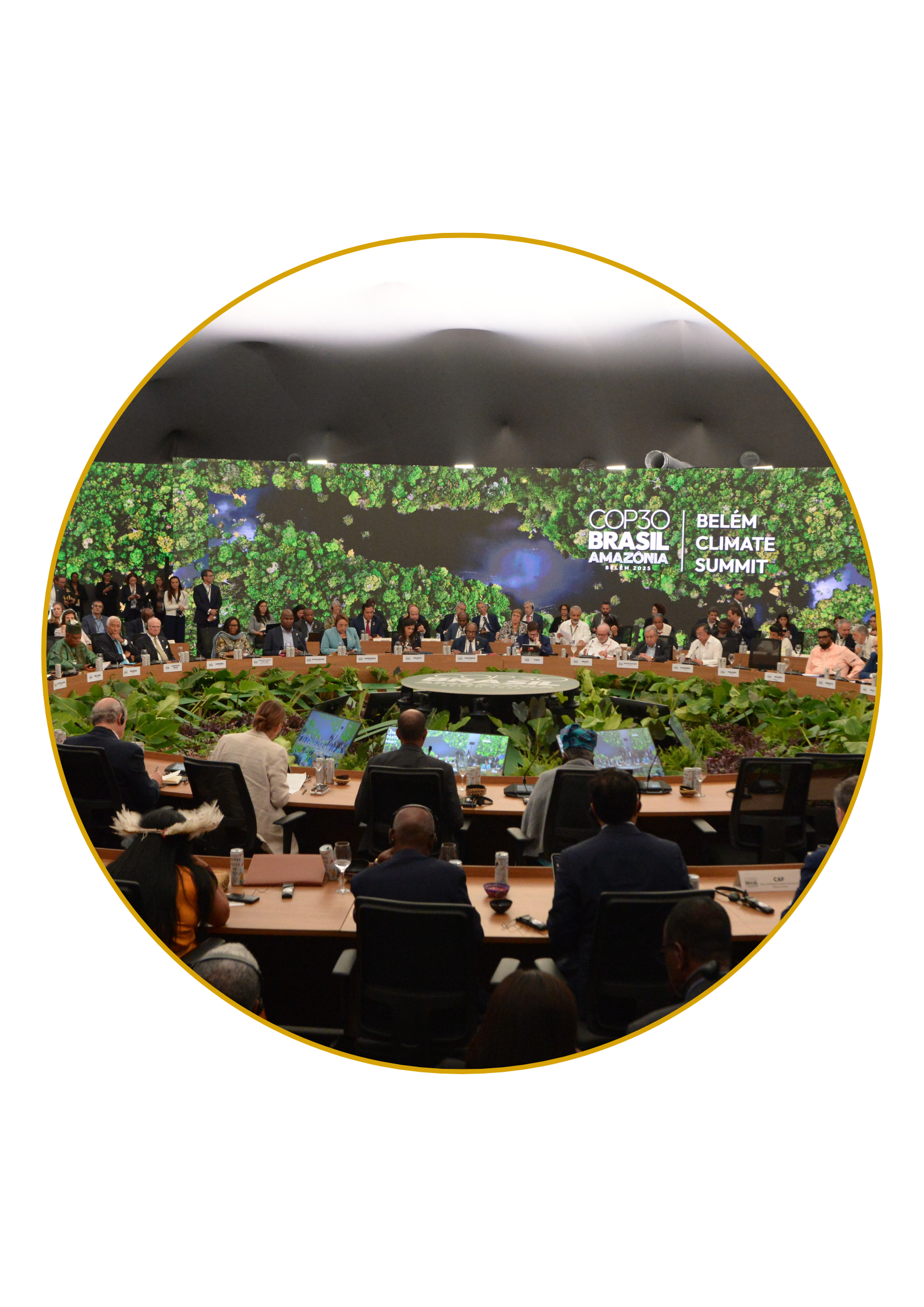
Another significant achievement was the adoption of the Belém Declaration on Hunger, Poverty and Human-Centred Climate Action, endorsed by 43 countries and the European Union. The declaration recognises that small-scale food producers are among the hardest hit by climate change, yet they remain vital custodians of ecosystems and biodiversity. By placing them at the heart of climate action, the declaration calls for stronger support to secure food systems, reduce hunger, and promote sustainable agricultural practices that benefit both people and the planet.
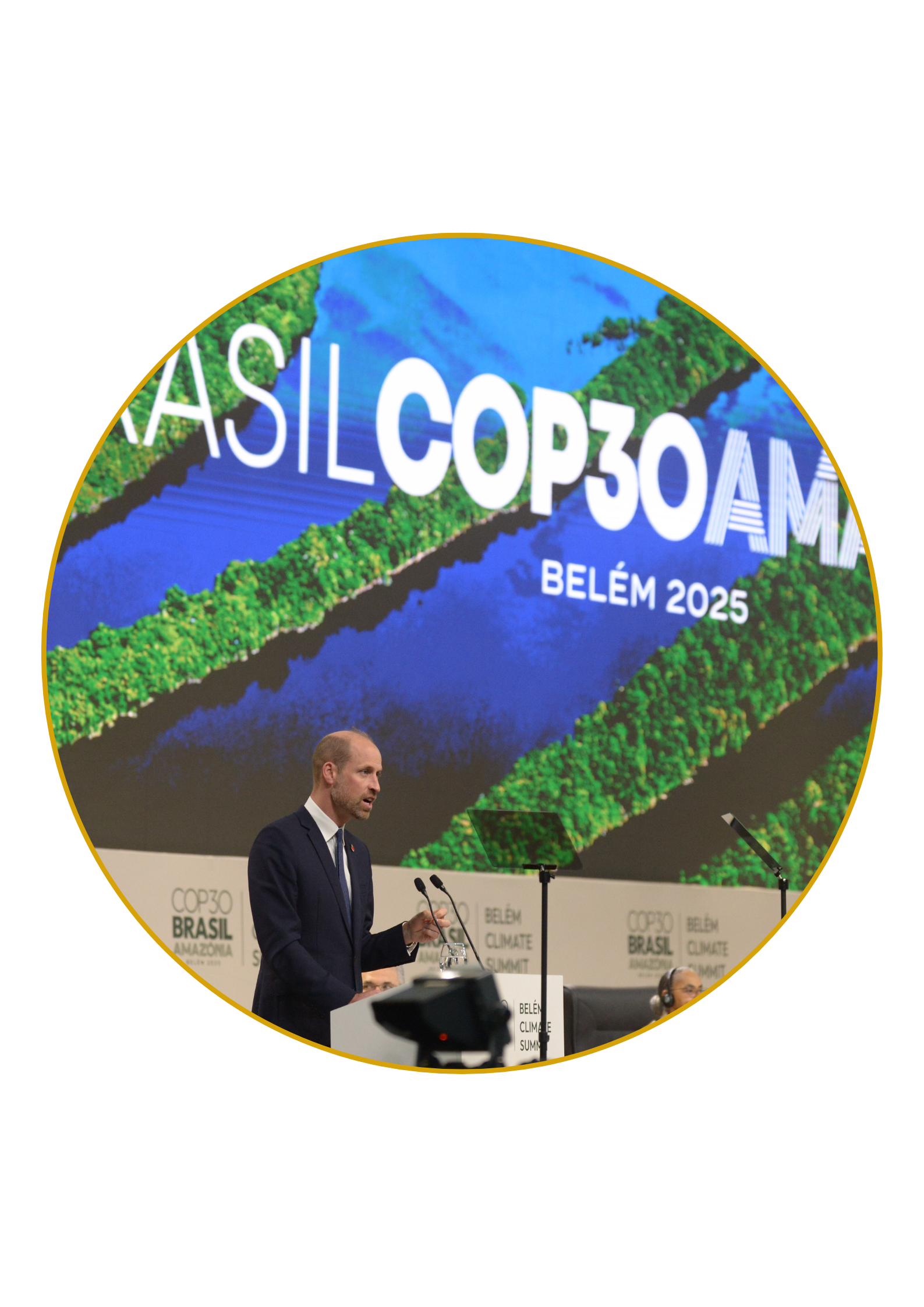
Momentum also came from the creation of the Climate and Health Funders Coalition, which pledged 300 million US dollars to address the underlying causes of climate change and its growing effects on human health, particularly in the Global South. While health is at the centre of this initiative, its impact on food systems is unmistakable, as climate-related health challenges often stem from food insecurity and environmental degradation. The coalition will play a key role in supporting the implementation of the Belém Health Action Plan, which further reinforces the link between human wellbeing and climate resilience.
A practical step towards improving food-related outcomes was the launch of a global platform to accelerate clean cooking in schools. By linking energy and food systems, this initiative seeks to improve the nutritional and health environment of millions of children. It builds on existing efforts in several countries, with plans to expand further by 2026 and reach global scale by 2030. Clean cooking solutions not only improve the safety and quality of school meals but also reduce emissions and pressure on local ecosystems.
Another prominent outcome was the launch of the Resilient Agriculture Investment for Net-Zero Land Degradation (RAIZ) initiative. Led by Brazil, with support from Australia, Canada, Germany, Japan, Saudi Arabia, New Zealand, Norway, Peru and the United Kingdom, RAIZ is designed as an accelerator to help governments map degraded land, identify viable restoration opportunities and develop financing mechanisms capable of attracting private capital.
You can read more outcomes from COP30 on this document compiled by Oliver Camp.
A major announcement was the new goal to triple climate adaptation finance by 2035. This commitment represents an important shift towards ensuring that countries and communities facing the most severe climate shocks have the resources required to protect lives and livelihoods. For food systems, which are increasingly vulnerable to droughts, floods, and rising temperatures, this level of investment could be pivotal in safeguarding production and strengthening long-term resilience.
The Forests4Food campaign, led by Ação da Cidadania and the SDG2 Advocacy Hub, championed forest preservation as essential to healthy and sustainable food systems. Over six months, the campaign engaged people in London, New York, Seville, Nairobi and major food and climate forums resulting in nearly 60,000 people from around the world signing onto the petition. The petition was formally presented to Brazilian President Lula in Rome on World Food Day and an open letter to Minister of Development and Social Assistance, Family and Fight Against Hunger, Wellington Dias who represented the Brazilian government and COP30 Presidency. Read more here.
The Tropical Forest Forever Facility launched with commitments of $6.6 billion US to secure the future of tropical forests alongside innovative financing mechanisms. Brazil also announced ten new indigenous lands conservation. The demarcation ordinances represent institutional recognition of the right to Indigenous lands and the definition of territorial boundaries.