Good food is vulnerable to disruption
Across the world, droughts decimate fields, wars uproot livelihoods, pandemics close local farms, and conflicts sever trade routes. Each time peace fractures, rain fails, or borders close, our food systems tremble.
Yet, within this fragility lies peoples’ power – our power – to shift our systems toward resilience, nourishment, connection and peace.
Every day, communities are rebuilding after disaster, innovating through drought, and finding ways to feed one another despite crisis. Farmers are adapting, peace-builders are planting, and local leaders are proving resilience can grow even in the toughest soil.
Through statistics and stories, we see just how disrupted our food system is, but each of us has a powerful role to play in shaping a better food future. Whilst good food is vulnerable, it can also be a force for people, planet, prosperity and peace.
The Stories and Stats Behind the Food Crisis
Through statistics and stories, we can see just how disrupted our food systems are, amidst the food crises that exist, but each of us has a powerful role to play in shaping a better food future.
Conflict Crises
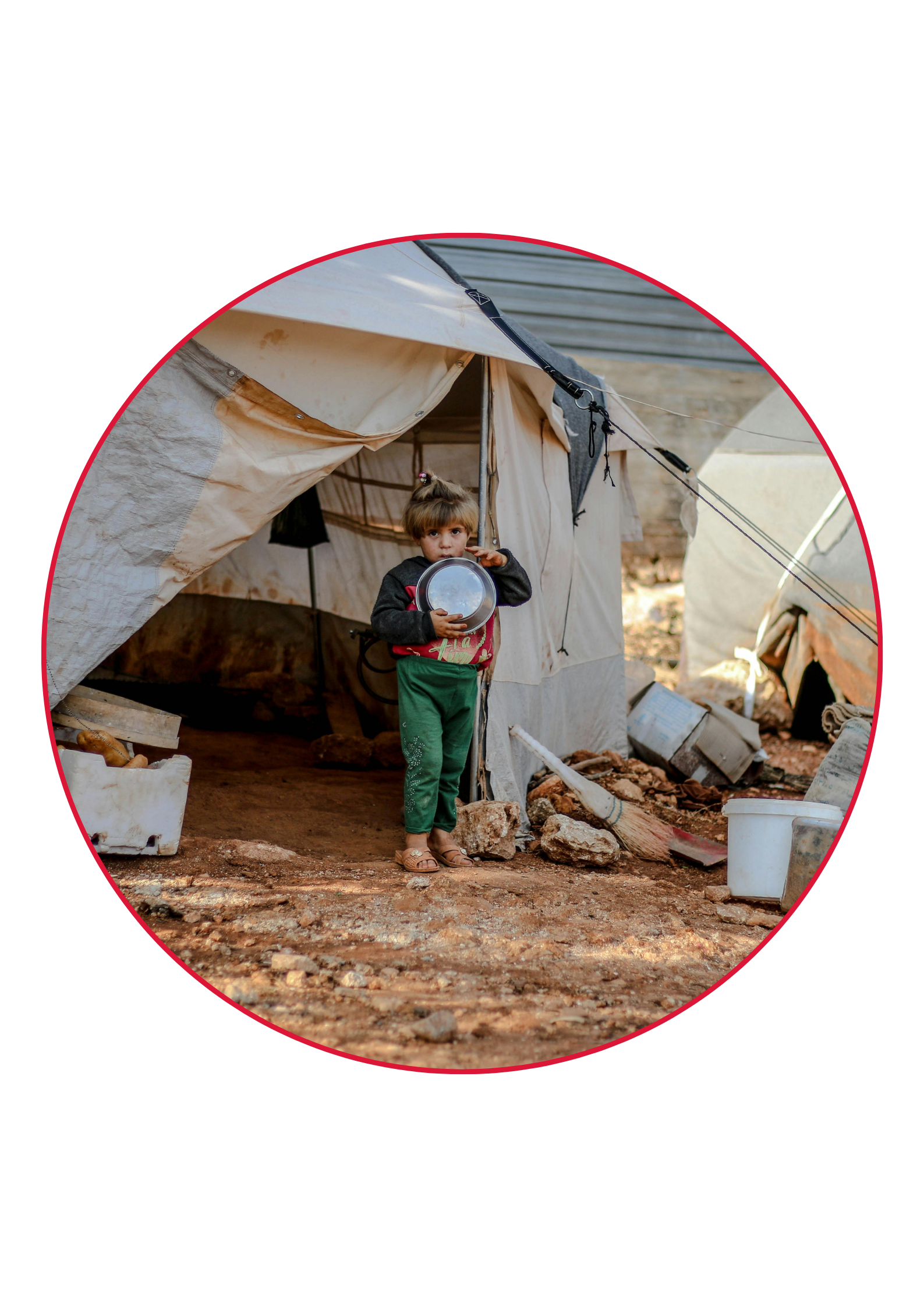
Conflict is the leading driver of hunger, responsible for over 70% of current food crises (WFP, 2024). In Gaza and Sudan, violence has pushed millions to the brink of famine (UN News, 2024). In Ukraine, the war has disrupted global grain exports, driving up prices that ripple across Africa and the Middle East (FAO, 2023). In Afghanistan and Yemen, years of instability have destroyed livelihoods and infrastructure, leaving millions dependent on humanitarian food aid (UNICEF, 2024). Conflict is harrowing; challenging not only our societies, but the bare necessities required for life, including food.
Cost Crises
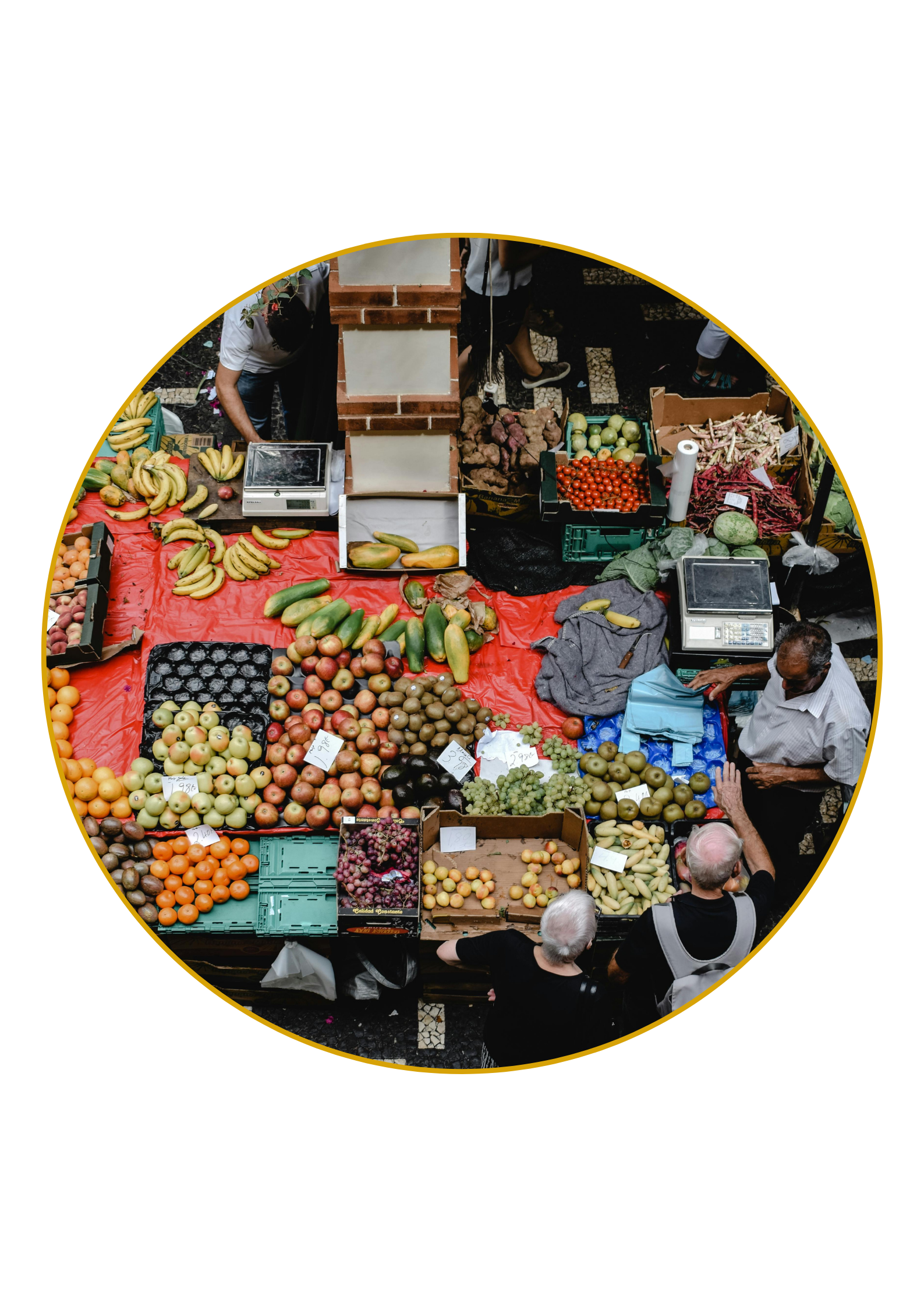
Secondly, cost and access to food are vulnerable across the world. The World Food Programme estimates that around 318 million people now face severe food insecurity, more than double the number in 2020 (WFP, 2024). Additionally, approximately 2.3 billion people experienced moderate or severe food insecurity in 2024, and 2.6 billion could not afford a healthy diet, underscoring how economic barriers continue to restrict access to adequate nutrition globally (SOFI, 2025).
Climate Crises
Meanwhile, the climate crisis is amplifying this vulnerability across the globe. It threatens food production, nutrient quality, our economic systems, the livelihoods of our farmers and the cultural traditions of entire communities. Here are a few snapshots:
- The World Meteorological Organization reports that the number of extreme climate-related disasters has doubled since the 1990s (WMO, 2023).
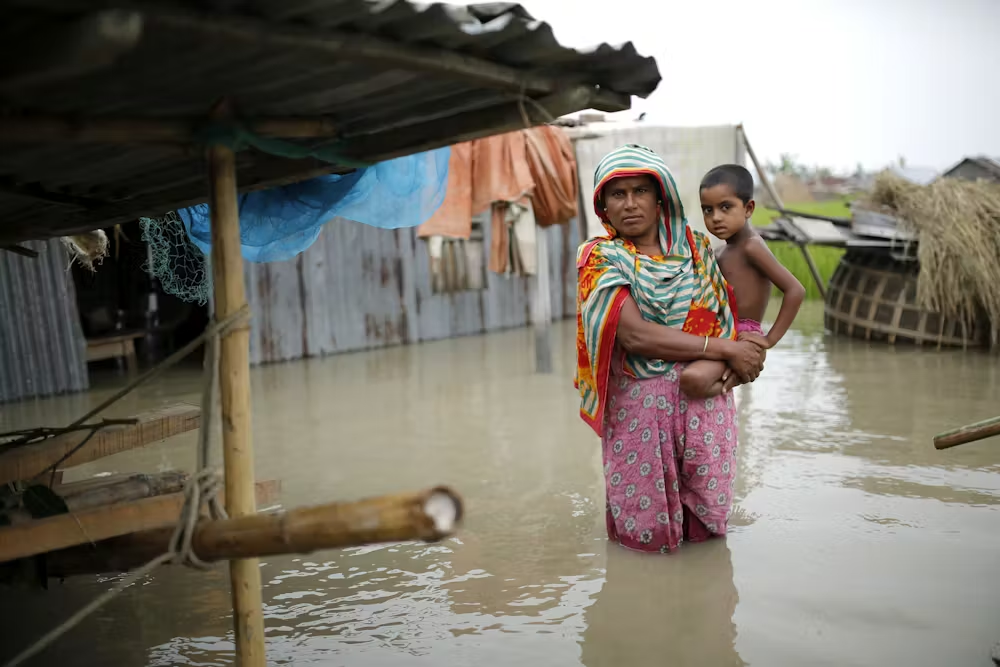
- In Pakistan, catastrophic floods in 2022 displaced 8 million people and wiped out a season’s harvest (World Bank, 2023).
- The Intergovernmental Panel on Climate Change (IPCC) confirms that rising temperatures are already reducing the nutrient content of staple crops like wheat, rice, and maize (IPCC, 2022).
- Climate disasters cost the agricultural sector over USD 100 billion every decade, destabilising smallholder livelihoods (FAO, 2023).
In a world that consistently experiences climate, conflict, and economic shocks (wild fires, wars, tariffs and pandemics are all recent examples), we cannot depersonalise responsibility for how we value and utilise life giving food.
Where there is people power, there is hope
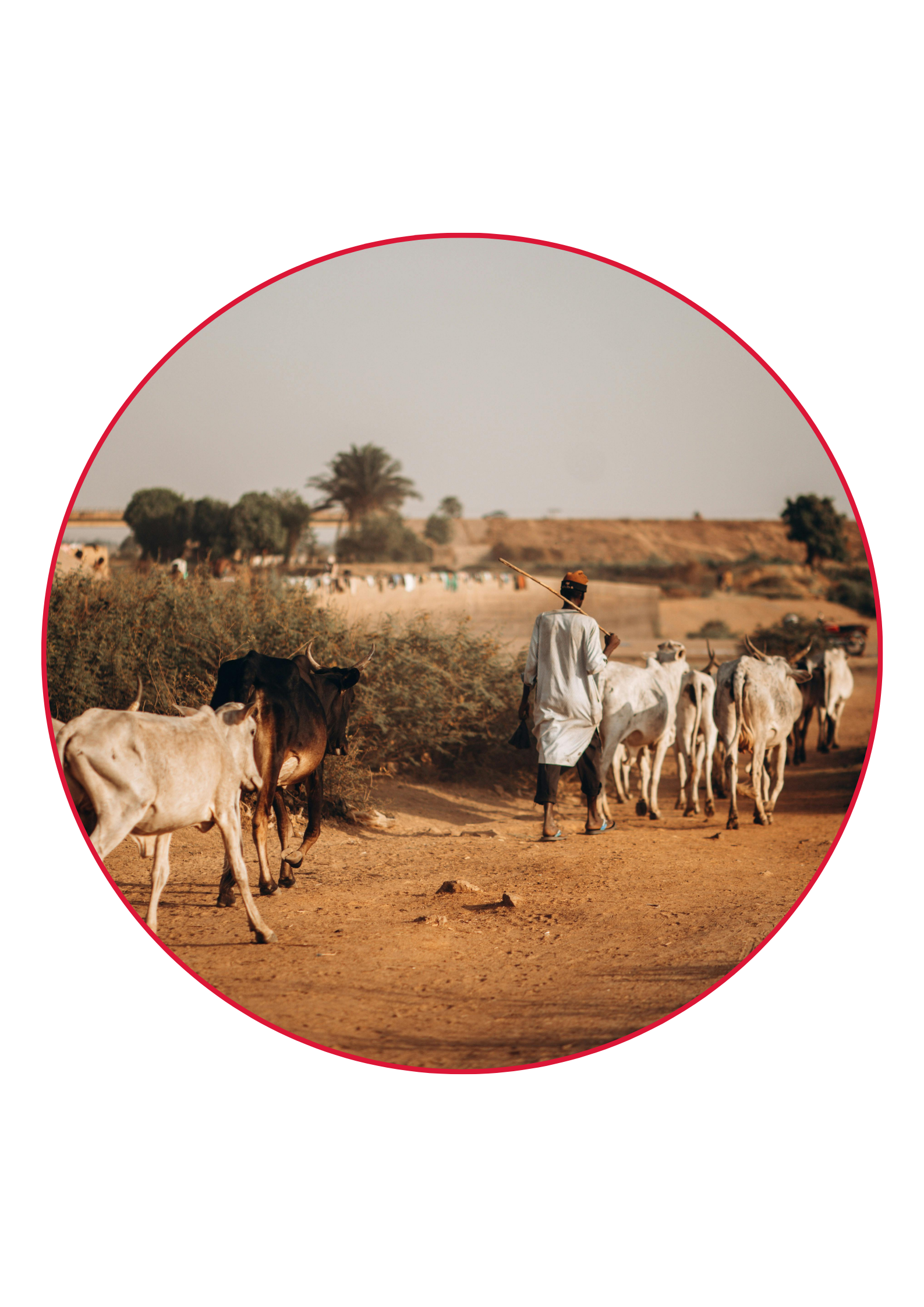
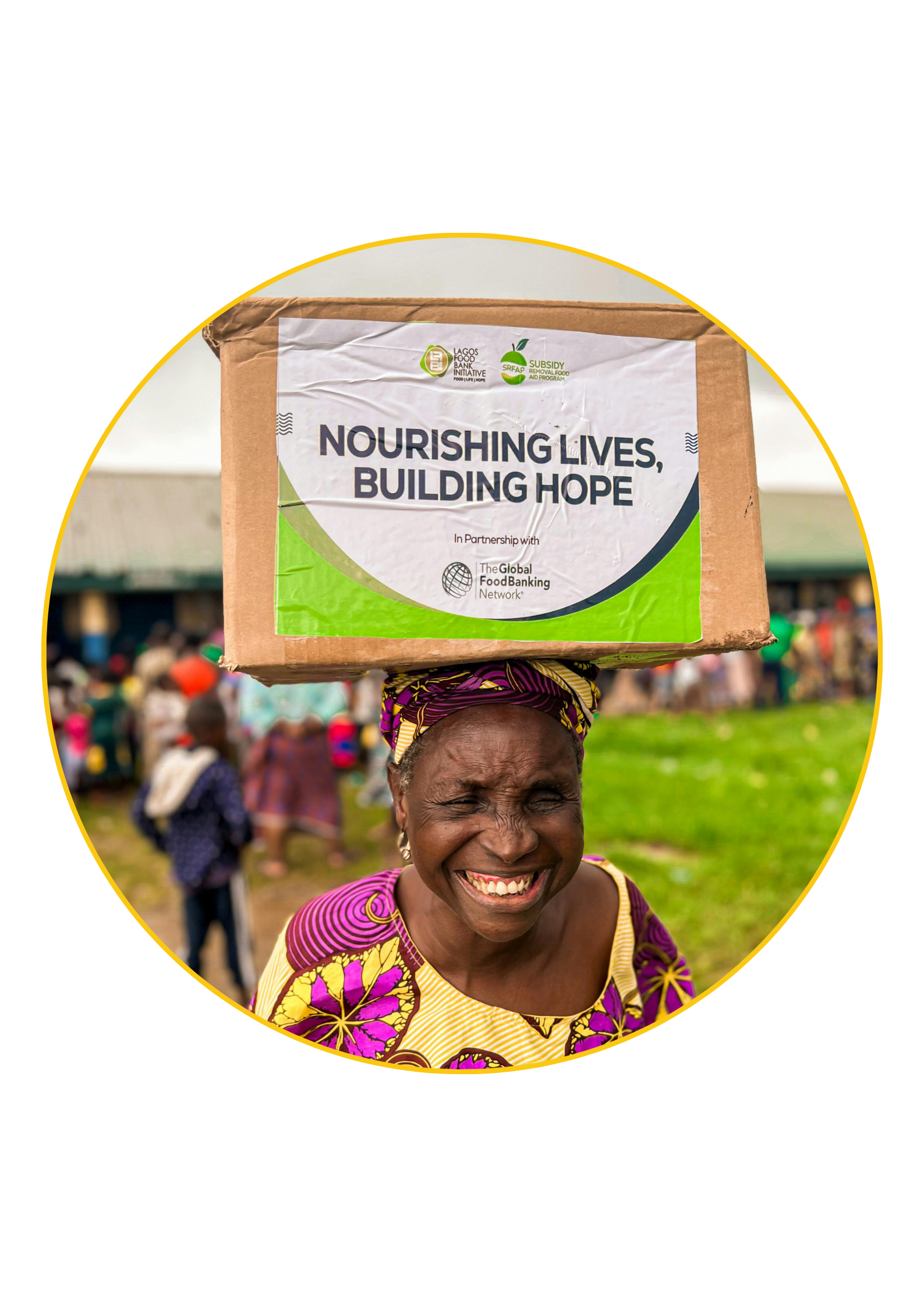
While it is difficult to plan for some shocks, we have to build resilience to support how we are able to prevent and/or respond to them. This is already happening. In the Sahel, community-led land rehabilitation efforts have restored over 5 million hectares of farmland, while also reducing conflict (UNDP, 2023). In Colombia, ex-combatants are rebuilding livelihoods through fair-trade coffee cooperatives (ILO, 2023). In the Horn of Africa, drought-tolerant crops and early warning systems have prevented famine (FAO, 2024). In South Sudan, community farming is rebuilding trust among displaced families (WFP, 2023). In Bangladesh, climate-resilient rice is helping farmers withstand rising seas (IRRI, 2024).
Amidst war, tariffs and disconnection from our food production, it can be easy to wonder ‘how impactful is my personal action, really?’ The evidence says, it’s pivotal: the power to protect good food doesn’t rest only in global negotiations or billion-dollar aid packages, it lives in our kitchens, our shopping baskets, and our collective voice too. Around 19% of food produced for human consumption is lost or wasted, which is enough to feed more than 700 million people facing hunger (FAO, 2024). Over 500 million smallholder farmers produce approximately one-third of the world’s food (IFAD, 2023), yet many earn below living wages. Each choice we make with our purchasing power or to reduce waste helps shape food systems that are more fair, more resilient, and more peaceful. What if we chose differently?
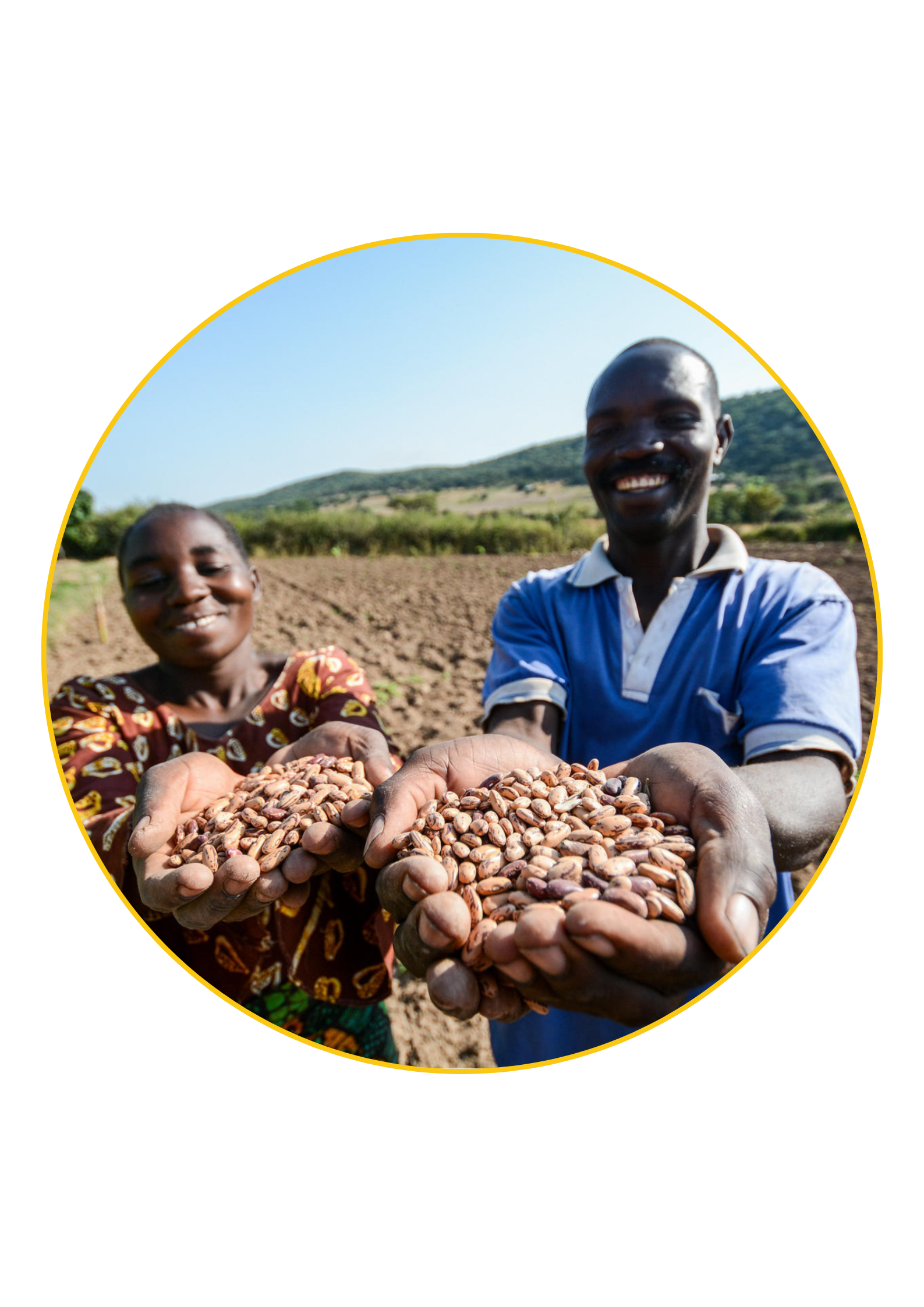
One evidence-backed pathway to resilience is via growing and eating pulses. Pulses – beans, peas and lentils – are drought-tolerant and resilient to climate challenges, simultaneously enhancing soil fertility, structure, water efficiency and reducing the need for synthetic fertilisers. They are part of the solution to our climate shocked food systems. FAO analysis also shows that pulses are nutrient-dense, providing a rich source of protein and essential nutrients that support our health. Importantly, pulse value chains also offer economic opportunities for smallholder farmers, particularly female farmers who are critical to our food supply, by improving livelihoods, income stability, and food security in rural communities. A food group that can withstand our climate, nourish our bodies, support our economies and uplift the women who are critical to global farming is a rare and powerful gift. As we approach World Pulses Day, let’s remember to eat your beans!
What Can You Do?
Stories and Tips from Chefs
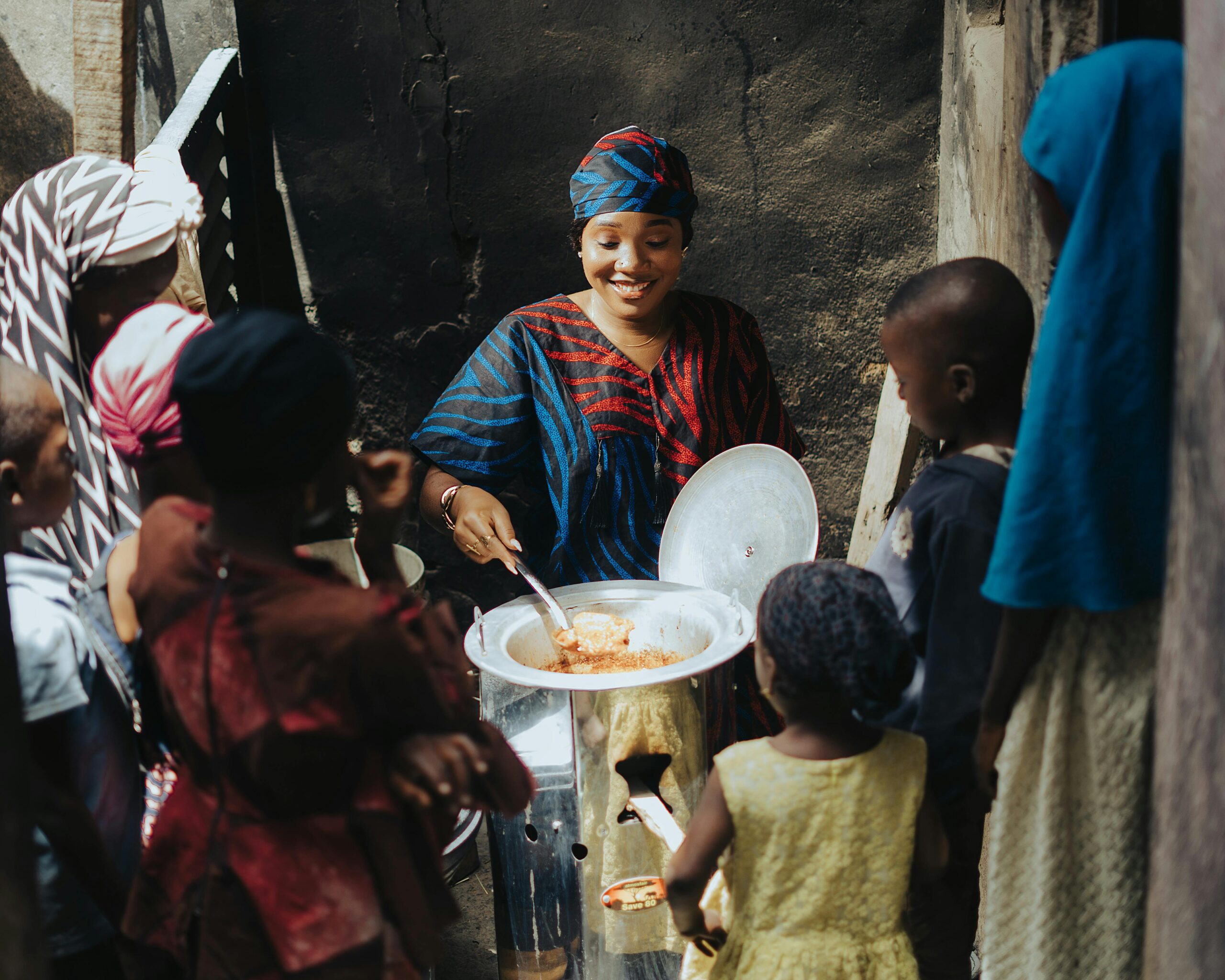
Chef Natacha Gomez-Dupuy, Chef Grace Ramirez and Chef Kenji Morimoto have their own stories of disruption, and delicious suggestions on how the power of people can address the challenge.
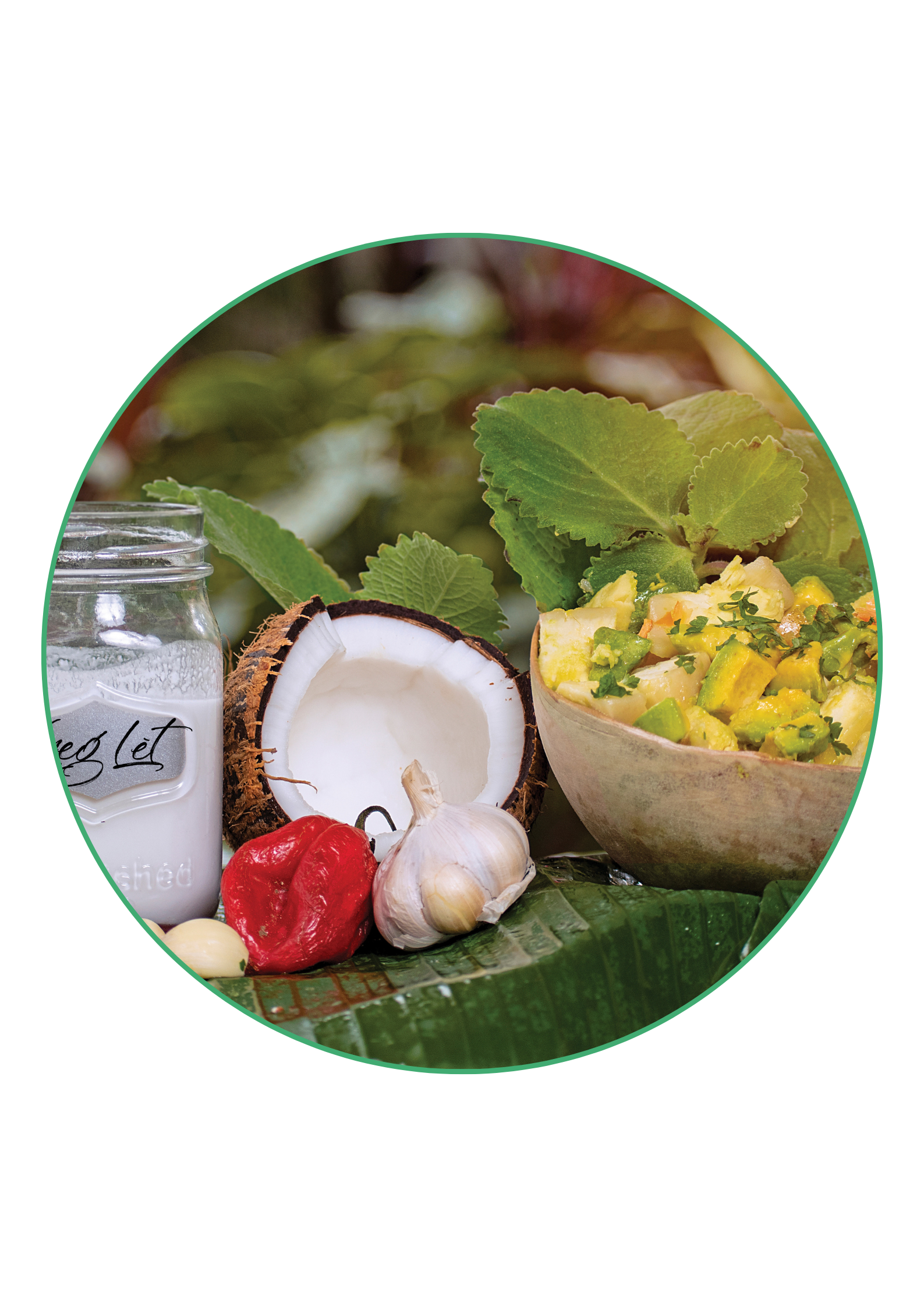
Chef Natacha Gomez-Dupuy
Natacha is a chef and sustainability leader using food to protect the planet, celebrate nature, and create positive change from farm to plate.
“As an Eativist Chef, my approach to food transcends the plate; it’s about dignity, identity, and sovereignty. I advocate for good food. Food that is nutritious, locally sourced, and empowering to the communities that grow it.
I know intimately that good food is vulnerable to disruption because I saw its potential shattered firsthand in my native Haiti. Traveling from the North to the South for research, I witnessed the incredible potential in local agriculture. I worked with farmers who could be transformative exporters, especially those cultivating the versatile breadfruit in the South. Breadfruit is a resilient crop, a lifeline. However, disasters like Hurricane Matthew and the political instability and conflict constantly sweeping the nation, clear socio-political disruption, meant we could never launch the food festival dedicated to showcasing its modern culinary potential. The volatility choked the economic power of these farmers, demonstrating that even the hardiest, most nourishing food is fragile when infrastructure and governance fail.
My practical tip for the general public is this: Prioritise pantry resilience through non-perishable local staples. Seek out and stock versatile, shelf-stable ingredients unique to your region that require minimal external inputs to prepare. This practice reduces reliance on complex, international supply chains and economically supports local producers who are fighting their own disruptions.”
Chef Grace Ramirez
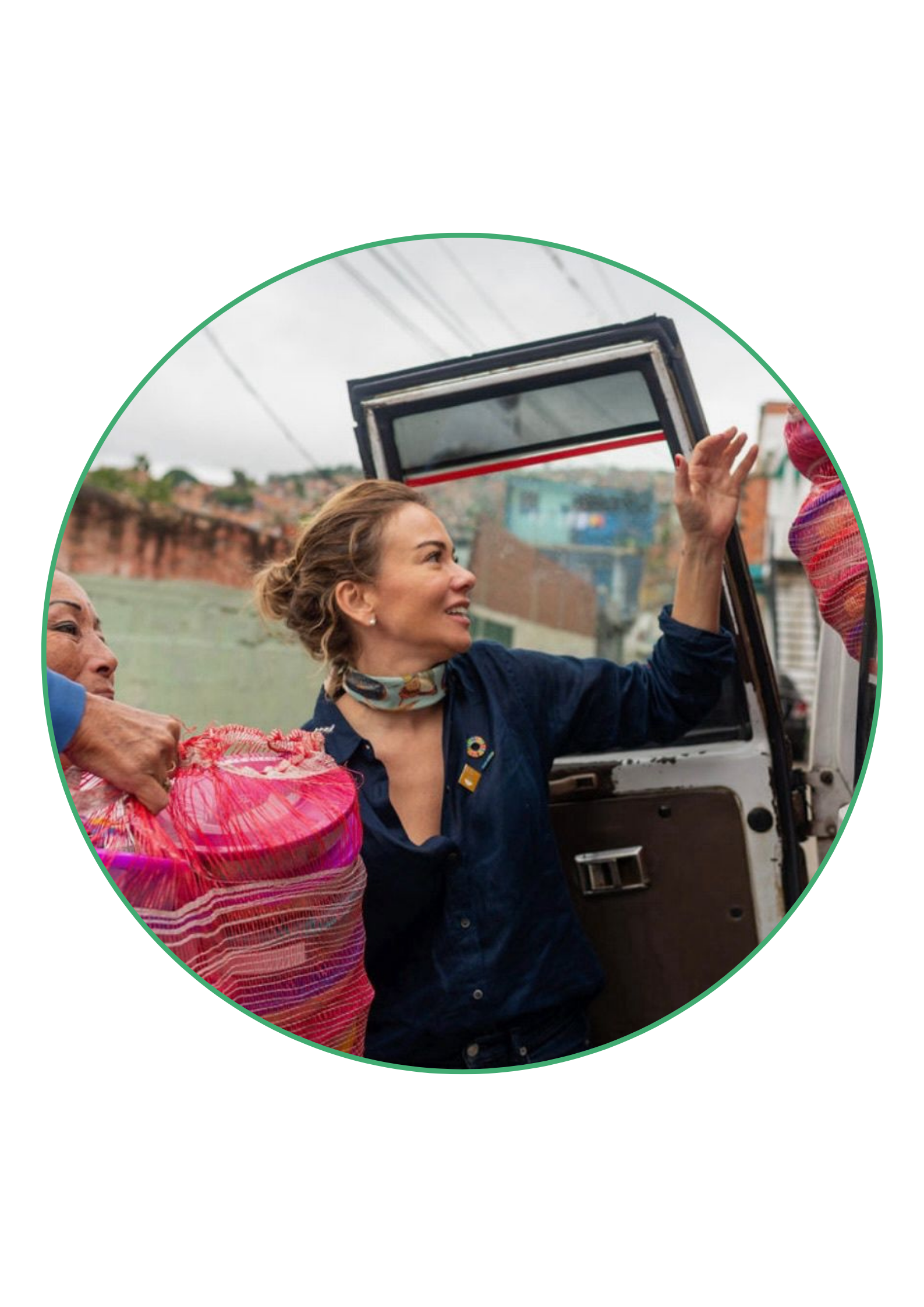
Grace is a community chef and food advocate who believes good food starts with strong relationships – using cooking to honour culture, bring people together, and build fairer food systems.
“Good food, to me, has always been about care – for people, culture, and community. During the COVID-19 pandemic in New York City, I witnessed firsthand how fragile our food systems truly are. Supply chains collapsed, workers disappeared overnight, and access to fresh, nourishing food became a privilege rather than a right. Many of our beloved restaurants – the heartbeat of our neighbourhoods – didn’t survive.
During that time, it was a privilege to work alongside World Central Kitchen, helping keep restaurants open by purchasing food from them while also feeding our communities and frontline workers. Through this work, and as part of The Humans Who Feed Us movement supported by Justice for Migrant Women, I’ve seen clearly that good food depends on people, not just systems – and when those people are vulnerable, the entire system is at risk.
One simple but meaningful action anyone can take is to be a conscious consumer. Your buying power matters. Building relationships with nearby farmers, cooks, and food makers strengthens local resilience and keeps food moving during times of disruption. Good food survives when communities invest in each other before a crisis hits.”
Chef Kenji Morimoto
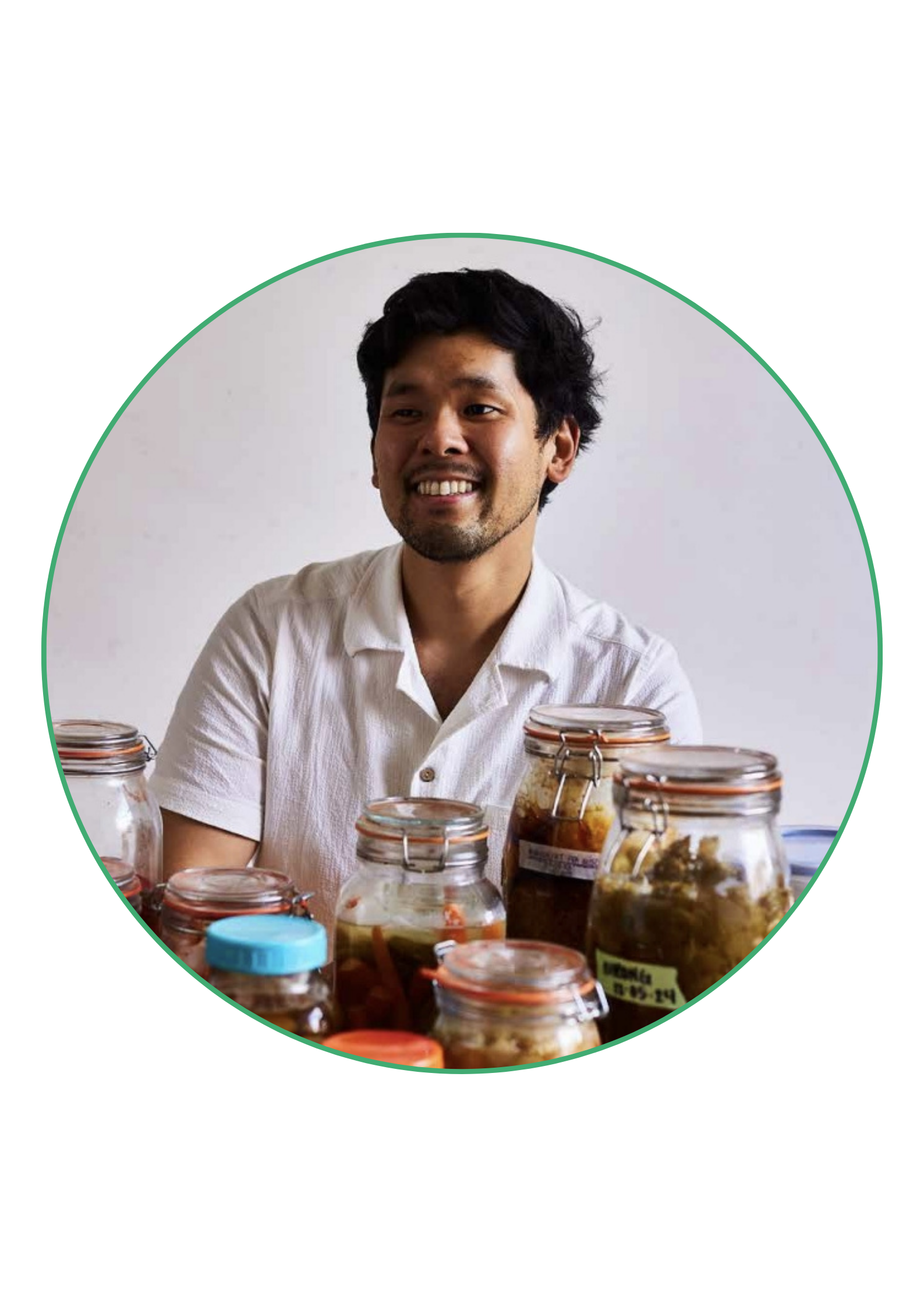
Kenji is a chef, food preserver and author of cookbook FERMET, who keeps ancestral traditions alive, sharing the simple skills that helped families survive and still help communities care for one another today.
“Whether through pickling or fermentation, preservation has always been a defining presence in my life. As a fourth-generation Japanese American raised in Chicago, my weekends were spent at farmers’ markets with my parents, where I developed a deep appreciation for locality. These early experiences shaped my career: from my work in professional kitchens to my debut cookbook, FERMENT, where I translate ancestral processes for the modern home cook.
Fermentation stands in quiet defiance of modern food systems. It teaches us to transform surplus into nourishment, effectively reducing both waste and cost. I believe that home-based preservation is essential to our collective history; it is a skill that ensured the survival of our ancestors, no matter their origin. By returning to these basics—often requiring nothing more than salt, vegetables, and a jar—we reclaim a sense of agency. We aren’t just making food; we are participating in a legacy of innovation and survival.”
In summary, you could consider:
👩🏽🌾 Use your buying power. Choose local farmers, cooks, and food makers where you can. Building these relationships strengthens local food systems and helps communities stay resilient in times of disruption.
🥒 Try one food-preservation skill. Try pickling, fermenting, jamming, curing, or freezing. These time-honoured practices connect us to our food history and help reduce waste while extending what we have.
🫐 Consider supporting food relief organisations with your time or finances.
The changes you make to strengthen the small food system in your home matter. They shape how we see food, how we value it, and how we enjoy it. And over time – quietly but steadily – they shape our wider systems too. Climate, cost and conflict are powerful forces. But so are we. This isn’t about perfection, but possibility.
Your actions make a big difference!
Related Content

$4B for Nutrition Now: The World Bank’s Moment to Lead at the 2025 Nutrition for Growth Summit
$4B for Nutrition Now: The World Bank’s Moment to Lead at the 2025 Nutrition for […]