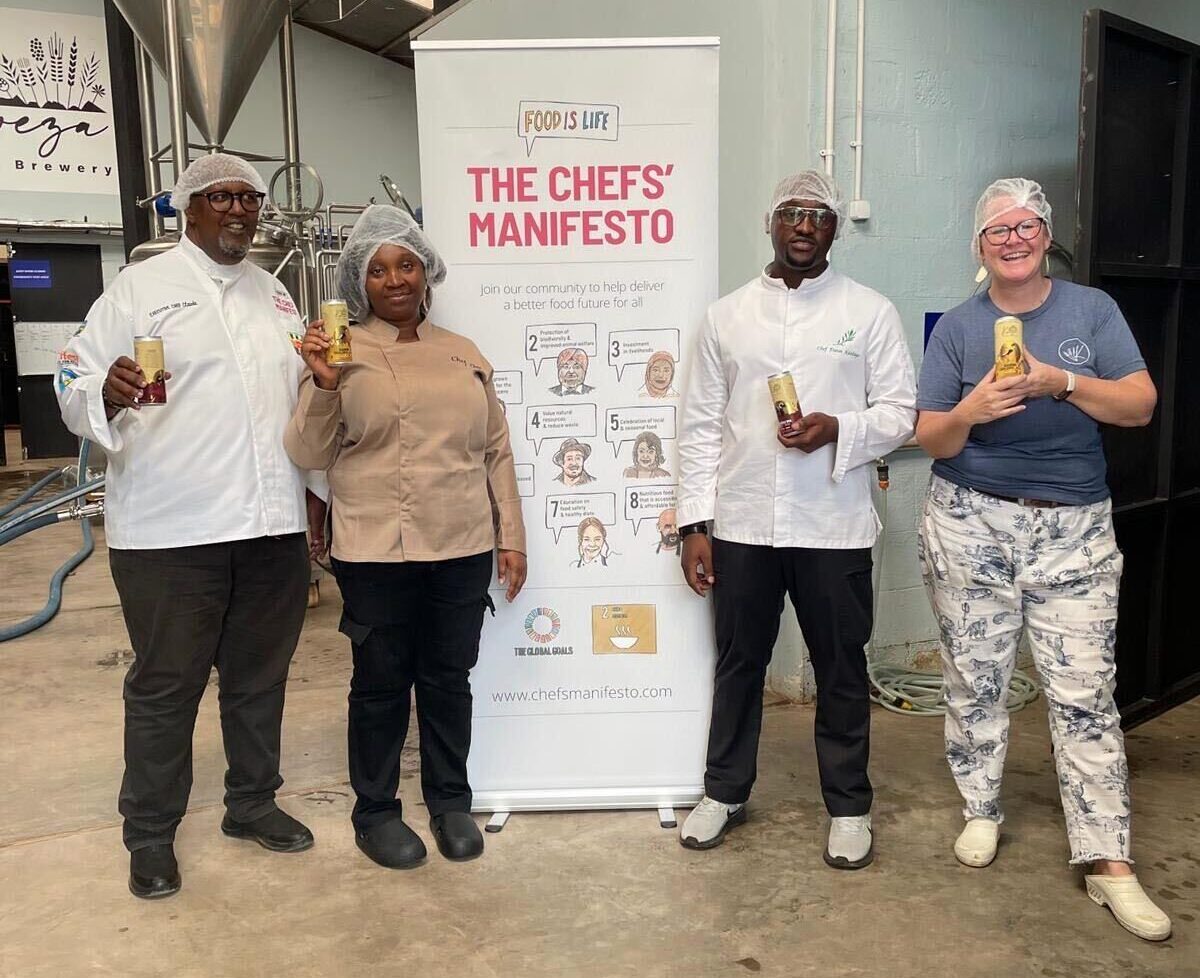
I first heard about Kweza Craft Brewery through casual conversations with some acquaintances in the local food and beverage industry.
What immediately stood out to me about Kweza Craft Brewery was the ingredient sorghum and their holistic approach to brewing that serves multiple important functions within the community.
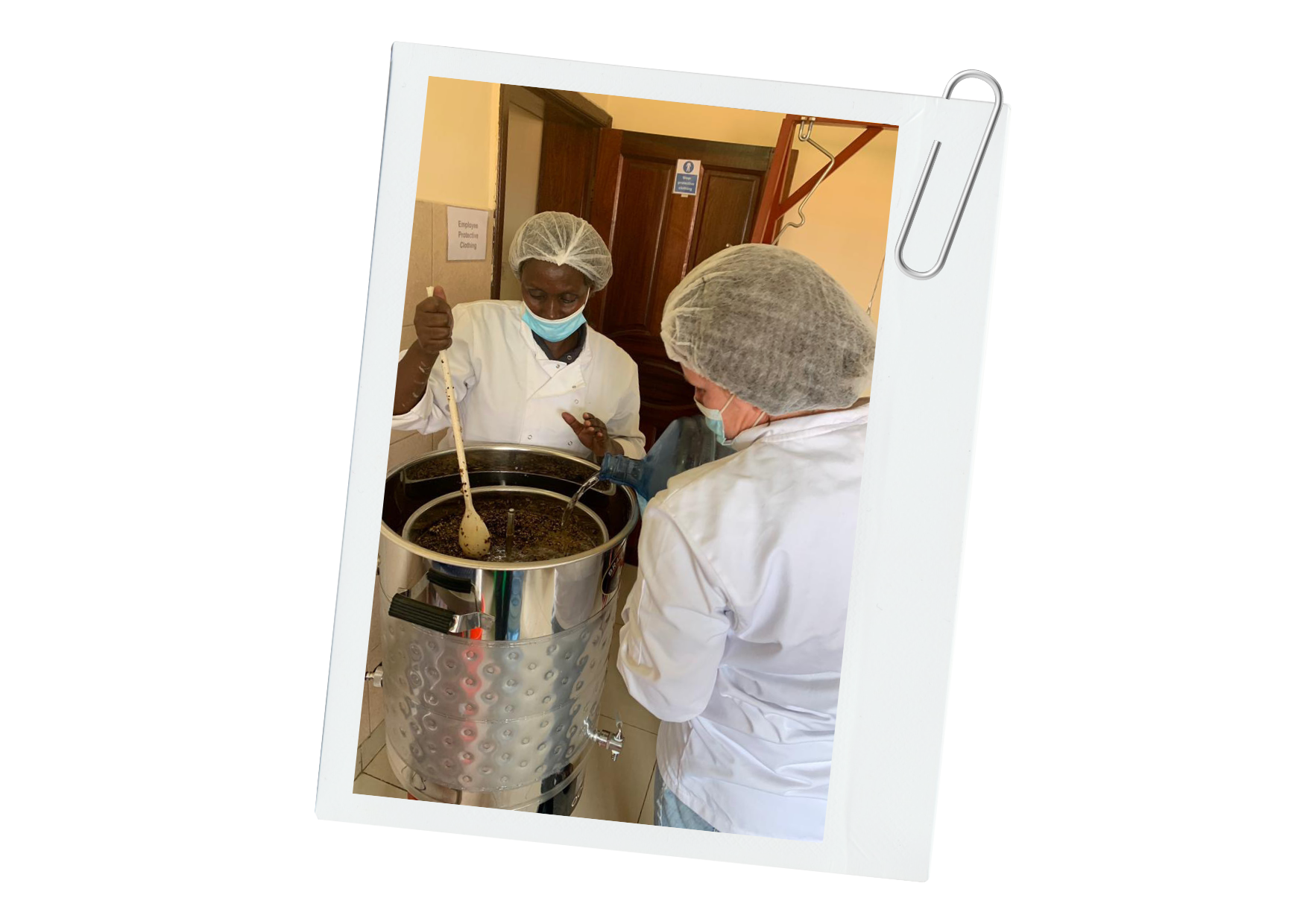
I was equally drawn to their commitment to creating economic opportunities by sourcing ingredients directly from local farmers and employing women community members throughout their production process. This direct investment in the regional economy creates a sustainable cycle that benefits everyone involved.
Perhaps most compelling from a culinary perspective is how Kweza brilliantly highlights the versatility of traditional grains. They transform local cereals like sorghum into sophisticated brewing ingredients that yield complex, distinctive flavour profiles you simply can’t find elsewhere. This innovative use of indigenous ingredients demonstrates both respect for heritage and forward-thinking craftsmanship that aligns perfectly with my own culinary philosophy.
Engaging with indigenous ingredients like sorghum is essential for chefs today for multiple compelling reasons. As a chef, I believe working with traditional ingredients like sorghum creates a vital bridge between cultural heritage and culinary innovation.
Indigenous ingredients like sorghum represent centuries of agricultural wisdom and adaptation. When chefs incorporate these ingredients into our repertoires, we’re not just accessing unique flavours – we’re participating in preserving biodiversity and food sovereignty. Sorghum specifically demonstrates remarkable resilience in challenging growing conditions, requiring less water than many commercial crops while offering exceptional nutritional density through its protein content, B vitamins, and minerals.
Beyond the environmental and nutritional benefits, engaging with indigenous ingredients connects our cooking to place and history. It allows us to tell more authentic food stories and create dishes with genuine cultural context rather than superficial fusion. Working with sorghum has taught me new techniques and flavour combinations I wouldn’t have discovered otherwise, expanding my culinary language and creative possibilities.
I also believe when chefs meaningfully engage with indigenous ingredients like sorghum, we help ensure these vital elements of cultural heritage remain relevant and valued for generations to come.


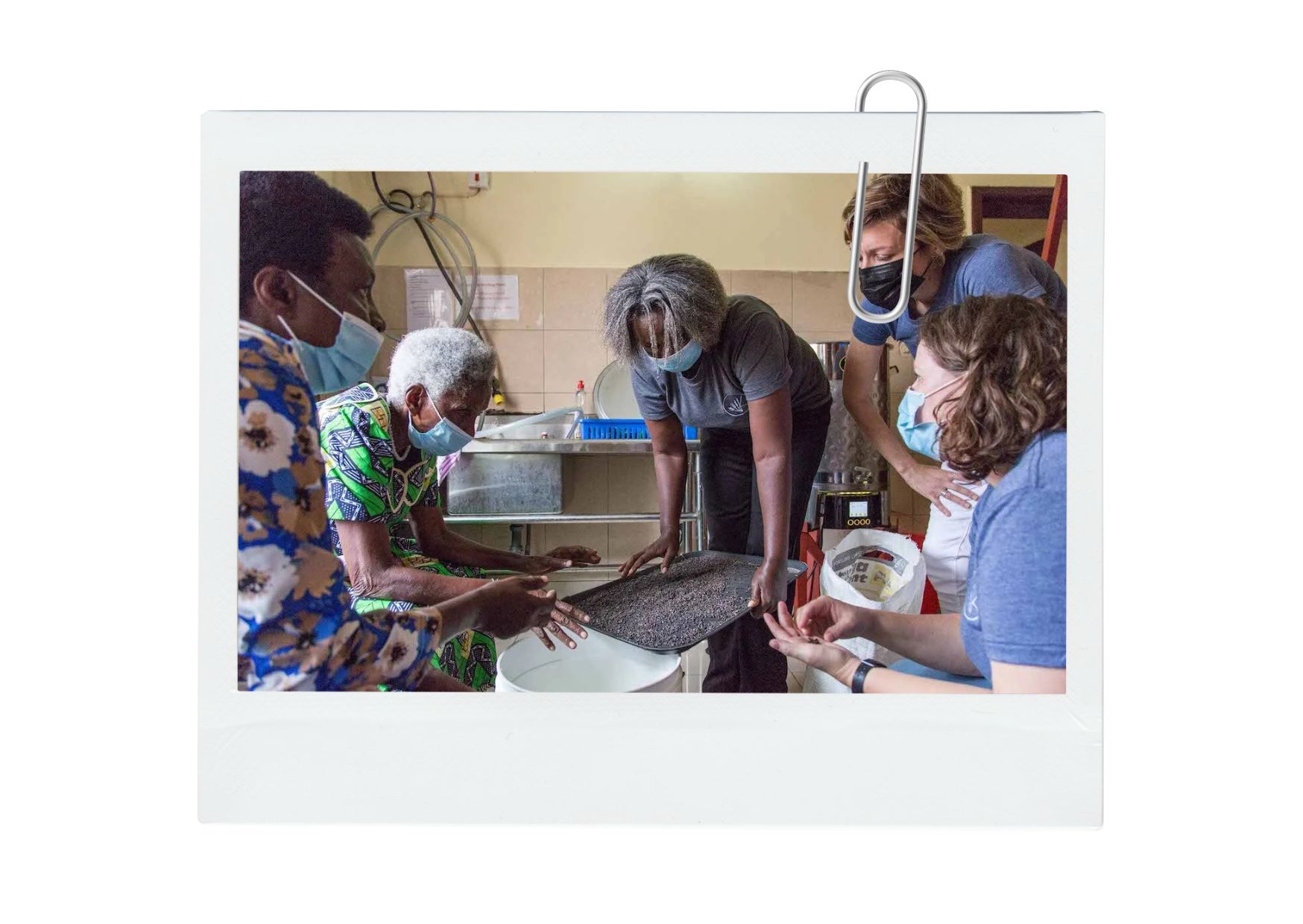
Rwanda has a rich culinary tradition that offers several inspiring frameworks for incorporating Sorghum Distillery Residue (SDR) into maternal nutrition applications. Traditional Rwandan food culture already places significant emphasis on nutrient-dense, fermented grain preparations that support maternal health.
One compelling example is “igikoma,” a traditional porridge often prepared for pregnant and nursing mothers. This nourishing dish typically combines sorghum with other grains like maize and millet. The existing cultural acceptance of igikoma creates a natural pathway for introducing SDR-enhanced versions that could deliver additional protein, fiber, and micronutrients critical during pregnancy and lactation.
Another relevant tradition is “isombe,” a nutrient-dense dish of cassava leaves traditionally consumed by pregnant women. While not sorghum-based, the practice of specifically preparing foods to support maternal health demonstrates cultural precedent that could inform SDR applications. The preparation techniques used for isombe—slow cooking to enhance digestibility and nutrient availability—could be adapted for SDR-based recipes.
Rwanda’s “umutsima” (a steamed sorghum and cassava bread) offers another traditional framework. Communities already understand its nutritional value, making it easier to introduce enhanced versions incorporating SDR.
What’s particularly valuable about these traditional recipes is they’re already culturally appropriate, accessible, and understood within communities. Rather than imposing entirely new food concepts, we can work with women and community elders to adapt these beloved preparations in ways that maintain cultural relevance while optimising nutritional benefit from SDR.
I believe this approach—building upon existing food traditions rather than replacing them—respects cultural knowledge while creating sustainable pathways for improving maternal nutrition through SDR utilisation.
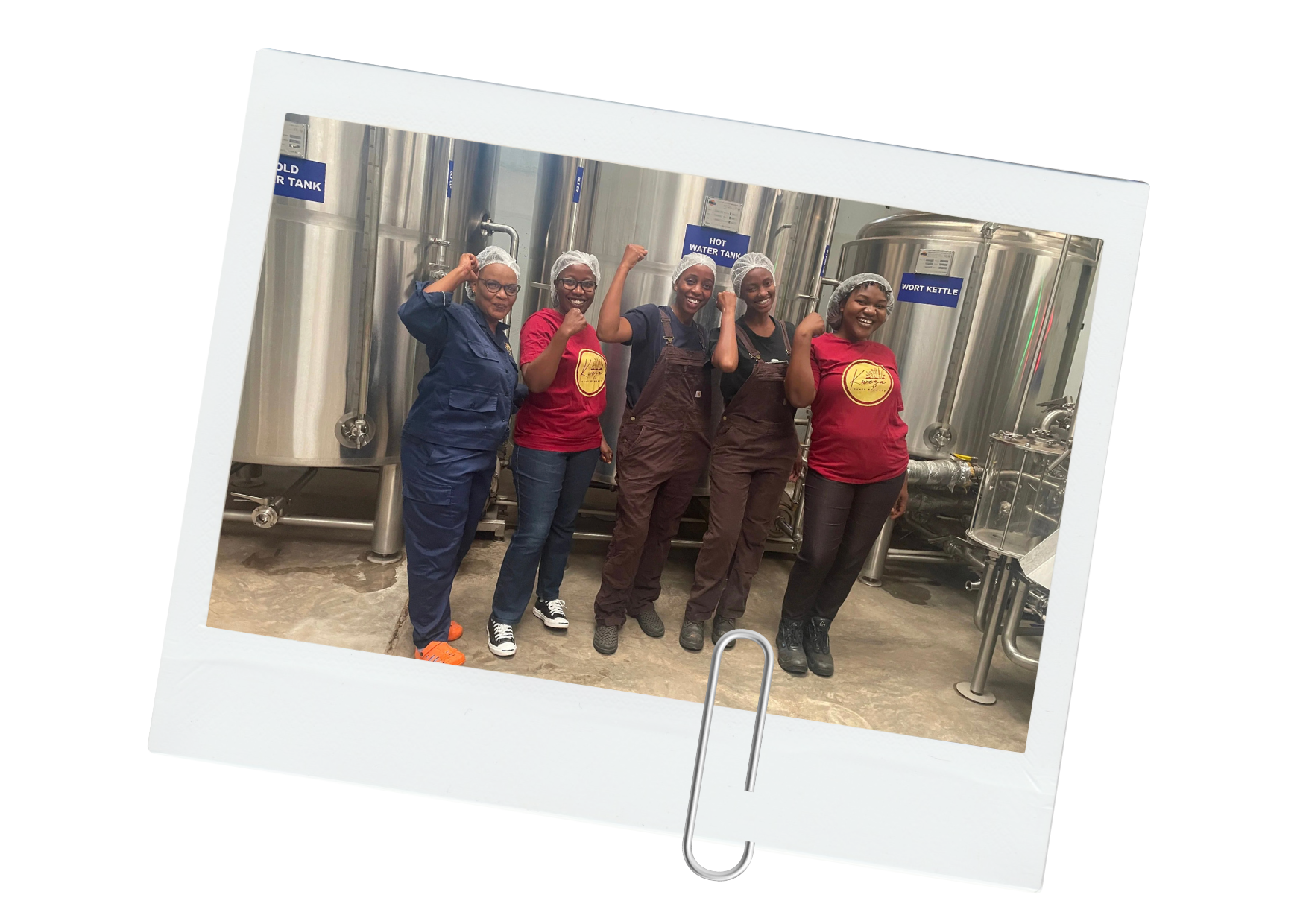
Already Kweza Craft Brewery appears to be implementing several sustainability initiatives: like “Local sourcing of sorghum”, so by utilising locally-grown sorghum rather than imported Kweza likely reduces carbon emissions from transportation while creating a market for local farmers.
👉The brewery implements Spent grain reuse as animal feed
👉Water conservation and recycling systems
👉 Possibility in the near future biogas generation from brewing waste
👉 Creating reliable demand for sorghum encourages local cultivation therefore
👉Providing income stability for farmers through contract farming
👉Building local supply chains strengthens Rwanda’s food system resilience
👉Creating jobs throughout the value chain ,reducing dependency on imports
👉Highlighting indigenous ingredients
Based on my experience, the advice I would give to other chefs or culinary professionals looking to engage with local food systems and traditional knowledge is to educate themselves by ‘Developing deep local partnerships’. Building relationships with farmers, cooperatives, and food producers. In addition, educate customers about the importance of local ingredients, traditional methods, and the people behind the food system.
Understanding their challenges and capabilities is essential for creating sustainable supply chains!
I would also advise chefs to ‘Embrace indigenous ingredients’ more importantly Looking beyond conventional ingredients to discover local alternatives that may be more environmentally adapted, and nutritionally valuable, and culturally significant.
Another aspect would be studying local preservation, fermentation techniques, and the cooking methods that have evolved over generations to maximise resources and minimise waste.
Aim to create circular systems! Design your culinary operations to minimise waste by finding uses for byproducts (like Kweza likely does with spent grain).
Telling the story by respecting traditional knowledge while applying modern techniques when they can enhance sustainability or efficiency.
Last and not least we have to admit that in some ways we are in uncharted territory. I would tells chefs to document and share knowledge. Contribute to preserving food traditions by recording recipes, techniques, and ingredient information.

Let us connect on my Instagram page! @chef_bigayim