The Africa Food System Forum’s Culinary Village brought the future of Africa’s food systems to life.
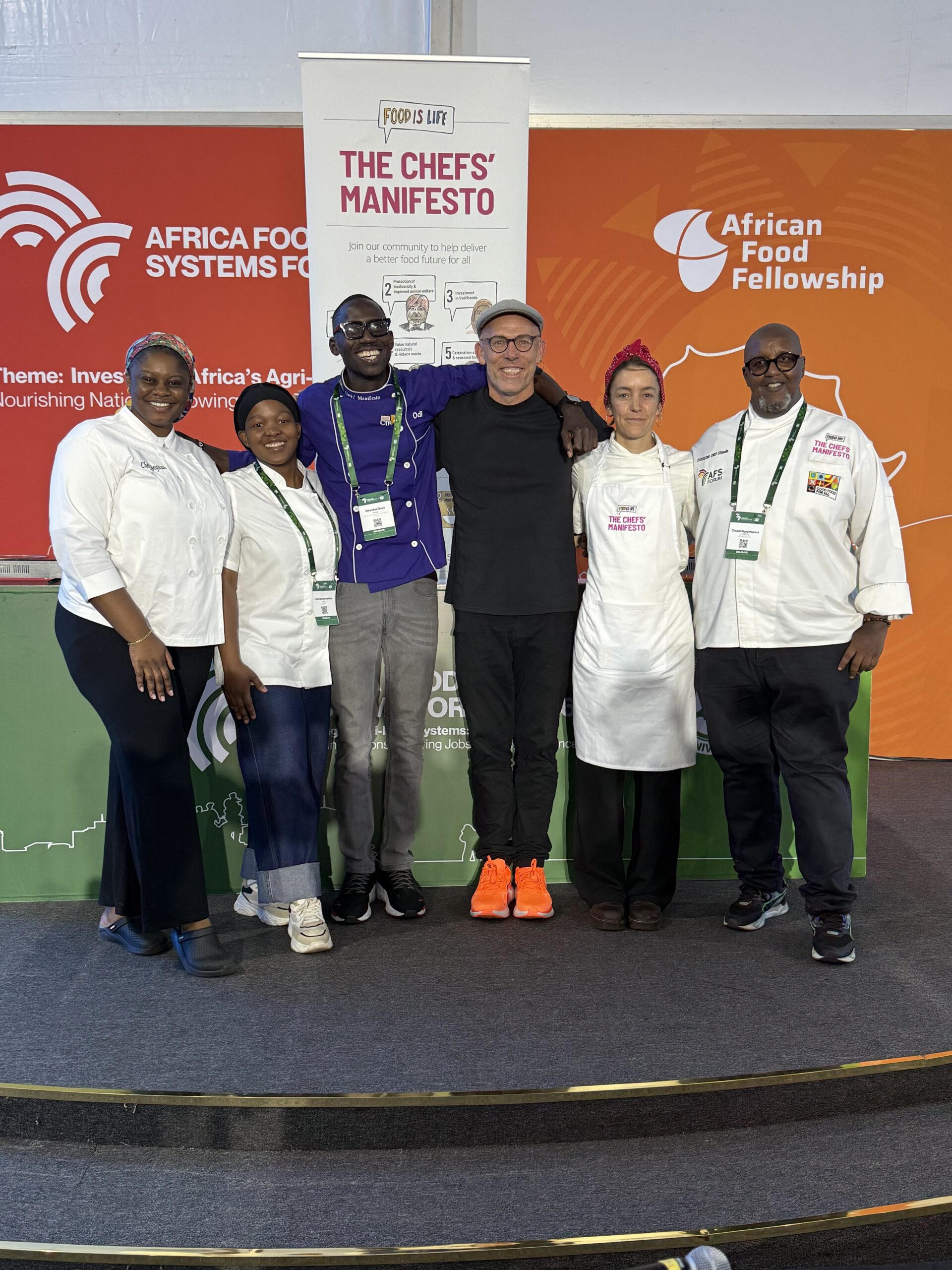
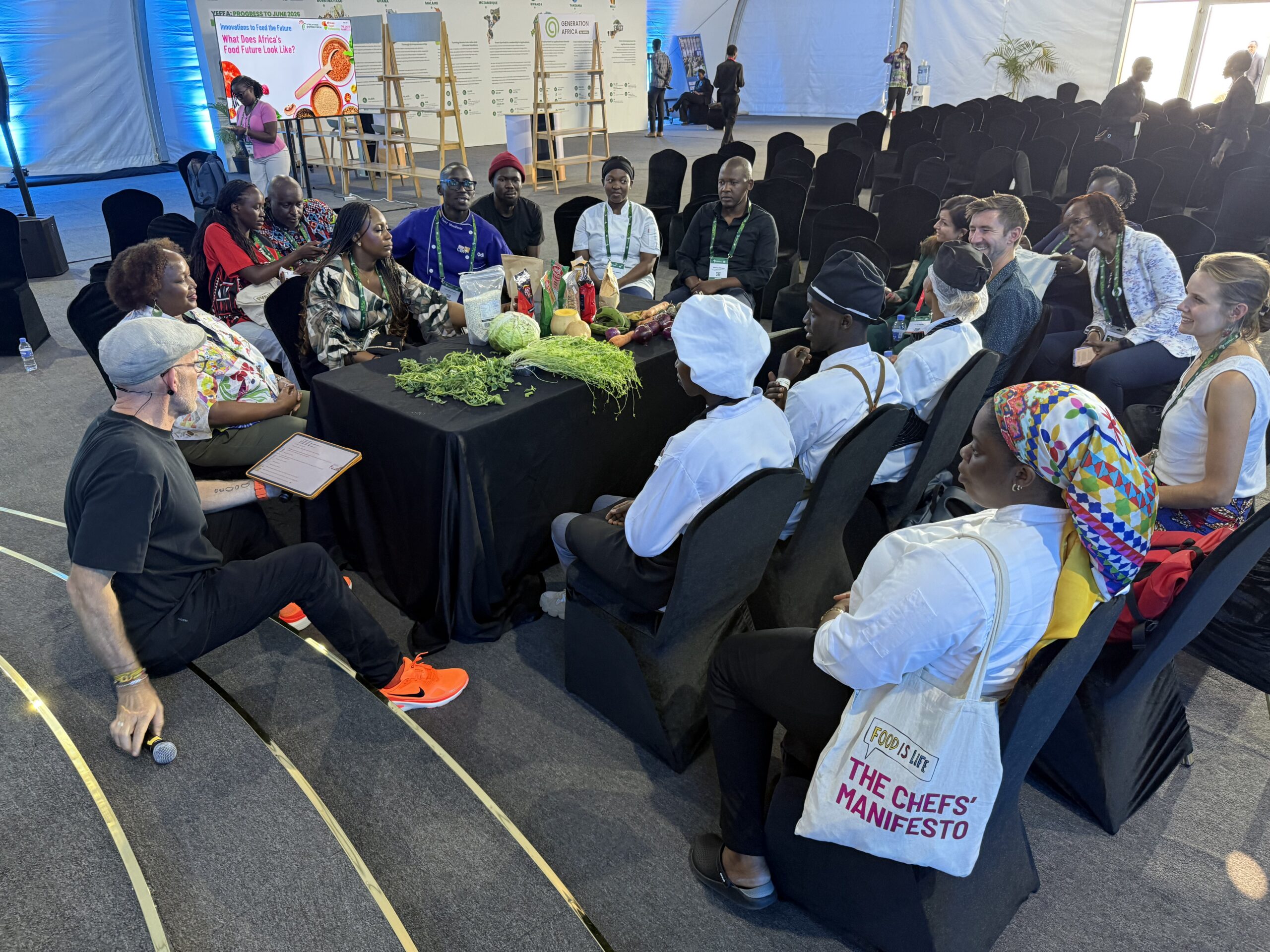
For three days, seven chef champions from across Africa, alongside guest chefs, scientists, farmers, young people and food-system leaders, explored what it will take to nourish the continent now and into the future, turning questions about food systems into something people could see, smell and taste.
Here are some of the chef champions’ key takeaways:
-
Indigenous, nutritious and resilient foods deserve greater demand, stronger markets and a bigger place on our plates, and the chefs reiterated that they are key champions who can help make this possible. Chefs influence what people choose to eat and can make nutritious food appealing, affordable and culturally familiar, and thus more desirable.
-
Some people are unable to access all of the micronutrients needed for a healthy diet. Fortification can improve the nutritional value of everyday foods without stripping them of their cultural identity. We must also help get these foods into schools, public food programmes, restaurants and our homes.
-
Young chefs can play a role in transforming food systems. Digital spaces present a great opportunity for young chefs to connect, share their stories, and amplify how traditional foods can be made simple yet sophisticated, particularly in Africa, where the majority of the population is young.
-
Chefs have the power to shape food systems. Chefs are important links between farmers, ingredients and consumers. Sourcing ingredients locally and seasonally can reconnect people with the food grown around them and build more climate-resilient food systems. Together, we can create better markets for farmers, support local food businesses and help consumers discover new ways to cook familiar ingredients.
-
The future of food is not some distant destination. It is being shaped by the choices we make today. These choices influence the crops that are grown, the farmers that are supported and is available, affordable and ultimately what is served on our plates.


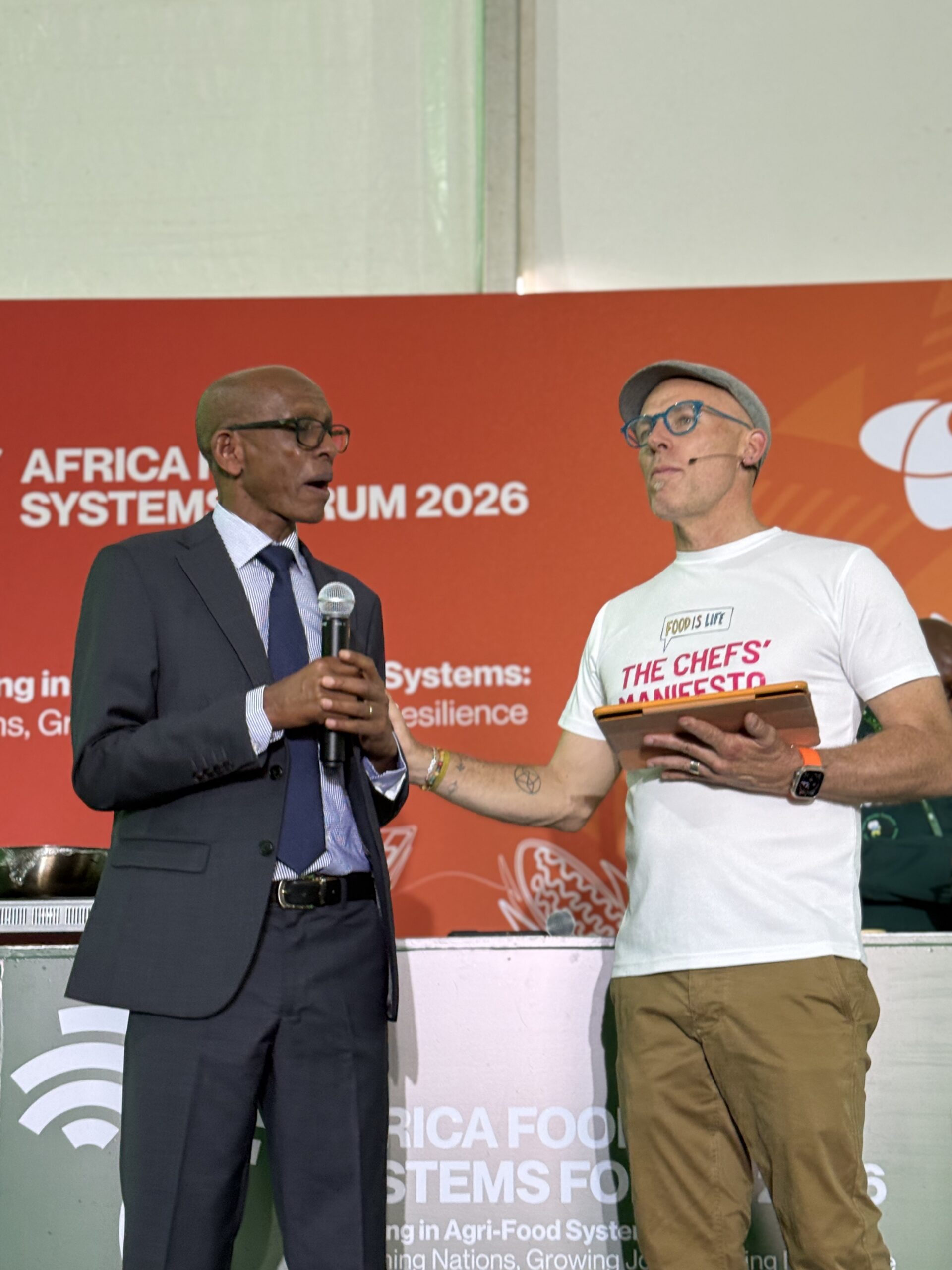
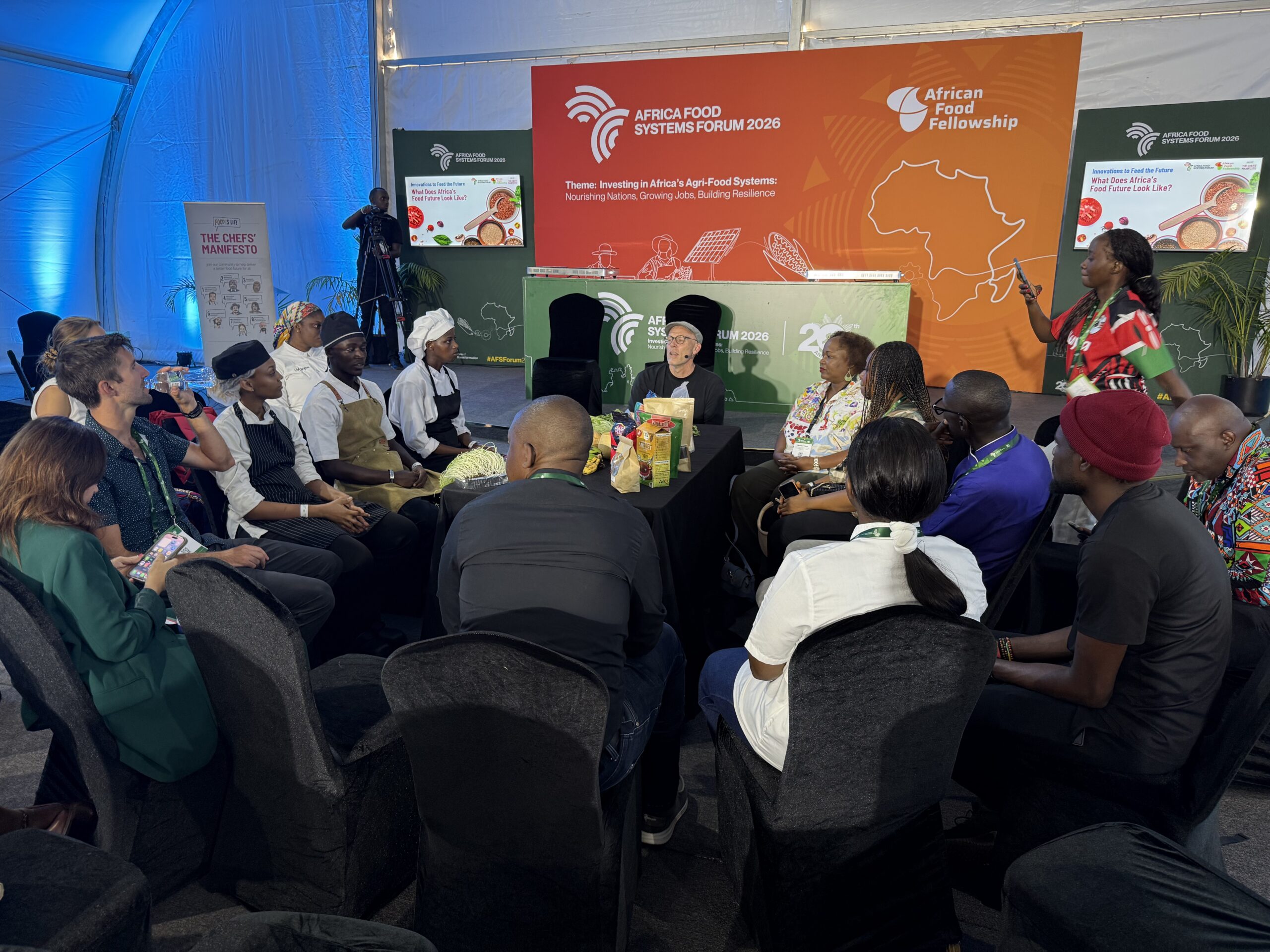
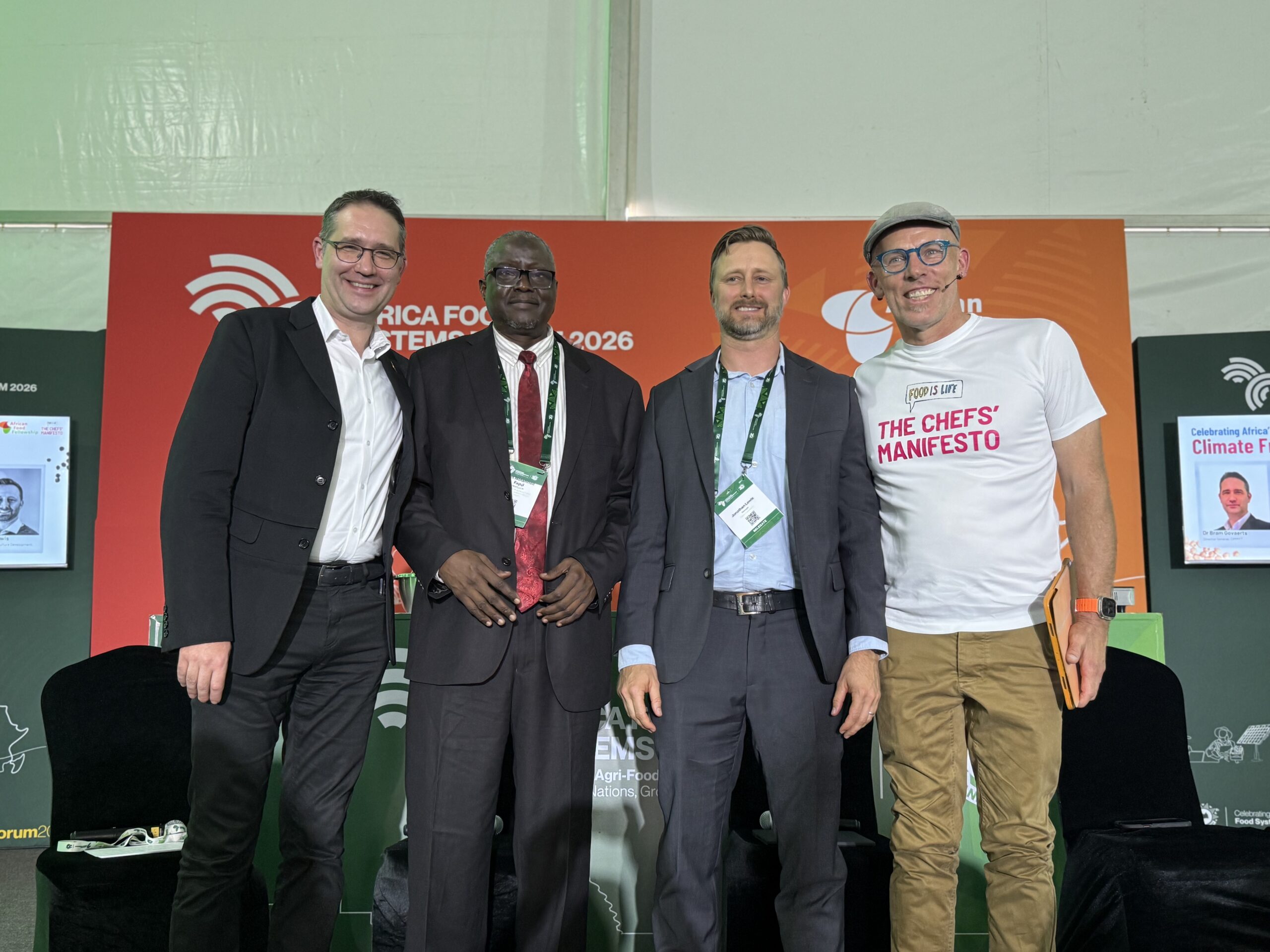
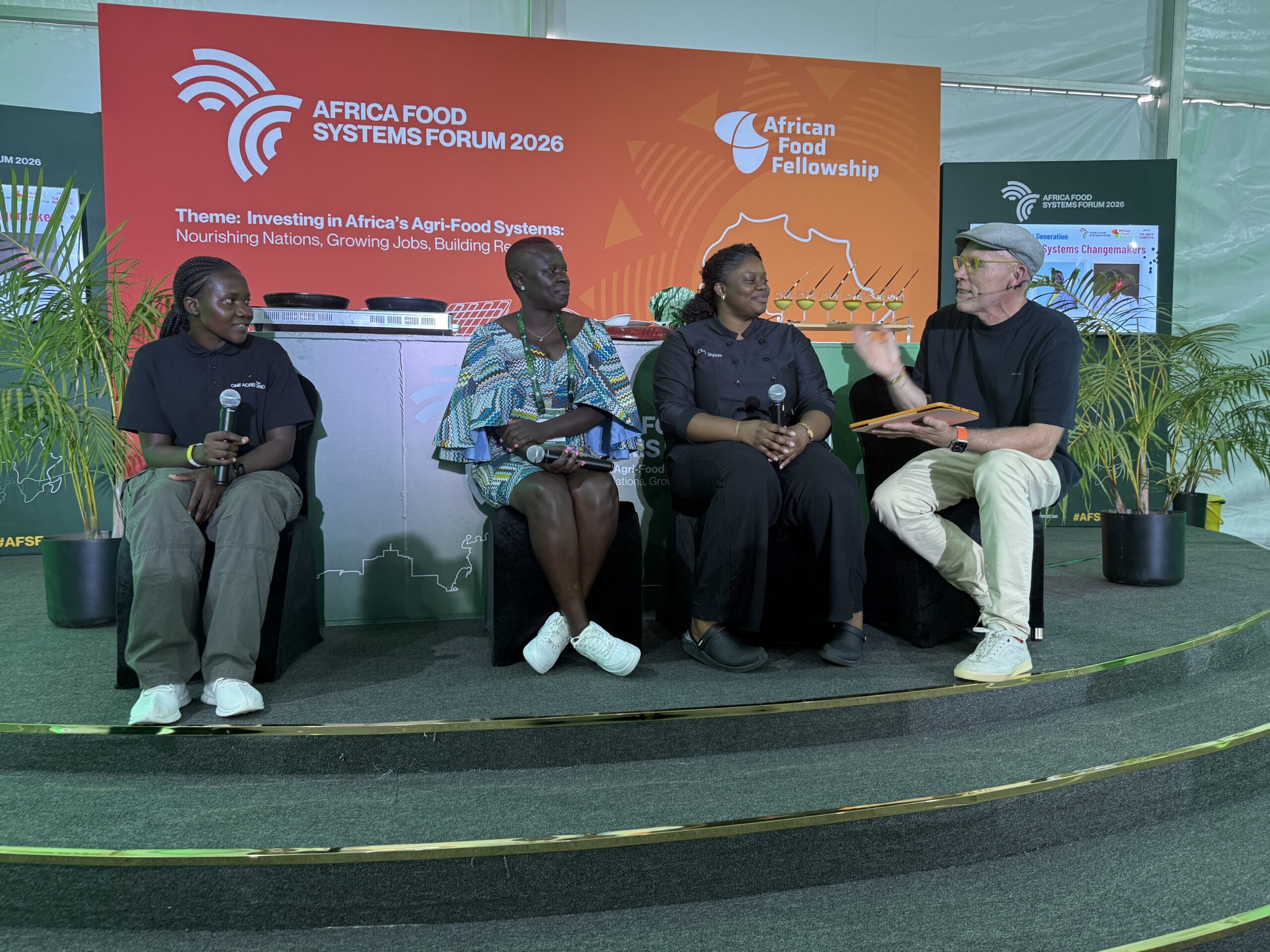
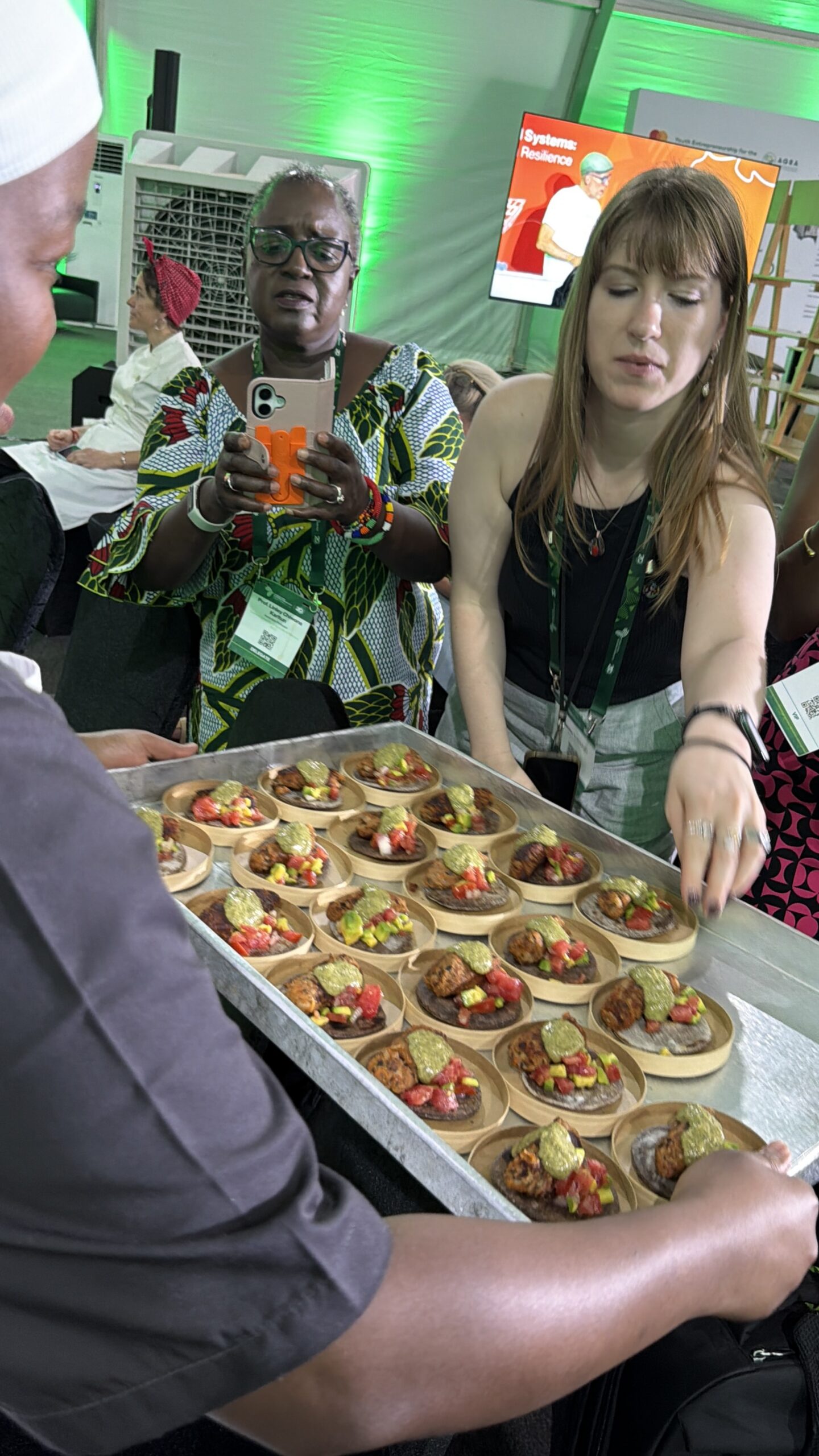

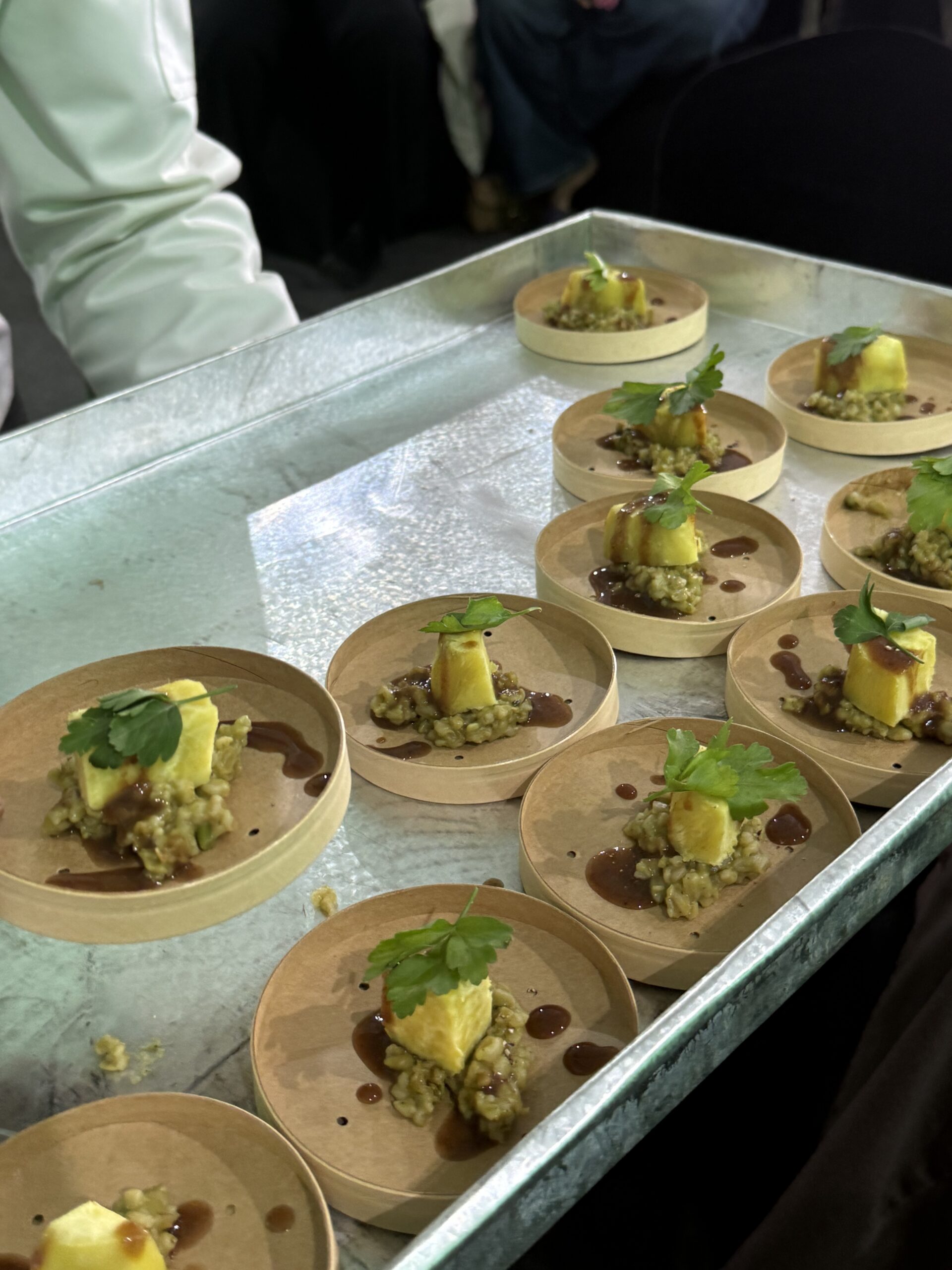
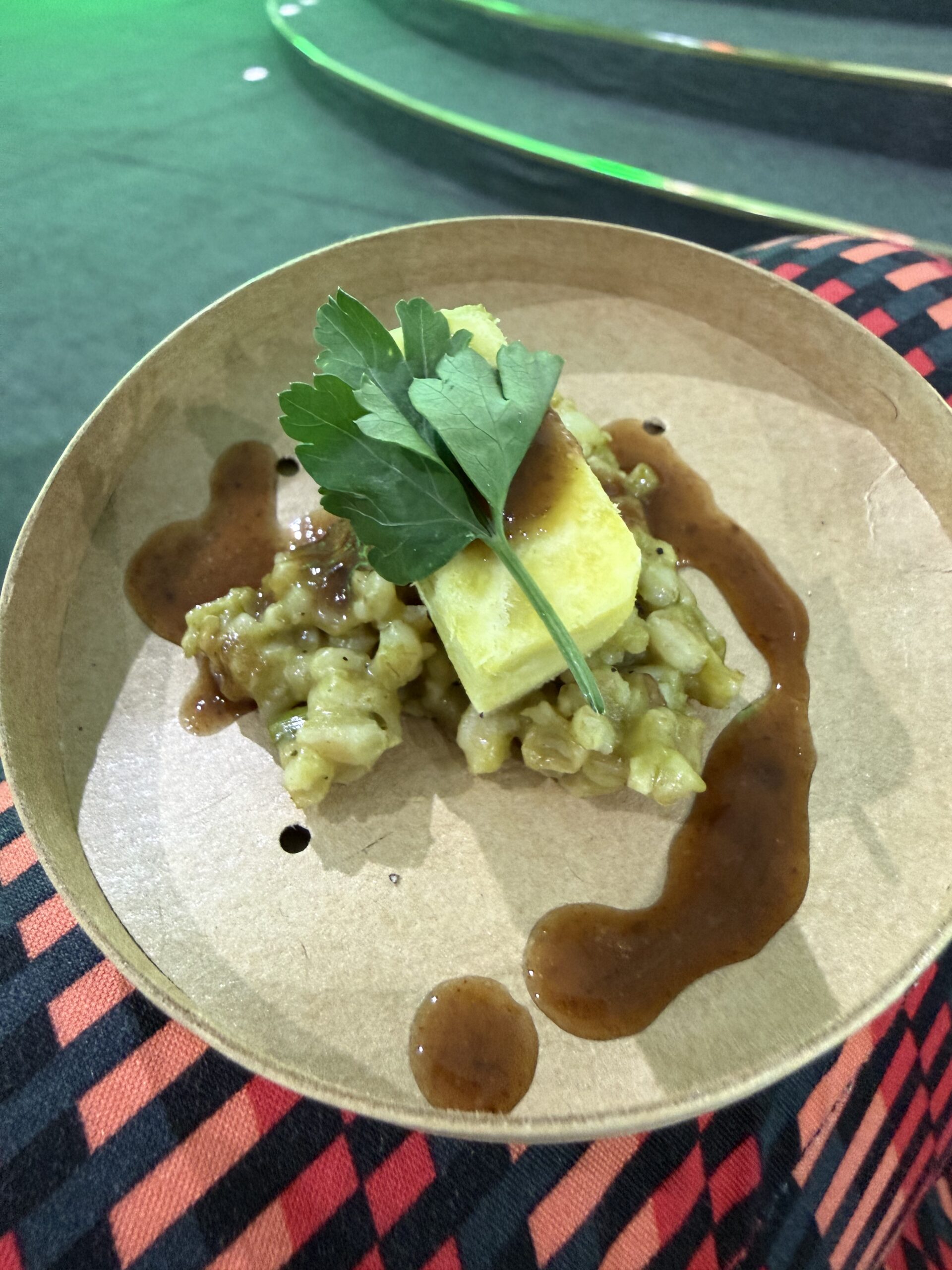
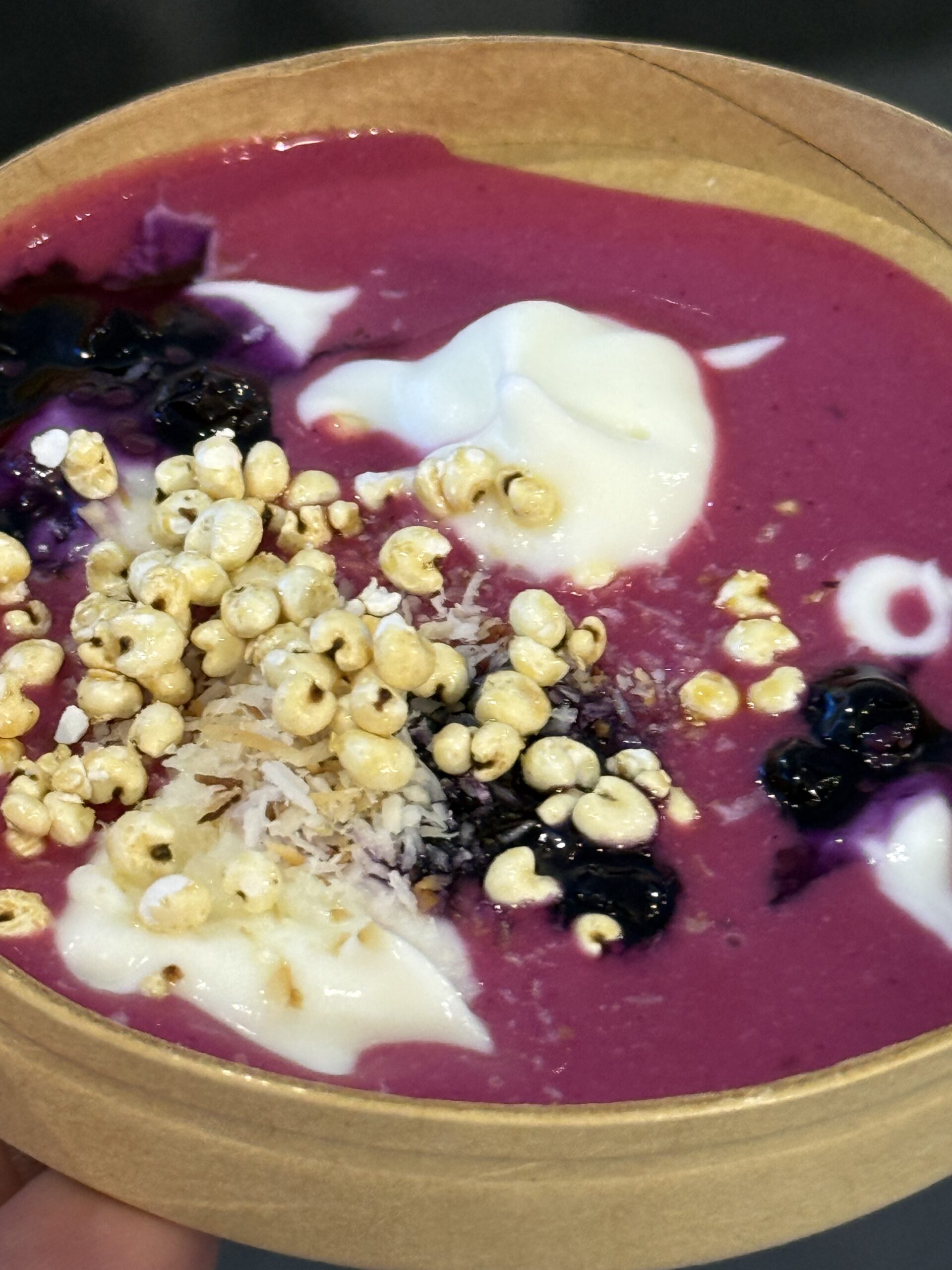
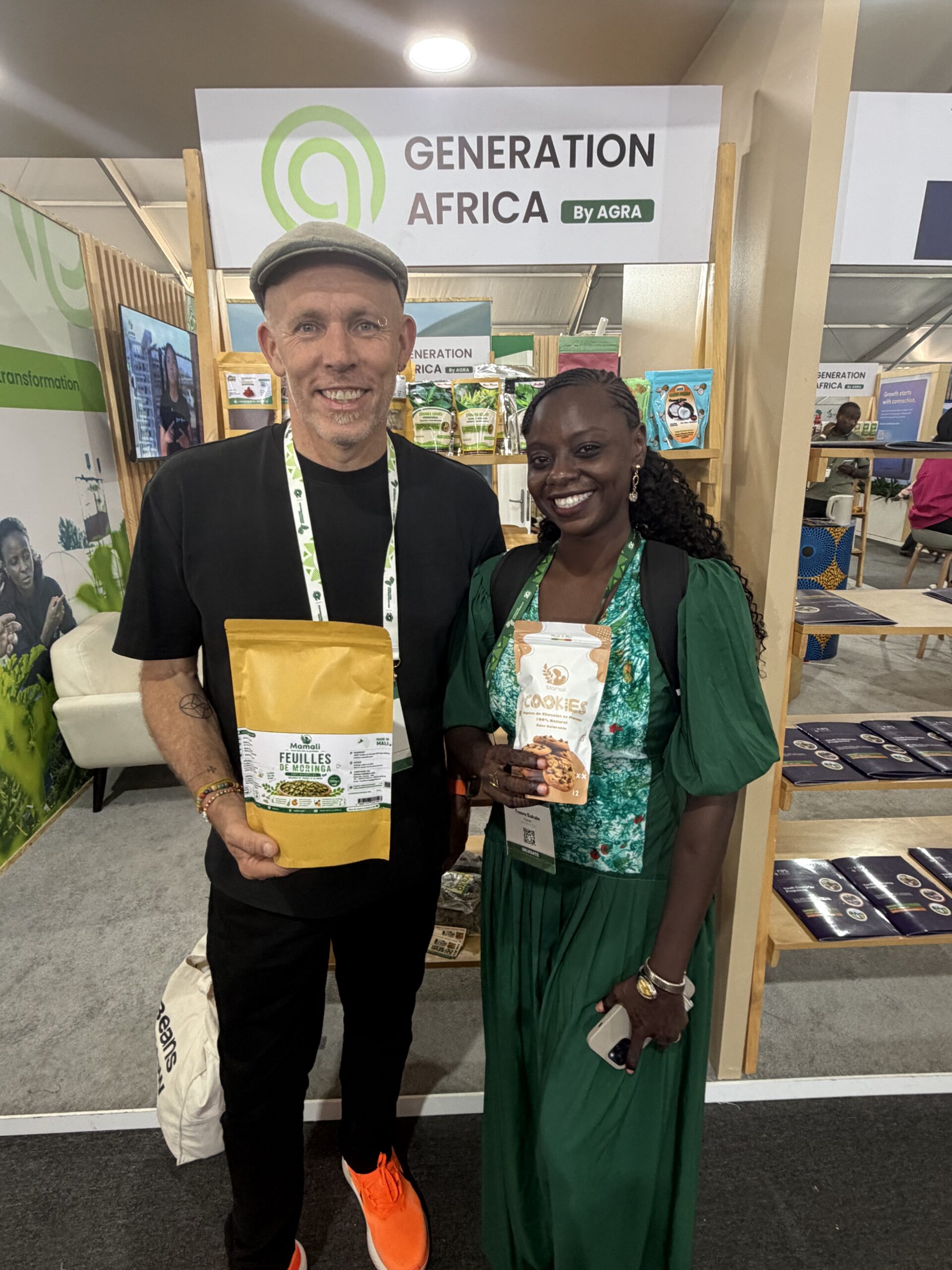
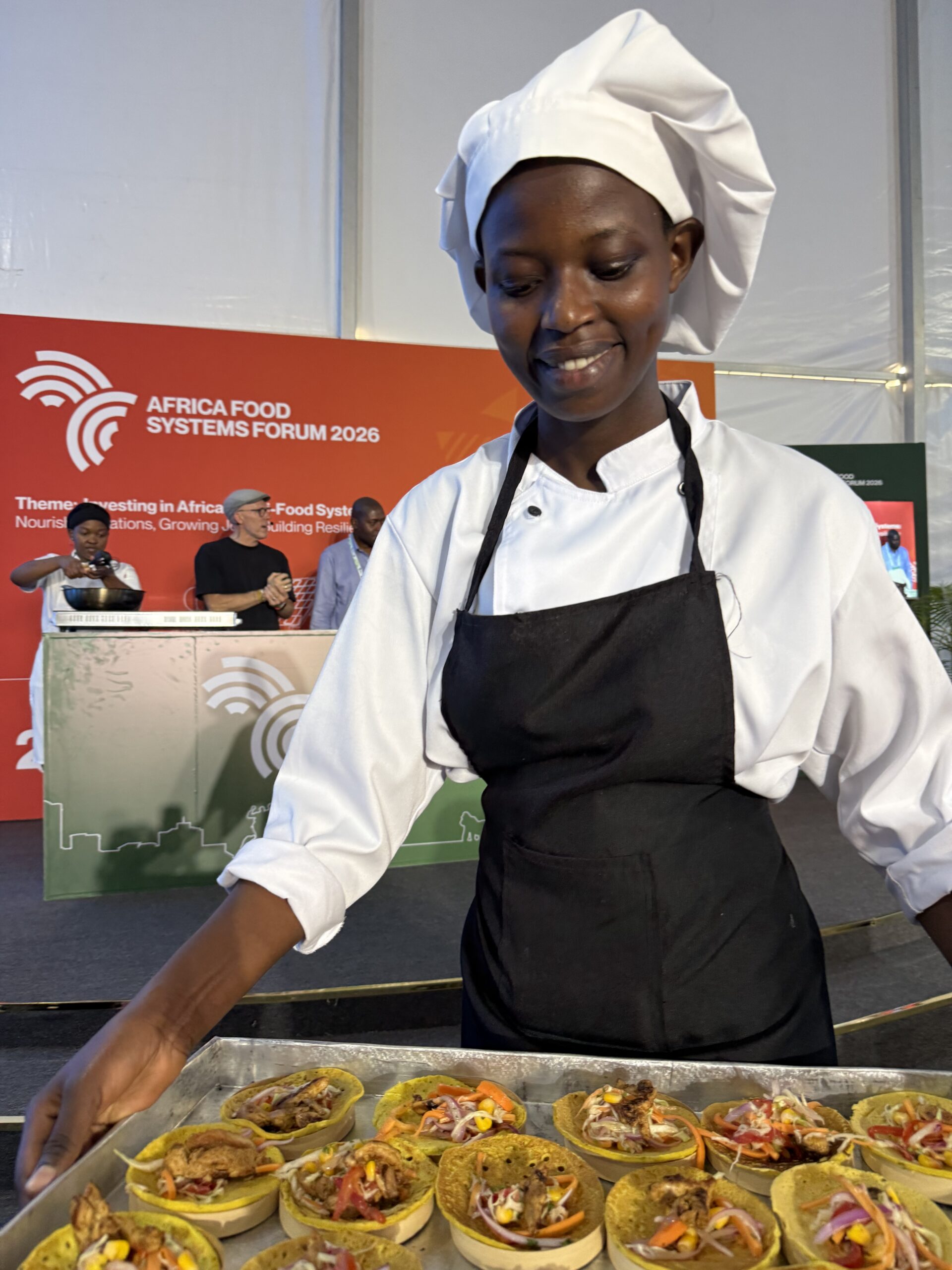
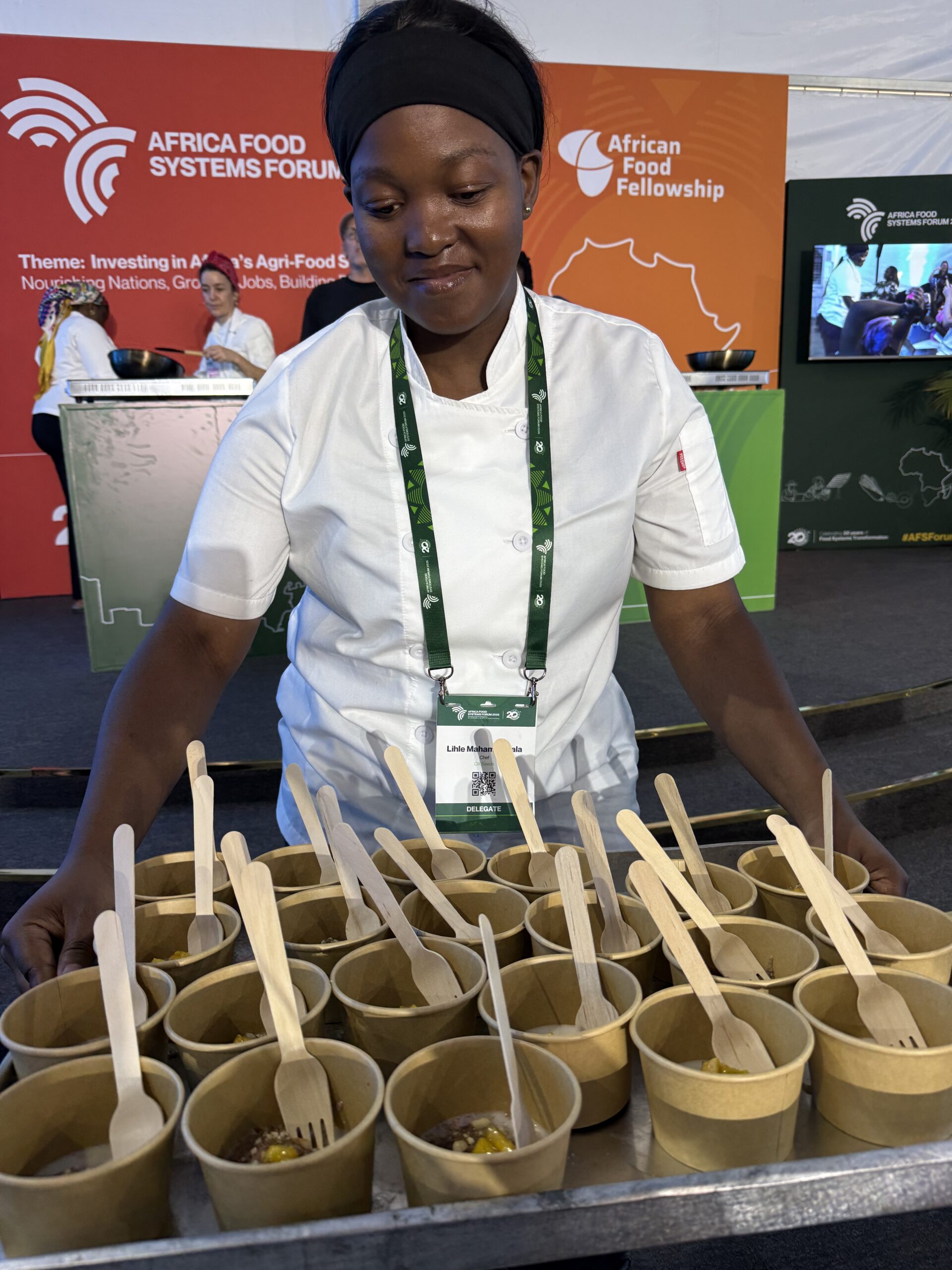
And then there was the food!
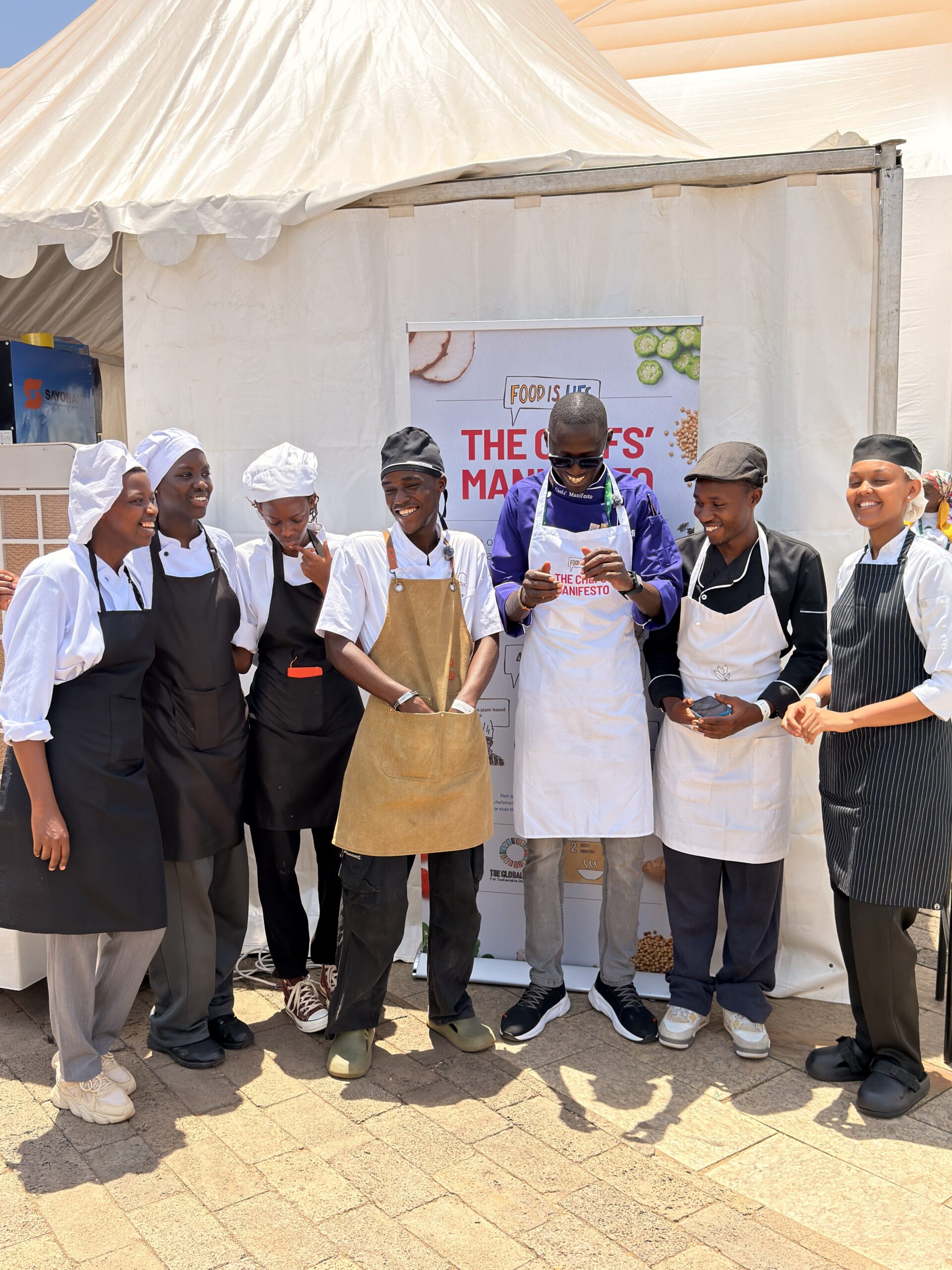
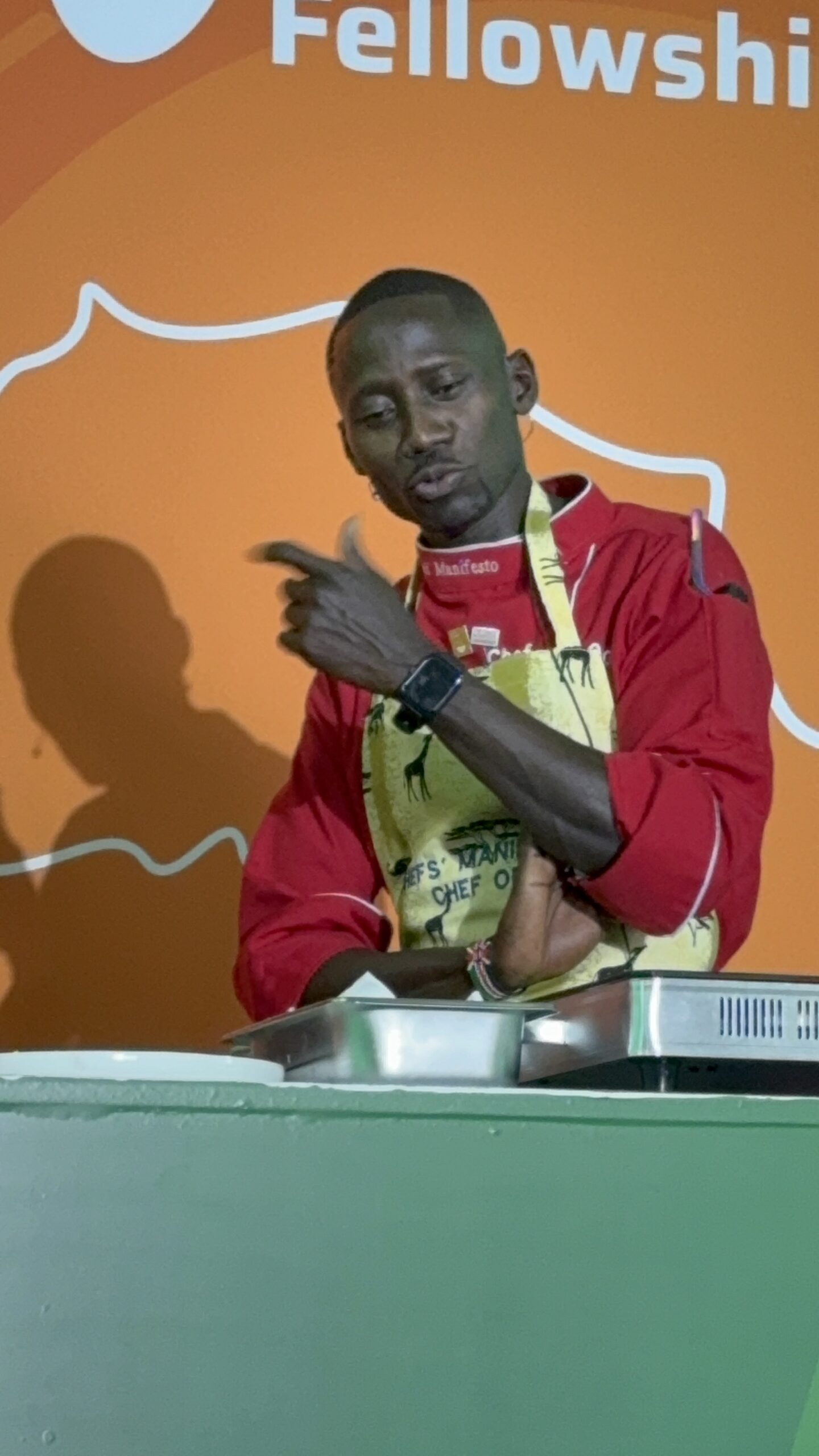
The Chefs’ Manifesto pitched camp in a small tent just outside the Culinary Village tent. For three days, Chefs moved around each other with the focus and speed of a high-end restaurant kitchen at the height of service, braving tight quarters. They shared the kitchen, and their knowledge with chefs-in-training from the Rwanda Culinary Institute.
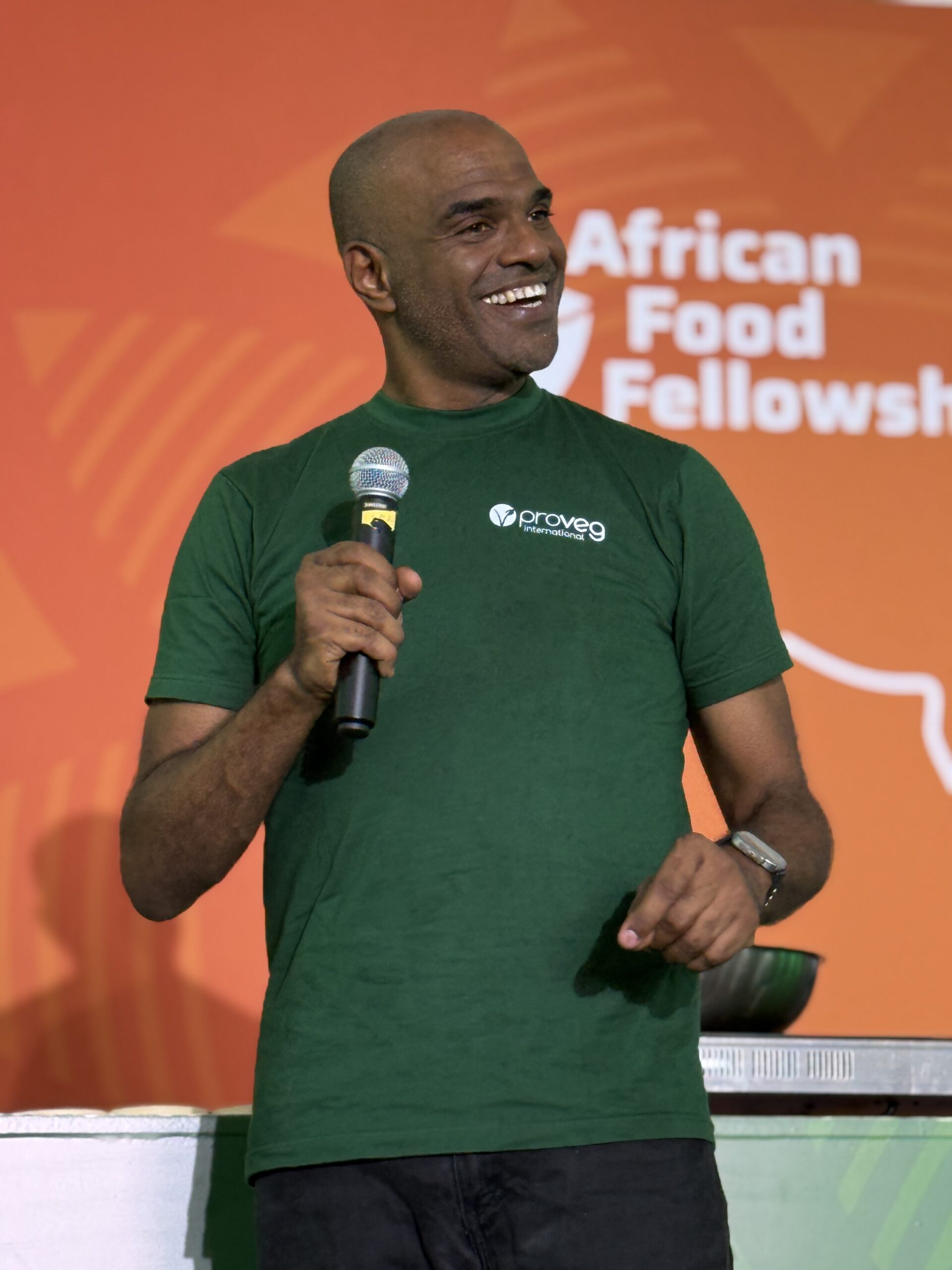
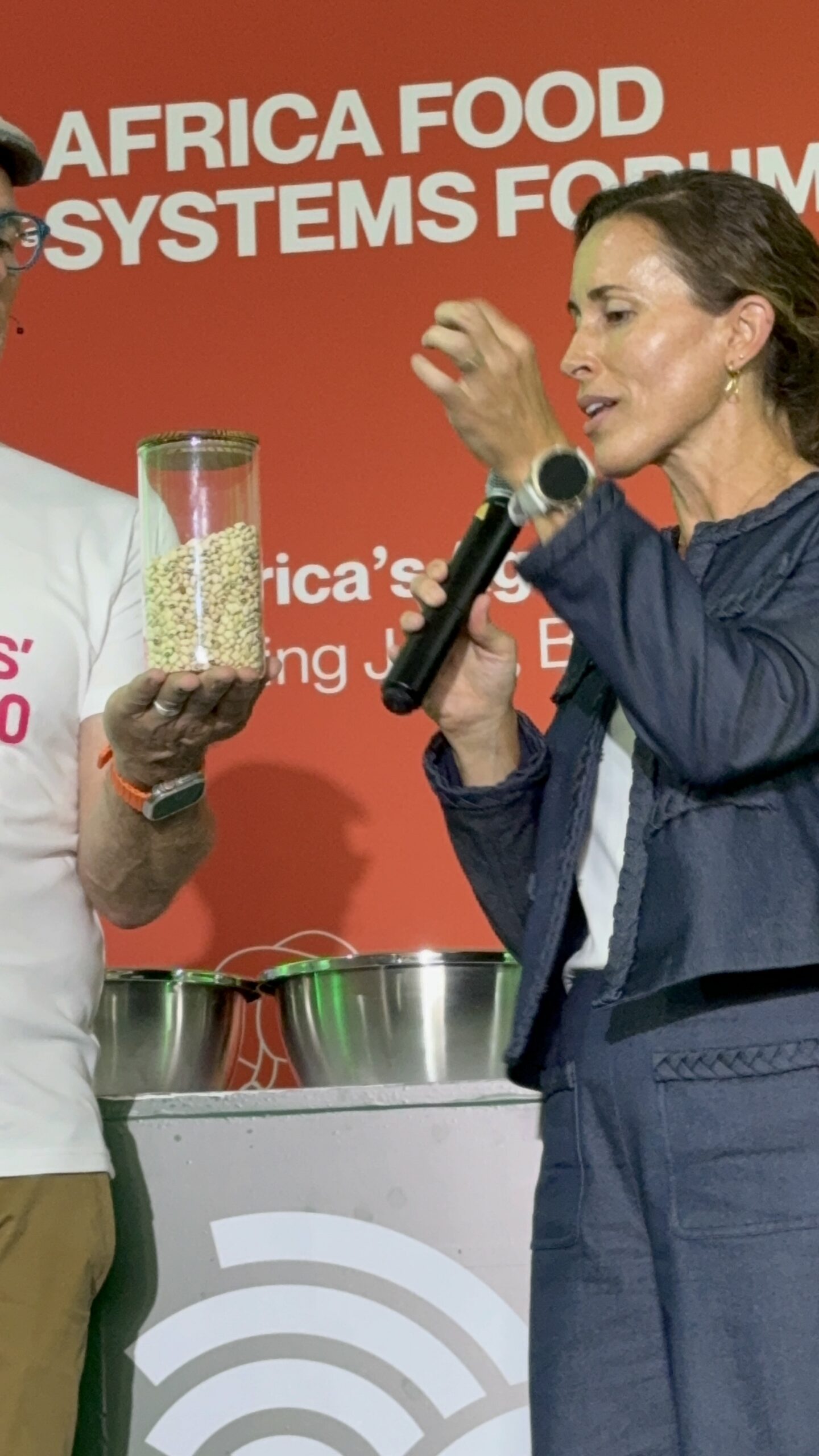
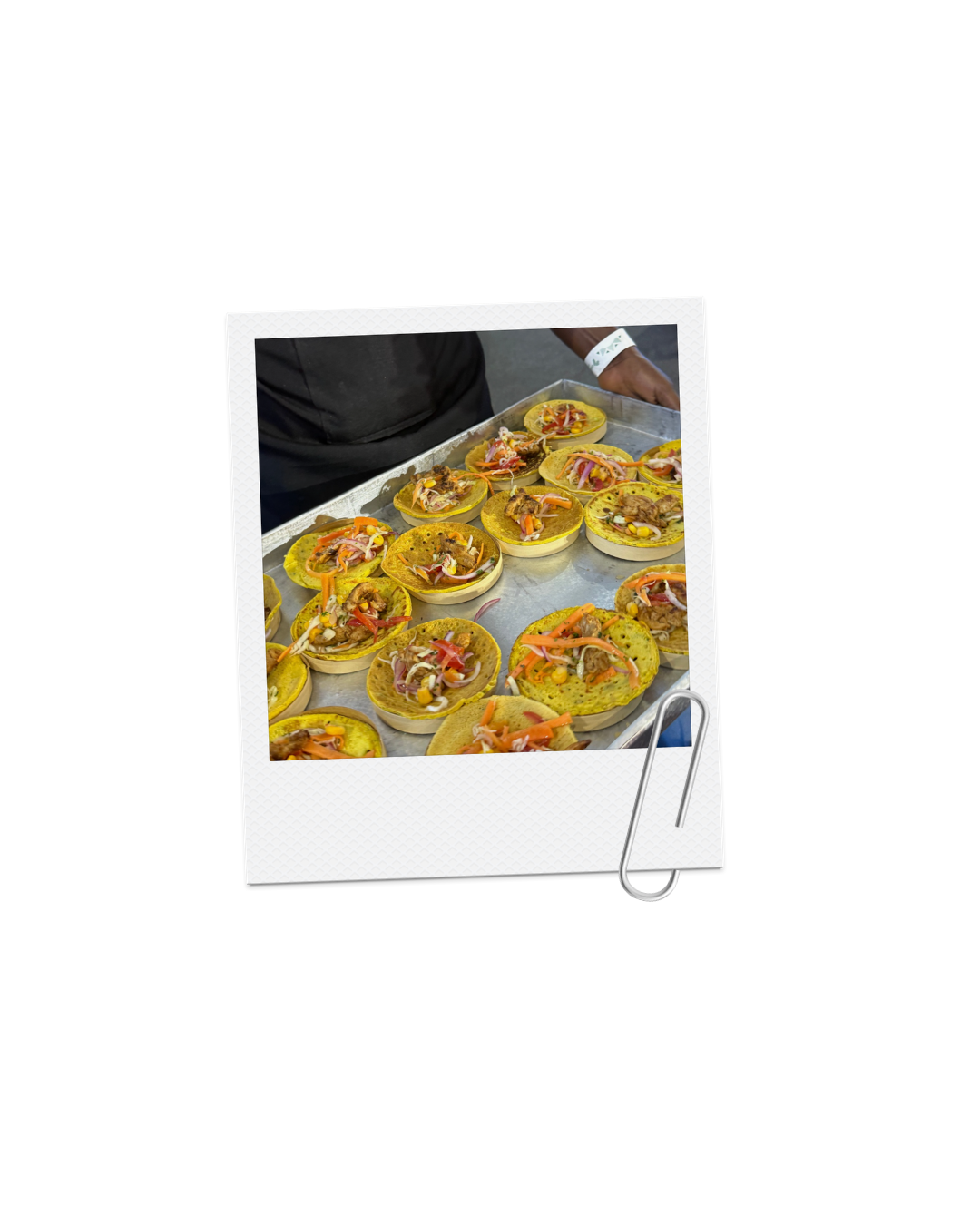
Onstage, pans hissed, knives moved quickly, grains were being stirred and seasoned, and plates passed from one pair of hands to another. They showed the ease and speed with which delegates could recreate the dishes at home, providing a tasty bites.
Rwanda’s food heritage took centre stage with red sorghum, kinche, gomen, baobab and bambara nut. Millet, fonio, teff, amaranth and sorghum followed, showing the versatility of crops, indigenous to Africa, yet often overlooked in favour of more familiar staples.
Chef Arabella’s warm millet porridge scented with cinnamon, star anise and turmeric offered one delicious possibility. Chef Odi Sorghum, millet and teff became crisp croquettes served with cassava-leaf isombe. Chef Seyitan Aruna turned fonio into pudding.
Chefs have the power to define the future on a plate!
The culinary village discussions reminded us to value what Africa grows, invest in resilient crops, support farmers and young food entrepreneurs, make healthy food desirable and accessible and bring chefs into food-system conversations.
The Culinary Village explored what that future could look like. The challenge now is to take those conversations beyond Kigali and turn them into choices that make Good Food For All possible.