“With every meal that’s served, we have an opportunity to make a difference.” It was a simple challenge from Anna Taylor, but one that echoed through every conversation at the Chefs’ Manifesto London Action Hub.
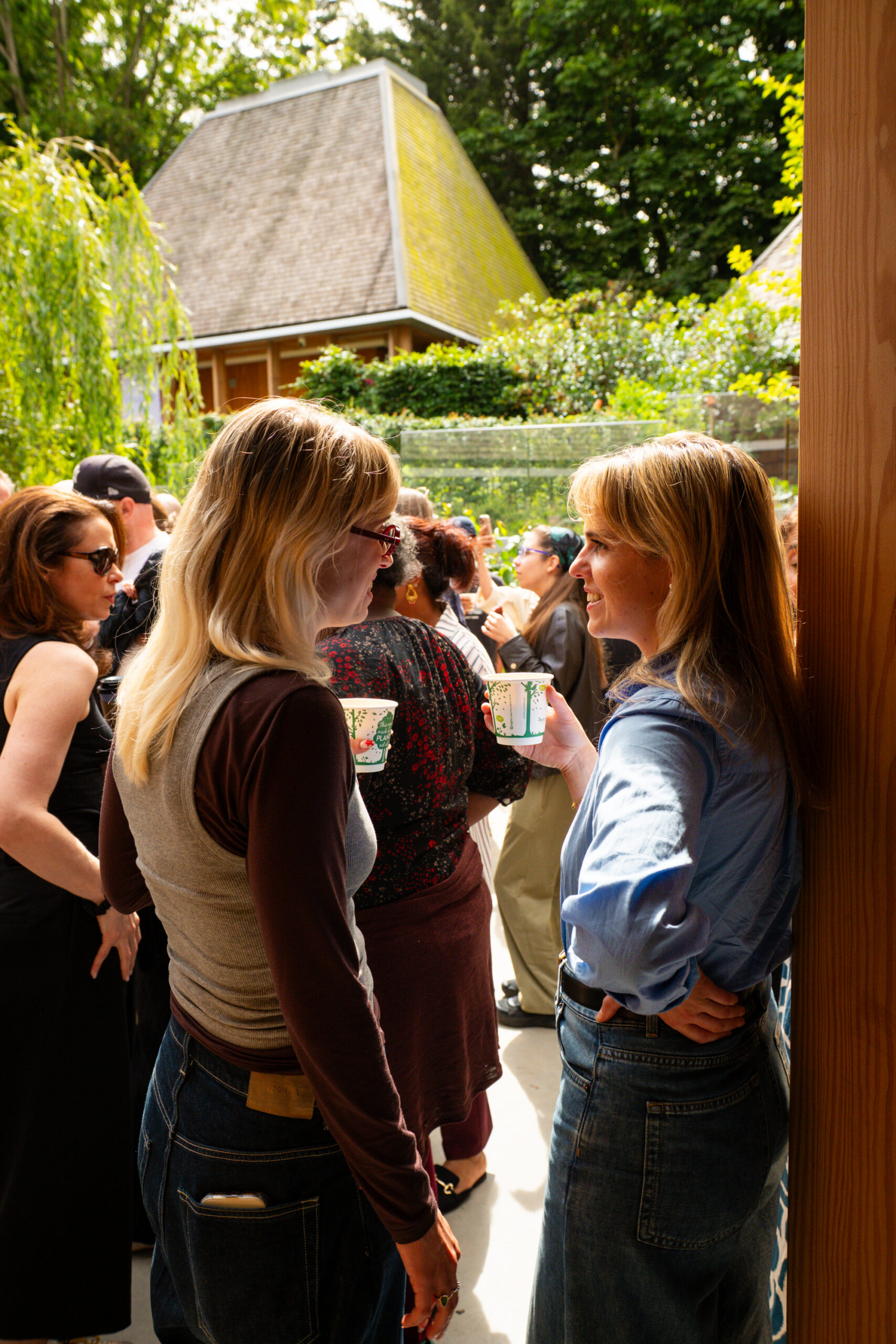
Set amongst the beautiful OmVed Gardens, more than 120 chefs, growers, researchers, educators, caterers, businesses and community leaders gathered with a shared purpose: to explore how food can nourish people, protect the planet and build resilience in an increasingly uncertain world.
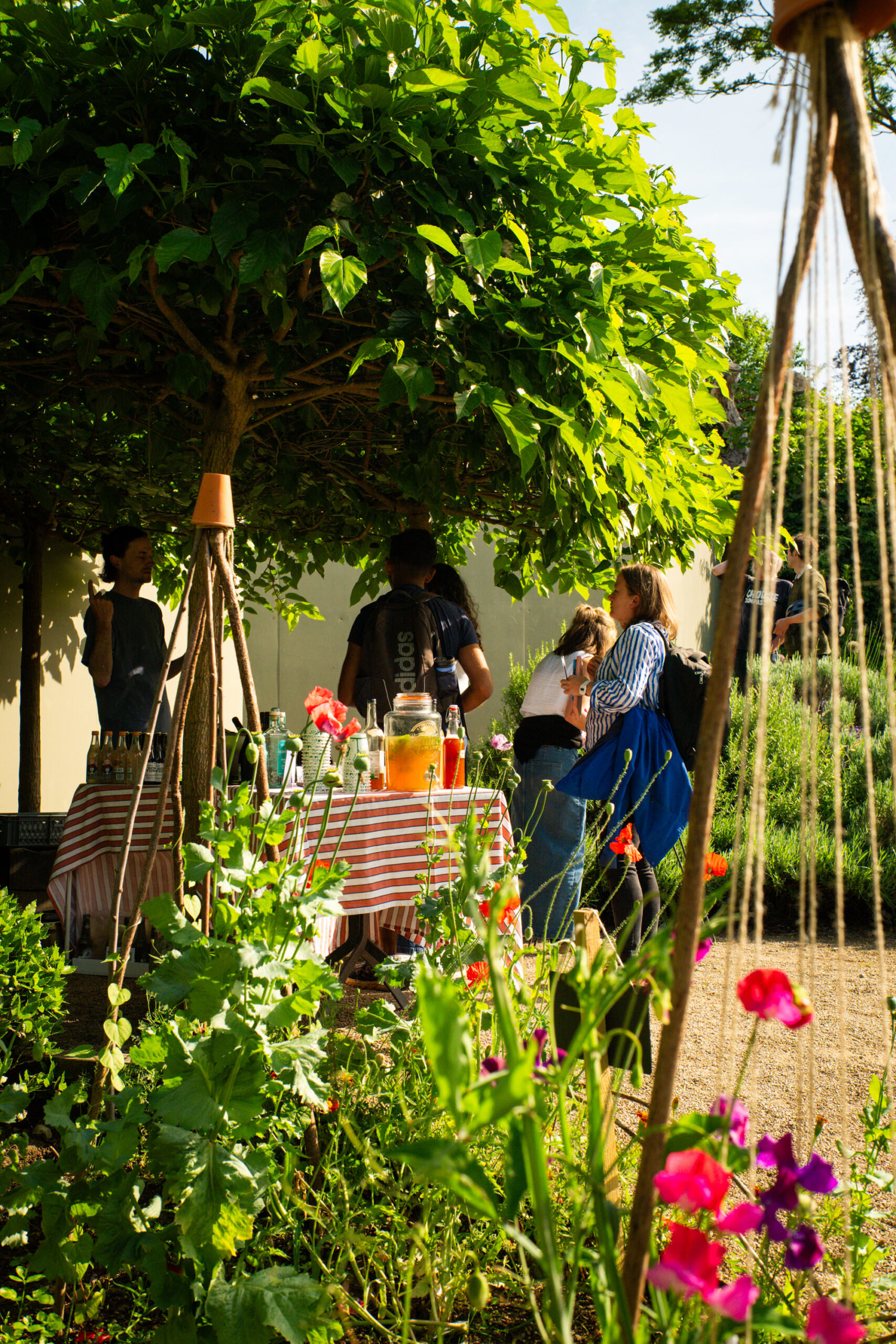
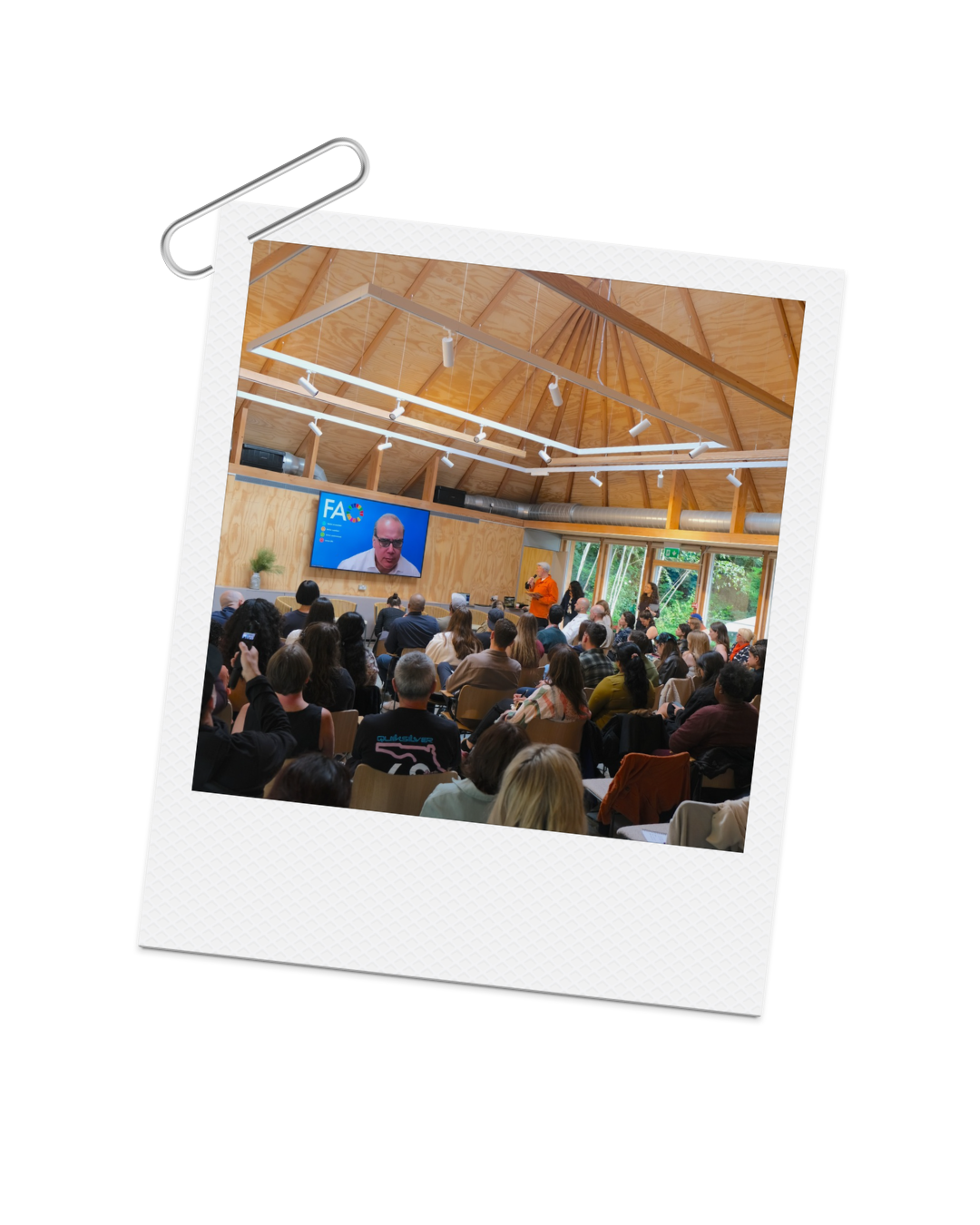
The day began by zooming out to a global systems perspective of good food for all.
Joining virtually from Rome, Dr. Máximo Torero, Chief Economist at the FAO, painted a sobering picture of today’s global food systems. Climate shocks, conflict, disrupted fertiliser supplies and fragile supply chains are compounding existential threats for too many. Yet his message was not one of despair. Resilience, he posed, means planning ahead: diversifying trade routes, supporting vulnerable communities and building food systems capable of withstanding future shocks rather than simply reacting to them.
The question around the room was then: What does resilience look like in practice?
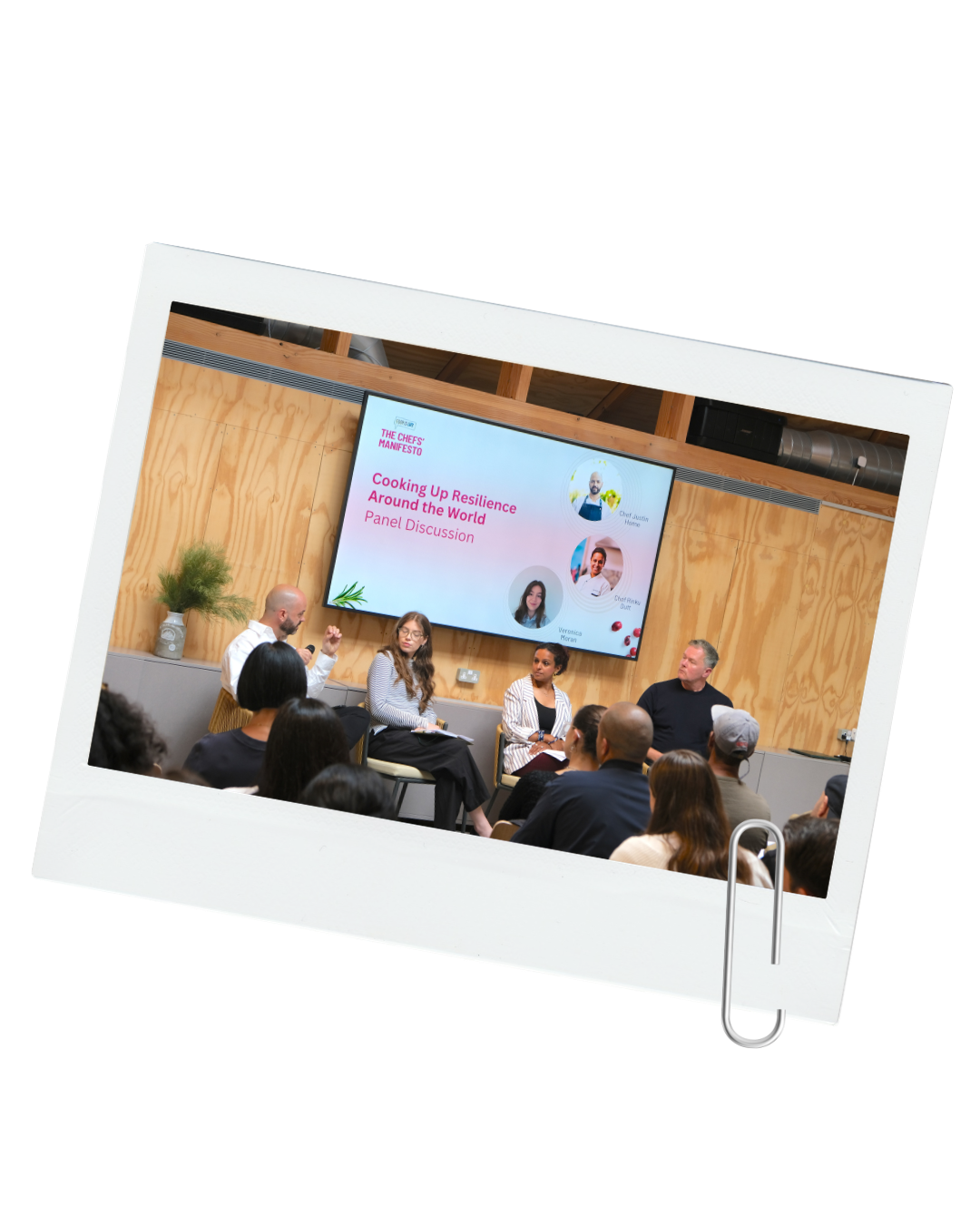
For Chef Justin Horne, it begins with creativity. Waste is not inevitable, he argued, and neither is disengagement. Storytelling, from the kitchen to front of house, is one of hospitality’s greatest tools for changing consumer behaviour.
Veronica Moran reminded us that resilience is about far more than producing calories. Nutrition matters. The latest evidence shows many Western diets still fall short on fruit, vegetables and legumes. Rather than telling people what to eat, she encouraged chefs to show them with delicious, accessible dishes that make healthier, more resilient choices easy.
For Chef Rinku Dutt, resilience is deeply personal. Sharing the story of her family’s migration, she reflected on how food carries culture, identity and belonging across generations. Her challenge was simple: what ingredients have we overlooked? Lentils, beans and traditional foods deserve a place at the centre of our plates, not the margins.
That thread continued throughout the morning.
Discussing food resilience in the UK, Anna Taylor and Paul Newnham unpacked a difficult reality: millions of households are struggling to afford nutritious food while climate change and conflict continue to drive prices upwards. Short-term action and long-term thinking must go hand in hand. Campaigns such as Bang in Some Beans are making nutritious, affordable ingredients more visible, but climate and food policy has an equally important role to play. The message to chefs was clear: every menu is an opportunity to improve both health and the environment.
Then came the flavours.
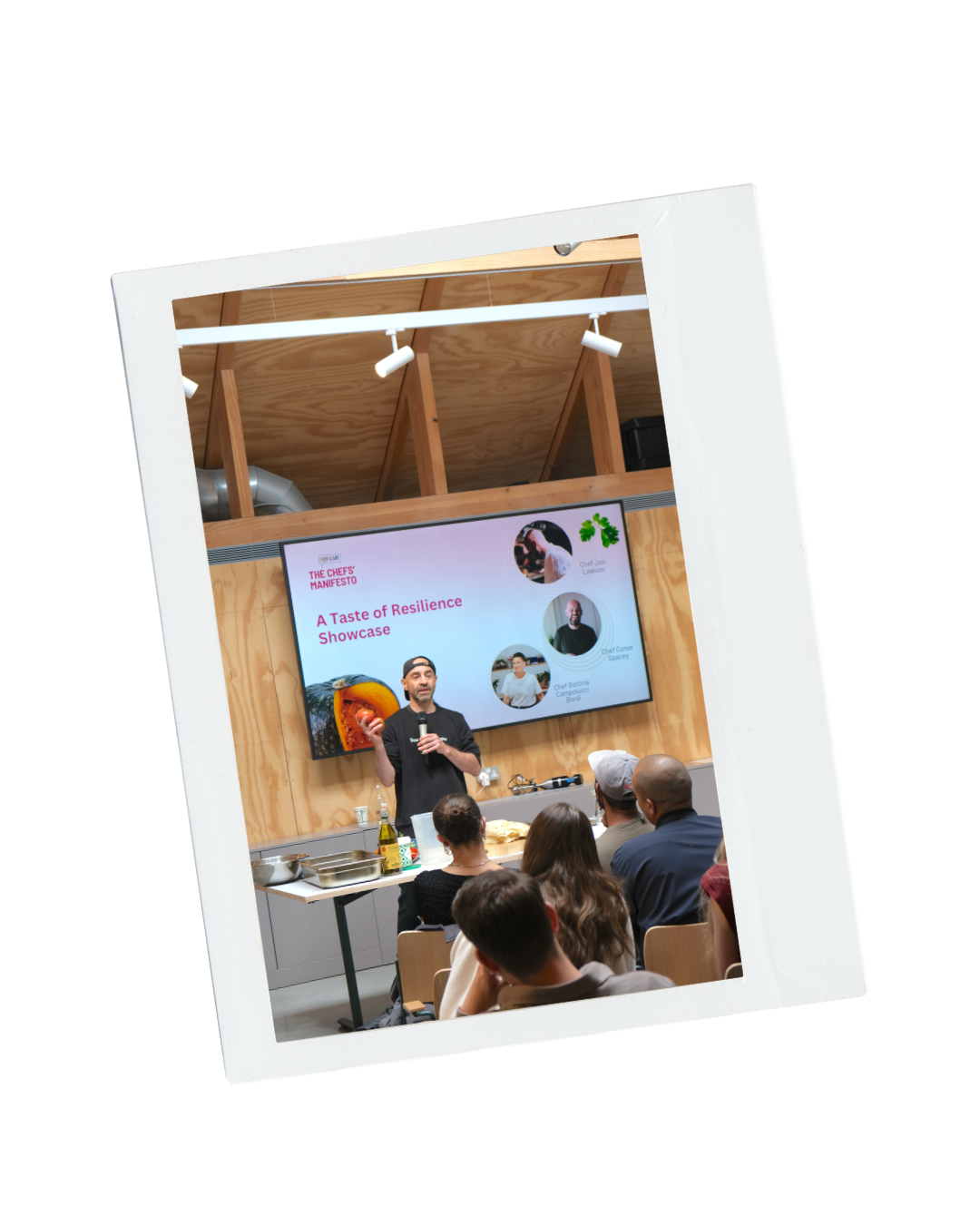
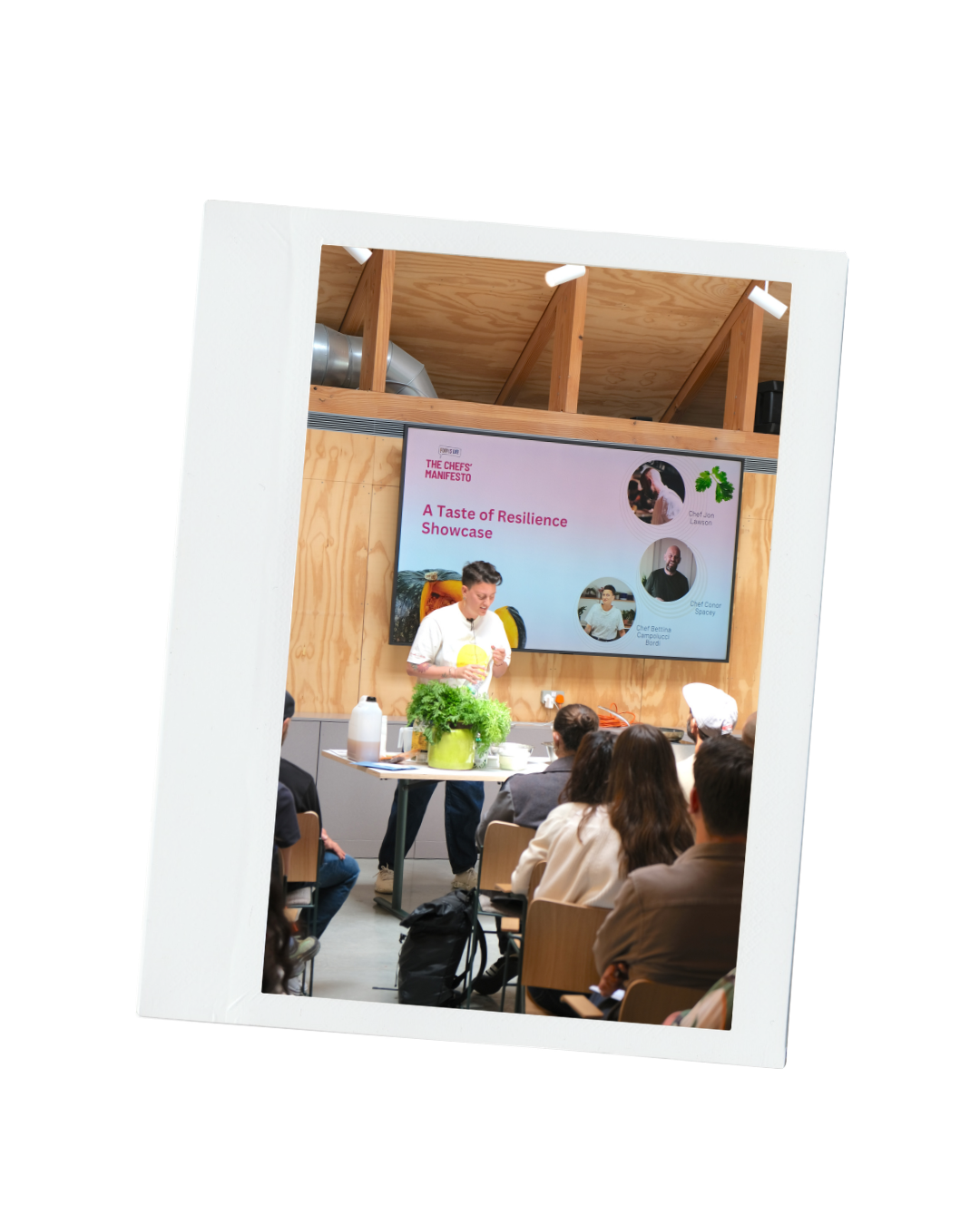
Cooking demonstrations from Chefs Jon Lawson and Bettina Campolucci Bordi, alongside an inspiring case study from Chef Conor Spacey brought these big ideas to life. Jon transformed stale bread into an aromatic, fresh and vibrant panzanella, which was first to be eaten at lunch! In Bettina’s hands, carrot tops became pesto, and chickpeas, butter beans and seaweed became centrepieces rather than side notes.
“Look at what grows around you, and then make your menu,” Jon urged.
Conor took the conversation even further. Drawing on his deeply personal involvement in cross-continent projects from Ireland to The Gambia, Senegal and Kenya, he shared stories of culinary education, local food economies and traditional diets reclaiming their place in communities. His challenge resonated long after he left the stage: “Find something that plants a seed for humanity in you. Enough talking. Change what you can.” Humanity and resilience was then a central theme of the discussions that followed.
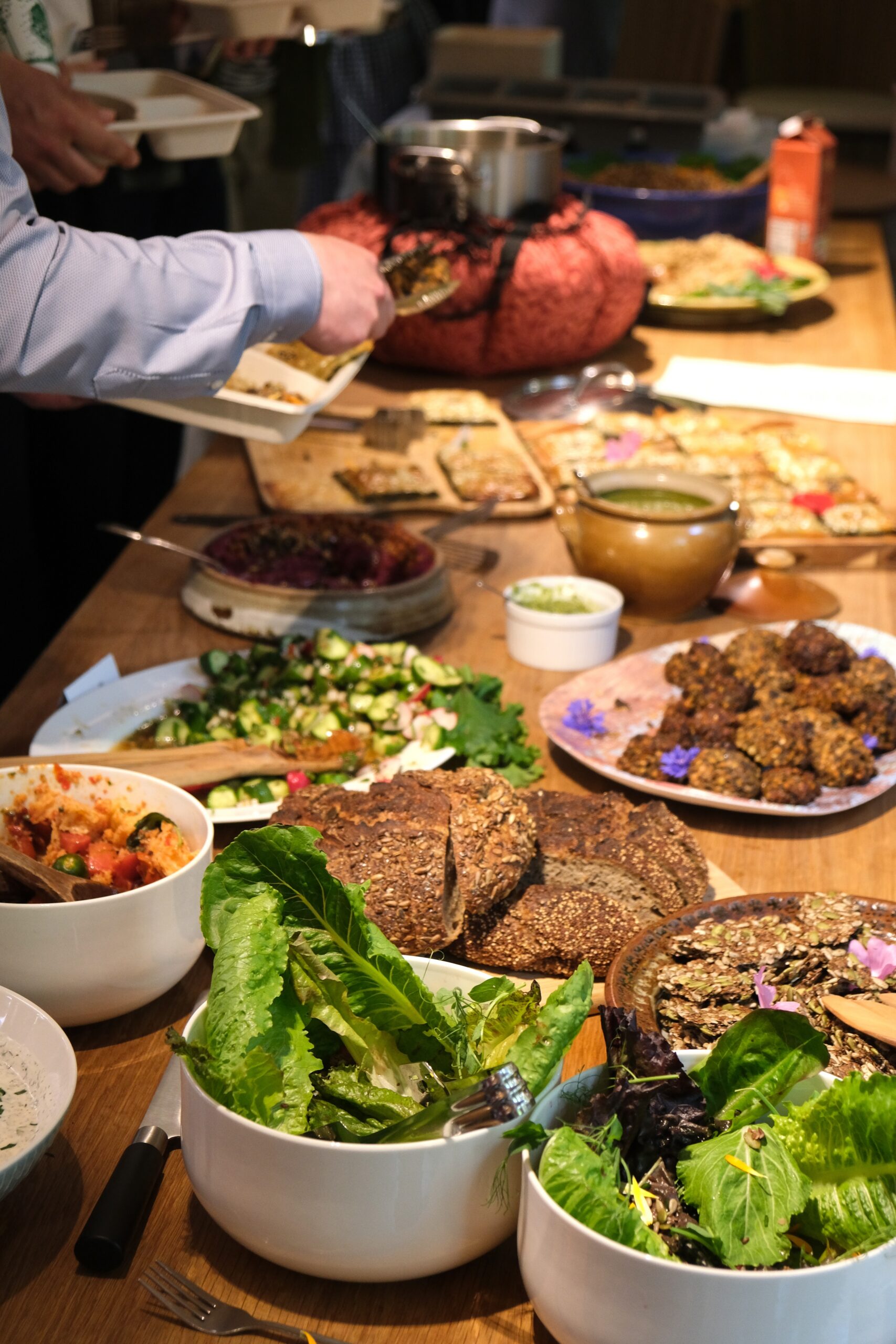
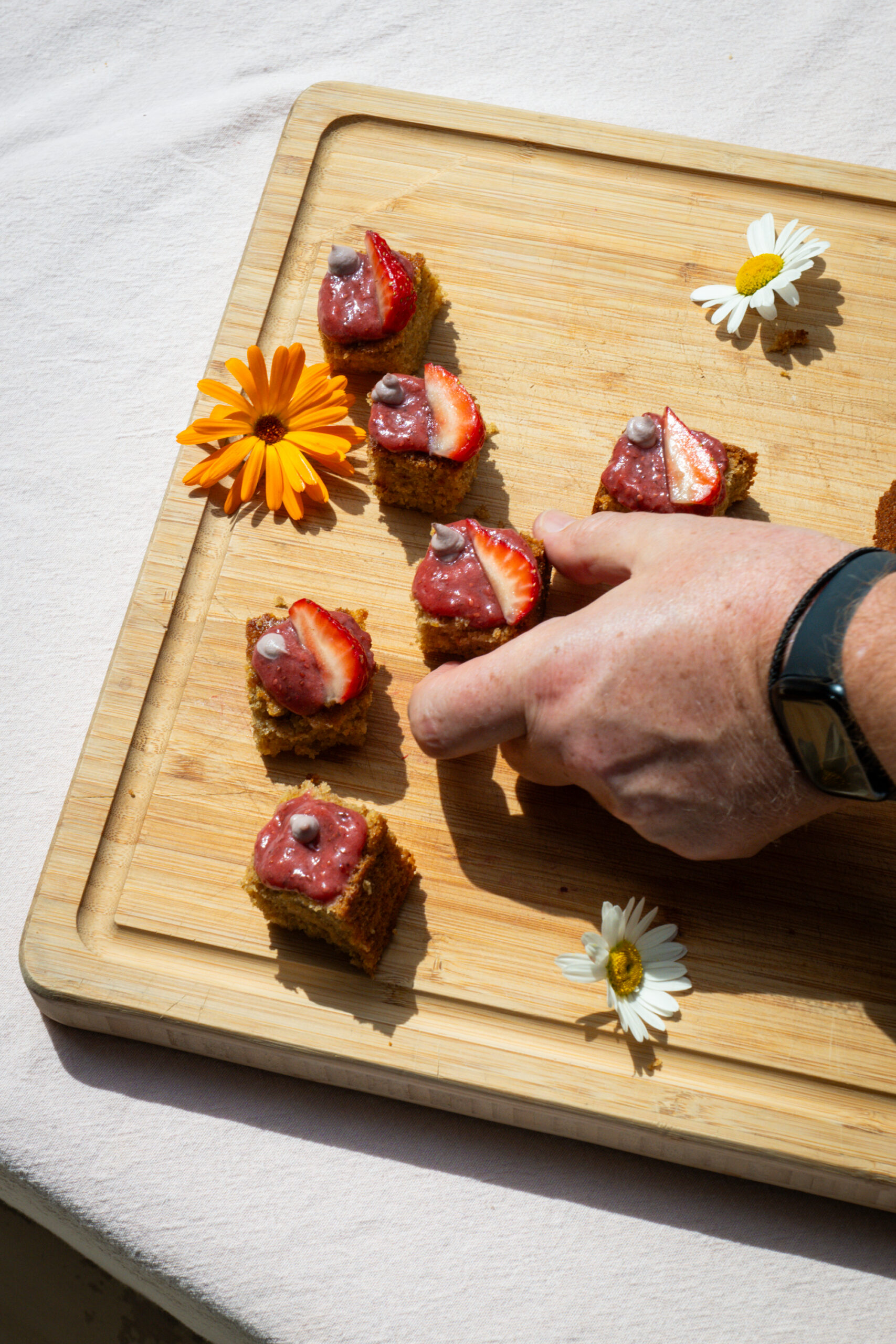
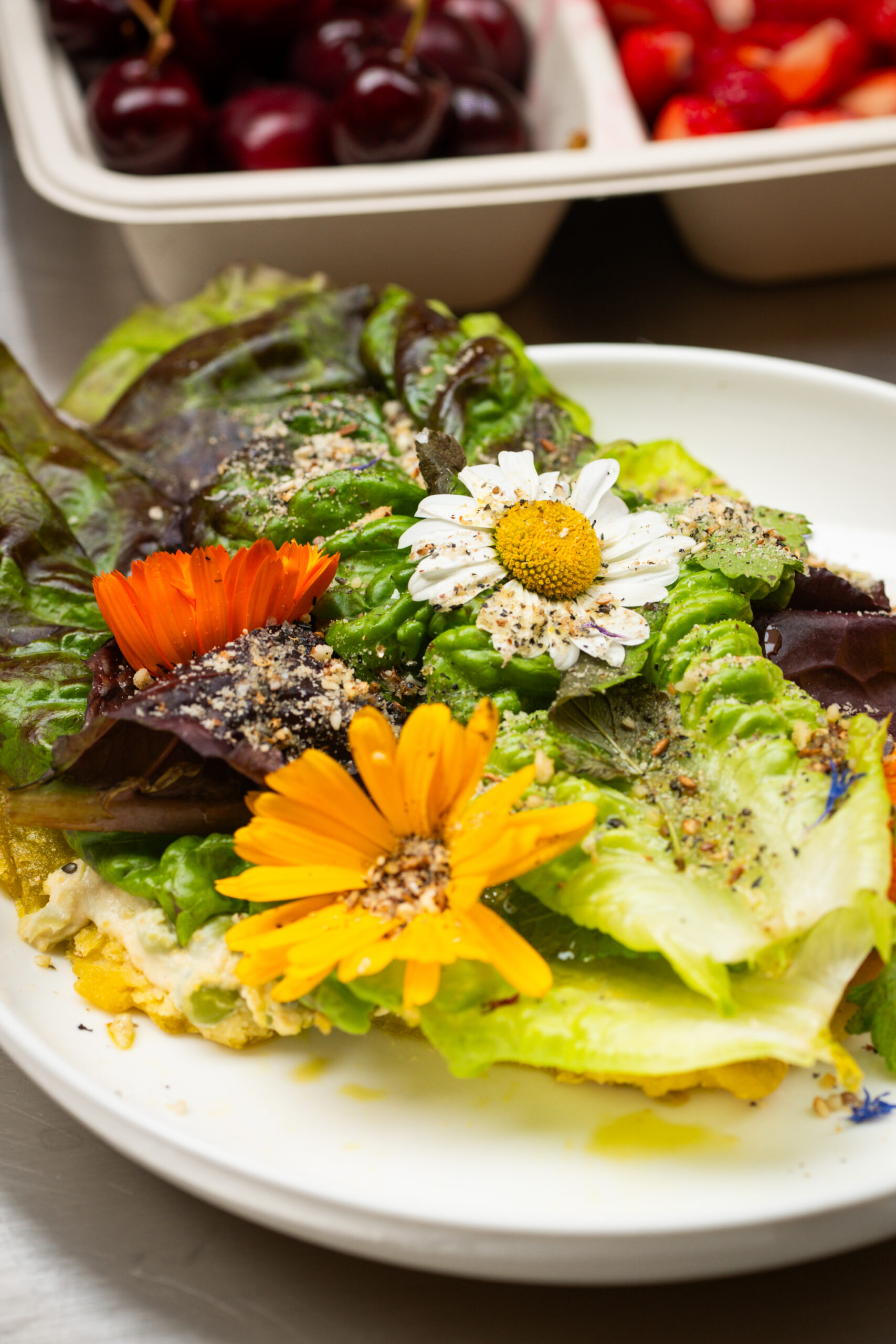
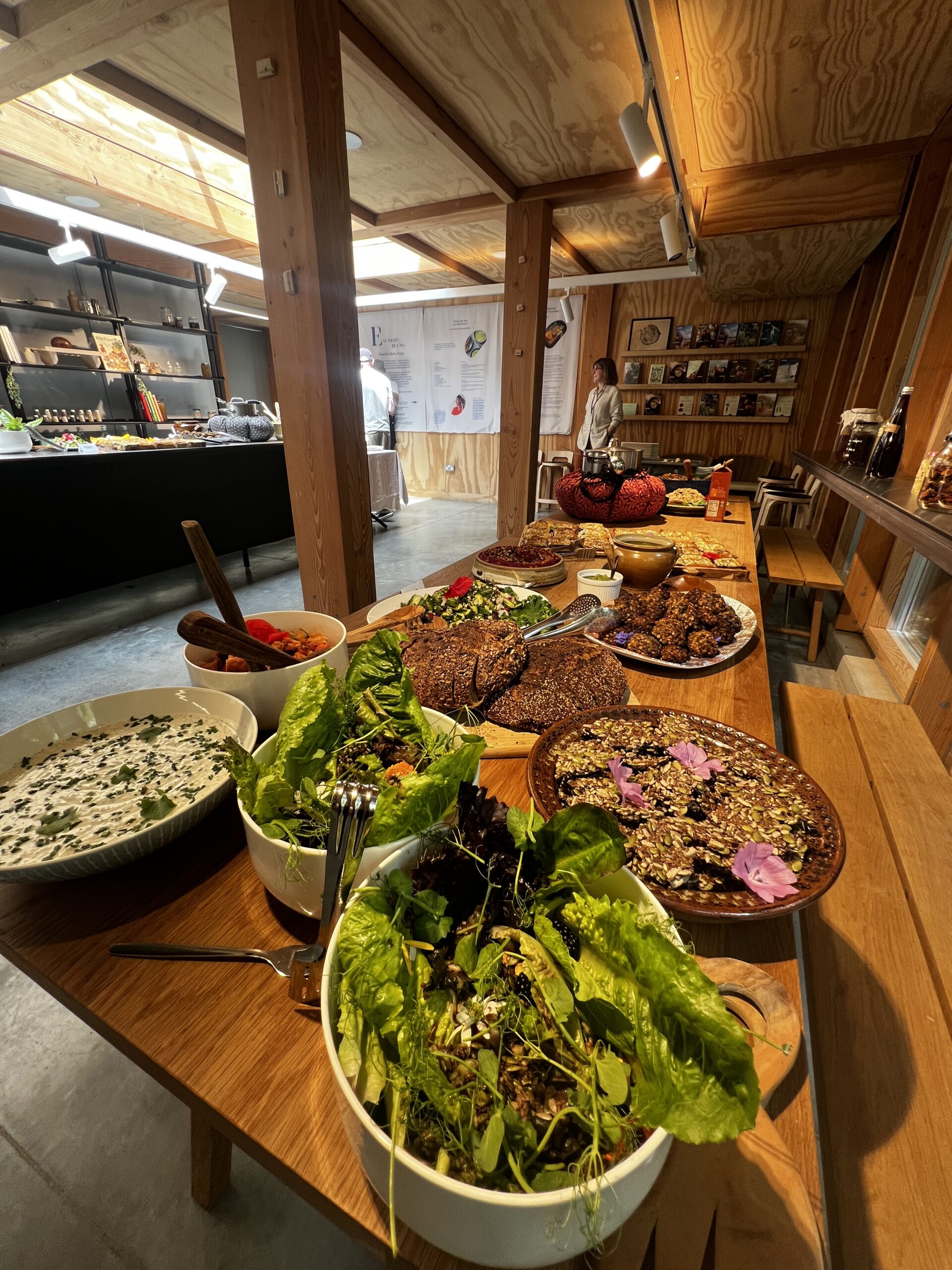
Then we shared lunch…

In the afternoon, attention turned to another vital question: Who shapes what we eat?
To Chef Arthur Potts Dawson, the answer begins with farmers. “We can’t eat what we can’t grow.” Politics, culture, supermarkets and social class all influence our choices, but chefs remain powerful custodians of aspiration through the ingredients they champion and the menus they create.
Jozef Youssef demonstrated how the stories, language and sensory experiences surrounding food profoundly influence what people choose to eat, while Chef Sam Ratanji highlighted the importance of education in the midst of unexpected threats to our food security and the rise of GLP-1 medications.
Isobel Bruce explored the growing influence of digital platforms, where food and food creators attract billions of views. Educational content consistently outperforms aesthetics, she explained, proving that substance, and trusted culinary voices, can shape culture online at unbelievable scale.
The day’s final panel brought together Chefs Jack Feeny, Danny McCubbin, Sohini Banerjee and Charlie Neal, each offering a different perspective on resilience. Jack called for stronger partnerships between chefs and farmers. Danny reflected on the power of community kitchens to restore dignity and connection. Sohini shared how food preserves culture, identity and belonging within migrant communities. Charlie challenged the sector to tackle food waste through better redistribution, stronger reporting, and systems that make circularity the norm rather than the exception.
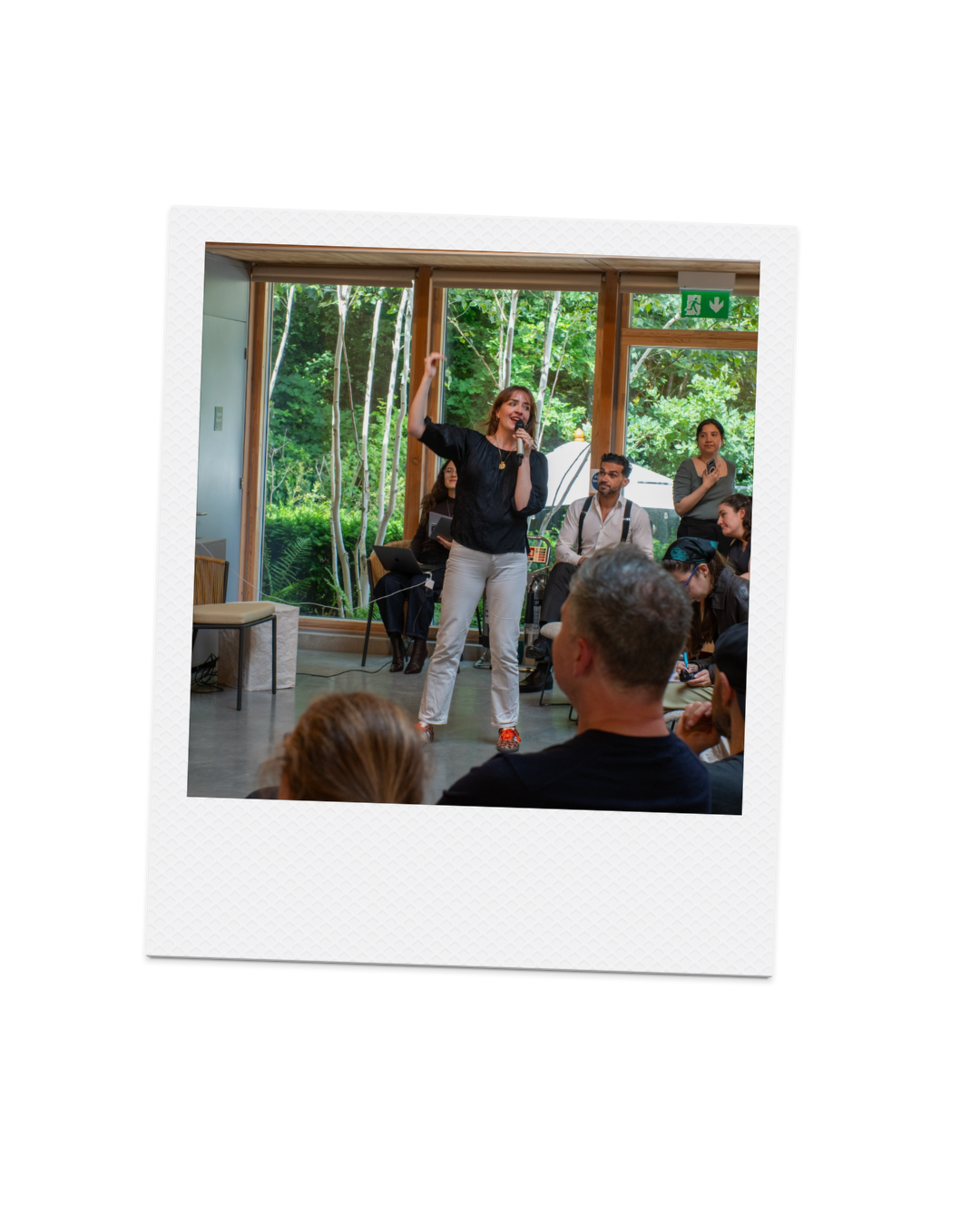

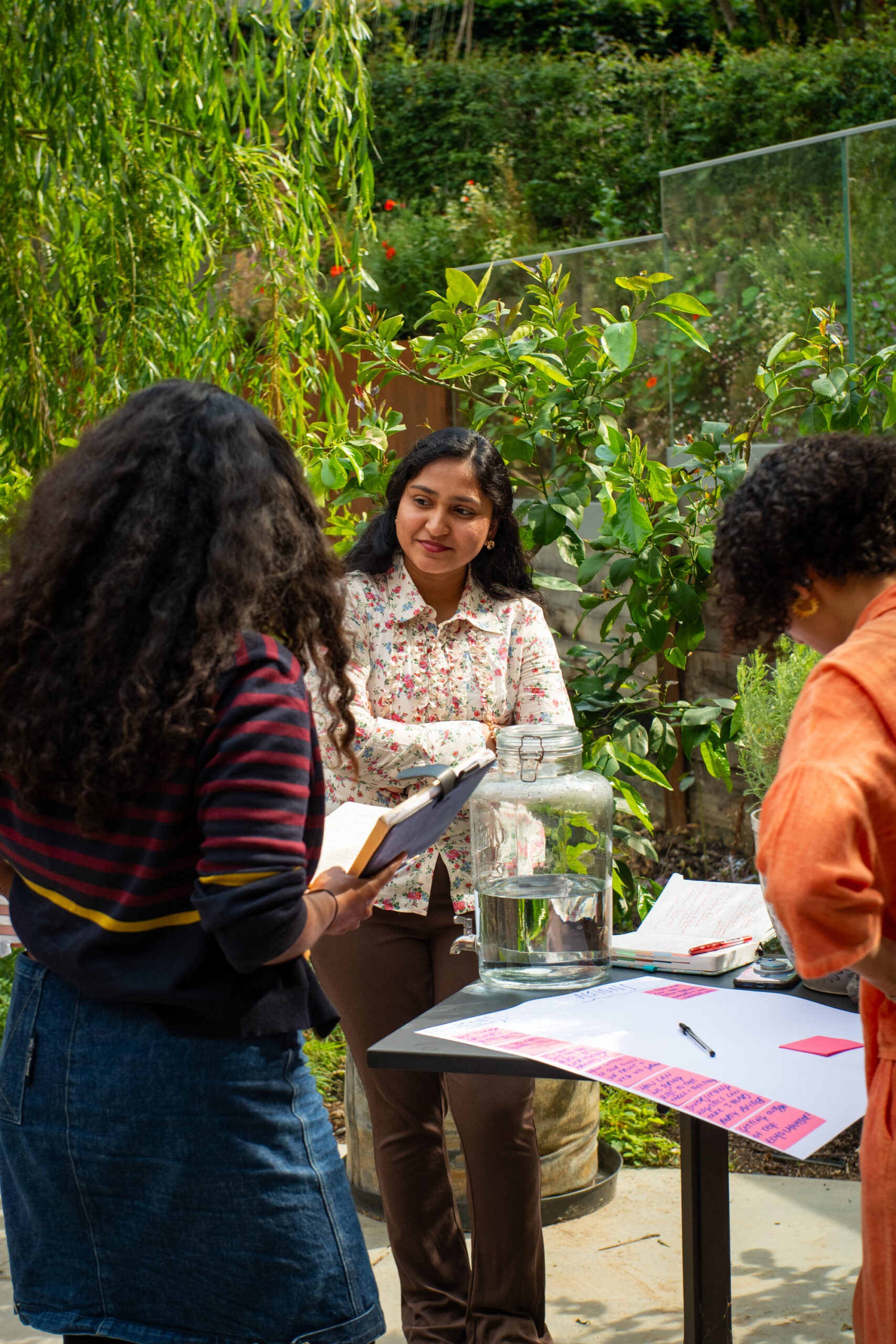
The final workshop of the Chefs’ Manifesto London Action Hub was a vibrant series of small-group discussions that revealed a clear and hopeful message across posters and colourful sticky notes: transforming food systems starts with people.
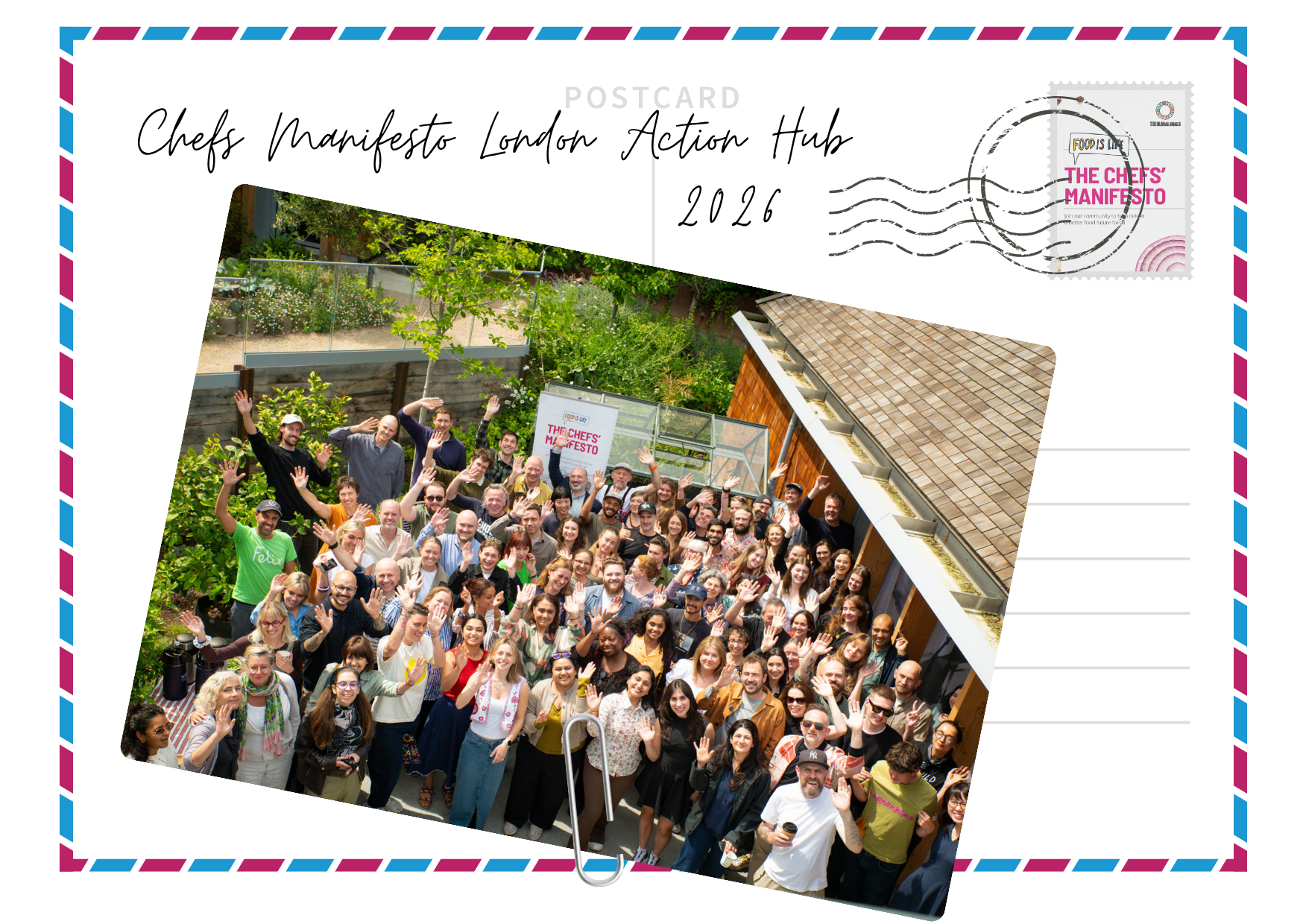
The more than 120 people in the room repeatedly called for:
-
Stronger food education.
-
Deeper connections between chefs and farmers.
-
Greater collaboration across communities.
-
Practical action to reduce food waste.
Young people to be present and heard, with meaningful pathways into leadership and policymaking, leveraging social media to spread the movement.
Conversations extended well beyond the plate, recognising that healthy food systems depend on:
-
Healthy soils.
-
Thriving rural communities.
-
Informed consumers.
-
Policies that support long-term resilience.
Running through every discussion was a shared belief that change is collective and achievable.
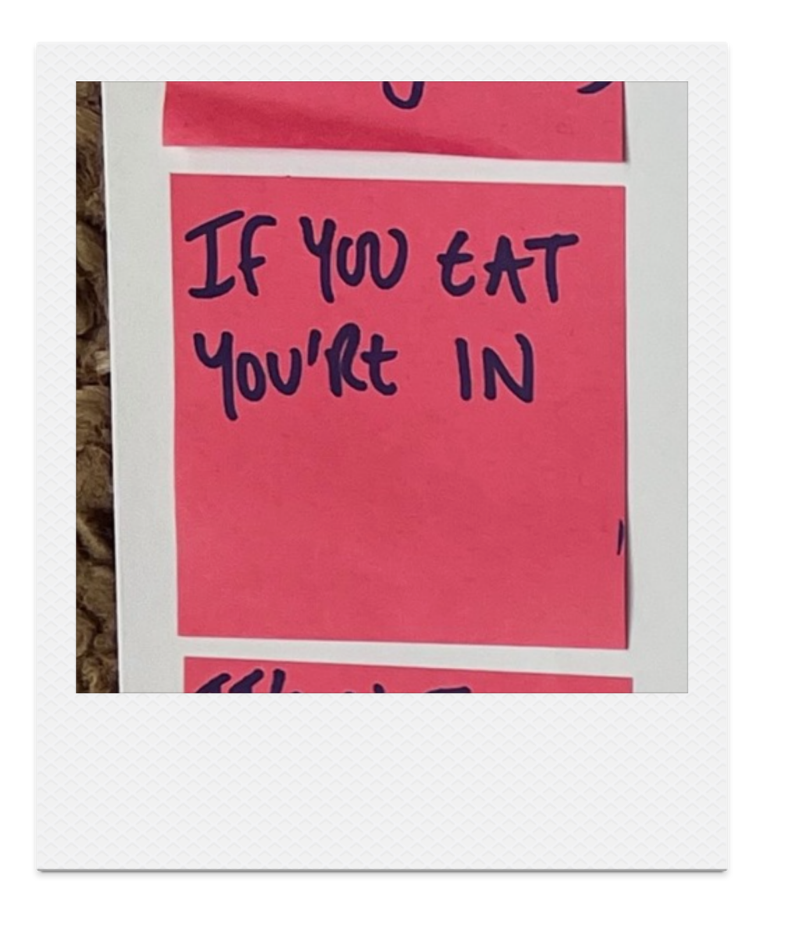
“If you eat, you’re in”
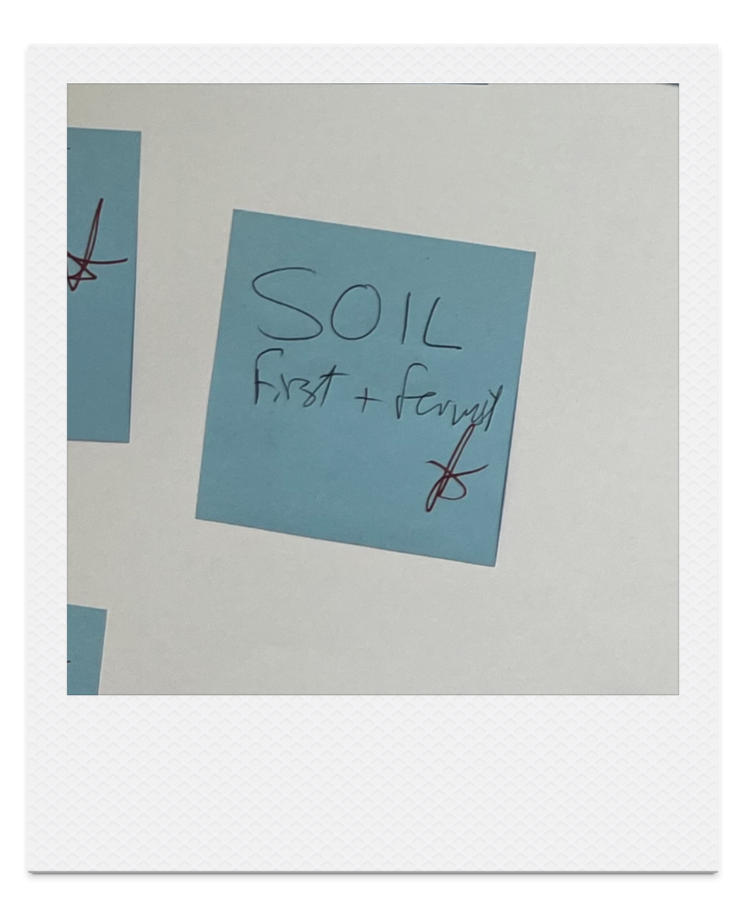
“SOIL”
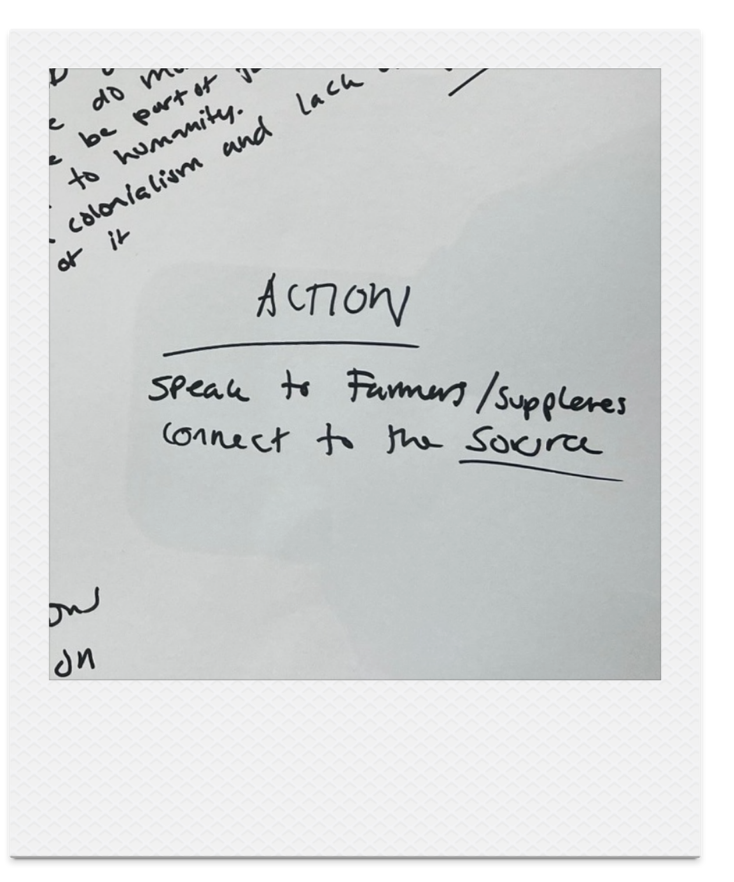
“Action: speak to farmers/ suppliers. Connect to the source”
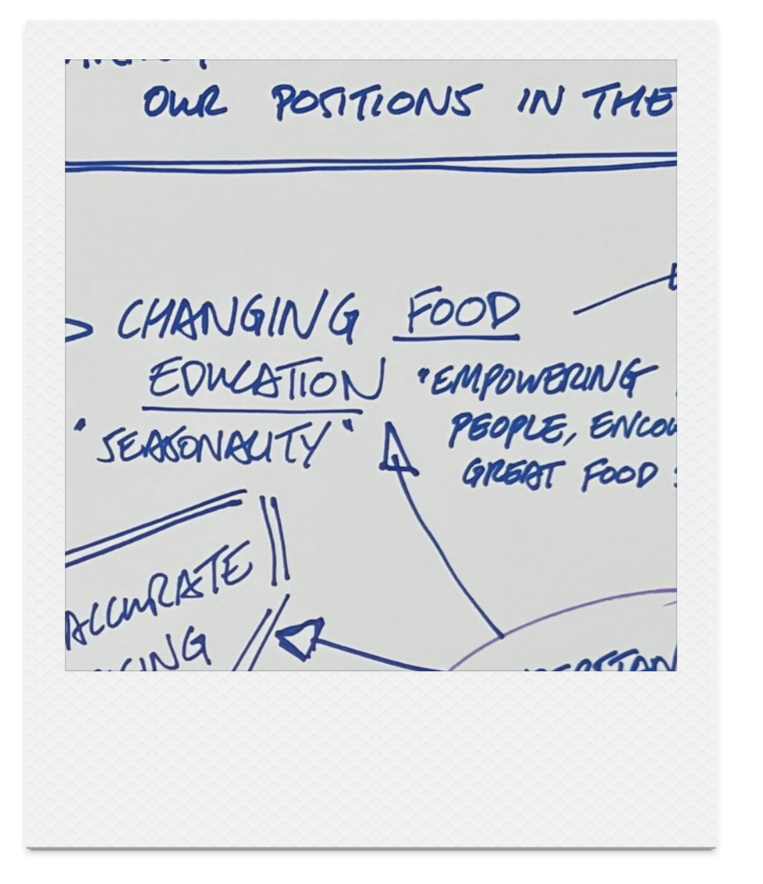
“Changing food education –> Seasonality, and empowering young people and encouraging great food systems”
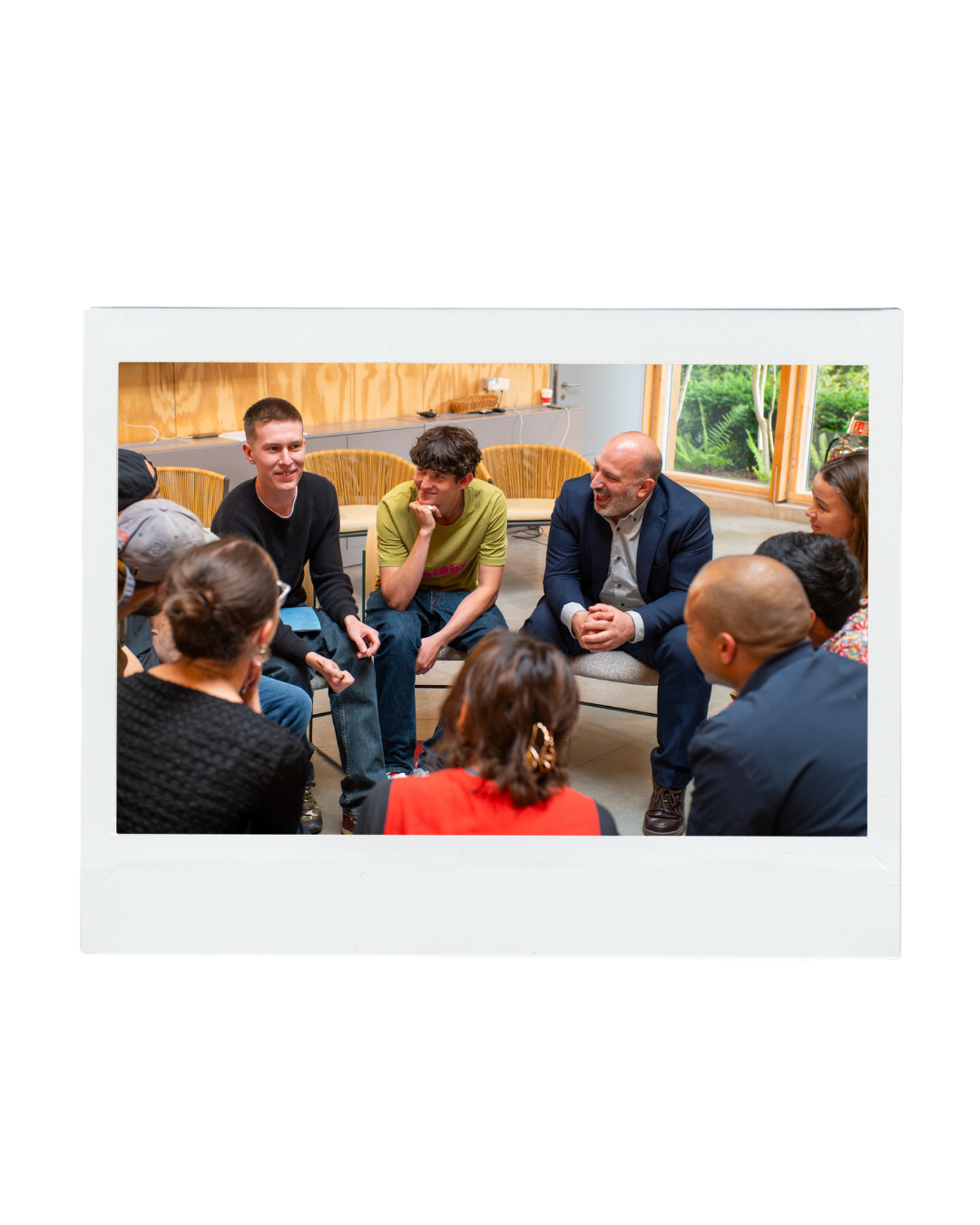
The conversations shared in London were a launchpad for new collaborations, fresh creativity and strategic partnerships. The Chefs’ Manifesto community continues to prove that food systems are changed when invested people come together, committed to collaboration, creativity and action. Every menu written, ingredient sourced, story shared and chef using their resilient dishes to their menu has the potential to shape healthier people and a healthier planet.
Ultimately, the 2026 London Action Hub demonstrated that chefs are uniquely placed to bridge producers and eaters, inspire action through peer to peer learning, and help build food systems that nourish people, protect the planet and strengthen communities for generations to come.
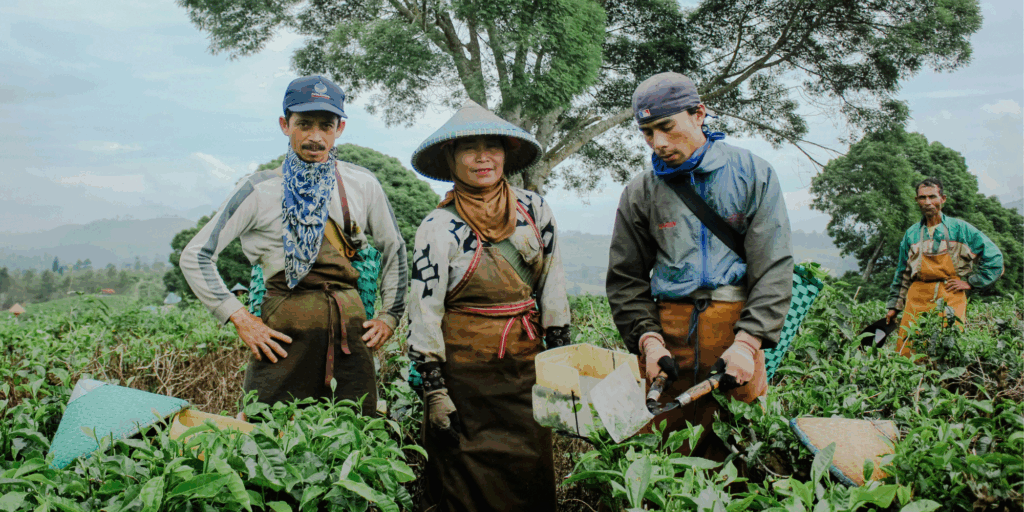


Between promises and progress: Food systems at the Bonn climate talks
Between promises and progress: Food systems at the Bonn climate talks