Climate change is not a distant threat to food systems – it is reshaping what we grow, and how we cook. From shifting seasons to disrupted supply chains, chefs are increasingly on the front lines of the climate crisis and leading in food systems transformation. But beyond adapting their menus, many are stepping into a deeper role: as stewards of biodiversity, culture, and community resilience.
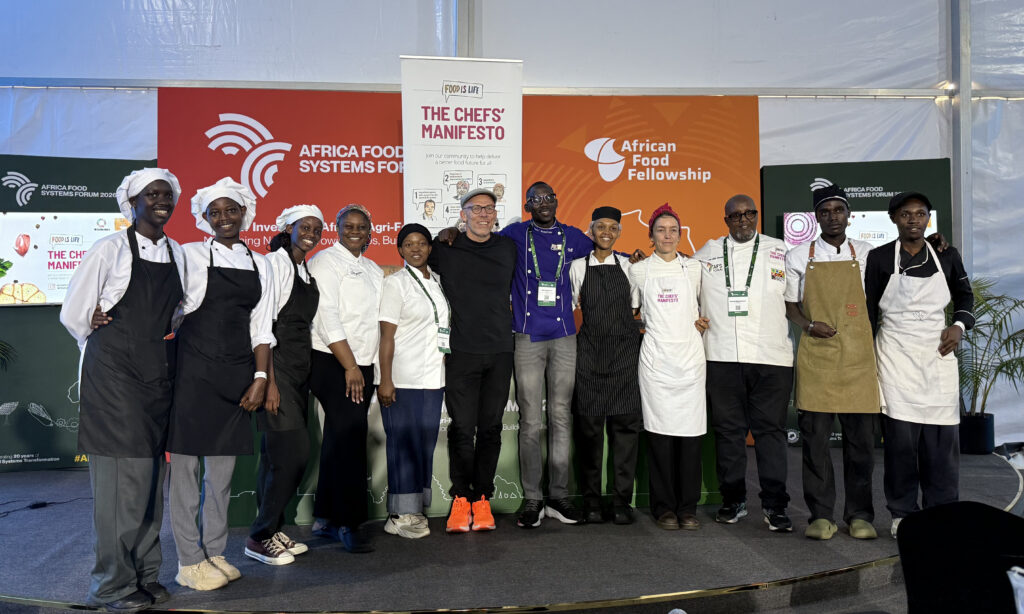
The Chefs’ Manifesto calls for action across the food system, and chefs around the world are responding – not only with innovation, but with responsibility. In their own words, three chefs reflect on what it means to adapt, to protect, and to lead in a time of climate uncertainty.
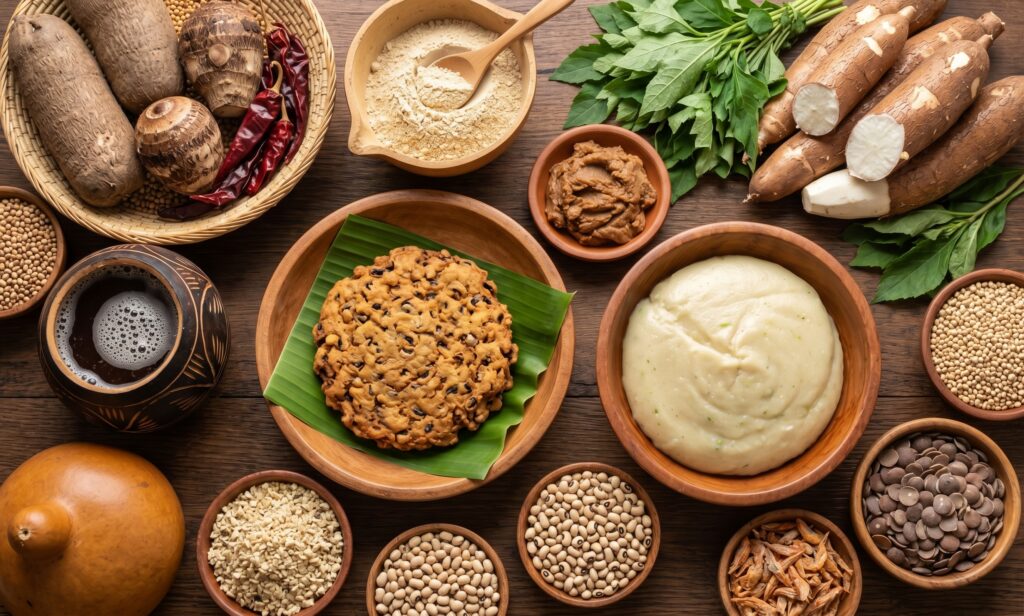
Chef Moyo Odunfa is a Lagos-based Nigerian chef and founder of The Atije Experience, renowned for elevating West African cuisine through fine dining, sustainability, and indigenous ingredients.
Chef Moyo highlights the vital role forests play in protecting our food systems, arguing that any meaningful conversation about food must begin with conservation. For her, forests are not merely a backdrop to culinary tradition — they are living ecosystems where animals thrive, and natural balances are maintained, connecting communities to their roots in ways that industrial food systems cannot replicate.
This extends to indigenous practices too often dismissed in the rush toward industrial scale. She is equally passionate about the power of foraging, pointing to ancient techniques still practised today as a gateway to ingredients that serve simultaneously as medicine, nutrition, and a source of strength. The consequences of ignoring this balance, she warns, are already visible in cities like Lagos.
For Chef Moyo, the chef’s responsibility is clear:
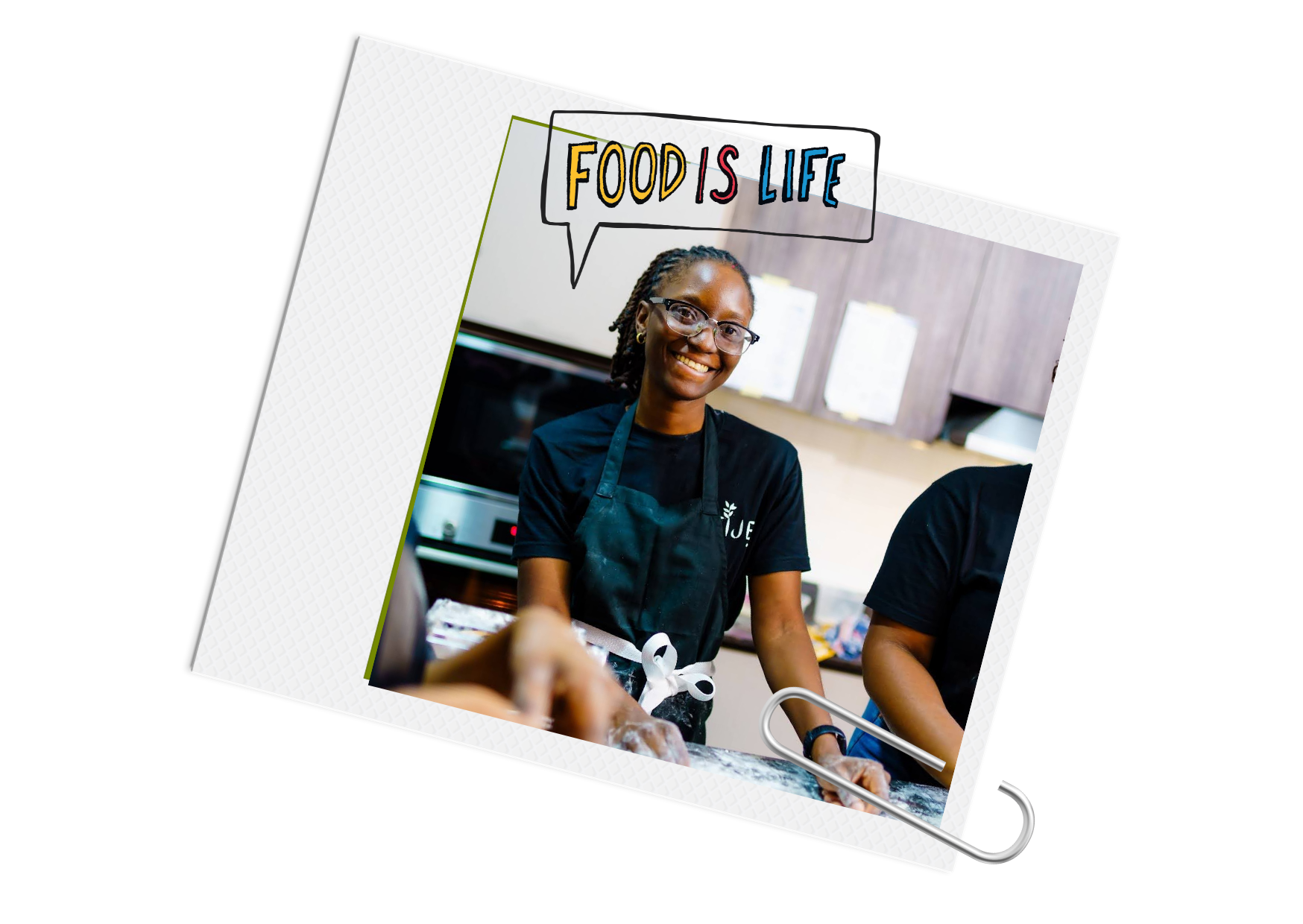
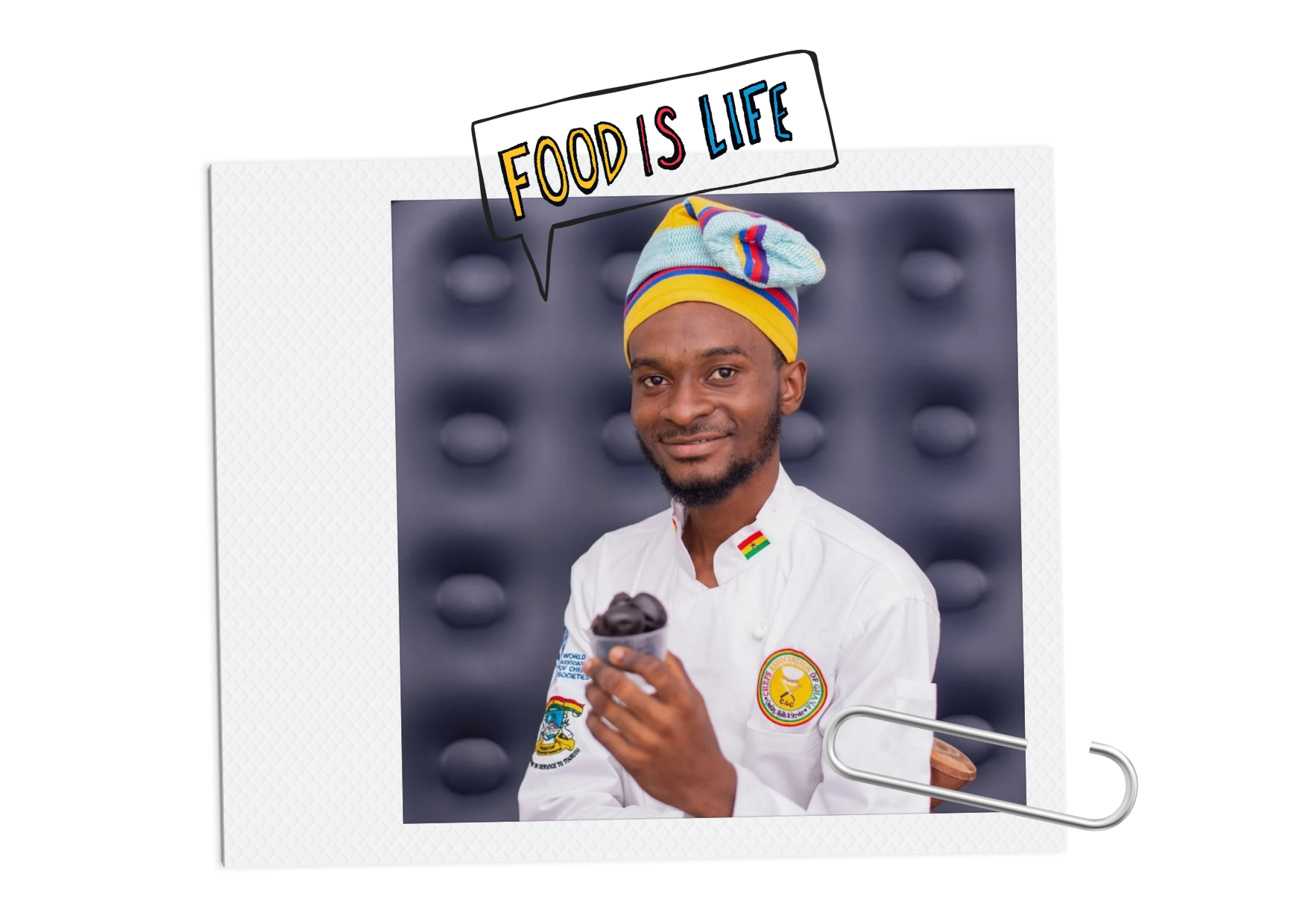
Chef Abiro Wisdom is a Ghanaian chef and culinary ambassador from Bolgatanga, northern Ghana, and a key figure in the Ghana Food Movement, dedicated to promoting local, sustainable cuisine and the indigenous ingredients of his homeland.
For Chef Abiro, the relationship between food and the earth is inseparable. Any imbalance between our food systems and the natural world, he argues, sends ripple effects across every living thing — animals, land, and climate alike. His answer to this challenge is rooted in seasonality and working with what the land produces at any given time.
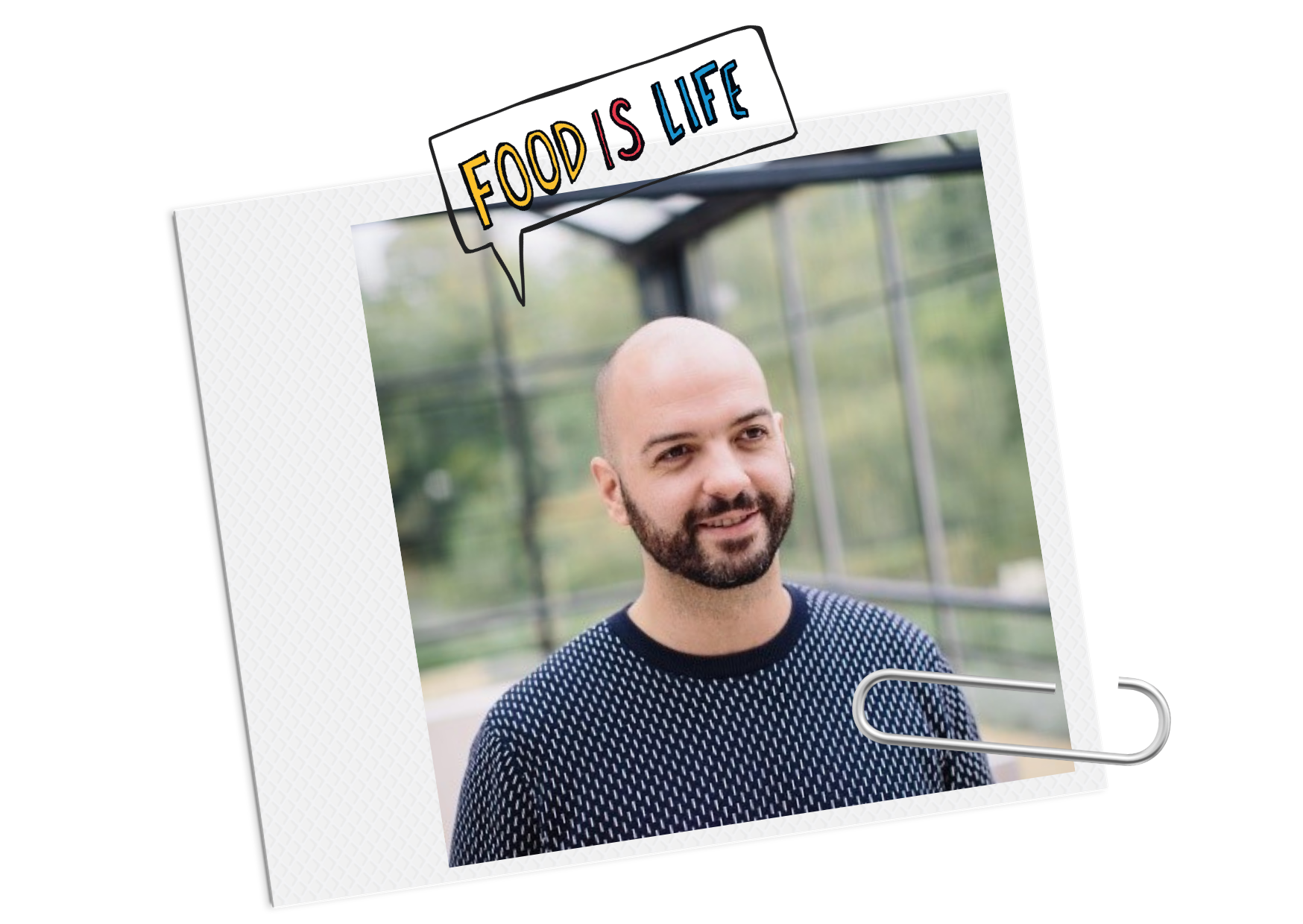
Chef Justin Horne is a British eco-chef, forager, food waste activist, and sustainability lecturer, dedicated to championing local, seasonal, and low-intervention food systems.
Chef Justin’s philosophy is rooted in a simple but powerful principle: Local sourcing and seasonal eating are not separate commitments — they are the same one. If an ingredient comes from nearby, it will naturally reflect what the land is producing right now. It is a simple principle, but one with far-reaching implications for building a more sustainable food system, starting from one’s own backyard.
Yet he is pragmatic about how that shift happens. A move toward plant-rich, low-impact eating does not need to be all-or-nothing. Reducing consumption, choosing local over imported, and opting for organic or low-intervention produce where possible are all meaningful steps — each one a way of supporting the kind of food system he believes in, without demanding perfection from the people within it.
Together, these voices highlight a shift in what it means to be a chef today. Adaptation is not a future challenge but a present necessity. And stewardship is not an abstract idea, but a daily practice shaped by choices and leadership in sourcing, cooking and serving.
Chefs have a unique power to influence not only what we eat, but how we think about food – its origins, the people who grow it, its value, and its future. By listening to those already leading the way, we are reminded that resilience is built collectively.
As chefs do their bit, diners must play their part as well. Choose local, eat seasonally and support businesses that prioritise people and the planet. If you are part of the food community, collaborate, share knowledge, and scale practices that restore rather than drain.
The question is not whether change is possible – but how quickly we are willing to embrace it to make good food for all a reality.