Be Enriched is a South London-based charity using food as a tool to build community, reduce inequality and create a more sustainable food system. Through our Community Canteens, Food Bus Project and Kids Clubs, we create welcoming spaces where people can access good food, connect with others and share skills.
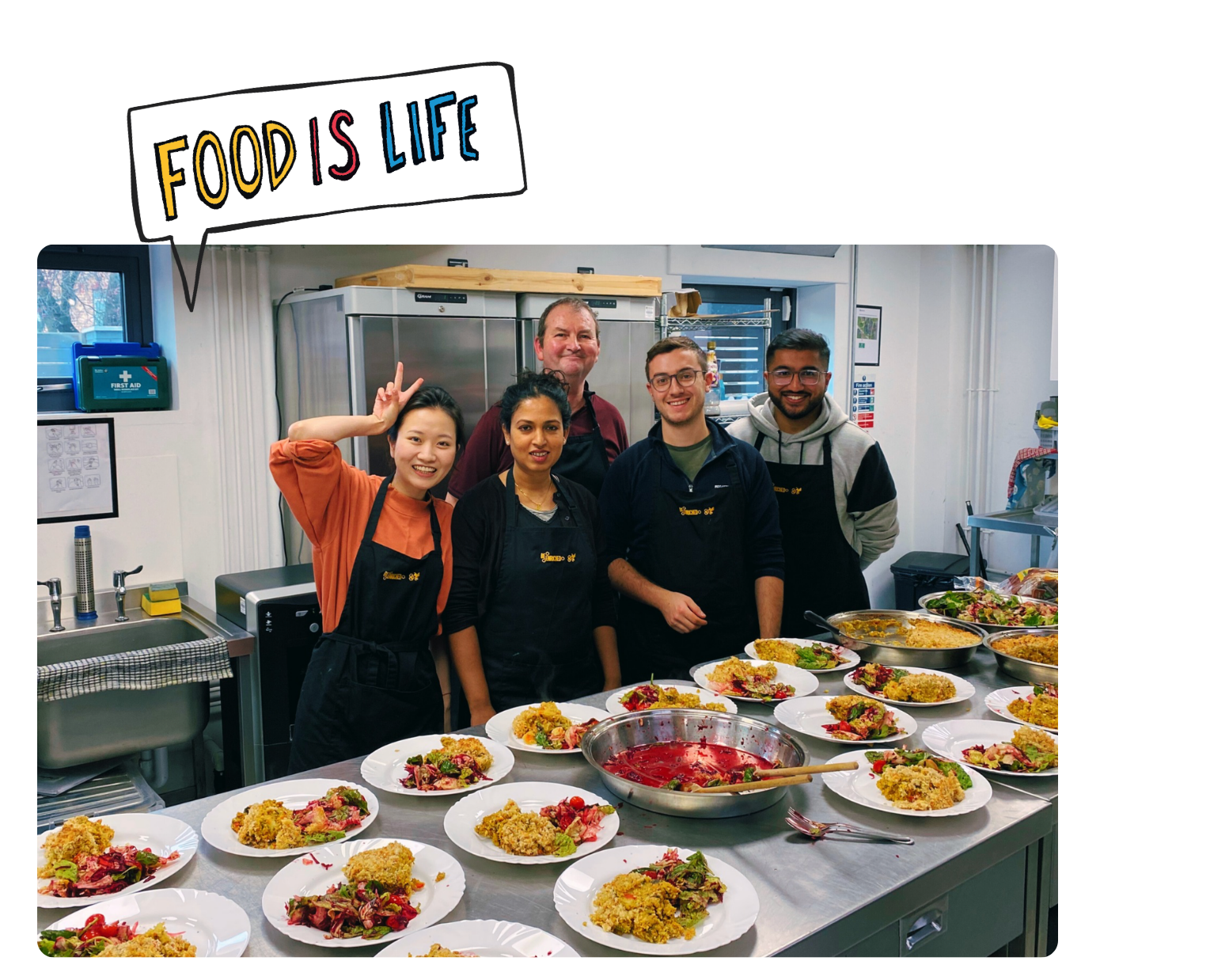
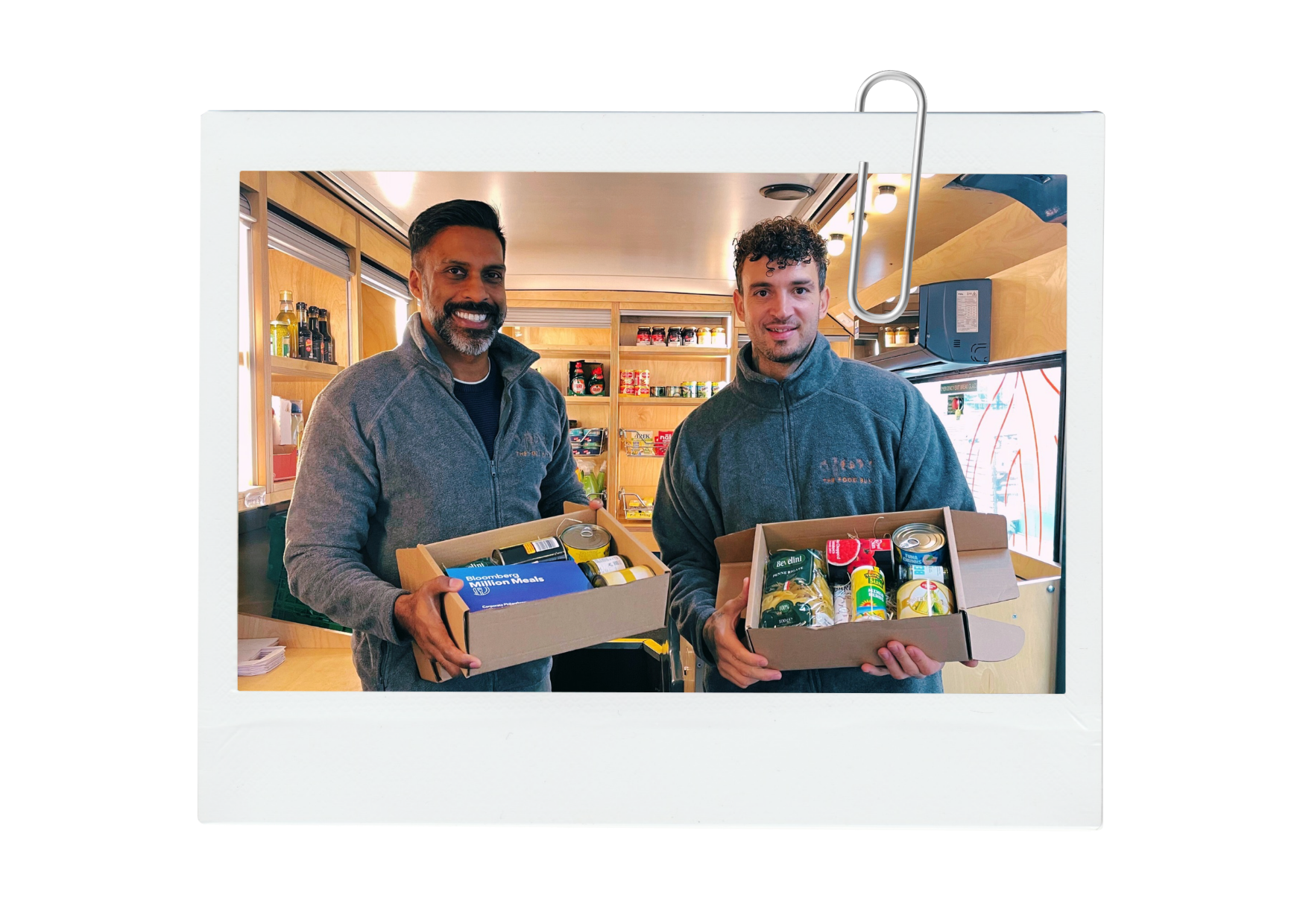
Our Community Canteens transform surplus food into nutritious three-course meals, cooked by volunteers and shared with the community. Alongside this, our Food Bus improves access to affordable fresh produce in areas with limited food provision, and our Kids Clubs ensure children have access to healthy meals and enriching activities during school holidays.
At the heart of our work is the belief that food is not just about nourishment, but about dignity, connection and community.
Reducing food waste is central to our work. We partner with local supermarkets, restaurants, greengrocers and markets to rescue surplus food that would otherwise go to landfill, transforming it into nutritious meals at our Community Canteens.
In 2025 alone, we diverted over 4 tonnes of food from waste and turned it into thousands of meals.
Our model demonstrates how surplus food can be a valuable resource when redistributed effectively, helping to reduce environmental impact while supporting communities.
How does Be Enriched promote social justice?
We work to reduce both food insecurity and social isolation, recognising that these issues are deeply interconnected. Our approach is rooted in dignity and inclusion, our canteens are open to everyone, removing stigma often associated with food aid.
By creating shared spaces where people eat together, rather than queuing for food, we challenge traditional models of charity and instead build community-led solutions. We also support people through access to affordable food, fuel vouchers and welcoming spaces, particularly during times of crisis such as the cost-of-living pressures.
Our work is about ensuring that everyone has access not just to food, but to connection, belonging and the opportunity to thrive.
Be Enriched focuses on “cultivating dignity” through food. In a world where food aid is often seen as a “handout,” how do your Community Canteens flip that narrative to empower people rather than just feed them?
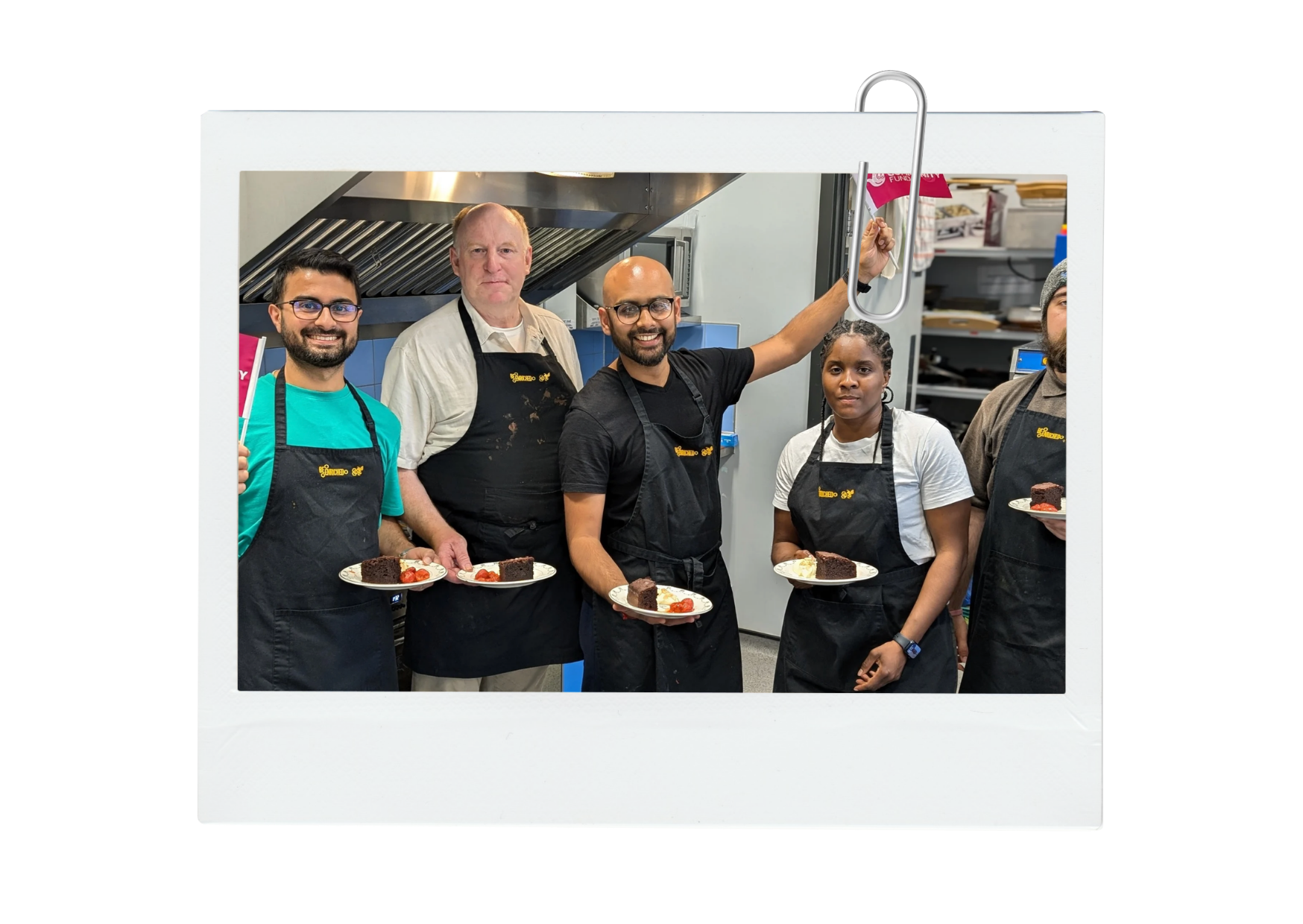
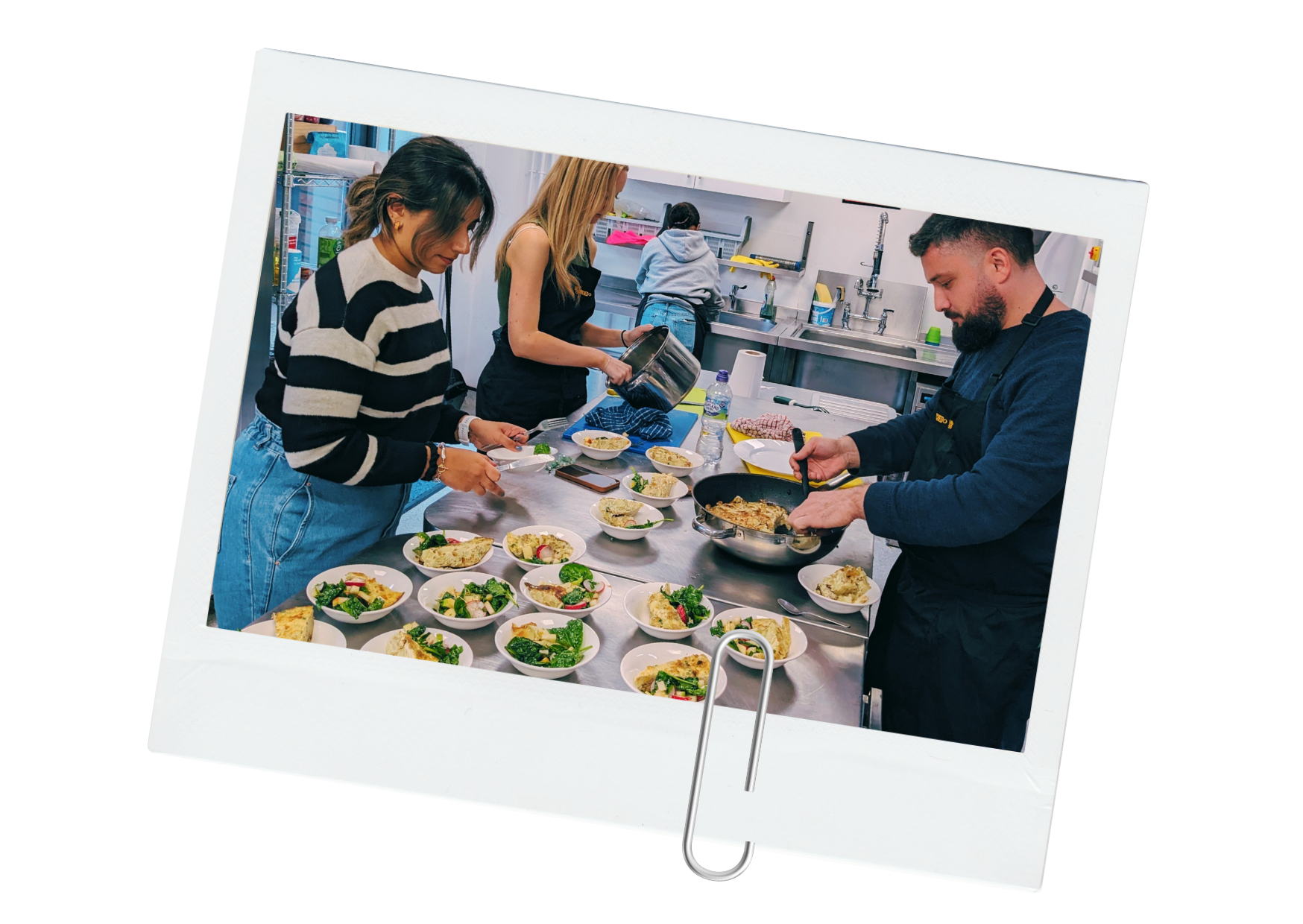
Our Community Canteens are designed as social spaces, not services. Guests sit together, share a three-course meal and are welcomed in the same way they would be in any restaurant environment.
There is no referral system, no eligibility criteria and no distinction between who is “giving” and who is “receiving.” Everyone contributes to the atmosphere, whether through conversation, volunteering, or simply showing up.
By focusing on hospitality, quality food and shared experience, we shift the narrative away from “handouts” and towards dignity, community and mutual respect. Mostly – our spaces cultivate joy. There is no ‘us and them’ we all cook together, we all sit together and we all eat together!
From your perspective on the ground in South London, what are the biggest challenges that prevent people from accessing healthy food?
From our perspective, the biggest challenges are affordability of food, affordability of energy and accessibility. Rising food and energy costs mean many households are having to make difficult choices, often choosing between eating or heating their homes. In addition, often emergency food aid doesn’t provide culturally appropriate food, further stigmatising those in need.
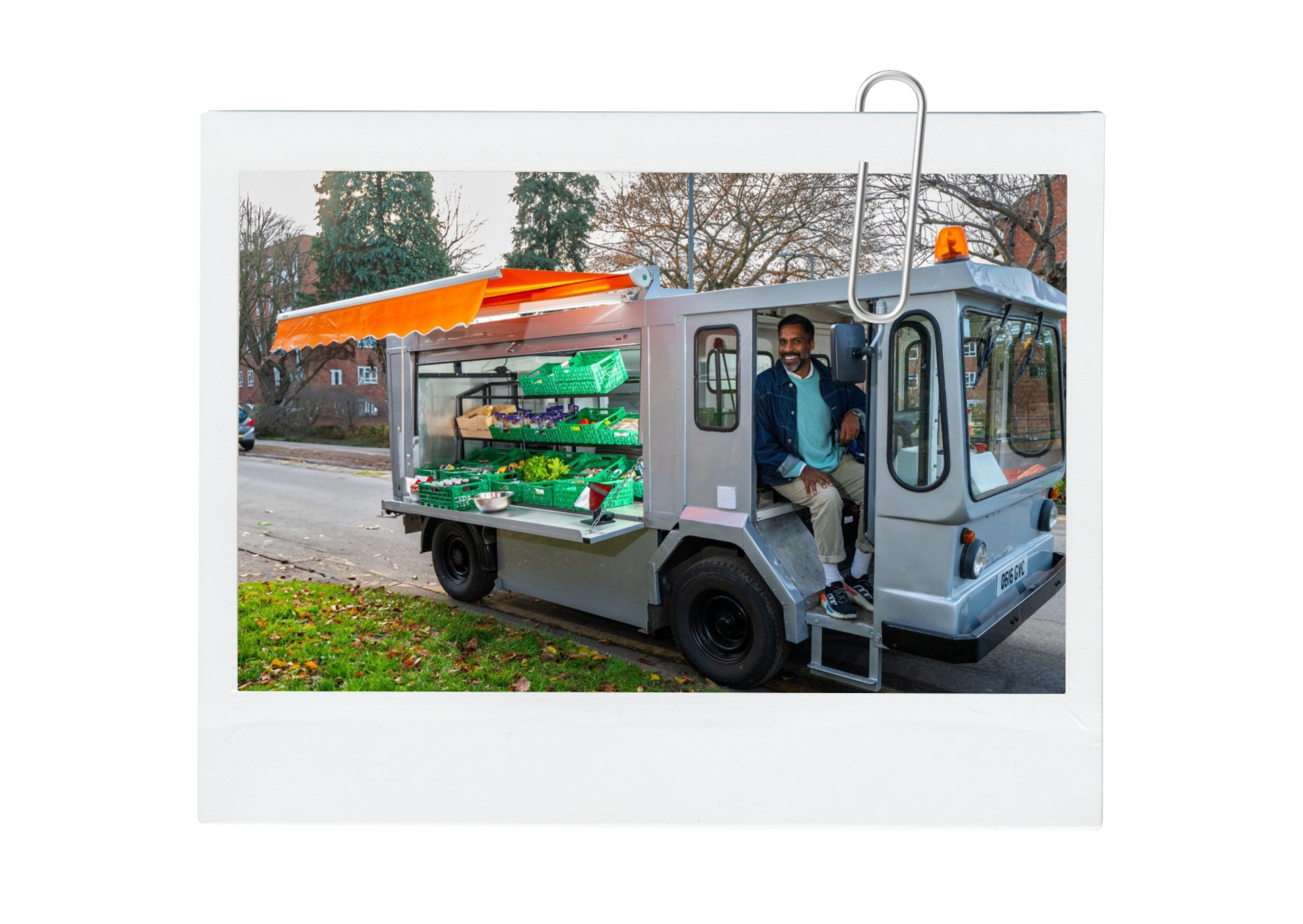
Our Food Bus Project makes sure people can access food, but most importantly food they want to eat and know how to cook. In some areas, there is also limited access to affordable fresh and affordable produce, which is why projects like our Food Bus are so important. It’s not that people ‘don’t know’ how to cook, or don’t want to – sometimes the parameters are just too difficult to manage.
Beyond physical access, social isolation also plays a role. For many people, especially older residents, barriers such as mobility, confidence or lack of connection can prevent them from accessing food.
These challenges highlight the need for community-based solutions that address the issues communities are facing now, but also build resilience for the issues that they may face in the future.
Chefs and the hospitality industry have a powerful role to play in shaping a more equitable food system.
They can support organisations like ours by sharing skills, volunteering time, donating surplus food responsibly, and using their platforms to advocate for change.
There is also an opportunity to rethink how surplus is used within the industry, moving towards models that prioritise redistribution and community benefit.
Most importantly, collaboration is key. By working alongside community organisations, chefs can help bridge the gap between industry and community, ensuring that good food reaches the people who need it most.
Keep up to date with us!
Read about our impact in 2025 here