Partner

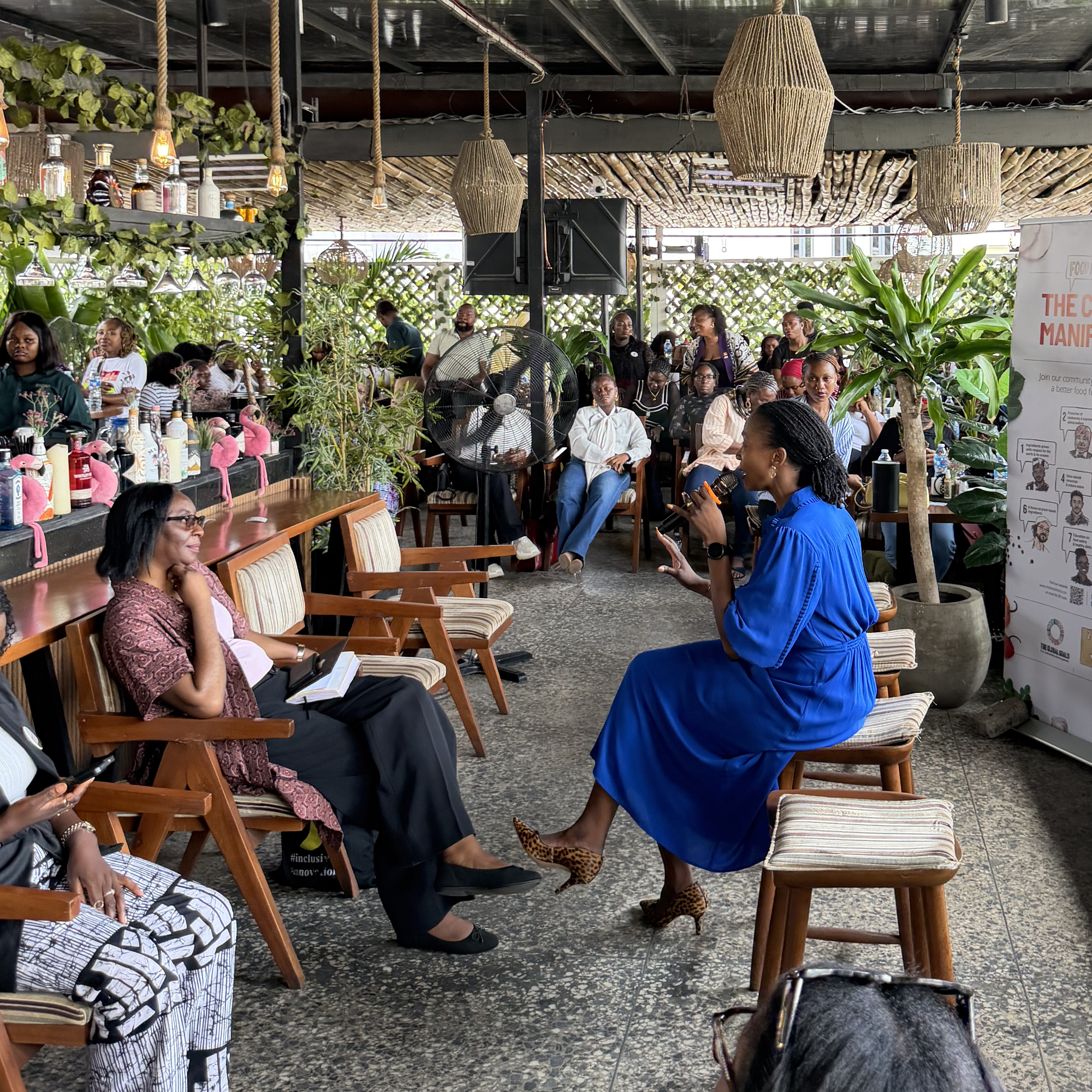
“It’s amazing what we can accomplish if we don’t care about who gets the credit,” declared Dr Ndidi Okonkwo Nwuneli, entrepreneur, author and founder of LEAP Africa and African Food Changemakers.
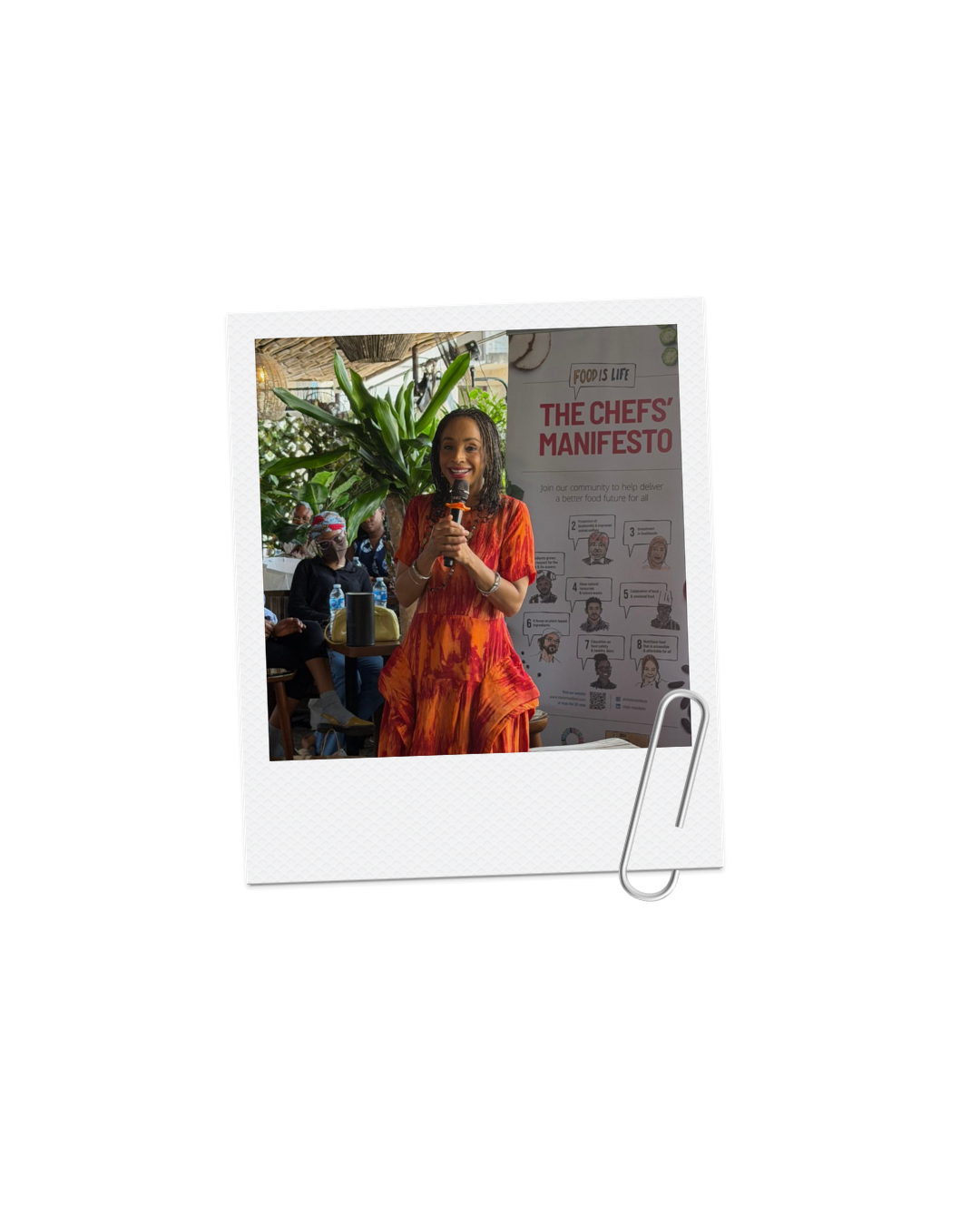
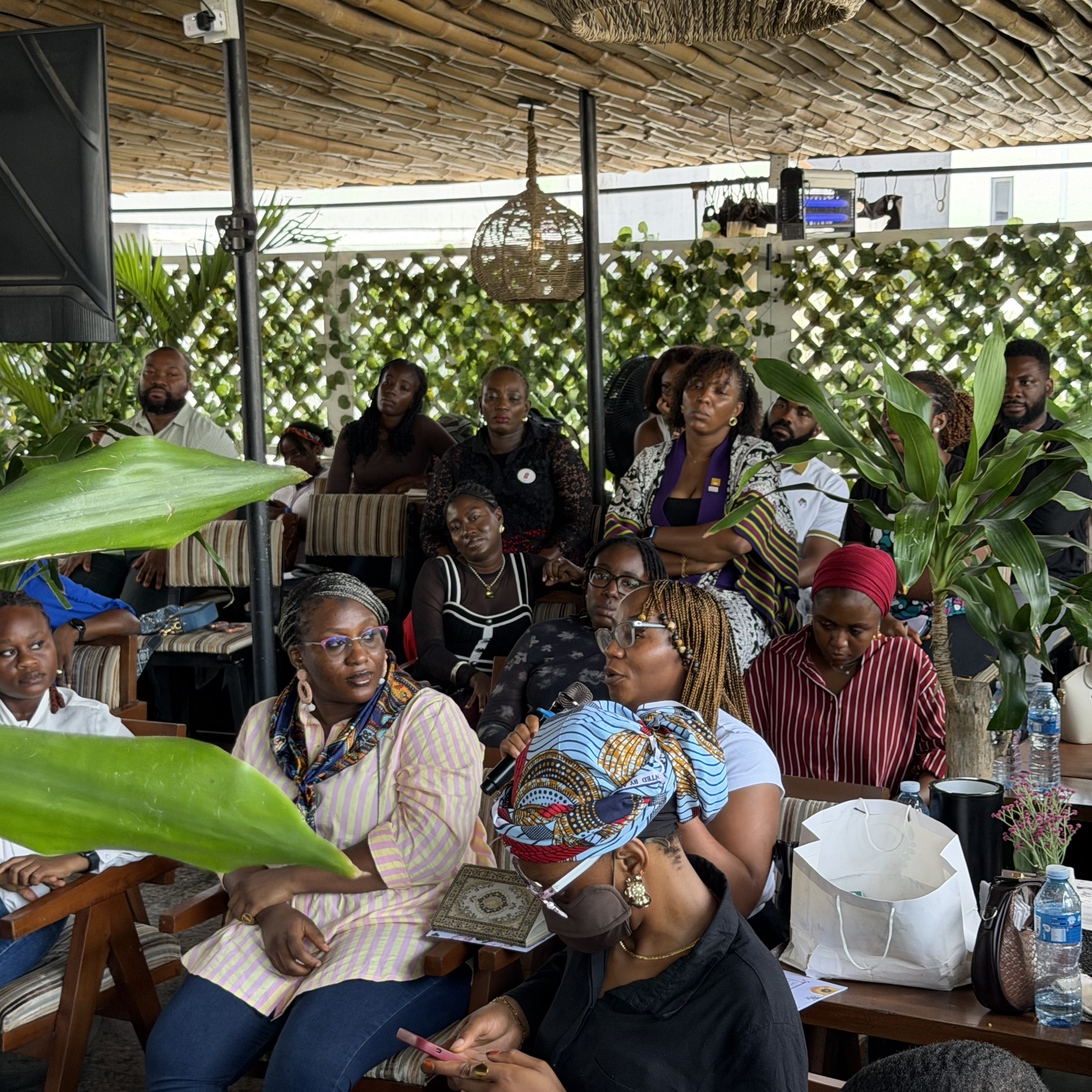
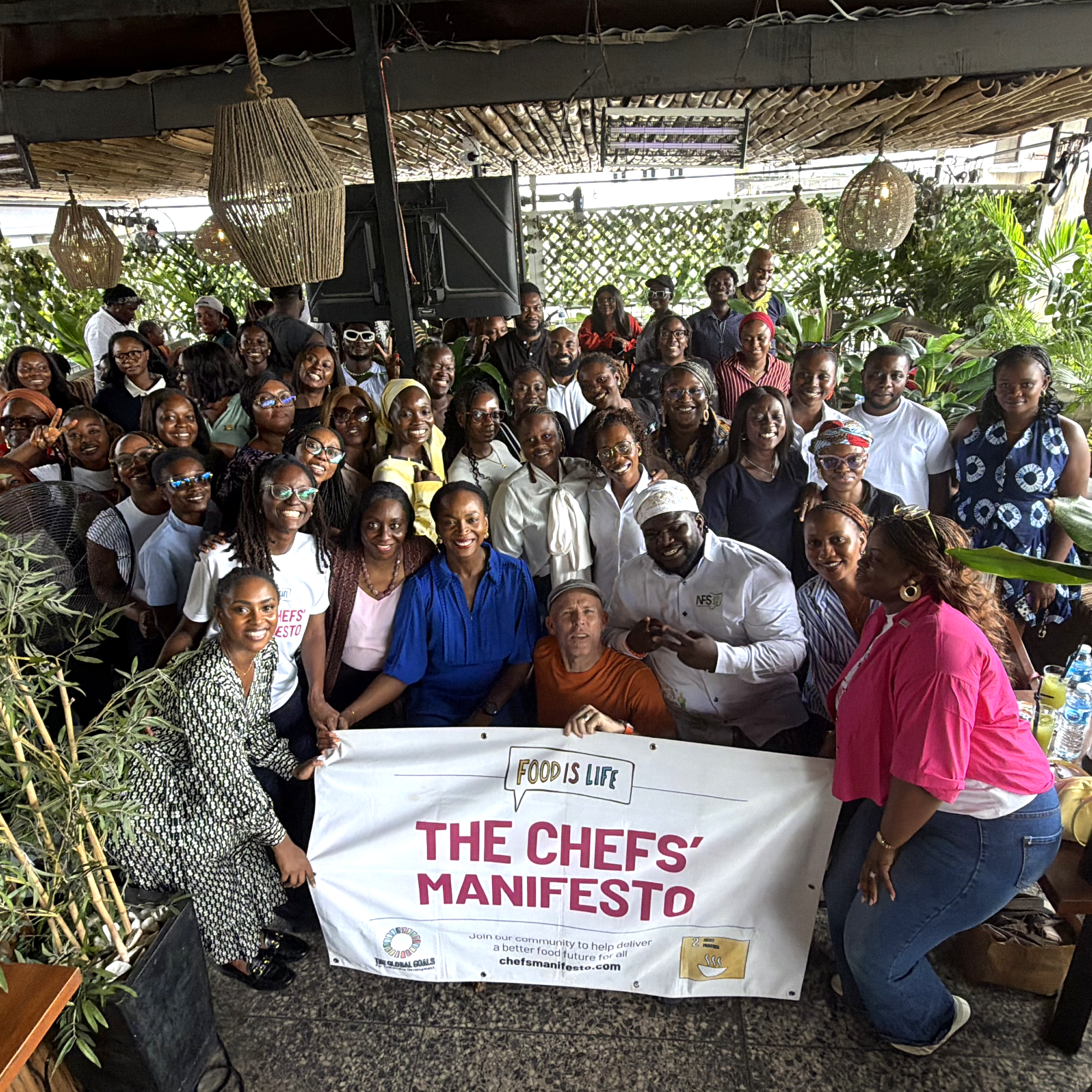
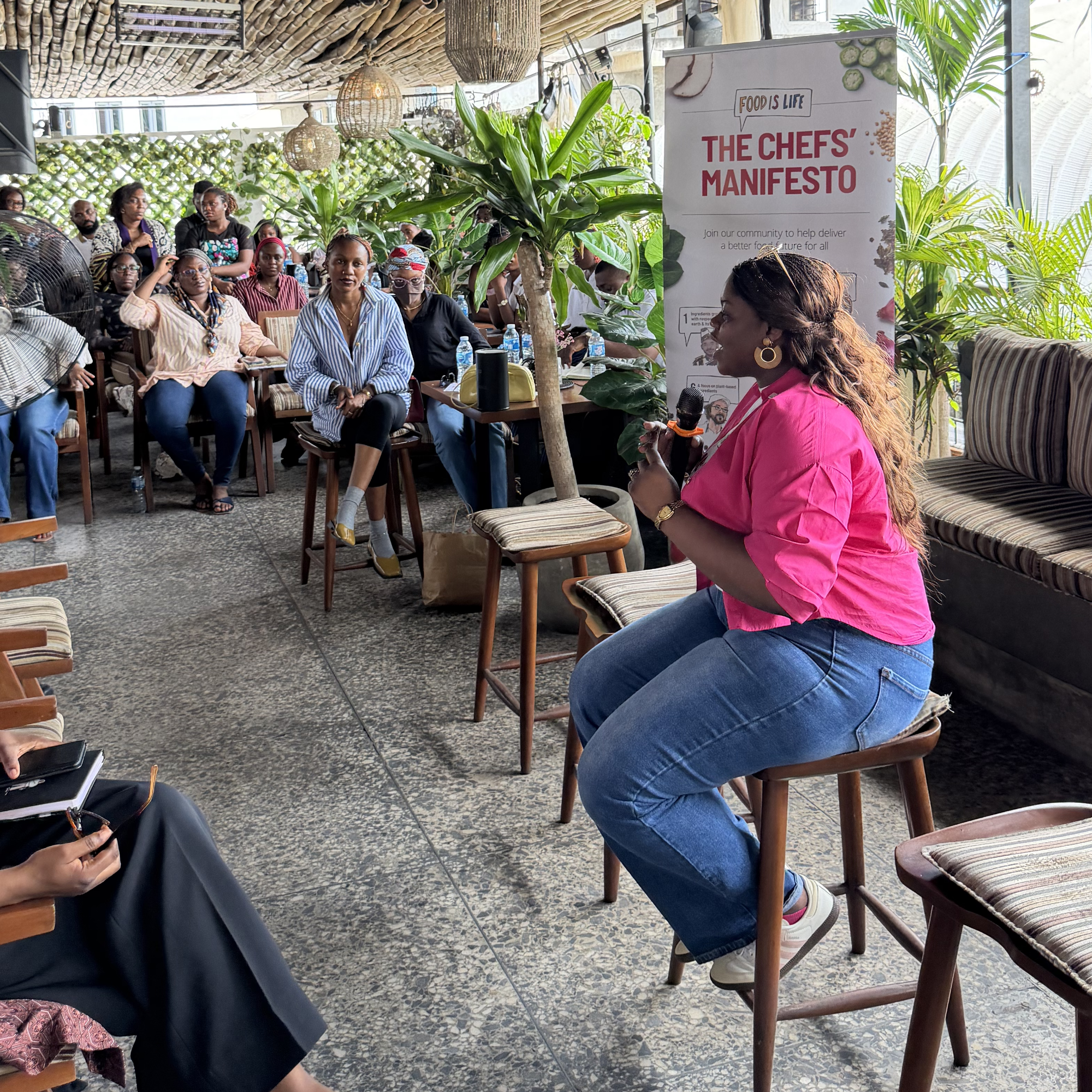
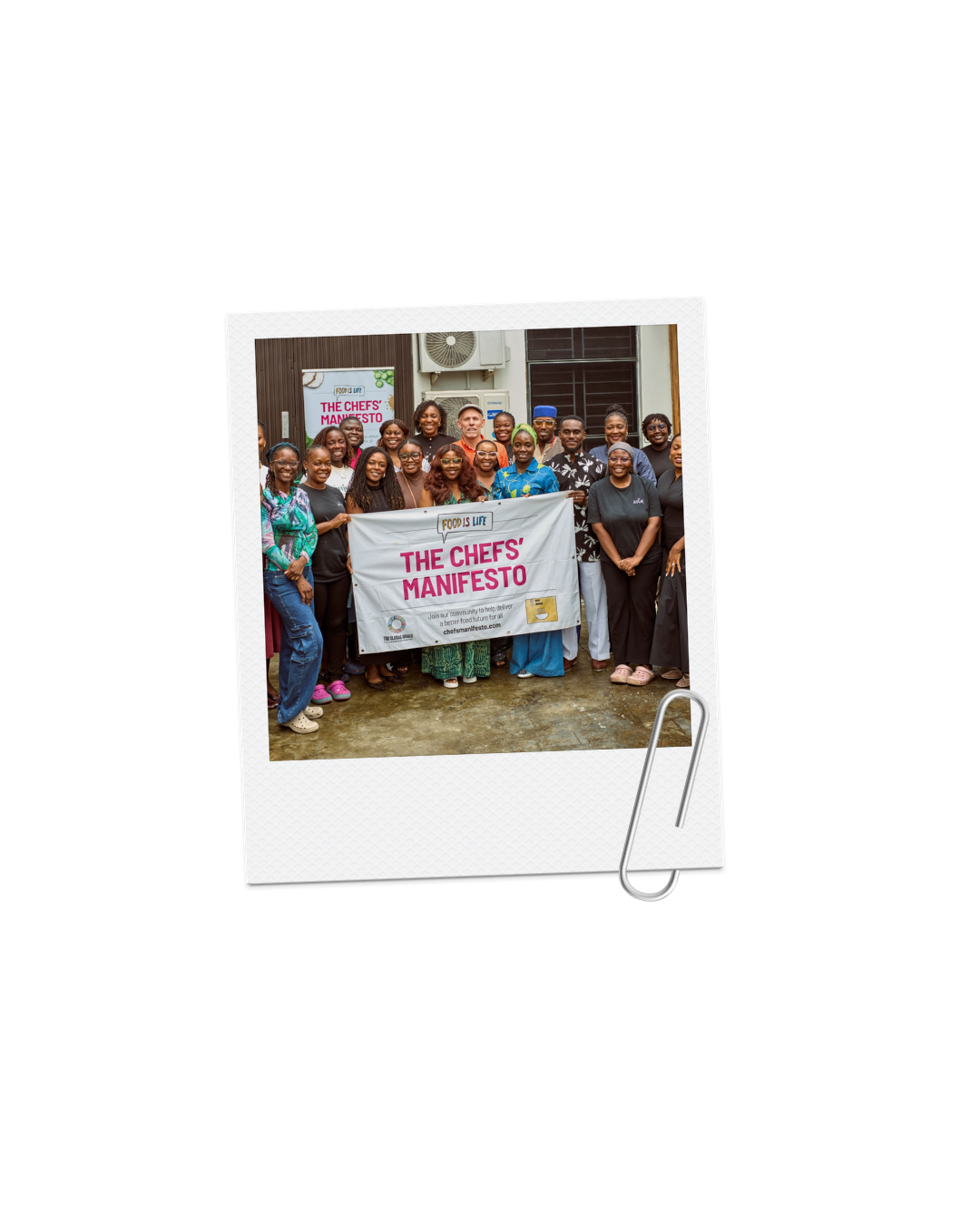
This opening statement at the Chefs’ Manifesto Nigeria Action Hub, set the tone for a powerful session, where chefs, producers, entrepreneurs and food champions gathered around one question: what would make the biggest positive impact on Nigeria’s food systems right now?
Nigeria grows a great deal of food, yet much of it never reaches a plate. UNEP’s Food Waste Index puts food waste in Nigerian households alone at around 24.8 million tonnes a year, the largest volume in sub-Saharan Africa, and that is before including what is lost between farm and market. Meanwhile, according to the 2026 edition of the SOFI Report, 80% of Nigerians cannot afford a healthy diet and 40% of children under five are stunted due to malnutrition. The correlation between food waste and malnutrition was not lost on many.
Across the country, a new generation of chefs and food champions is stepping up to change that story. In Lagos in early October, they put their ideas on the table.
Behind the paradox
The causes sit largely beyond the kitchen, in the wider food system. Gaps in infrastructure – from roads to reliable transport, power and storage – make it hard to get fresh produce to market before it spoils, a need producers were quick to underline. Prices swing so quickly that some businesses use QR codes to keep pace and access to market information remains limited, even as technology begins to help. Other challenges sit closer to the stove. Many cooks know how to season and serve a dish but fewer can explain the nutritional value a plate truly provides and the sector still needs more professionally trained talent.
Change will not happen by itself. It takes a community willing to push the market to move and the conversations over the two days kept coming back to the same question: what can chefs do to help solve some of these challenges and shape a better future for Nigerians over the next ten years ?
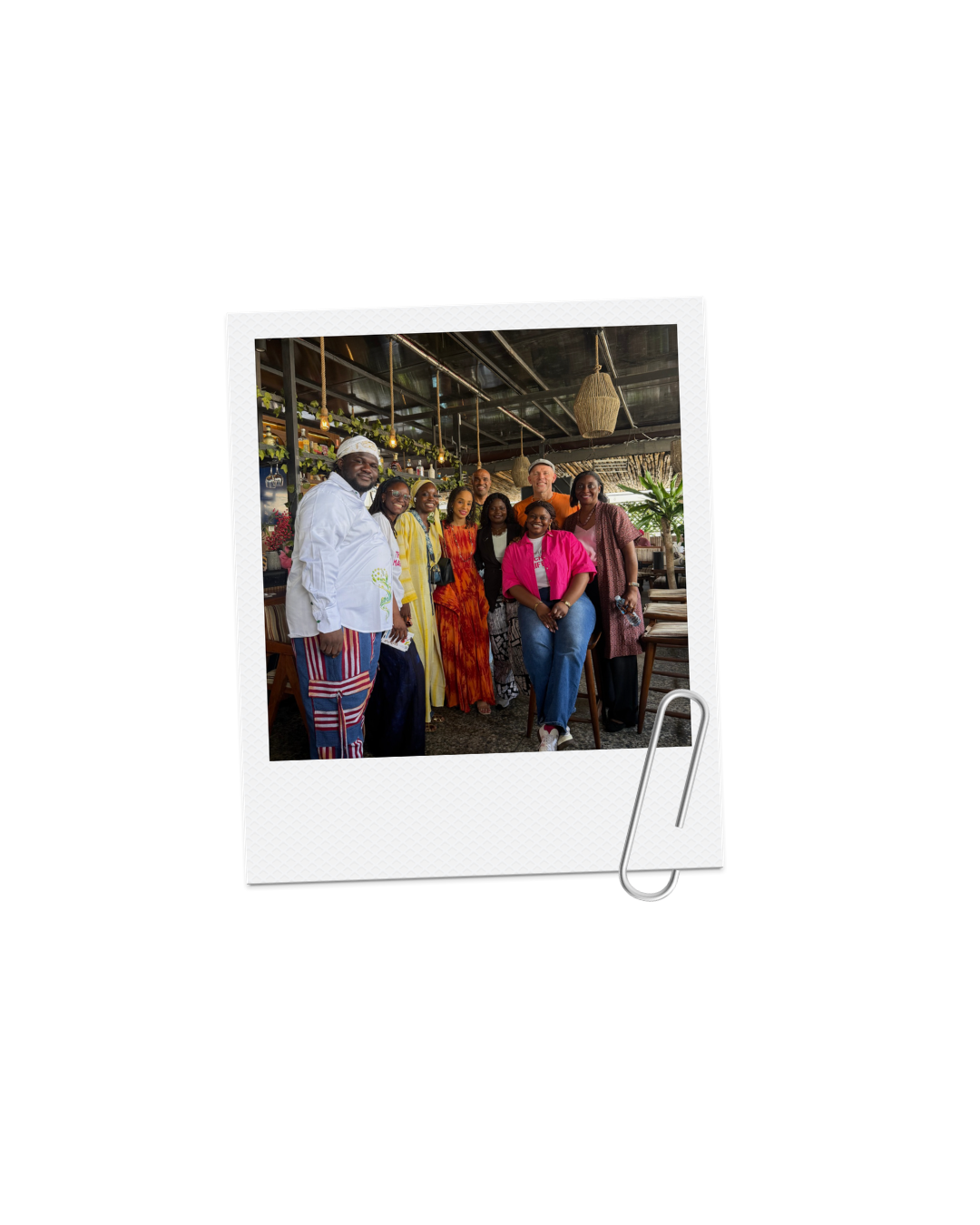
Nigerian Chefs are leading the change
Chefs sit at the crossroads of farm, market and table. Their menus influence the crops farmers plant, the products markets stock and the flavours diners learn to love. Lagos’ culinary scene is putting that influence to work and the energy over the two days was hard to miss. Dynamic, connected and committed, the community shares a clear ambition: to show that Nigerian food is far more than jollof rice. Chefs spoke of a revolution under way, led by a new generation that starts from what the soil offers, draws on ingredients from the country’s many regions, cooks with pride in the history and culture behind each dish and backs younger chefs to find their footing.
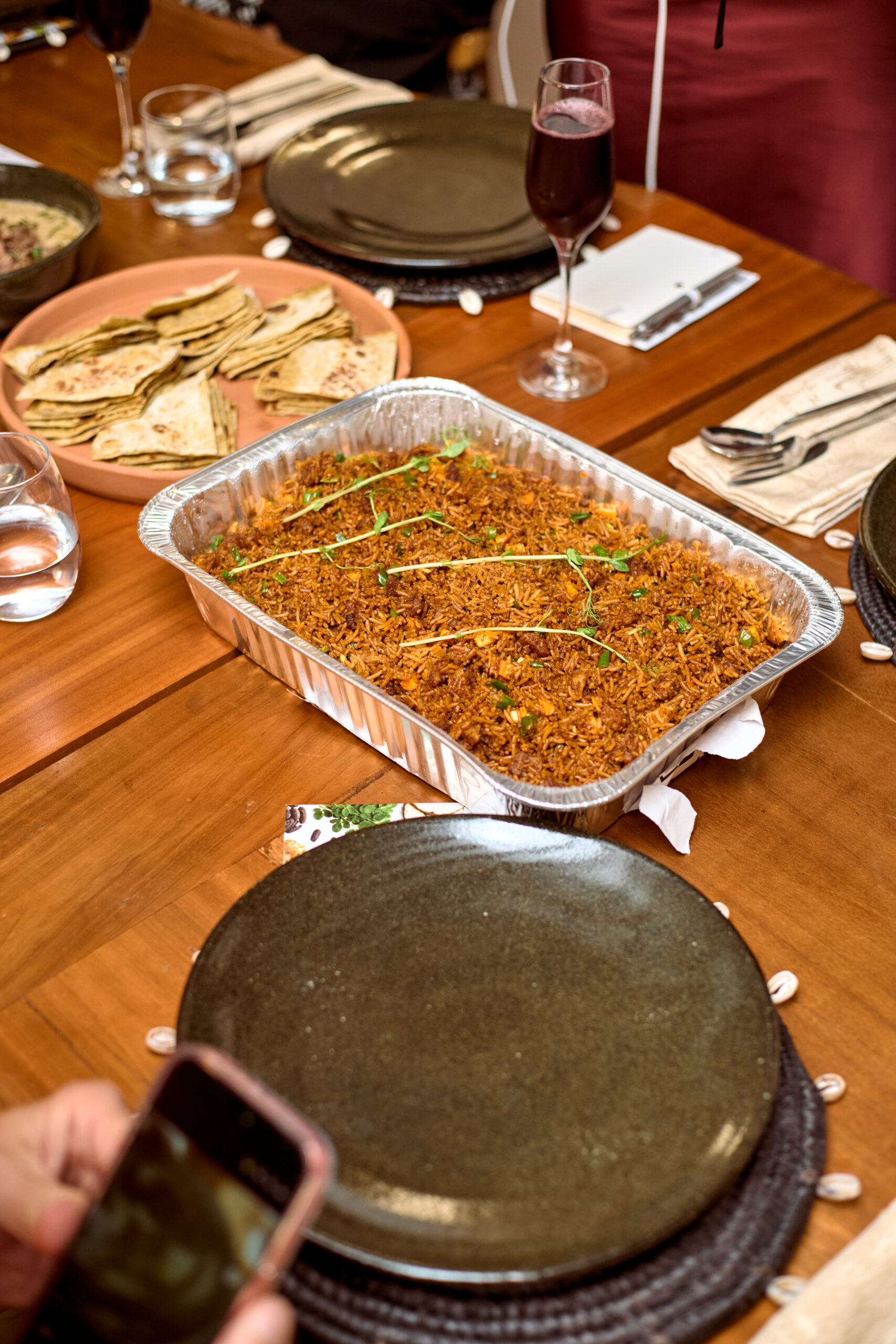
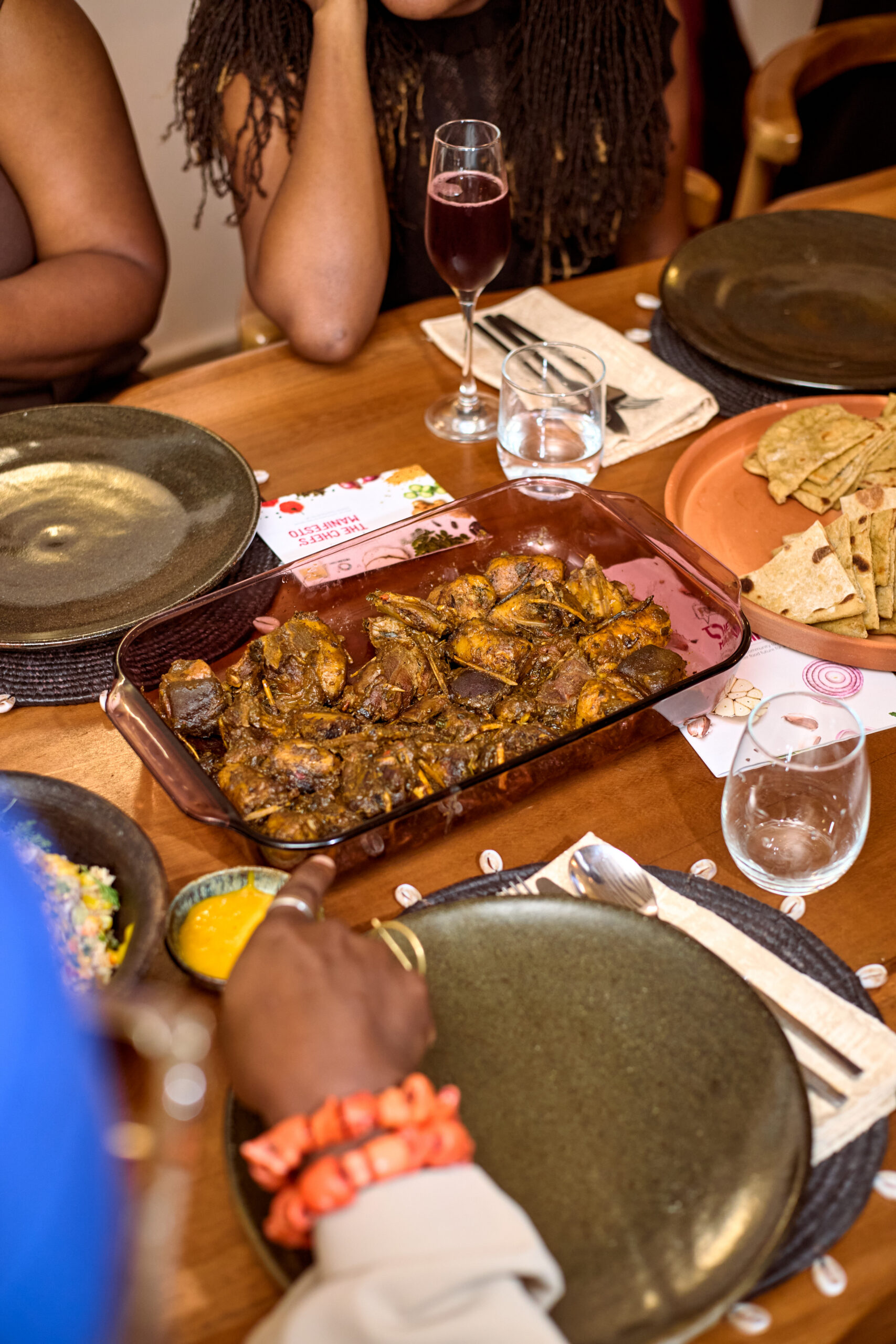
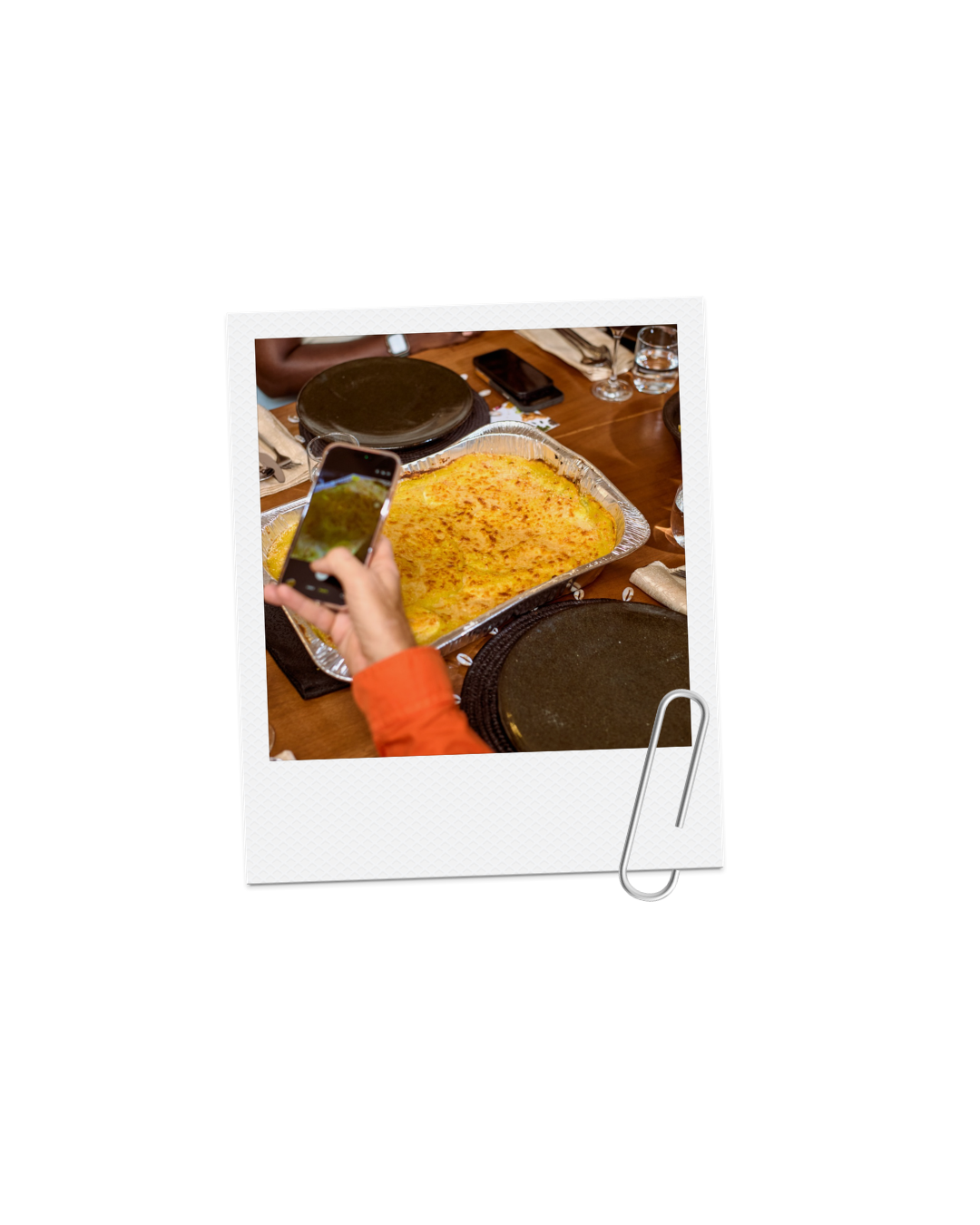
Creativity takes many forms. Some chefs cook Mexican dishes with Nigerian ingredients, others reimagine jollof itself as a fusion dish meant to settle the West African “jollof wars”, and local brands are turning heritage ingredients into mustards, vinaigrettes and spice rubs ready for any kitchen. At the table, the spotlight stayed firmly on local produce. Scent leaves, bambara, fonio, coco yam and finger millet are all a market stall away and what we tasted showed how far they can go, in dishes such as fonio salad, plantain bread, bambara bean hummus, ukang ukom (goat meat and plantain), egusi soup and a hibiscus and coconut tart.
The chefs themselves were clear about what it takes to keep this momentum going: know the producers behind every ingredient, pay kitchen teams well enough to invest in their own livelihoods and make preservation part of the culture. Each commitment answers part of the problem: closer ties with producers shorten the road from farm to plate, fair pay helps keep trained talent in the kitchen and preservation keeps surplus from spoiling. Road and air logistics may be out of a kitchen’s hands, but drying, fermenting and pickling are not, and Nigeria’s culinary traditions already hold the know-how.
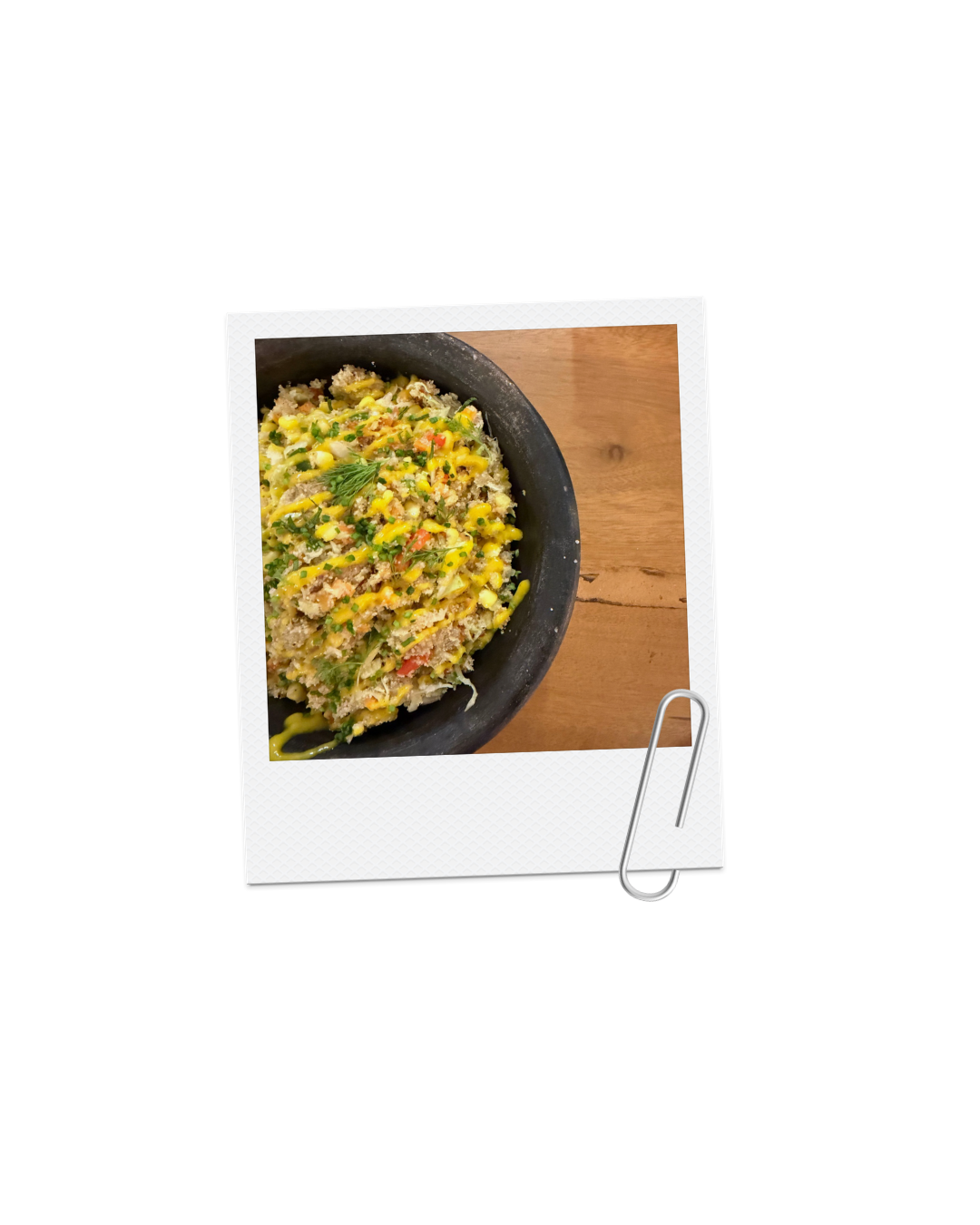

Stronger together
One message ran through every conversation: nobody transforms a food system alone. Farmers, processors, chefs and entrepreneurs each hold a piece of the puzzle. Chefs also deserve a seat in the rooms where food policy is shaped and a space of their own to decompress, because a demanding industry takes its toll. Meanwhile, efforts scatter when everyone tries to be their own champion instead of rallying behind a shared mission.
Here is one way it could take shape. What if chefs across Nigeria chose a single ingredient and promoted it at the same time, turning individual menus into a collective movement? Fonio, already gaining ground, could be a first candidate and paired with food and drinks that people already love, beer for instance, it might find the accelerator it needs. Learning, acting and tracking progress along the way would turn good intentions into lasting change. The next ten years of Nigeria’s food story may well begin with what chefs choose to cook today.