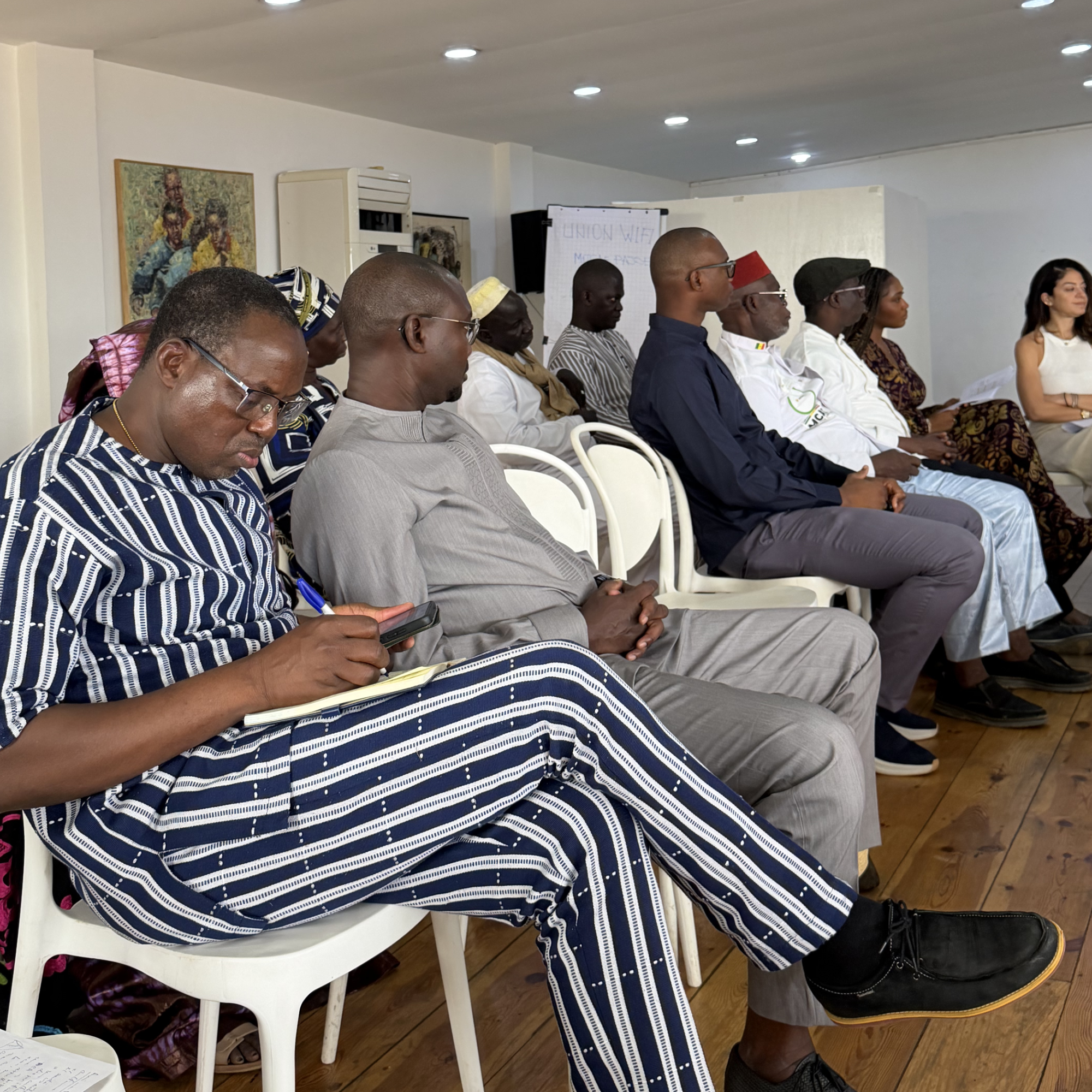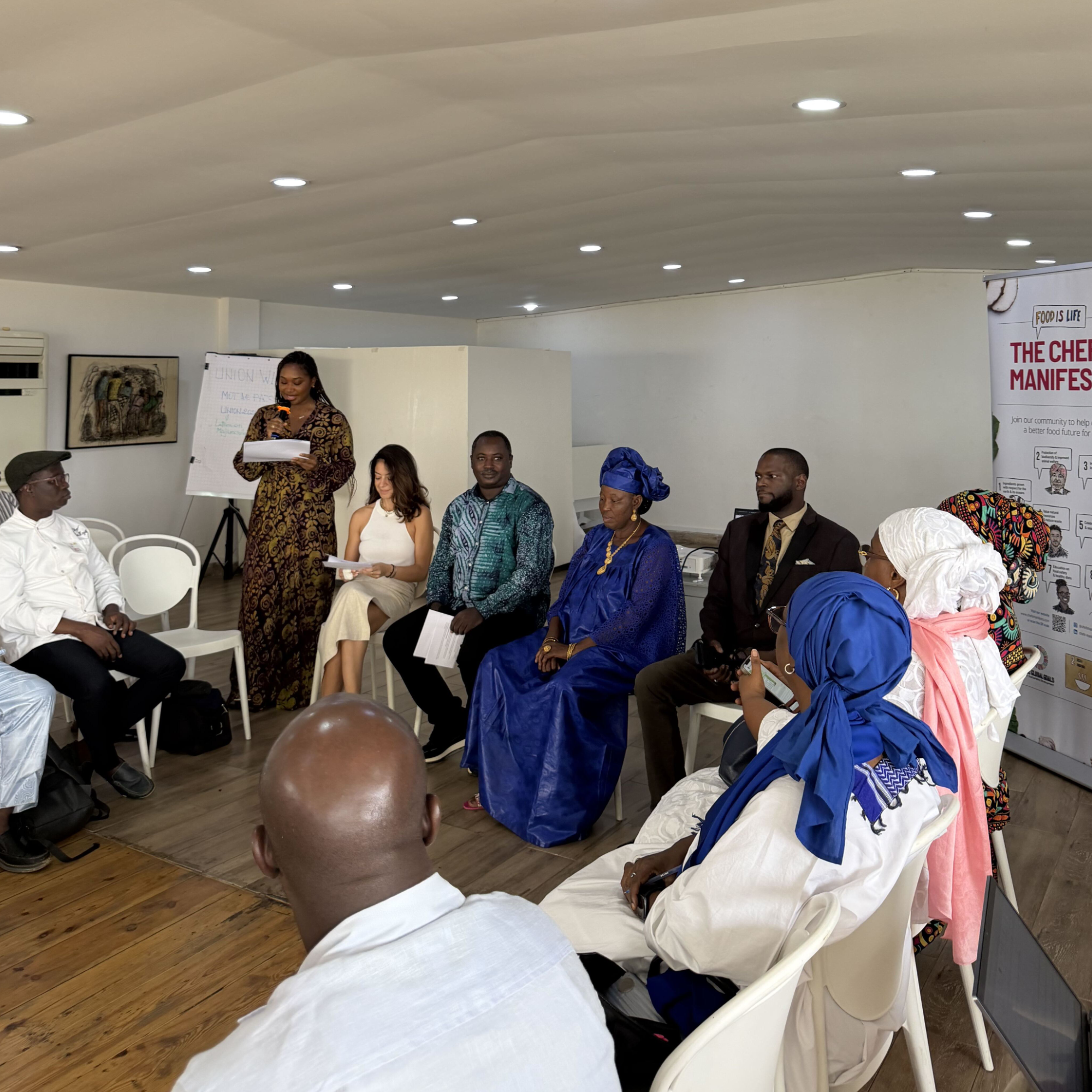

Ask Senegalese grandparents what they ate growing up and many will answer millet, fonio or sorghum. Ask their grandchildren what they ate this week and rice will probably win. That gap was the starting point of a morning in Dakar, where chefs, producers, processors and researchers looked for ways to close it.
How did we get here? For decades, export crops such as groundnuts and cotton took centre stage in the fields, while imported rice, much of it from Asia, found its way onto more and more plates. Families adapted, and millet, fonio and sorghum came to be seen as foods of the past. Yet they still have so much going for them: they withstand drought, support a varied and nutritious diet and provide a livelihood to the people who grow them.
So how do you bring a forgotten crop back?
Rebuilding the whole chain
It takes more than praise to bring fonio back to people’s plates, said DyTAES, Senegal’s agroecology movement. A crop returns when a farmer grows it, someone processes it, a market sells it and a consumer wants it. Miss one link in the chain, and the whole chain wobbles.
Fonio is a case in point. Once a staple in eastern Senegal, it was slowly abandoned by the women who grew it because the work was simply too gruelling. With the support of SOS SAHEL, they organised into groups and identified solutions together, among them mechanisation and service centres that bring everything a producer needs into one place.
No link can stand or move alone. Farmers will not grow more without buyers and industry will not invest without a reliable supply. Wheat shows the same interdependence. Senegal imported 838,000 tonnes of it in 2023. Sunu Blé S.A., which works with local cereals, turned its attention to local wheat after its founder’s family bakery closed in 2020, when Covid-19 disrupted flour supplies. It now works with research institutes on varieties suited to Senegal and trains women processors, producers and bakers to use local cereals.
Chefs have the power to make local food desirable
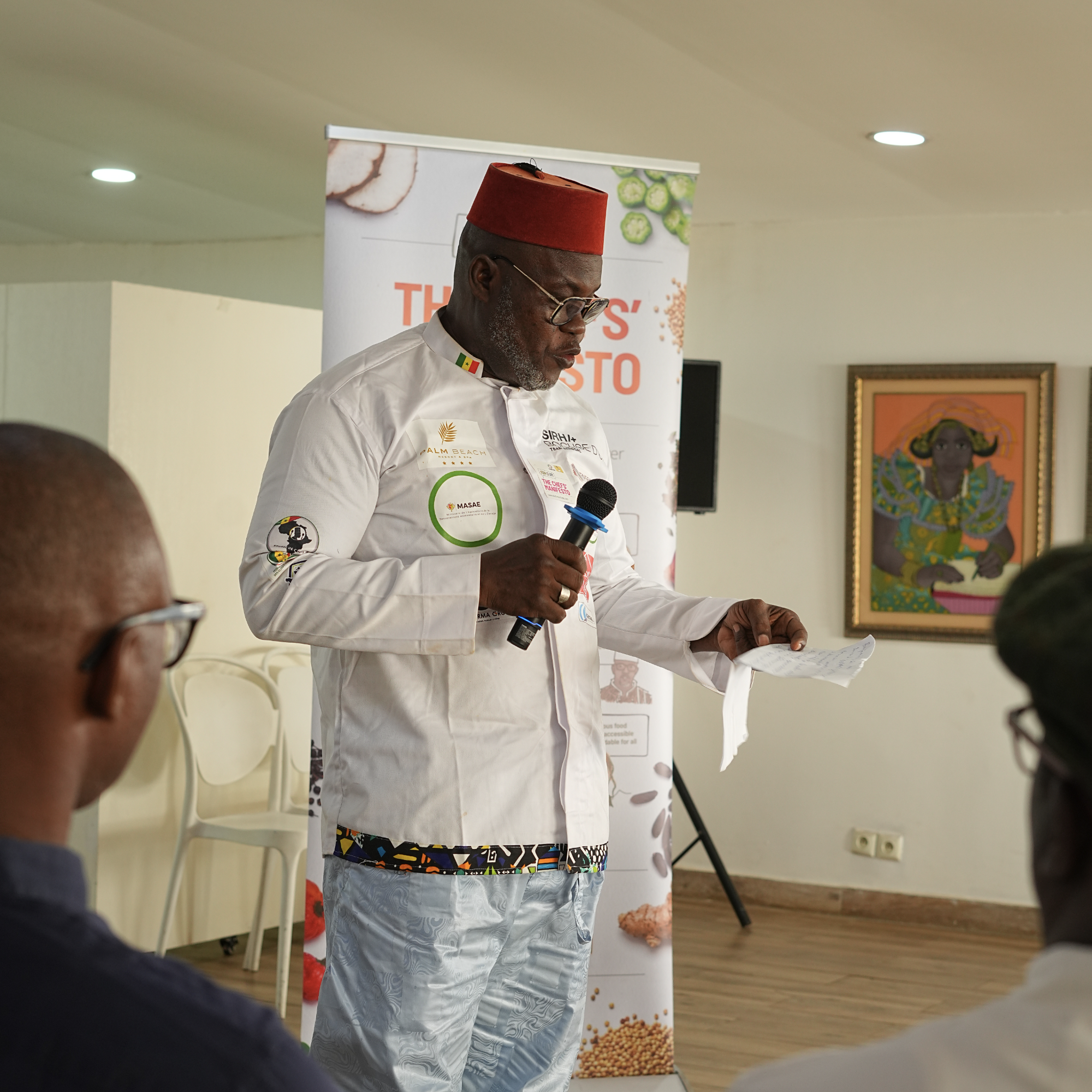
This is where chefs can play a critical role. Between the market and the consumer, they decide what ends up on the plate and what people learn to want. They have this knowledge. Some spoke of the moment they became passionate about local ingredients and of the pleasure of passing that passion on to their students, the new hands who will carry it forward. Yet local products still have an image problem. They rarely wet the appetite, while imported ones look modern and prestigious, and even cooks often reach for rice and pasta out of habit.
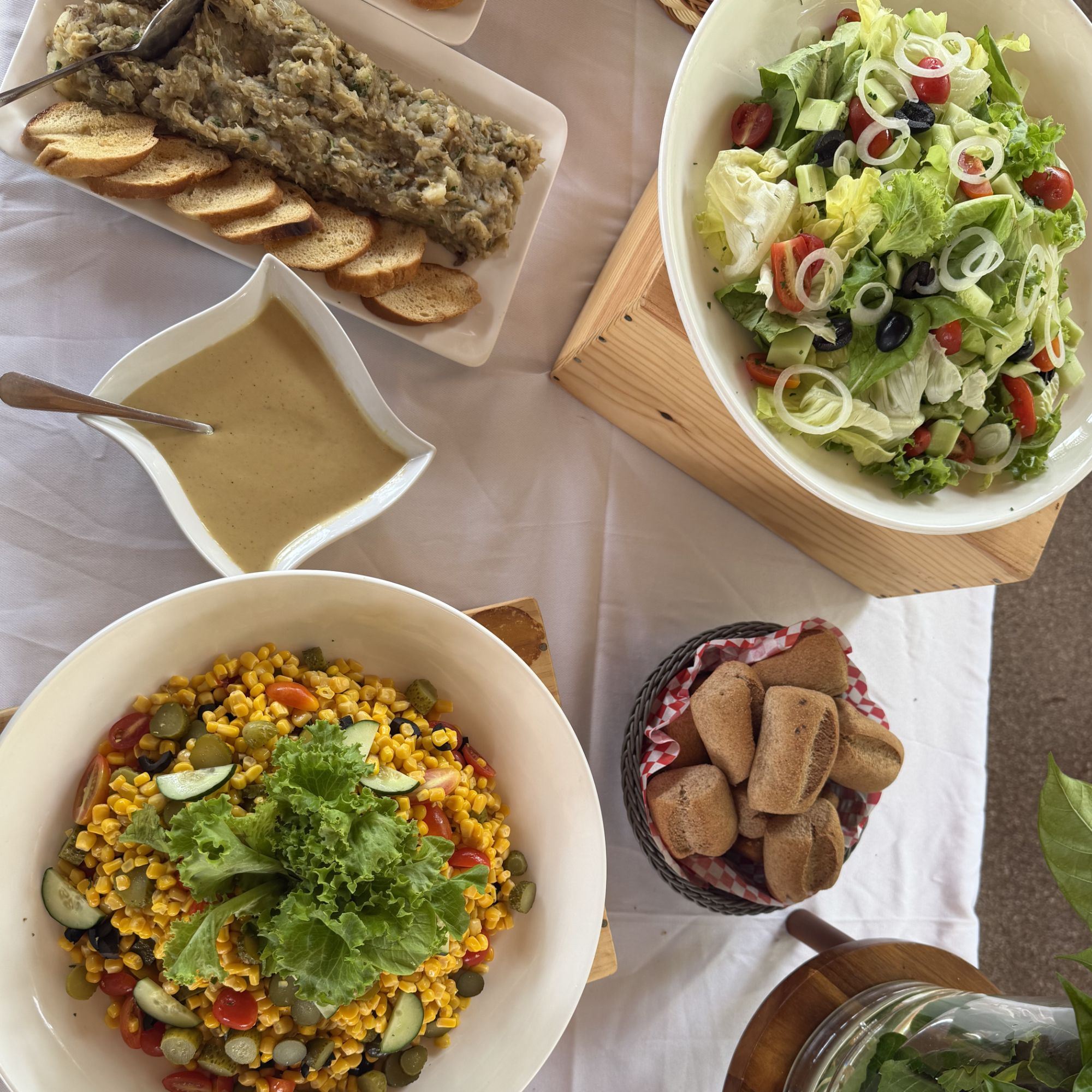
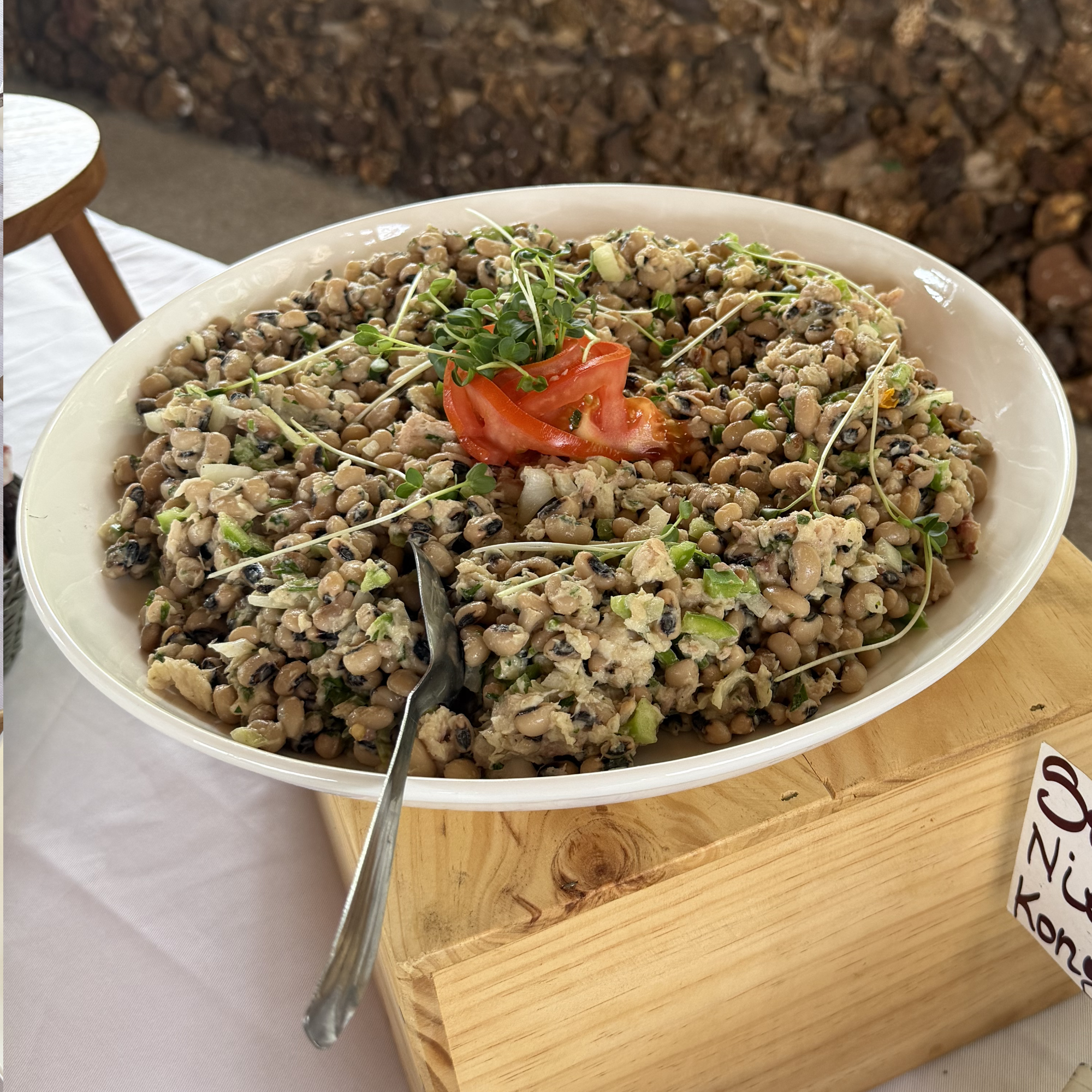
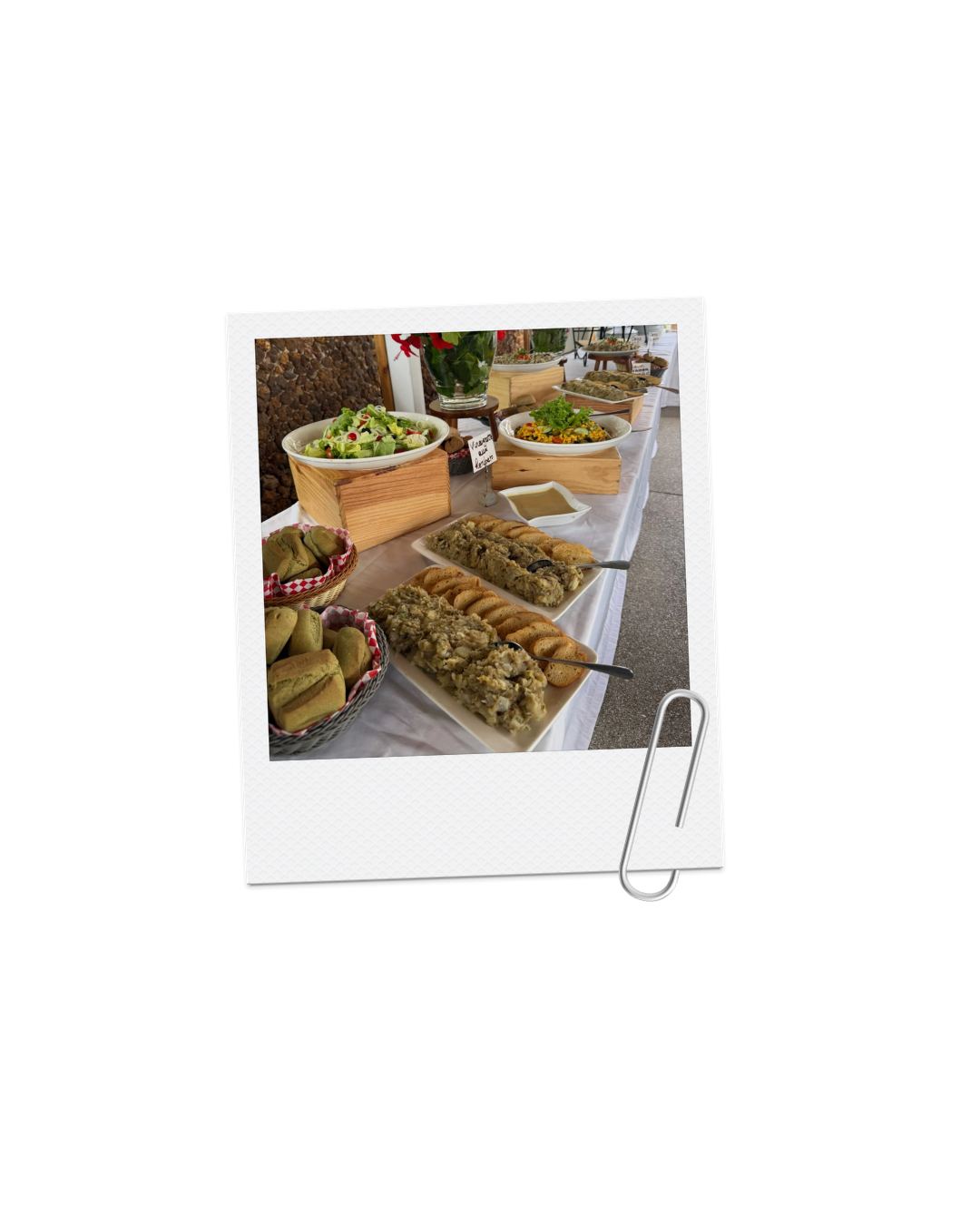
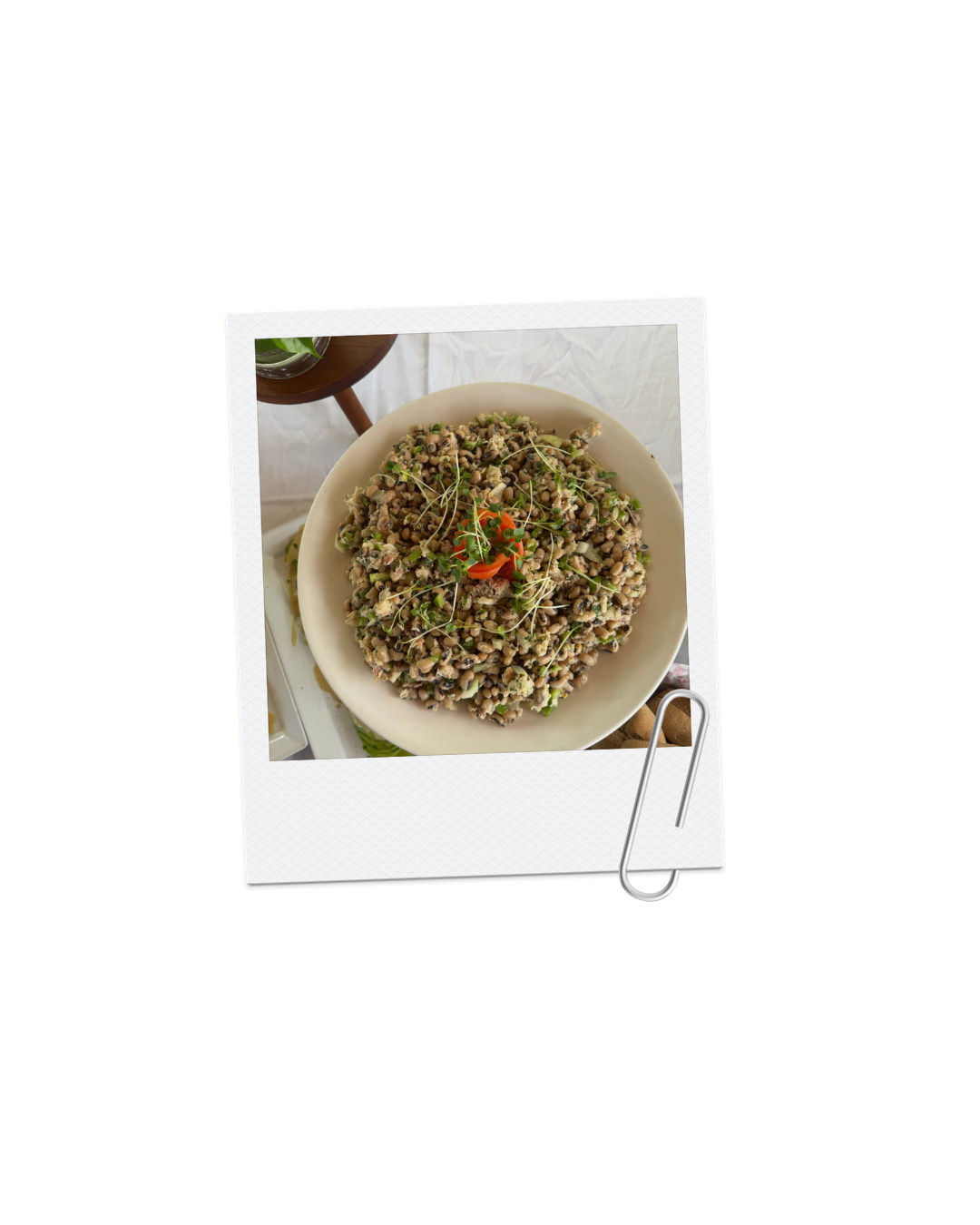
What was served that day told a different story: cowpea salad, aubergine caviar with cassava and sweet potato, fonio yassa chicken, sankhal jen (broken millet with fish), millet and corn cake and thiakry (steamed millet couscous with sweetened yoghurt), all washed down with juices of baobab, hibiscus and ginger. Local ingredients can be as inventive and appetising as anything imported, and they deserve to be showcased that way. “We need to put our local foods in evening wear, give them their light back, make them beautiful!” declared researcher Salimata Wade.

The ideas came thick and fast. It starts at school, where introducing children to local crops early and serving them in school canteens builds habits that last into adulthood. Hotels and restaurants have a role too, by giving Senegalese ingredients a place on their menus. Traditional dishes can act as ambassadors, as long as their recipes are clearly defined: a ngourbane, for example, is always made with broken millet, which keeps the grain on the plate. Beyond the kitchen, culinary influencers can make these products attractive, and the Youth Olympic Games offer a chance to put Senegalese cuisine in the spotlight. Prices matter just as much because a product only becomes a habit if people can afford it.
Connections that can last
Rarely do a women’s cooperative, a miller, a researcher and a chef share the same table. Making that happen and letting conversations spark from there is what the Action Hub is for. That is why it was built with partners rooted in the field: SOS SAHEL, which works alongside producers, and the Fédération Nationale des Cuisiniers du Sénégal (FENACS), which unites the country’s chefs.
The groundwork for what comes next is already there. A research centre has compiled a directory of 500 foods eaten in Senegal, with their nutritional values, a goldmine for any chef who wants to cook local with confidence. The first step needs no committee: choose a local ingredient, put it on the menu, find the farmer who grows it and tell its story to diners.


As Aminata Diouf of SOS SAHEL told those gathered: “Our grandparents handed these crops down to us. Now it is up to new hands to keep them alive.”