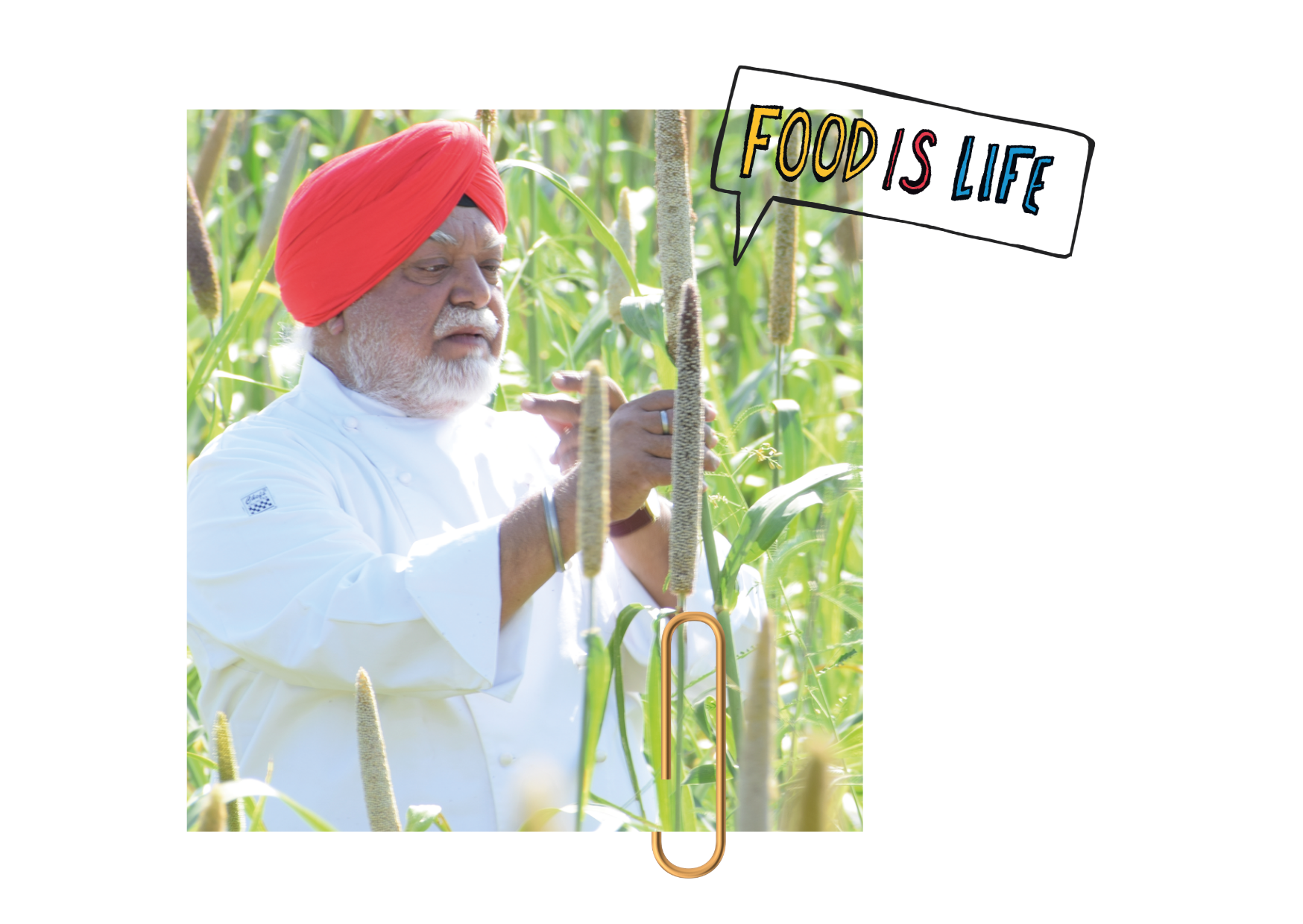
Water is not merely an ingredient in our kitchens — it is the foundation of all food systems. Under SDG2: Zero Hunger, we speak of nutrition, sustainability, farmer livelihoods, and resilience. Yet none of these is possible without water security.
Across the world, billions still lack safe water and sanitation. In many communities, women and girls carry the burden — walking long distances, sacrificing time, health, and opportunity. As chefs, we may not carry water on our heads, but we influence how water is valued, measured, conserved, and respected in our kitchens every single day.
In India, traditional culinary wisdom has always been water-conscious. Ayurveda teaches us that water is prana — life energy. It must be respected, measured, and used with awareness. Waste is not only environmental loss; it is ethical loss.
On this World Water Day, I reaffirm that chefs are custodians of water — through technique, menu design, and training.
Water-Smart Technique: The Case of Tehari
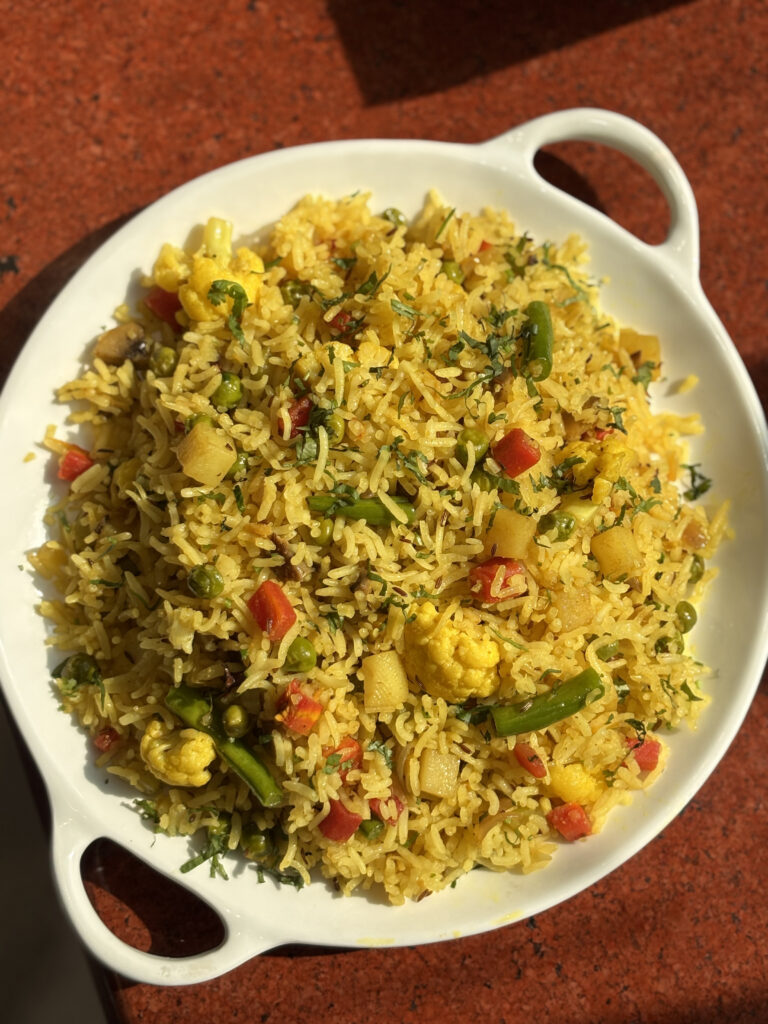
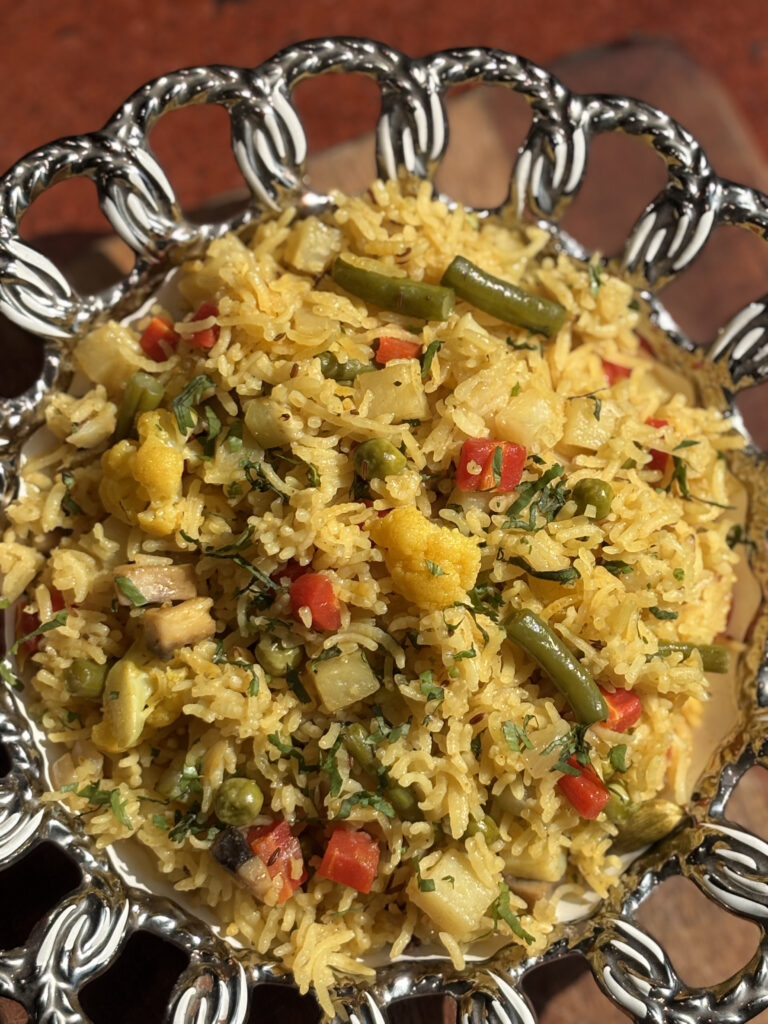
Tehari, a humble rice and seasonal vegetable preparation from North India, beautifully illustrates how cooking technique determines water use, nutrient retention, and sustainability. There are two classical approaches:
-
Absorption Method – water is precisely measured and fully absorbed.
-
Drain Method – rice is boiled in excess water, and the starchy water (mand) is separated.
Both methods are traditional. The difference lies in awareness.
Why This Matters
-
Minimal water usage
-
No nutrient loss through draining
-
Retains water-soluble B vitamins
-
Preserves natural starch for sustained energy
-
Supports balanced digestion (agni)
-
Reduces kitchen wastewater
The Wisdom of Mand (Rice Water)
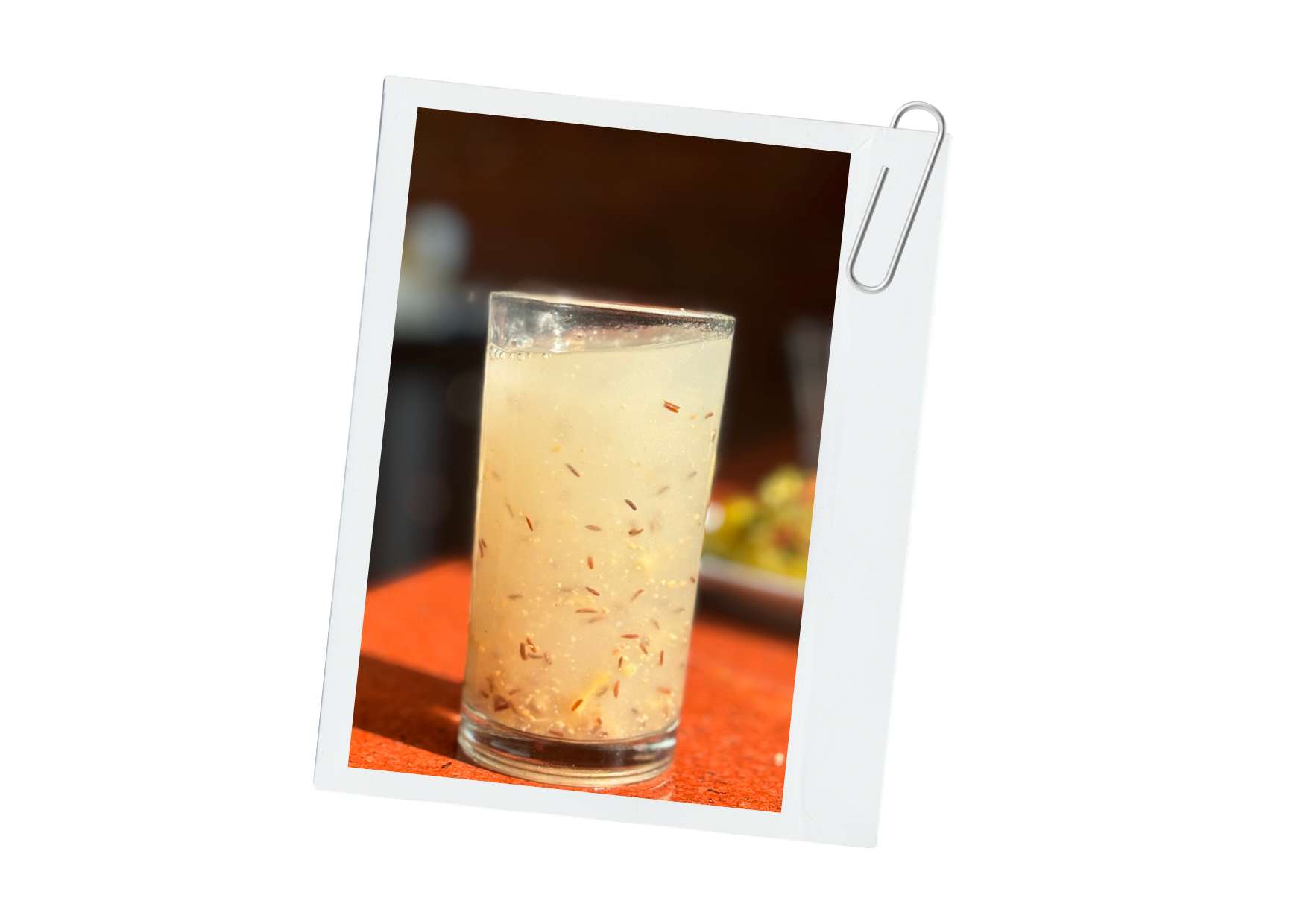
In Indian kitchens, mand was never considered waste. It is nutrient-rich, functional, and sustainable. Discarding it mindlessly means losing both nutrition and the embedded agricultural water used to grow the grain.
Traditional & Practical Uses of Mand
-
Light Soup Base
Seasoned with roasted cumin and rock salt; easily digestible (laghu) and soothing.
-
Kneading Dough
Replaces plain water; improves softness and nutritional value.
-
Gravies & Sauces
Acts as a natural thickener; enhances body and mouthfeel.
-
Nourishing Drink
Consumed warm with rock salt; supports hydration and recovery.
-
Fermented Probiotic (Next-Day Use)
When kept overnight in a clean vessel, mild fermentation may occur. Traditionally consumed in moderation to support gut health and stimulate digestion.
-
Convalescence Support
Diluted mand given during recovery for gentle nourishment.
-
Cooking Medium
Used for leafy greens and light stews.
-
Millet & Porridge Enhancement
Improves consistency and satiety.
From an Ayurvedic perspective, Mand is considered:
-
Sheeta (cooling)
-
Laghu (light to digest)
-
Supportive during low appetite
-
Useful in balancing aggravated Pitta when used appropriately
When lightly fermented, it develops mild sourness (amla rasa) that may stimulate digestive enzymes if consumed in moderation.
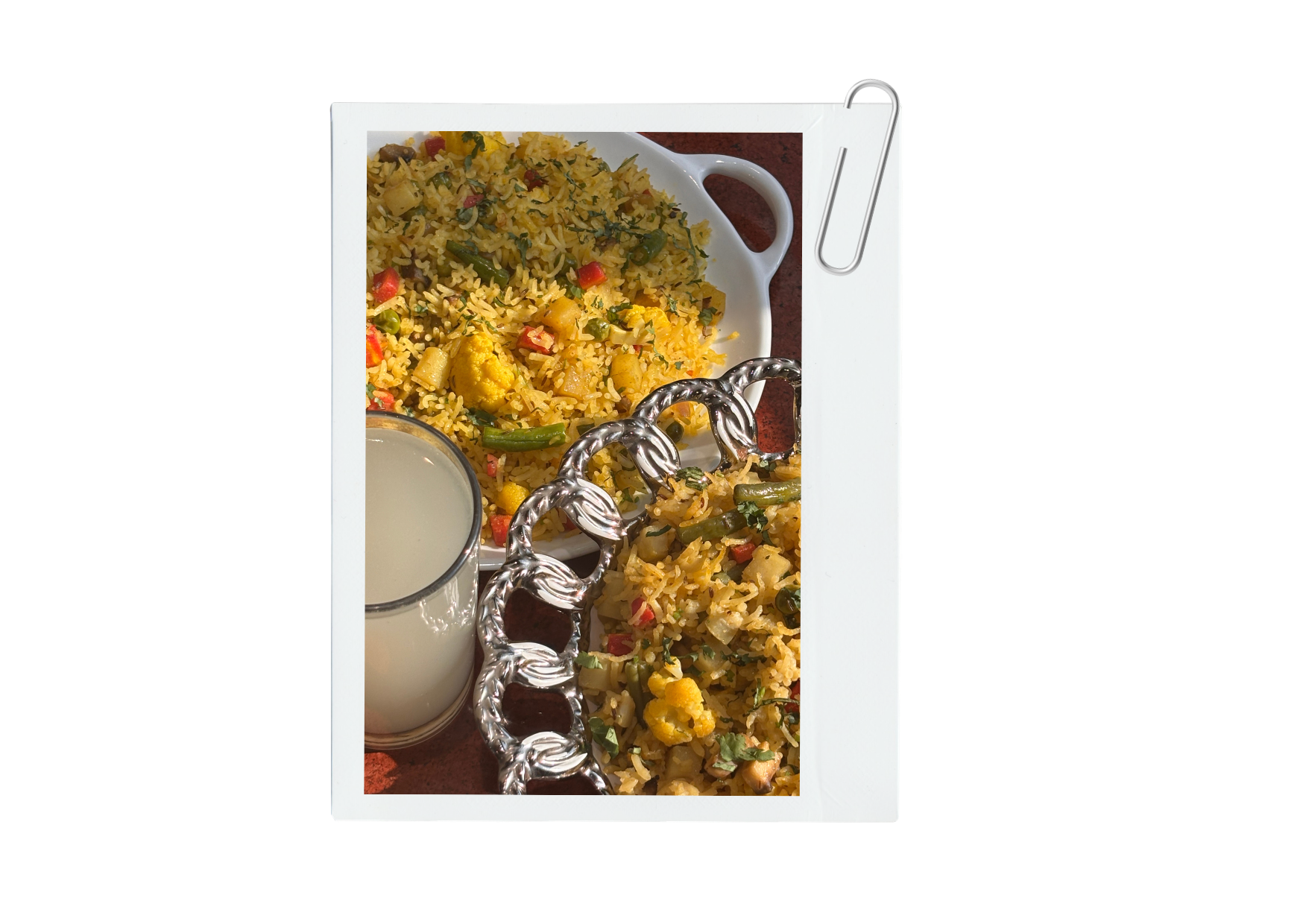
Water-smart cooking directly supports:
-
Sustainable food systems
-
Reduced resource waste
-
Nutrient retention
-
Gender equity (reducing invisible water burden)
-
Climate resilience
-
Responsible consumption
Chefs influence millions of meals daily. If professional kitchens adopt measured absorption methods where appropriate, water savings multiply exponentially.
Both methods are valid. Wisdom lies in context:
-
When conserving water and maximising nourishment — choose absorption.
-
When digestion is weak — use the drain method and value mand.
-
Never discard mand mindlessly — that is wasted nutrition and wasted water.
Water is sacred. Grain is sacred. Technique determines whether we waste or preserve both.
Water-smart cooking is not about restriction. It is about awareness.
Food begins at the farm and returns to the soil. If we waste water in the kitchen, we disrespect the farmer, the woman who carries water, and the earth that nurtures grain.
As culinary professionals, we must:
-
Teach water literacy in culinary schools
-
Promote millets and climate-resilient grains
-
Design zero-waste kitchens
-
Honour the invisible labour of women in food systems
Water security is food security. Food security is dignity. Dignity is development.
On this World Water Day, let us remember: A sustainable kitchen is not defined by expensive equipment — but by conscious technique.
Let us cook with compassion. Let us cook with responsibility. Let us cook water-smart.