Partners

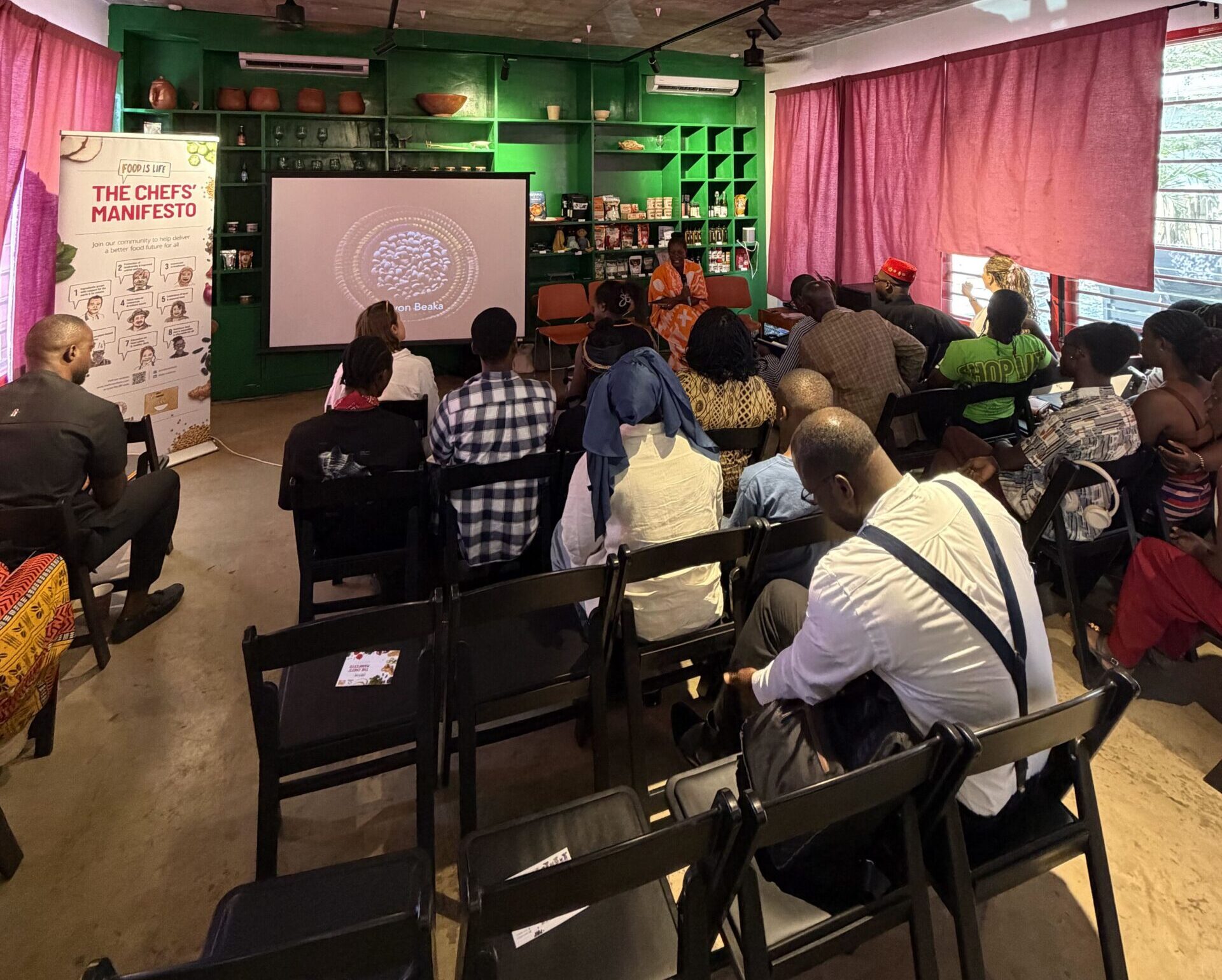
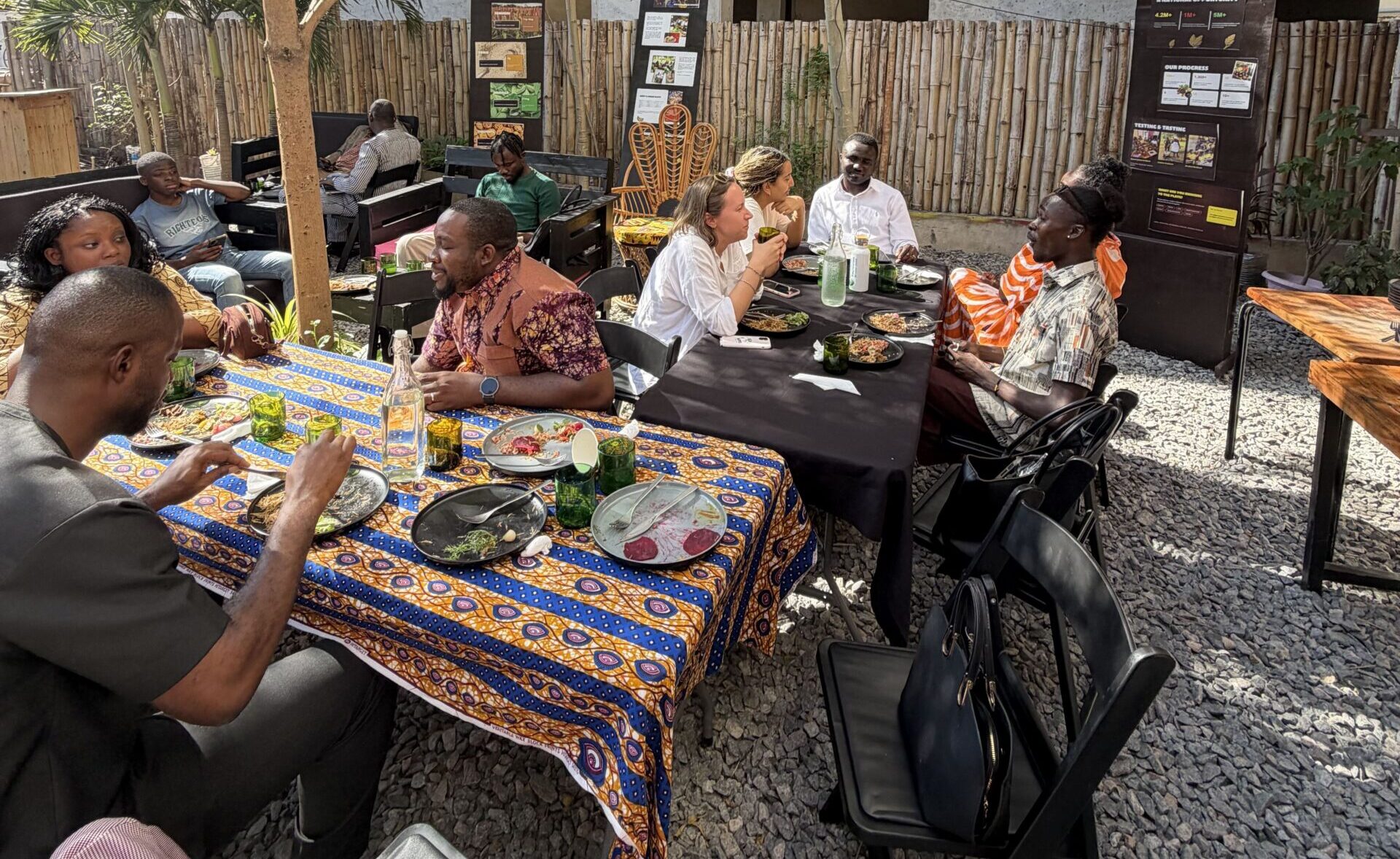
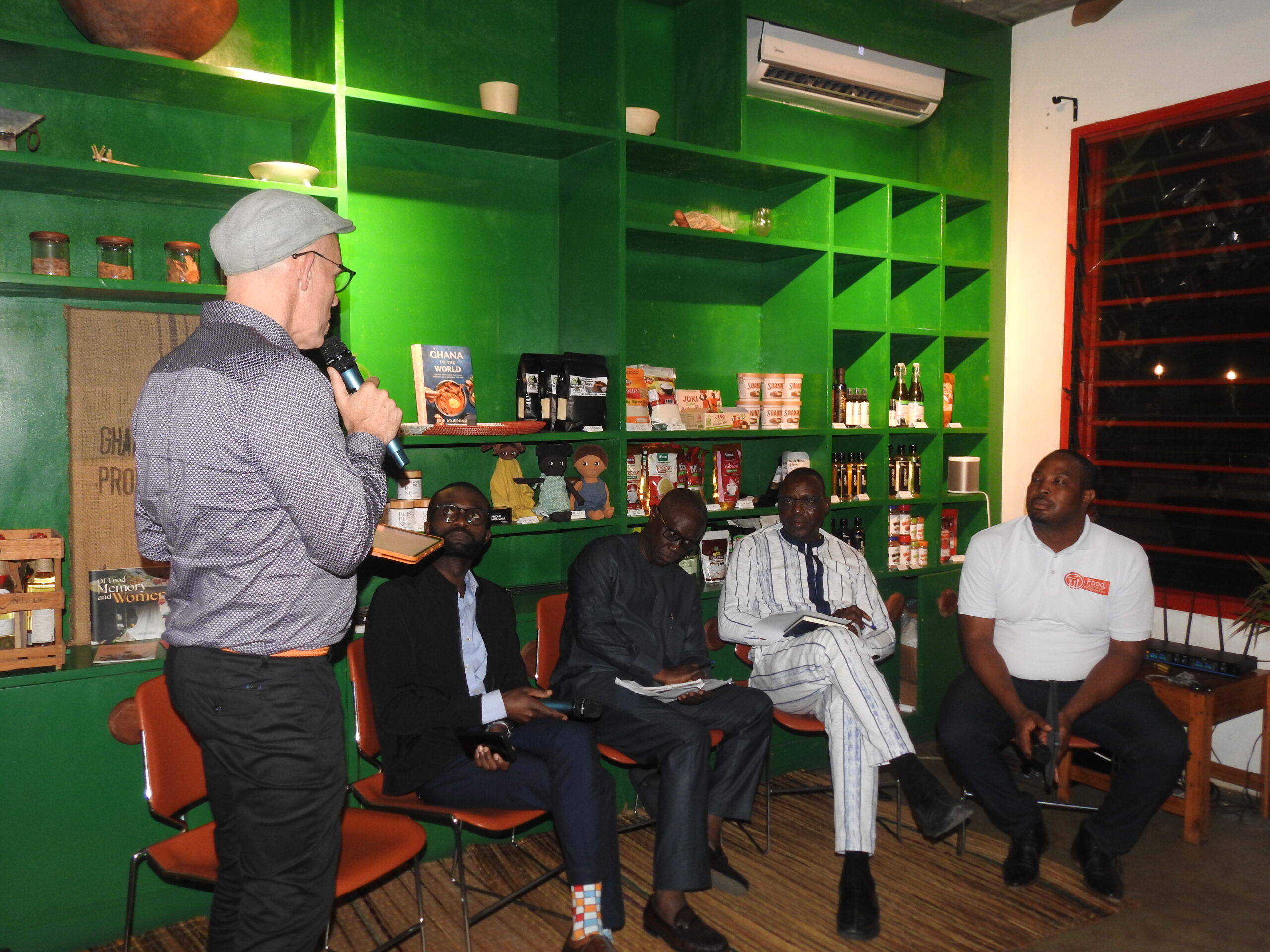
On a Friday morning in Accra, a room of chefs, food producers, community leaders and food system champions gathered around a deceptively simple question:
What happens when the foods that have been growing around us for generations find their way back onto our plates?
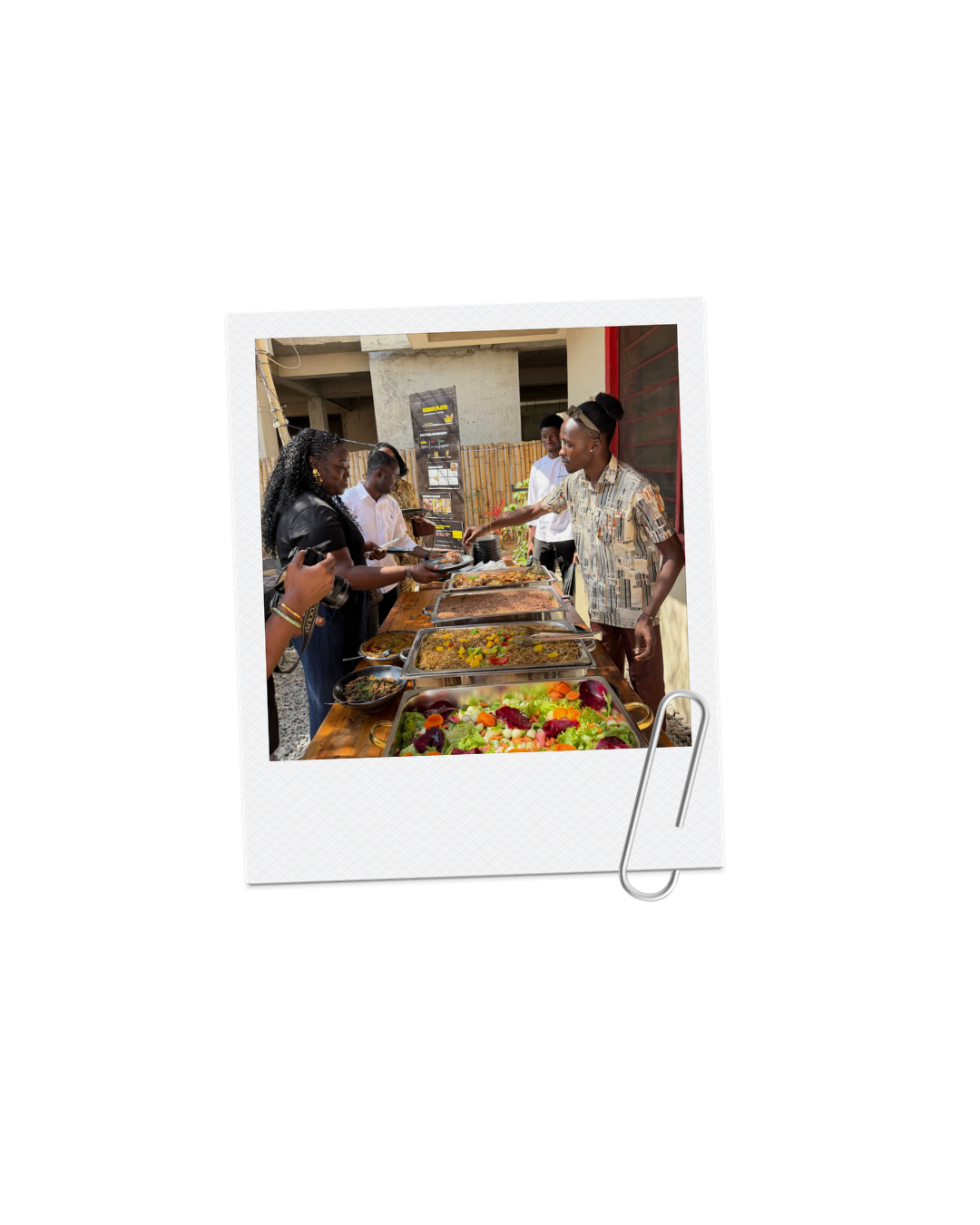
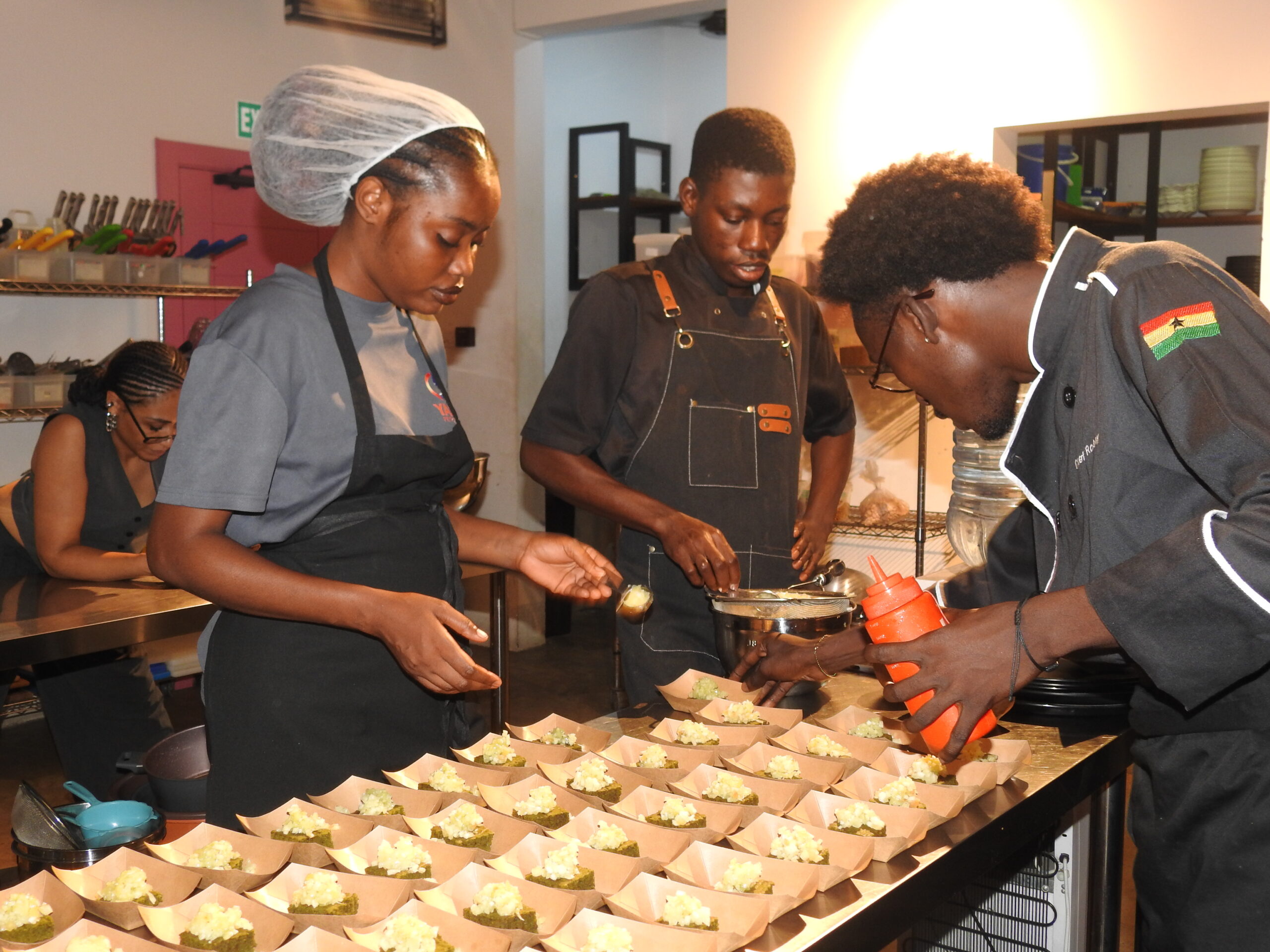
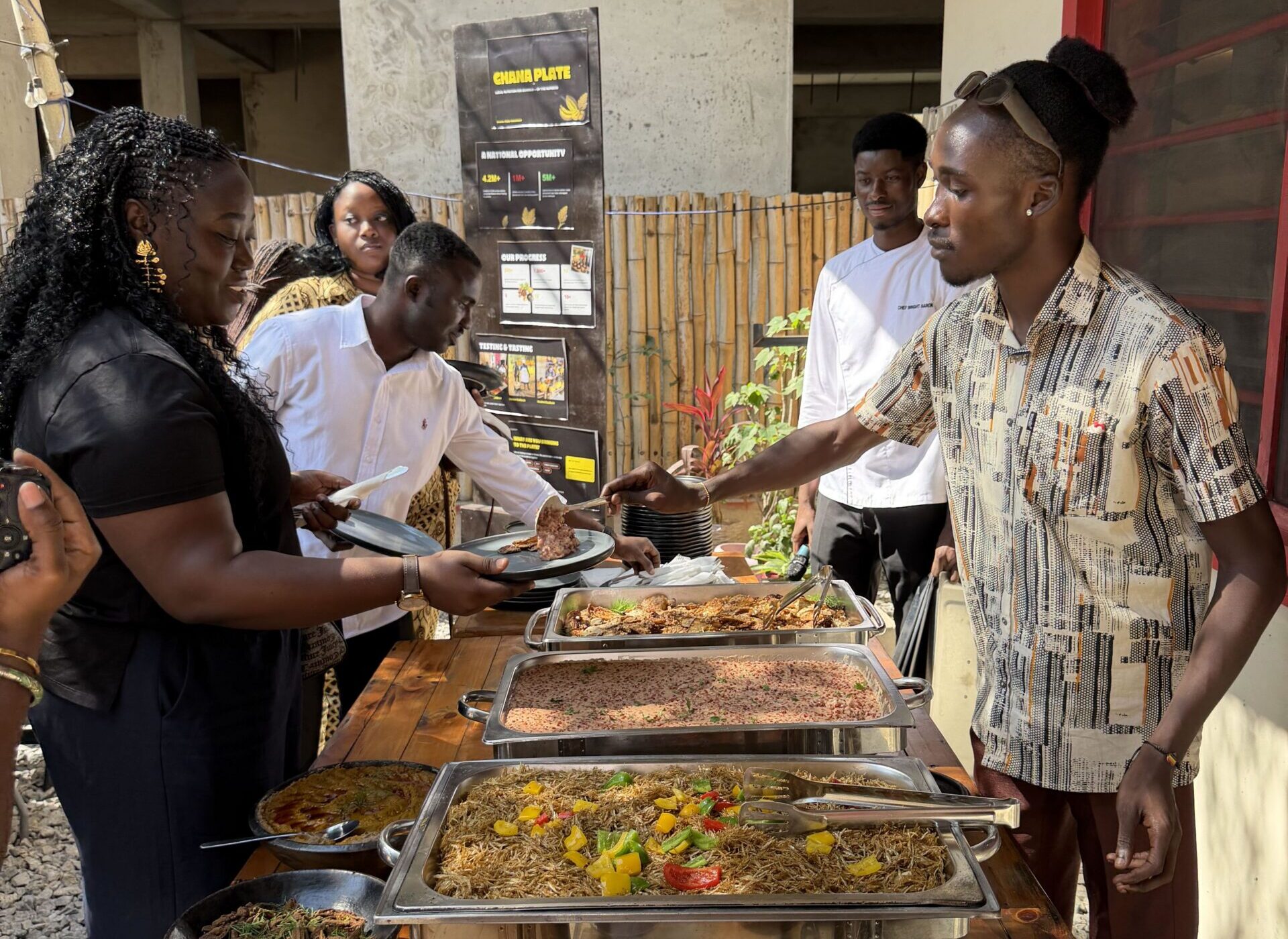
The Accra Chefs’ Manifesto Action Hub brought together Ghanaian food champions to explore how chefs can help rebuild demand for indigenous and forgotten crops, strengthen relationships with farmers and create more diverse, nutritious and resilient food systems.
The day was a collaboration between Ghana Food Movement, SOS Sahel International and the Chefs’ Manifesto, with a shared focus on connecting food culture, nutrition, livelihoods and local production.
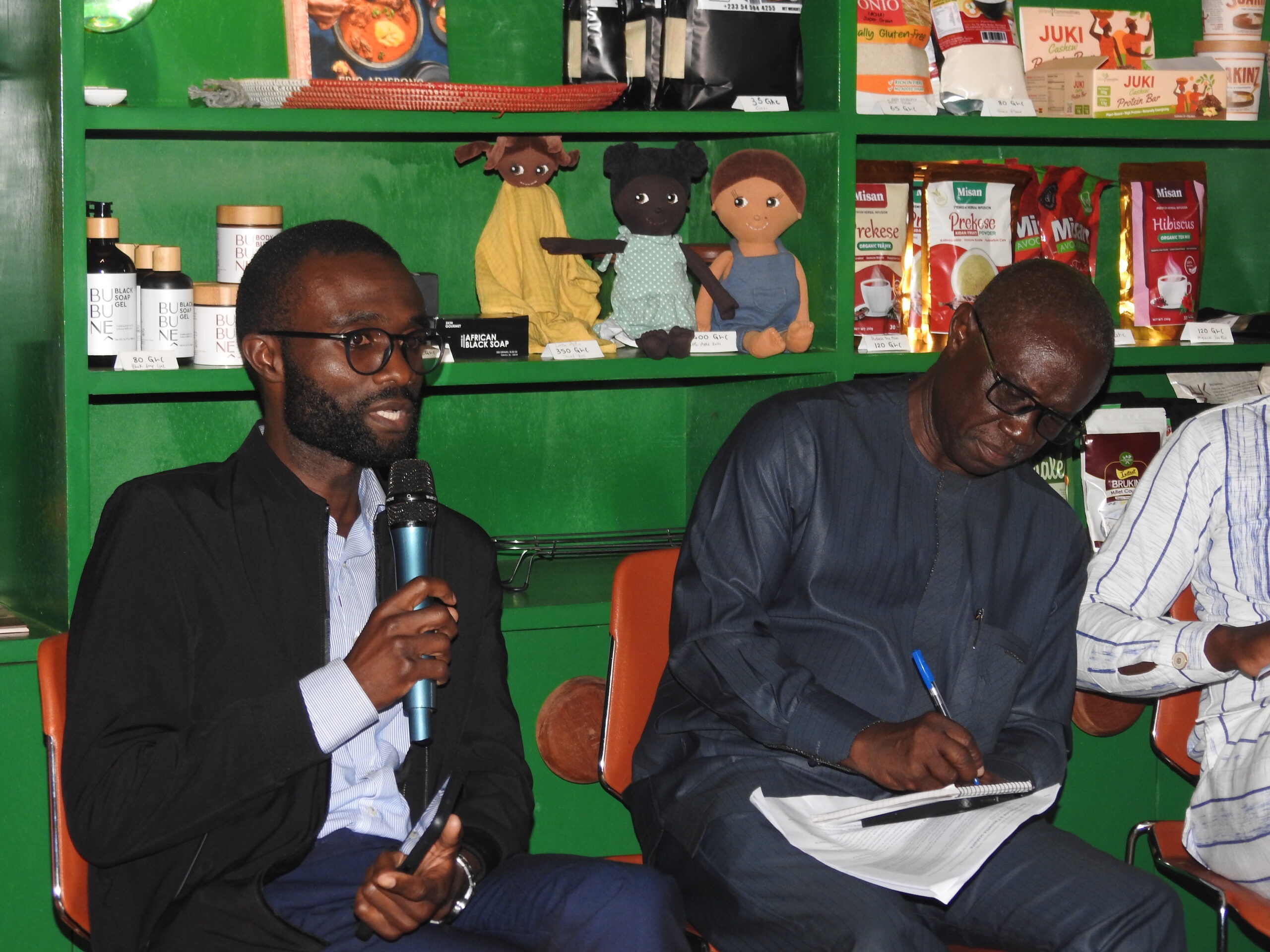
Guillaume from SOS Sahel opened with a challenge. “Africa is the land of opportunity. We should be self-sufficient ourselves.”
He spoke about crops being produced in abundance in rural communities, yet lacking the visibility, markets and connections needed to reach consumers. For him, chefs can be an important bridge.
A chef who buys from a producer is not simply purchasing an ingredient. They are helping support an income, a household and the continued cultivation of a crop.
That idea became a thread running throughout the day: when we change what is valued on the plate, we can change what is grown in the field.
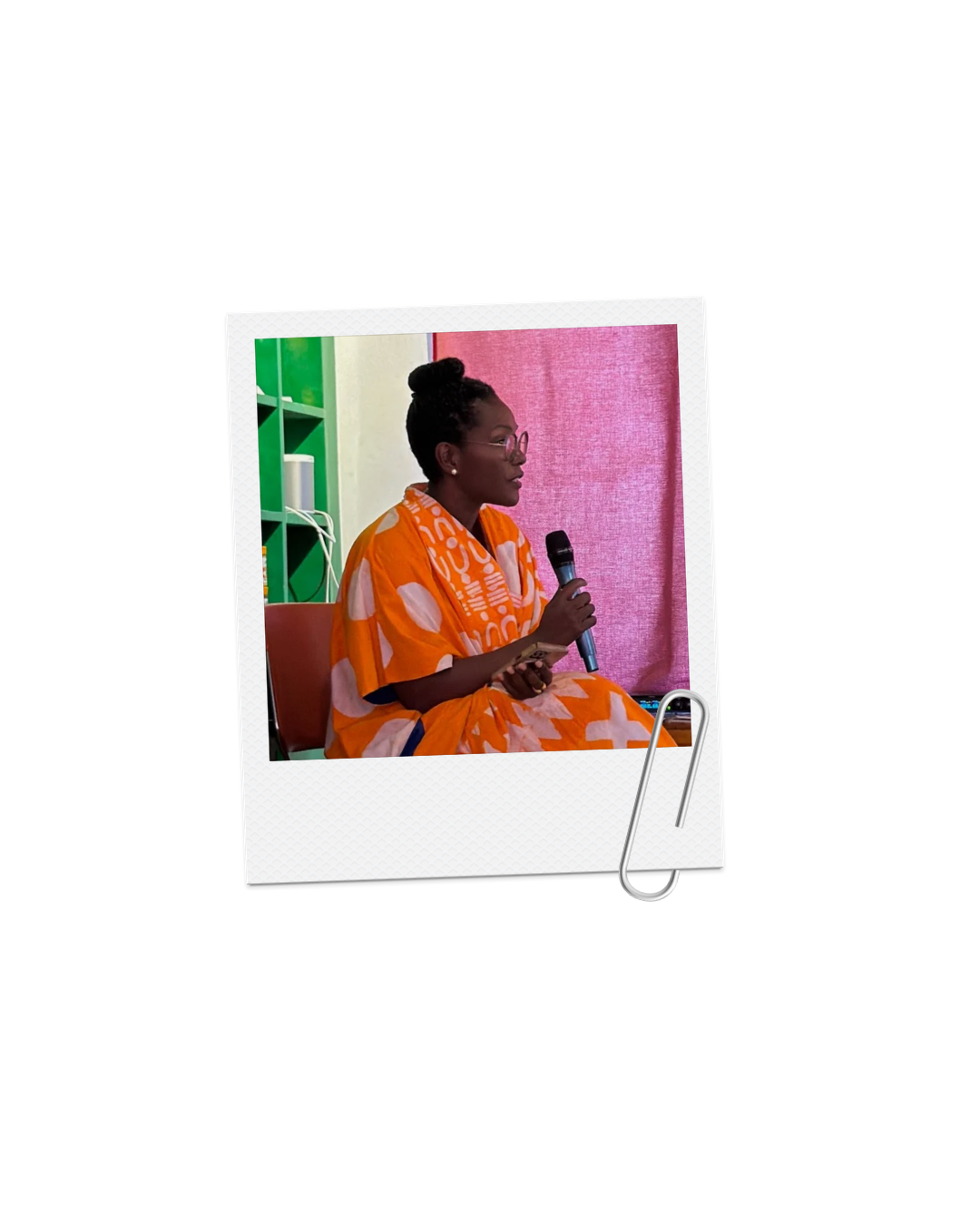
Selassie Atadika, Food Systems Strategist and Founder of the Midunu Institute, brought that connection to life through one dish from Ghana’s past.
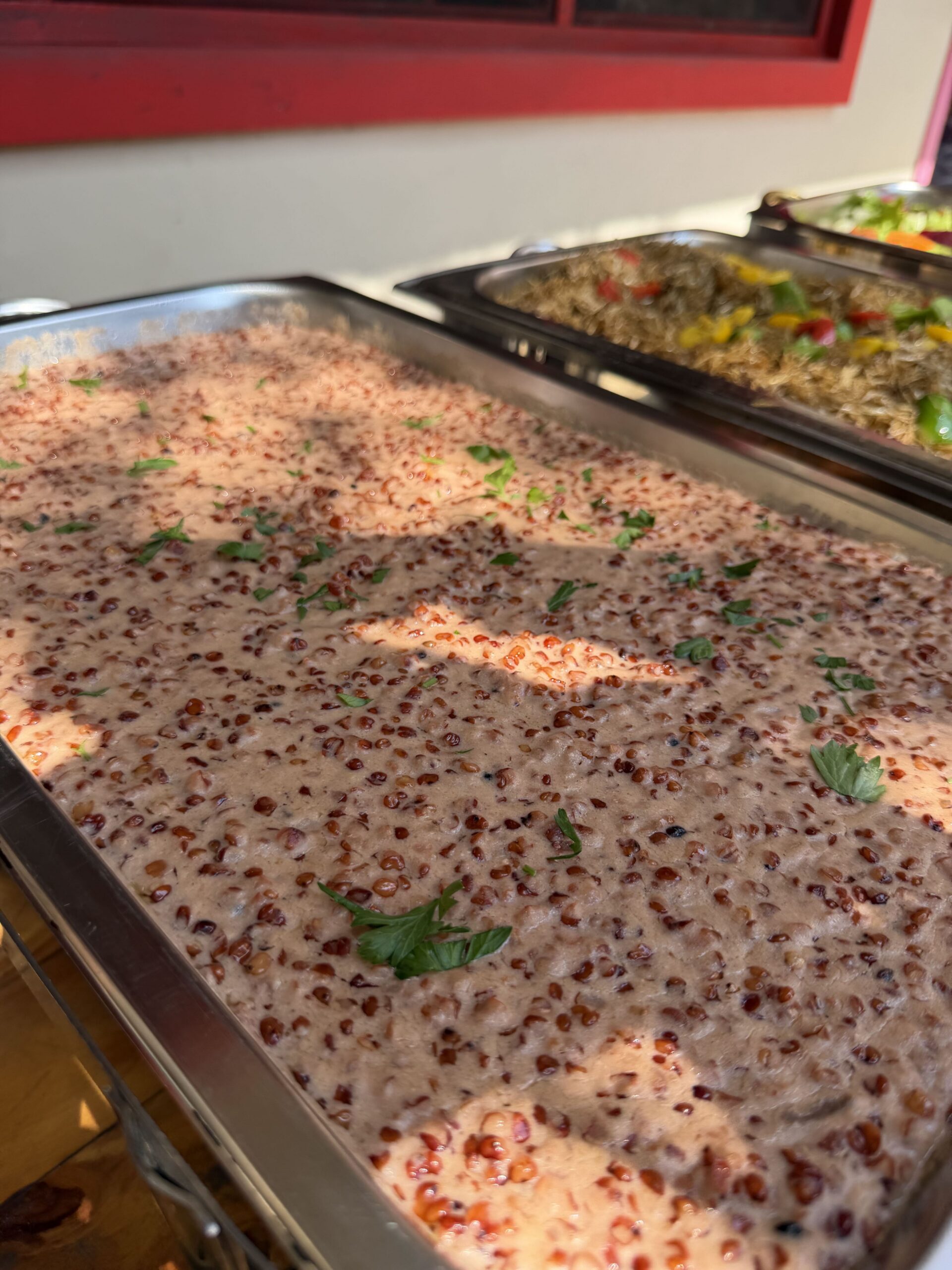
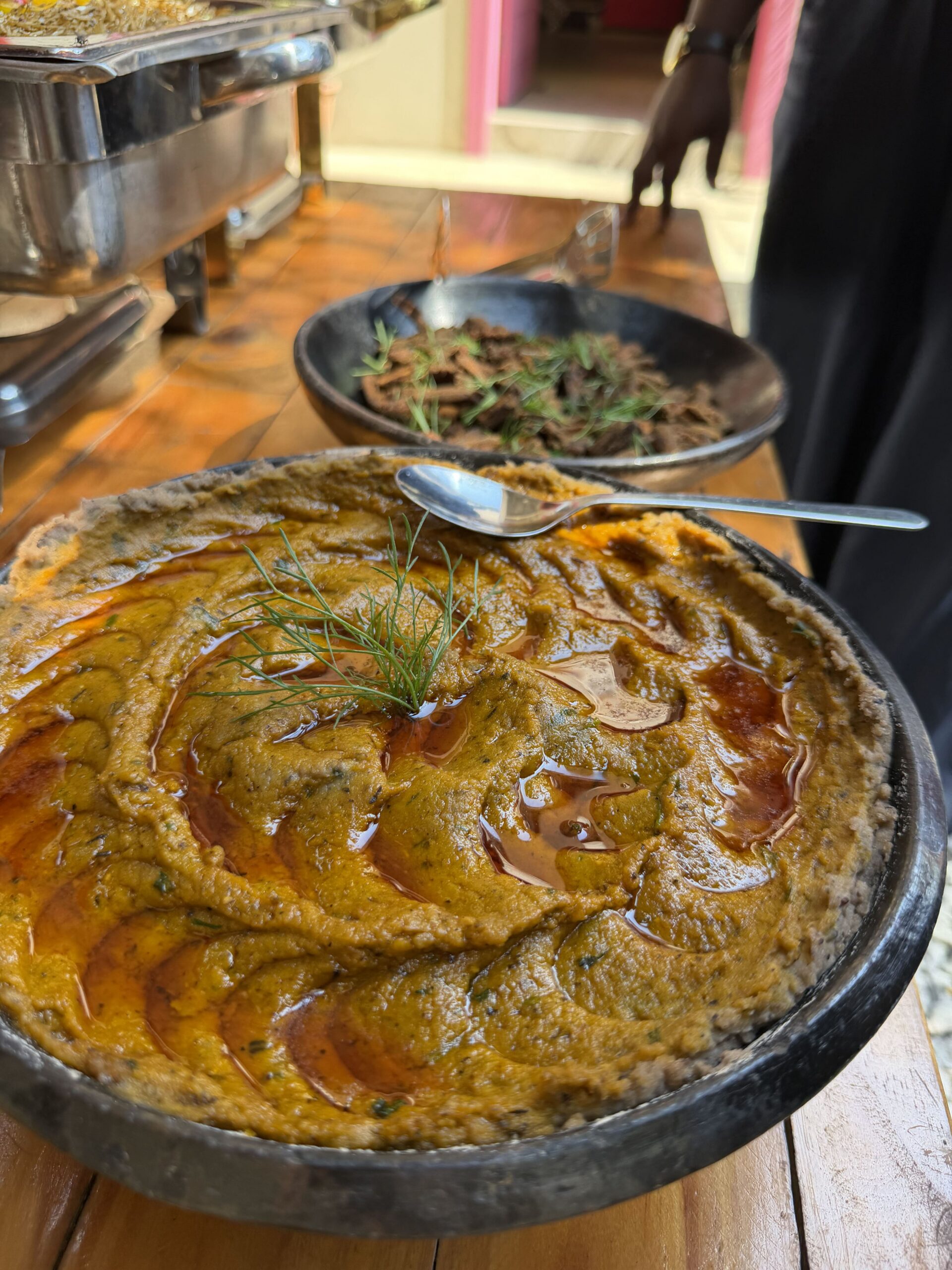
She spoke about Nimo buna, a traditional dish made with bean leaves and millet. Once common, it faded from view partly because it became associated with periods of hardship and scarcity. Yet bean leaves are highly nutritious, and the dish has survived through the knowledge of grandmothers and aunties.
“A lot of the food that is delicious doesn’t have a way to stay alive,” she told the room. Her challenge was direct.
When our food succeeds, who wins and who gets paid?
She pointed to the paradox of jollof. It may be fiercely claimed as an African dish, yet many of its ingredients can come from far beyond the continent. Her point was not about rejecting global trade, but about asking what happens when the foods at the centre of our culinary identity do not generate enough value for the people growing food locally.
Her call to chefs was practical. Cook one indigenous crop back onto your menu. Know your farmer and pay her to keep growing it. Own or partner on something where the value can flow back into the food system.
Across the room, those ideas were already happening.
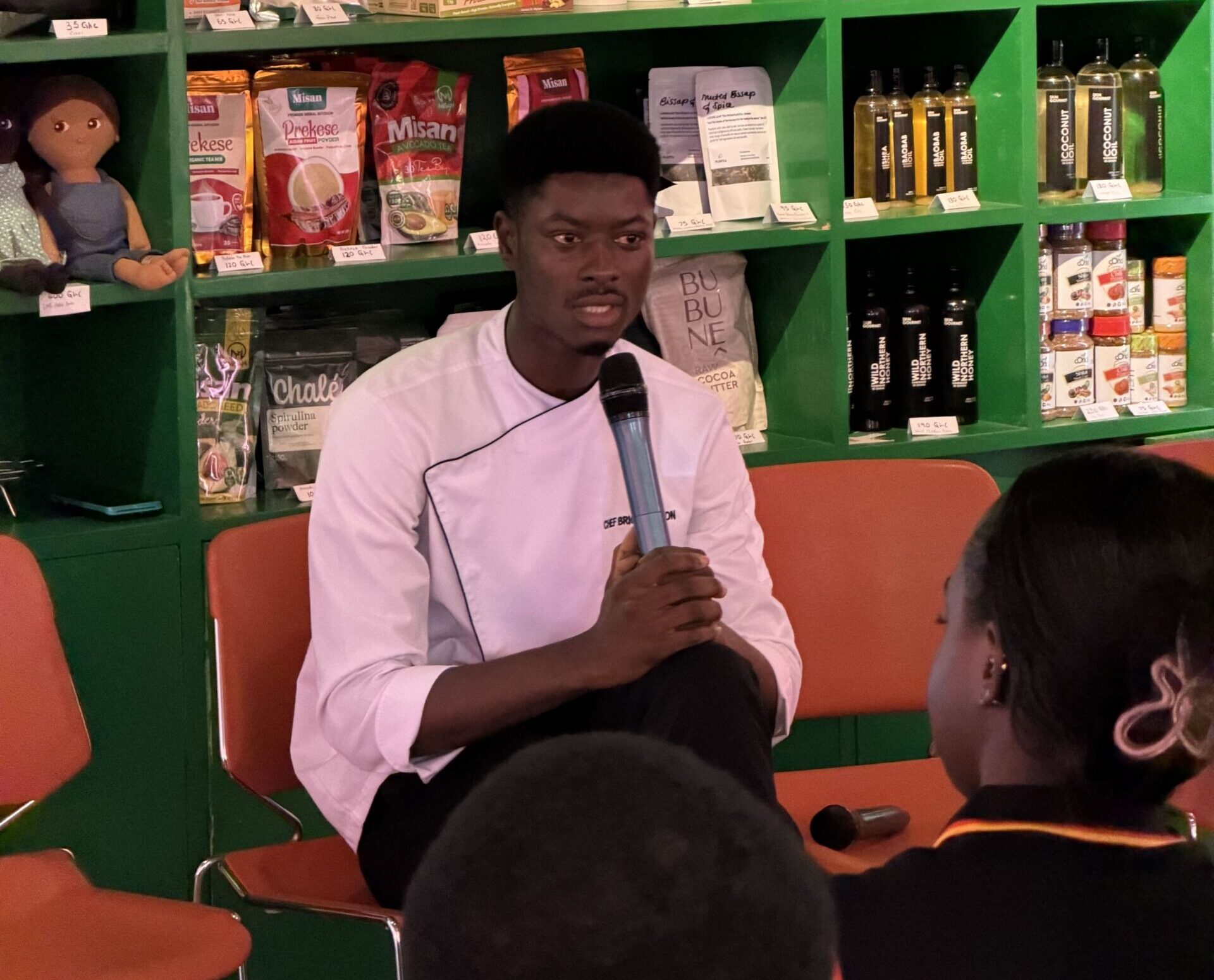
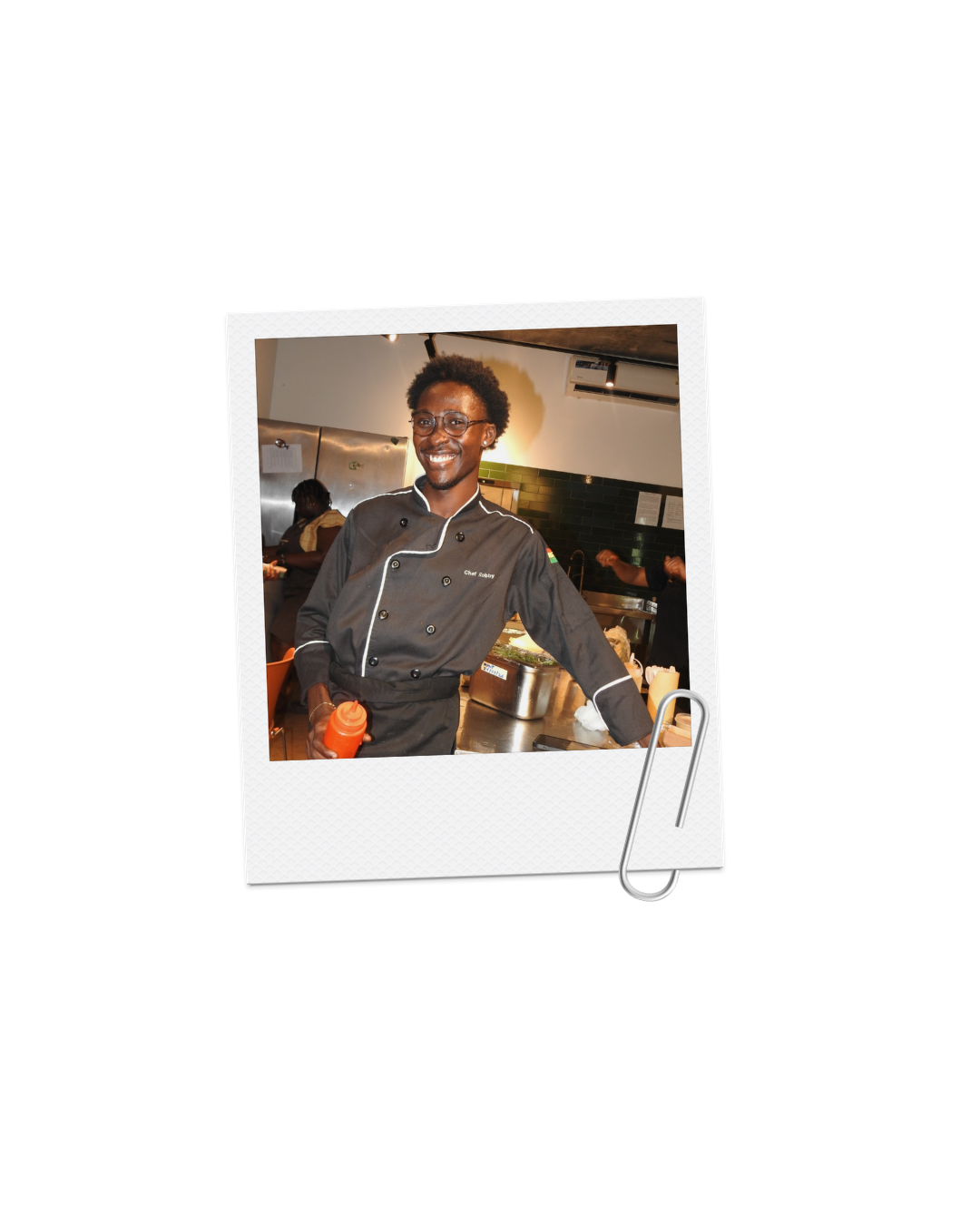
Chef Aaron Bright spoke about Ghana Food Movement’s work with communities in the Volta region to preserve local ingredients, recipes and food knowledge. Keeping these foods alive means educating young people and creating demand, so that farmers have a reason to continue growing them.
Chef Elijah Amoo Addo shared another powerful example through school meals. His work connects local food production with school kitchens, creating jobs for mothers, improving access to nutritious food and working with the government to build systems that can last beyond individual projects.
Then Guillaume returned with the story of fonio.
Once grown by just a few farmers, fonio now reaches around 1,600 producers through work to improve cultivation, processing and market access. Equipment reduced processing time from two weeks to two minutes. A chef competition helped introduce the crop to new audiences.
The lesson was clear: an ingredient needs more than a good story. It needs a functioning ecosystem around it.
Prince Nunoo of the Global Shea Alliance brought that ecosystem into sharp focus through the story of shea, or “women’s gold”. Shea contributes significantly to household income for women, yet harvesting can be physically demanding and dangerous, while much of the fruit remains underused.
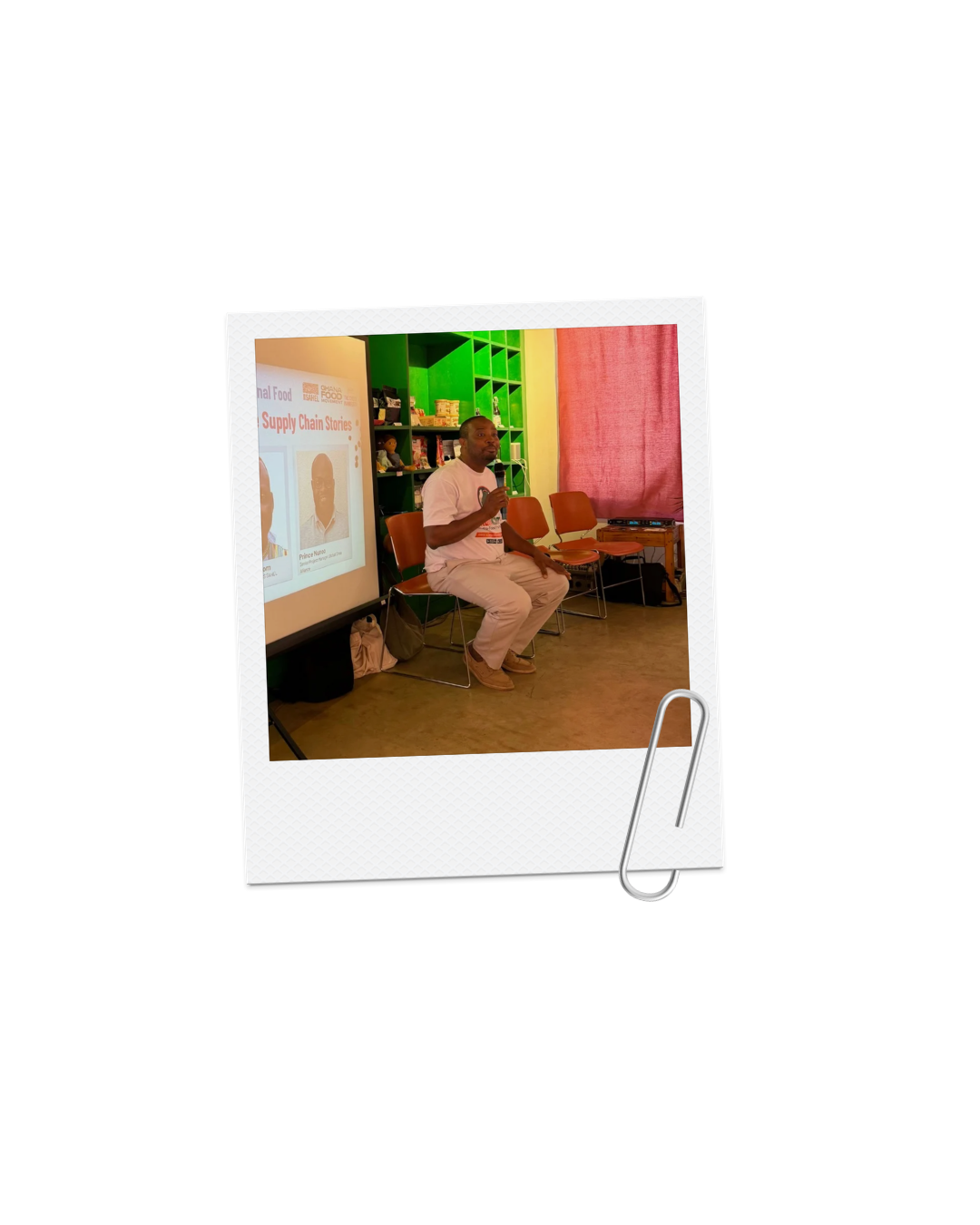
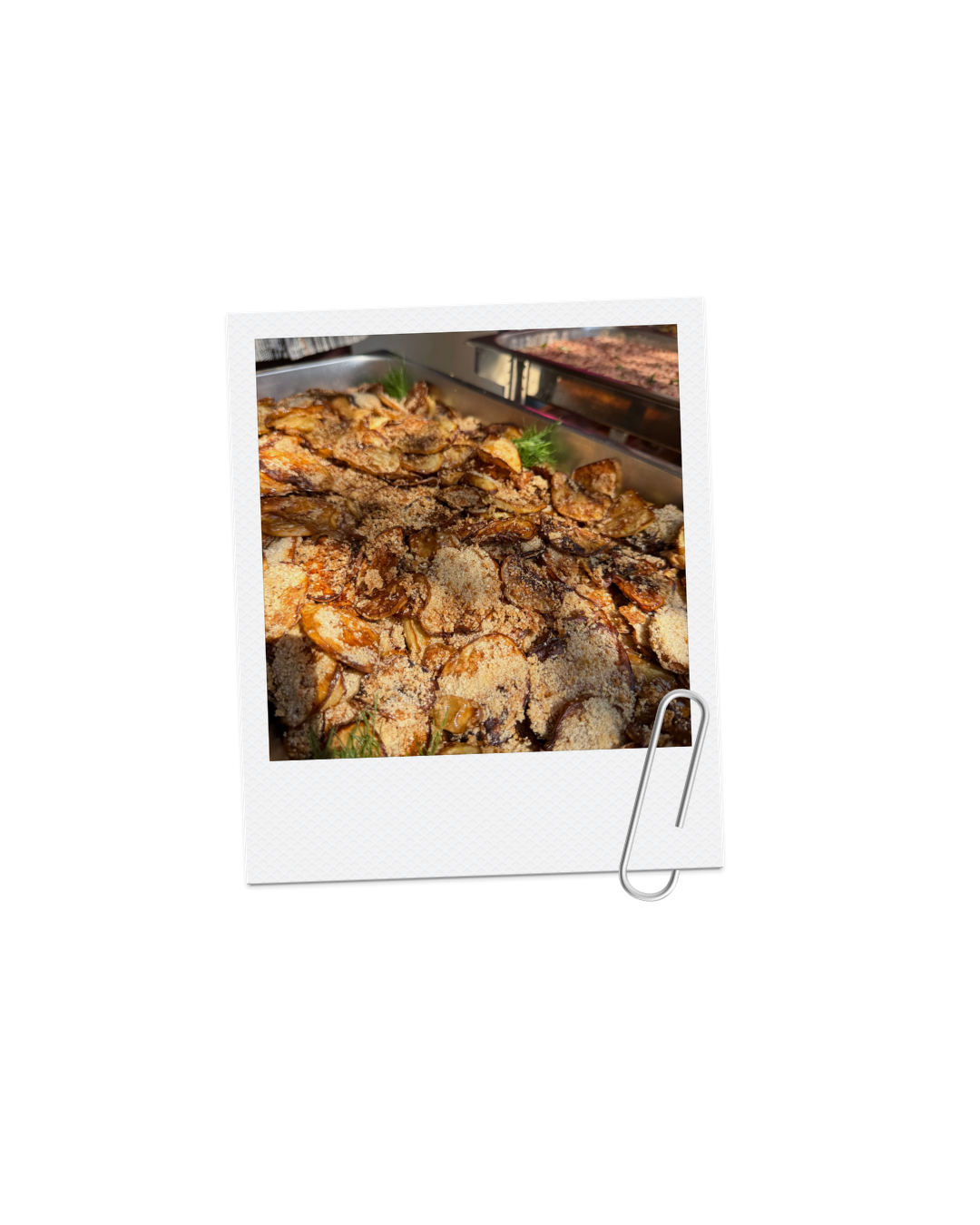
There are opportunities in technology, processing, finance, storage and markets. But there is also a need to make indigenous ingredients desirable to urban consumers and to ensure that women remain partners in the value created. By the afternoon, the conversation had moved firmly from ingredients to action.
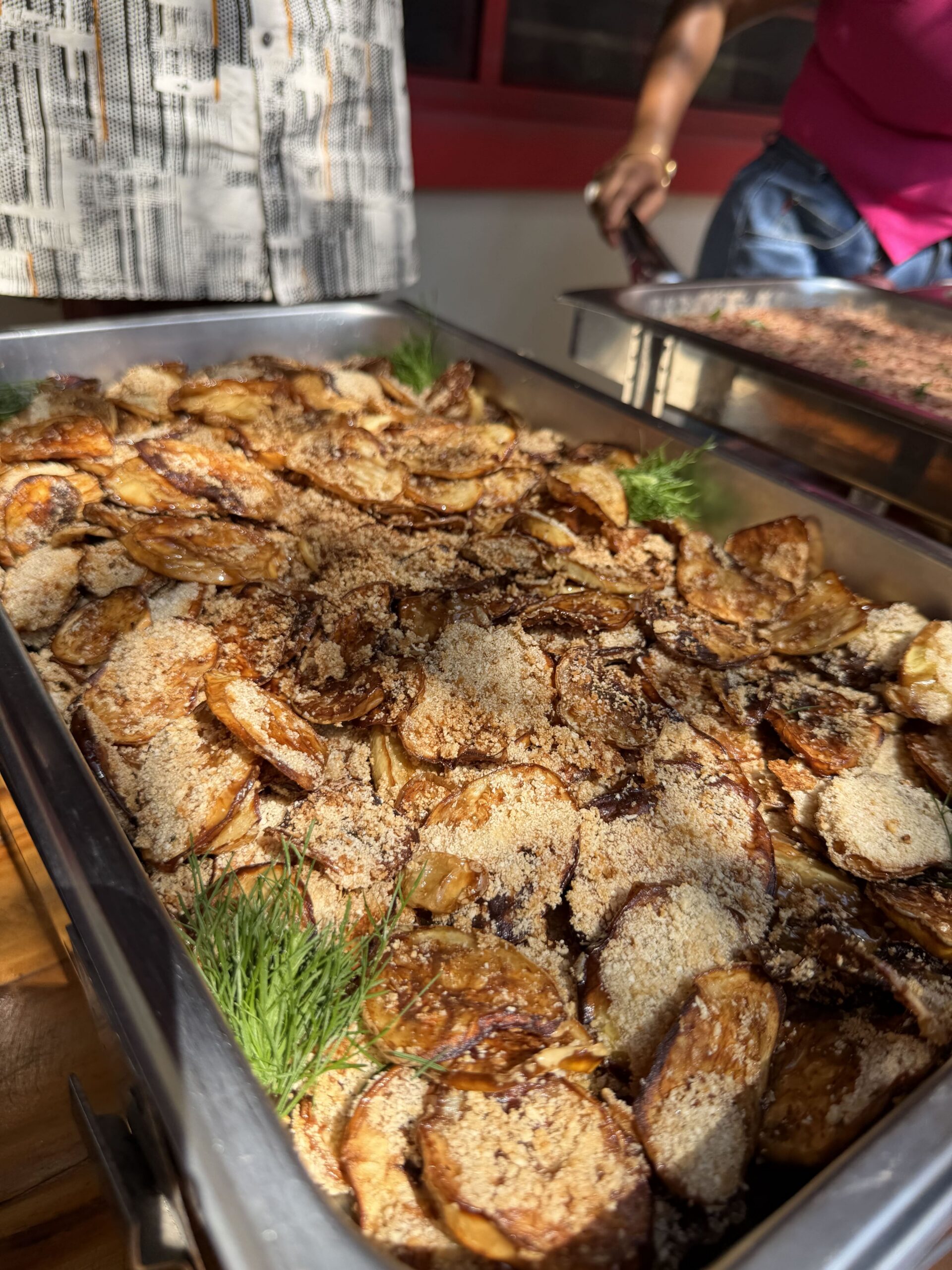
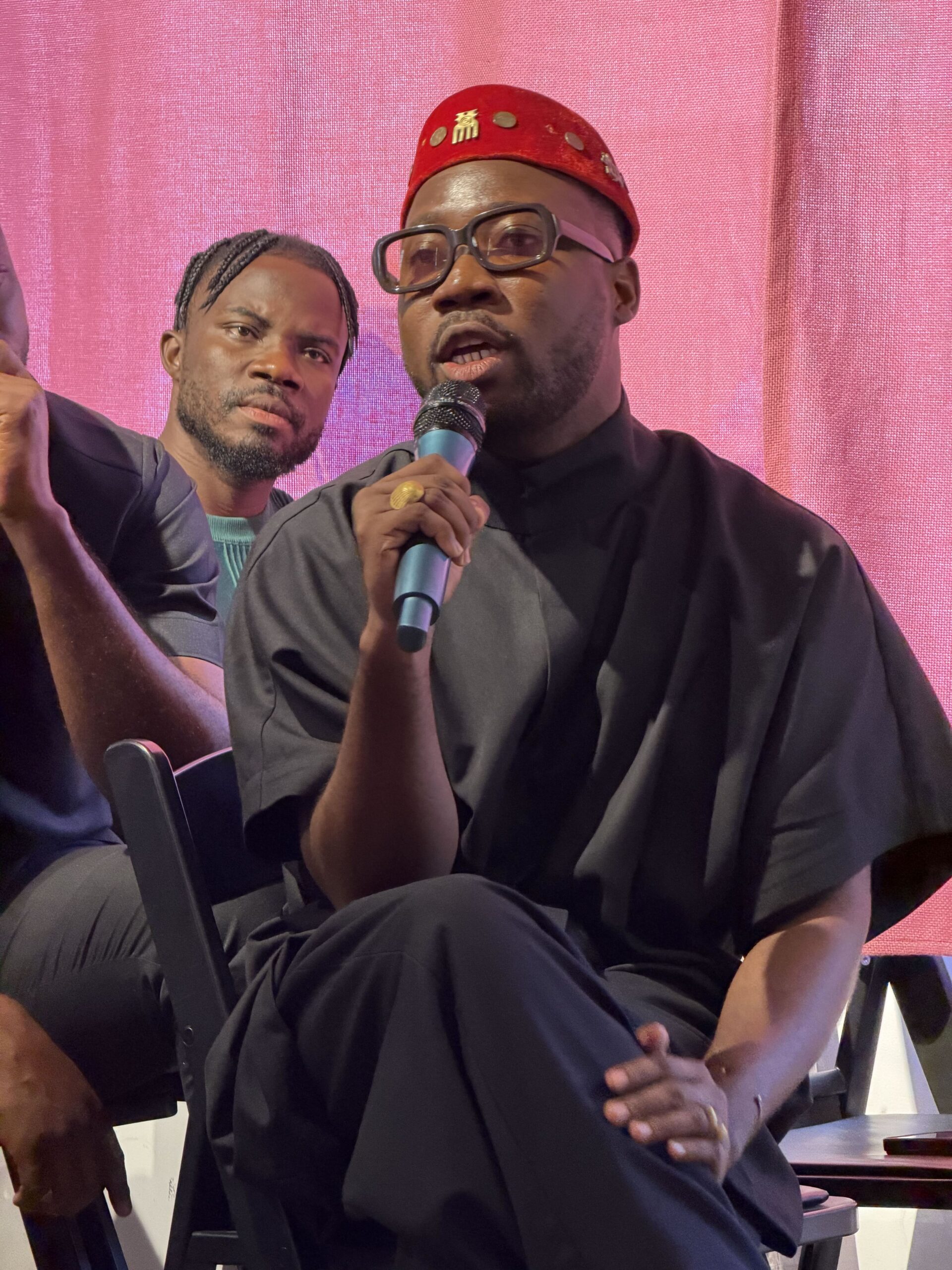
Chefs debated whether to substitute imported rice in familiar dishes such as waakye or instead find ways to celebrate locally grown grains. They explored ingredients such as prekese and indigenous berries, and discussed how nutrition and flavour can go hand in hand.
One message kept returning: Chefs cannot do this alone.
They need farmers, researchers, policymakers, businesses, food producers and content creators around them. They need better evidence about the nutritional value of traditional ingredients. They need policies that create demand and procurement systems that give farmers confidence to grow.
And they need consumers to become curious.
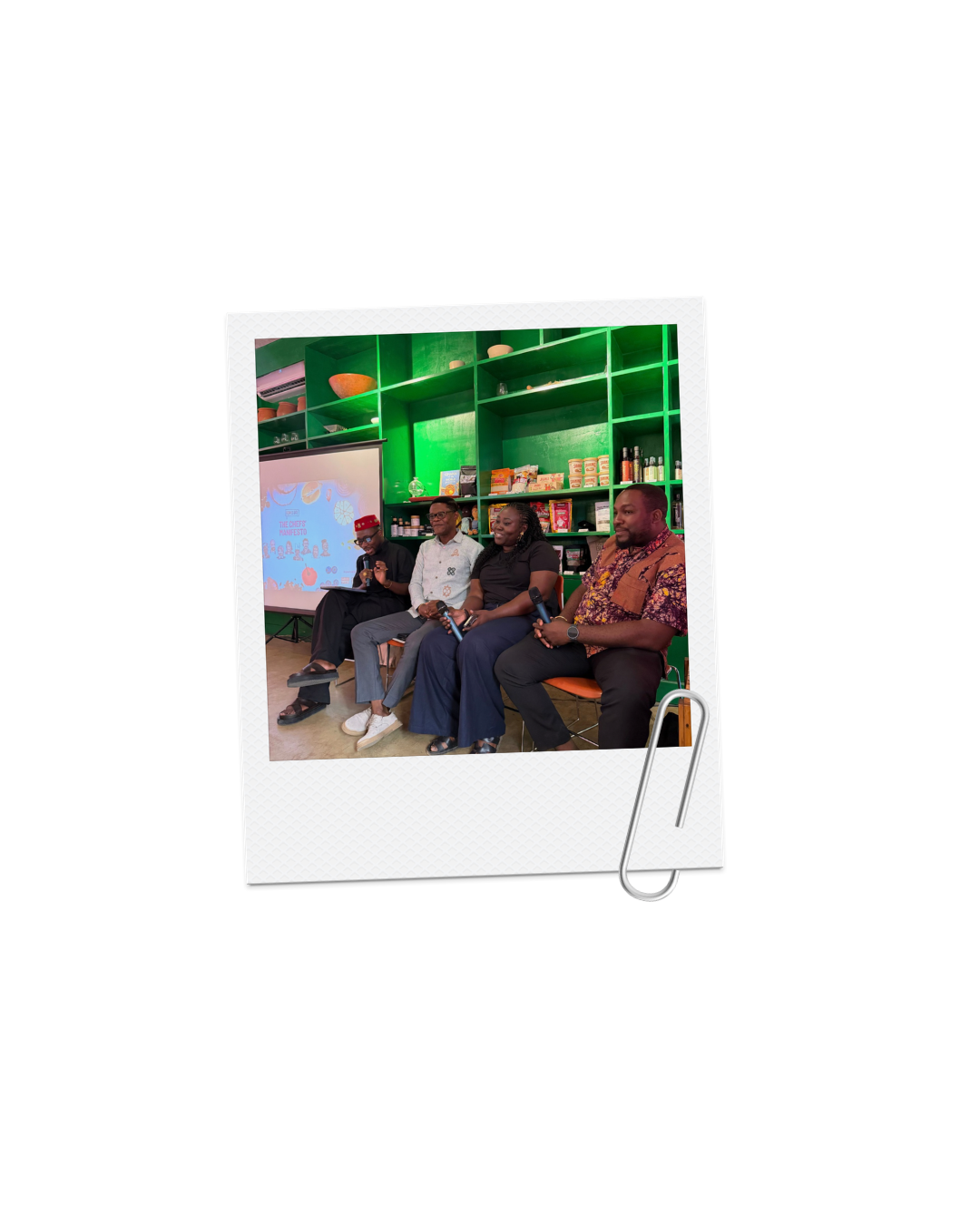
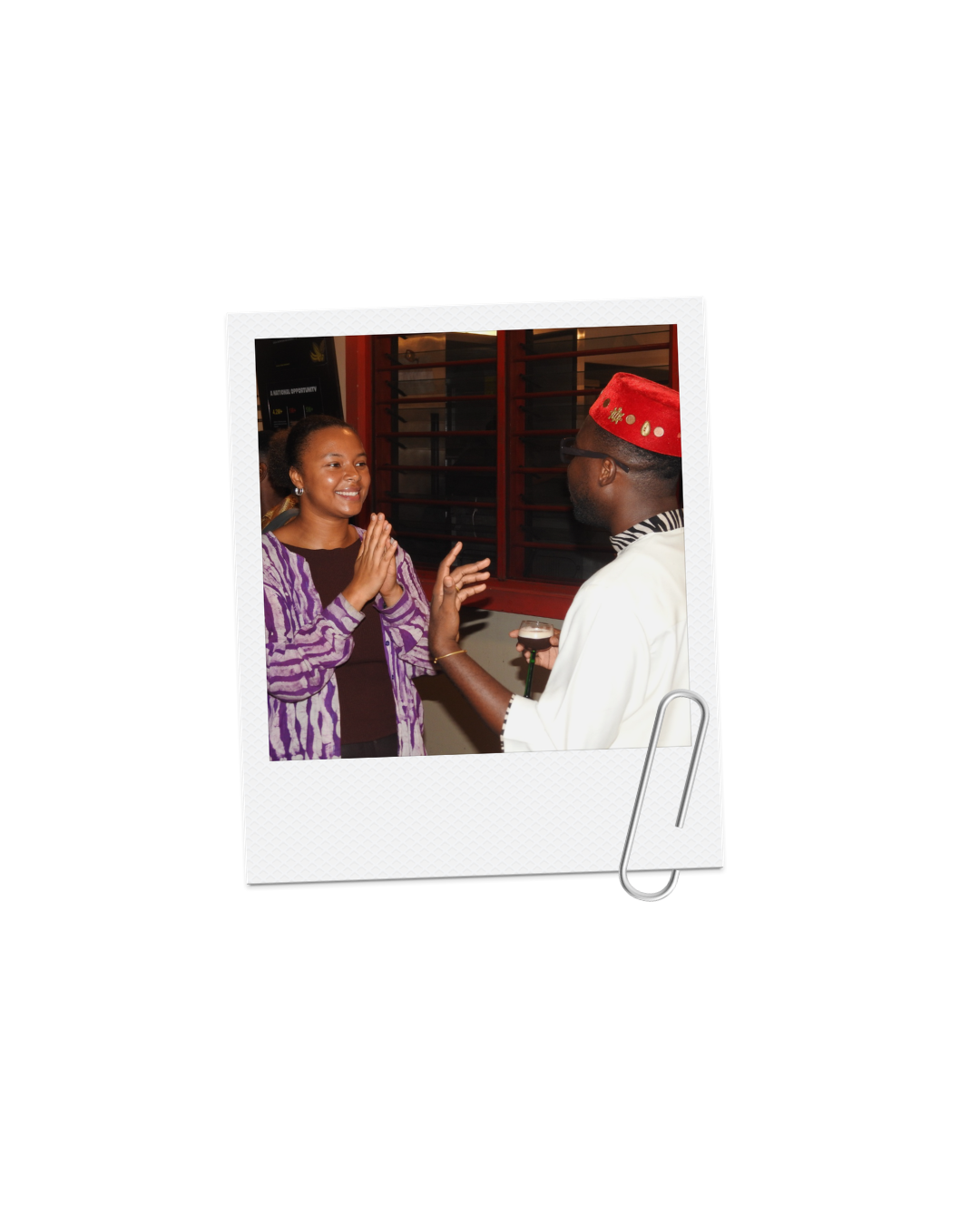
The Action Hub ended not with a single answer, but with a shared sense that Ghana already has many of the ingredients for a stronger food system. The challenge is to connect them. To put forgotten crops back on menus. To connect chefs with farmers. To turn local knowledge into viable markets. And to make food that is good for people, communities and the planet something people genuinely want to eat. That is the work ahead.
Thank you to Ghana Food Movement and SOS Sahel International for helping make this conversation possible, and to every chef, producer and food champion who brought their knowledge, questions and ideas to the table.