IMAGINE
Imagine you pay half the price of a cheeseburger and get a full plate of grandparent level cooking. There’s a buzz in the dining room: students are there curing a hangover, a doctor fills up before the night shift, a family of 5 eat quickly on the way to school, a couple meet there on a casual third date, and there’s someone in the corner taking a moment for themselves before heading back to the job site. You’ve got a plate of food you want to eat and you’re in a room you want to be in. This isn’t charity; just like the bus you took to get here – it’s part of your city and it makes everyone’s life a bit easier.
So what are public restaurants?
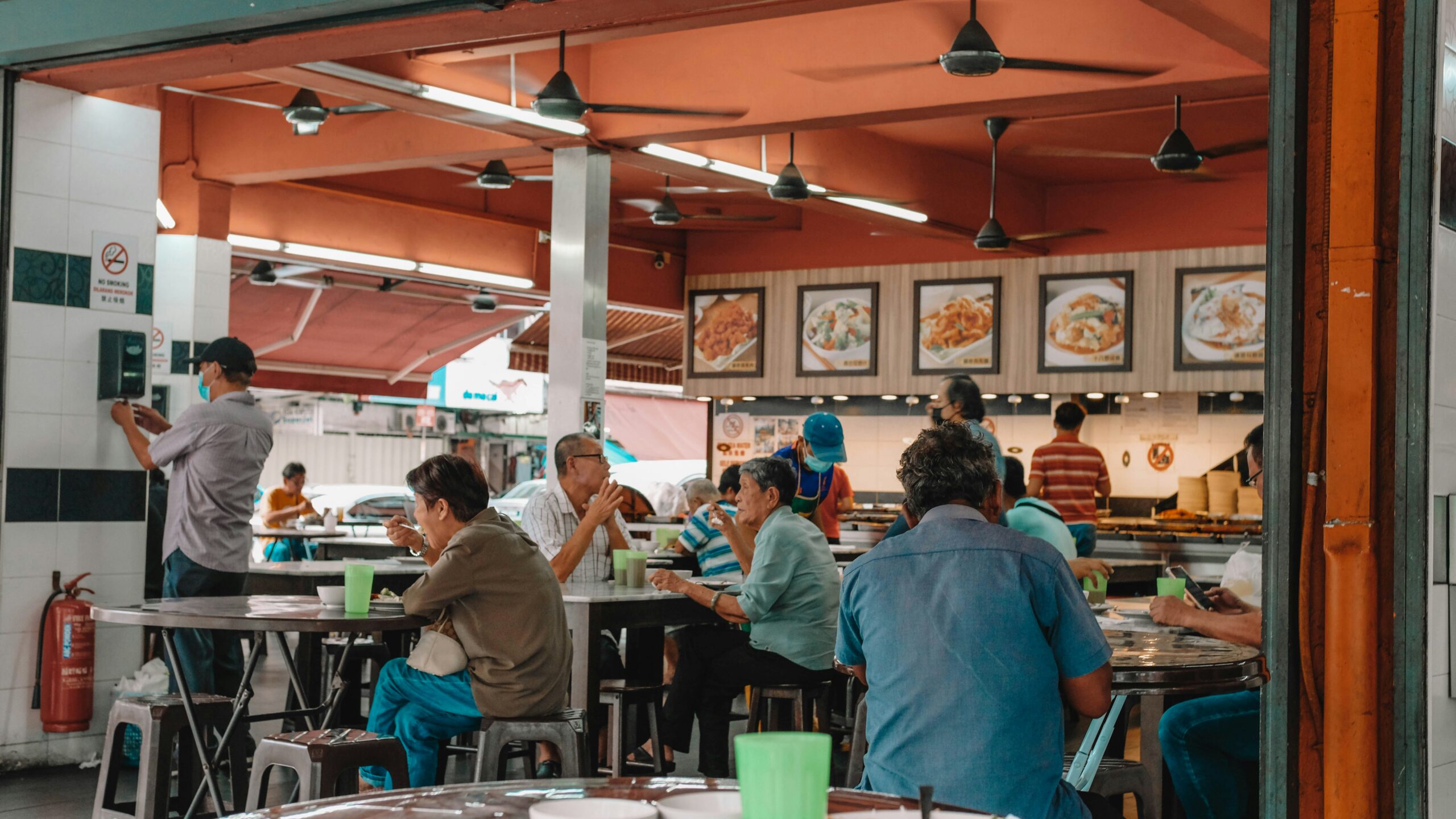
Public restaurants are state-supported restaurants that serve affordable meals to the general public. They are public infrastructure for the right to food, just like public healthcare is for the right to health, public schools for the right to education and public transport for the right to movement.
While less familiar than other forms of public infrastructure, public restaurants are quietly emerging across the world today: Halk Lokantası in Türkiye, Bary Mleczne in Poland, public canteens in India, Restaurantes Populares in Brazil and hawker centres in Singapore.
Image: Annie Hatuanh
Turkey: What is the best translation of Halk Lokantası?
“Folk restaurant, but at the same time, it’s kind of like urban restaurant – it’s a place where the city comes to eat regularly. It’s not fancy – it’s relaxed and the food is good.”
Poland: Do people like their Bary Mleczne?
“When a bar mleczny in Warsaw was threatened to close, residents took over the premises and started making their own pierogi. The quality is Grandparent level and prices are less than Burger King – of course there was protest.”
India: Were you excited when the Indira Canteen opened in your city?
“Oh yeah, I definitely was. To not have to meal prep a lunch that I eat at my desk and just pull up to a bustling canteen. Game changer. And the meals are actually good.”
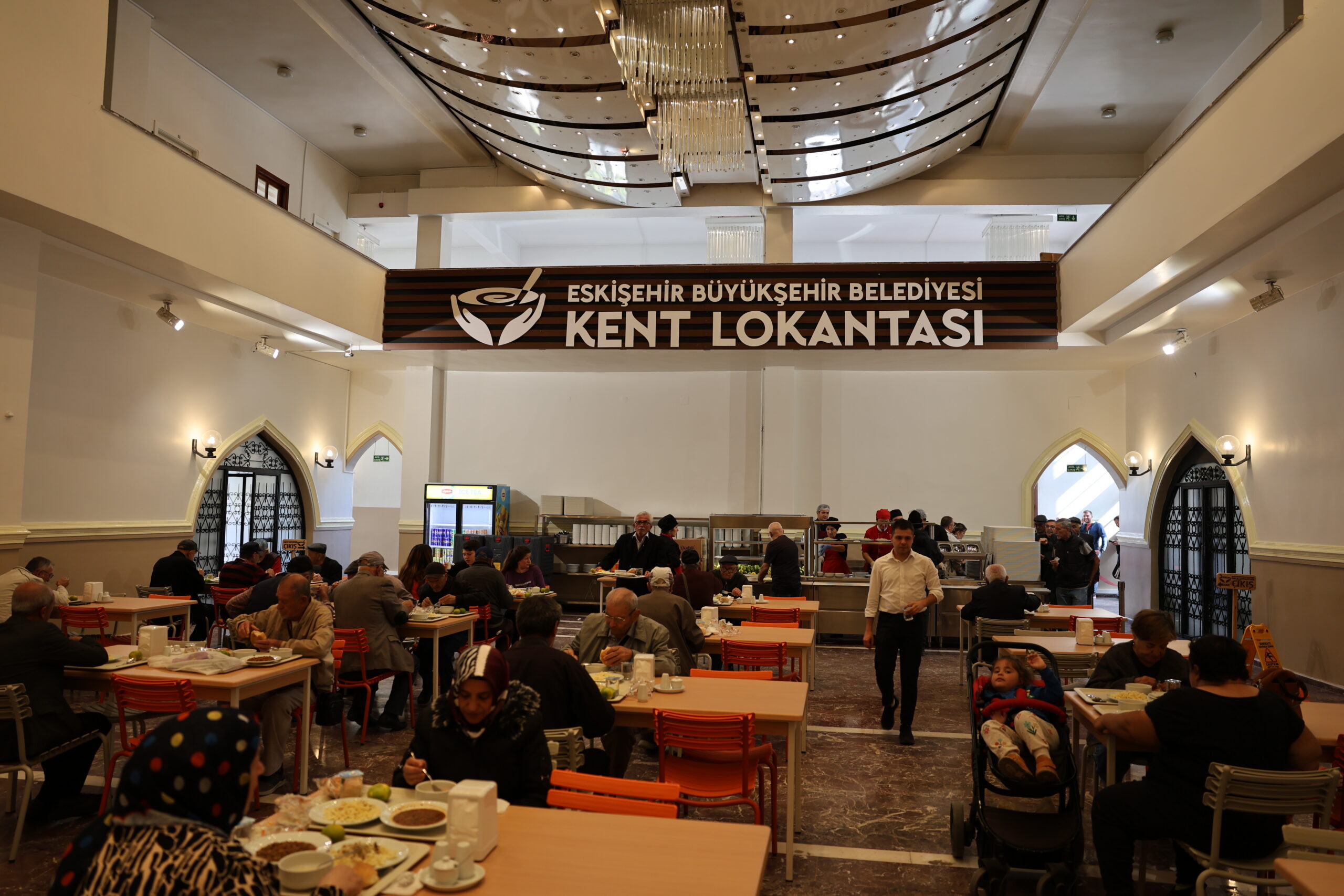

- Kent Lokantasi, Eskişehir (Credit: Eskişehir Metropolitan Municipality)
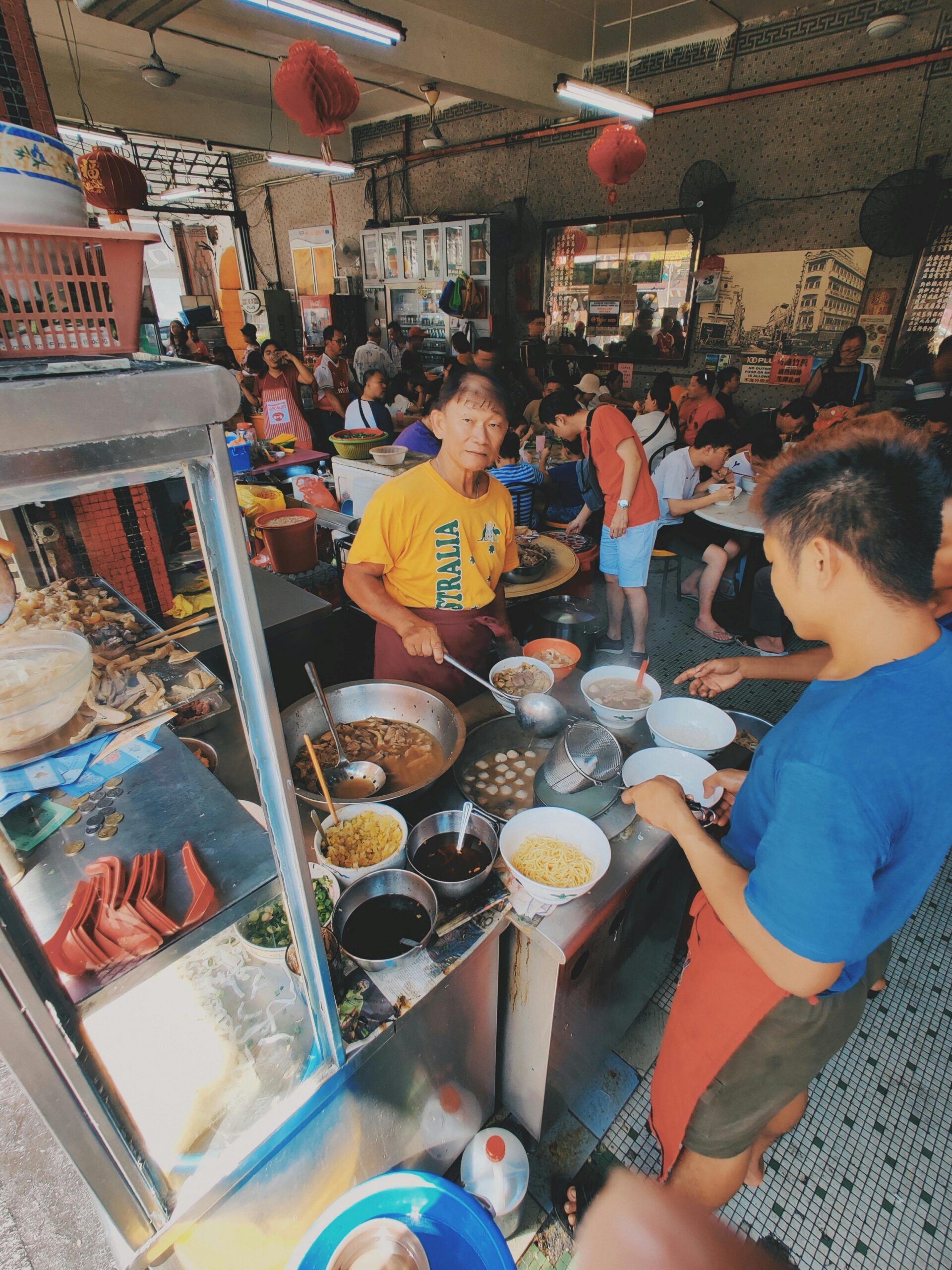
- Hawker centre from exhibition “Hawkerland” (Credit: Rebecca Toh)
Brazil: What does Restaurantes Populares mean?
“These restaurants are “popular” because they’re for everyone – not some charitable project. They are also “public” because they’re not private restaurants that need to make a profit – they’re funded by the government because of Brazil’s legal duty to protect citizens’ right to food.”
Singapore: What makes a hawker centre a “Hawker Centre”?
A lot of things – mainly smells, aesthetics, old people slurping soup, next to young people trying trending noodles. It’s a place where people can eat out affordably and that’s probably why people call the centres the “belly of the nation.”
The call for public restaurants is getting louder, with several countries preparing to test new prototypes in 2026/7.
Scotland is among them. Here, food policy organisation Nourish Scotland has been working on the case for public restaurants for several years. In a 2023 report, they describe public restaurants as “the idea whose time has come.”
Why now?
Perhaps a better question is why don’t we have more of them already? Public infrastructure emerges when something is too essential to be left to the market. Food clearly meets that test. Yet unlike health, water, or education, it lacks equivalent public infrastructure to guarantee universal, quality access. As a result, income, time, facilities, and gender determine who can realise a basic human right—an arrangement we wouldn’t tolerate elsewhere.
Public restaurants address this gap by transferring part of the responsibility for food to the public sphere – a transfer that mirrors how education, transport and healthcare is typically approached. As public infrastructure, they share two defining features:
- State support: Public restaurants are backed by formal public funding and legislation. This makes public restaurants public. They are neither private, for-profit businesses nor charitable services reliant on donations.
- Universality: Public restaurants are open to everyone. Like public buses and libraries, they are not targeted or means-tested services. They are there to improve everyone’s right to food and everyone’s food environment, regardless of income.
Image: KH Tan
IMAGINE
Nothing fancy, nothing dull—just straight-up lunches that don’t hurt your health or your budget. Not replacements for local cafés, but for corporate golden arches.
Locations you know like you know where your post box is. A fixture in your town. They make life a little easier and that makes you feel a lot freer. Imagine a whole life where you know you’ll be able to get a good meal at an affordable price. Imagine the returned time in your week, space in your brain and money in your wallet.
You still cook on lazy Sundays—but you batch-cook less, because you can rely on the Thursday special. A job opens up and you tell your cousin to apply; it’s good for her dream of becoming a chef. Organic and local stop being luxury branding and start being in your lunch – and start tasting good.
And when local elections roll around, so does a conversation about your public restaurant. Any change is felt on Monday at lunchtime. Democracy feels a bit more real and you feel a bit more like a citizen with power.

Who eats there?
Public restaurants are universal, meaning they are open to everyone and not a targeted provision. Not only does universalism reflect that food is a right regardless of income – it also makes the infrastructure more effective.
The analogy of public transport is helpful here: it’s not just because people can’t afford a car that they ride the bus – maybe it’s quicker, more climate friendly or less stressful. Public transport enhances mobility for the entire population, while also alleviating the burden of transport for those with fewer resources. It’s the same for public restaurants. While they immediately and importantly help those currently experiencing food insecurity, they are a population level intervention designed to improve everyone’s food environment, everyone’s life.
Image: Bar mleczny “Bar Prasowy” in Warsaw (Credit: Anna Chworow)
“Me and my friends eat there. And there’s a lot of people there on their lunch break – office jobs, construction jobs, work from home jobs. I saw a YouTube video review from a famous food critic and he said he takes his mum there.”
–Kent Lokantası customer in Istanbul
“You see suits next to students next to pensioners next to the regal woman in her fur coat. There’s also been more tourists coming in for a taste of the local cuisine.”
–Bar Mleczny owner in Warsaw
And what’s on the menu?
Public restaurants make good food accessible to all. Diet-related ill health is now the leading cause of preventable death globally. Food systems are also the leading cause of climate degradation. People neither want to eat food that’s bad for them, or bad for the planet. Currently, unhealthy, non-climate friendly food is the more affordable and more accessible option. Public restaurants simply, extraordinarily change this reality. They don’t do this by lecturing people about dietary choices or by relying on regulation to steer behaviour. They just put good, low impact meals on the menu for everyone.
“There’ll be 4 courses: starting with grilled tomatoes, peppers and onions, followed by kofta – either vegetarian or meat based, third is the main meal – something big with a salad on the side and then of course dessert – probably baklava. Depends where you are – if you’re in Diyarbakir there will definitely be Ciğer kebabı (liver) for breakfast.”
-Halk Lokantası in Diyarbakir, Türkiye
What’s next?
Public restaurants aren’t new – they just haven’t been mainstreamed as deployable public policy. Many jurisdictions either don’t know about this infrastructure option or don’t know how to take the first step toward implementing it. This is why spotlighting current examples and building relationships between them is important. Just like education systems, there is not one perfect model – but if enough lessons are pulled together it is possible to develop a practical blueprint that could be adapted to many different jurisdictions today.
After all, if we want to get to where we really want to go, we might need good trains, but we also need good lunches.
If you’ve, cooked, eaten or know about public restaurants somewhere, we’d love to hear from you! Take part in our survey here.