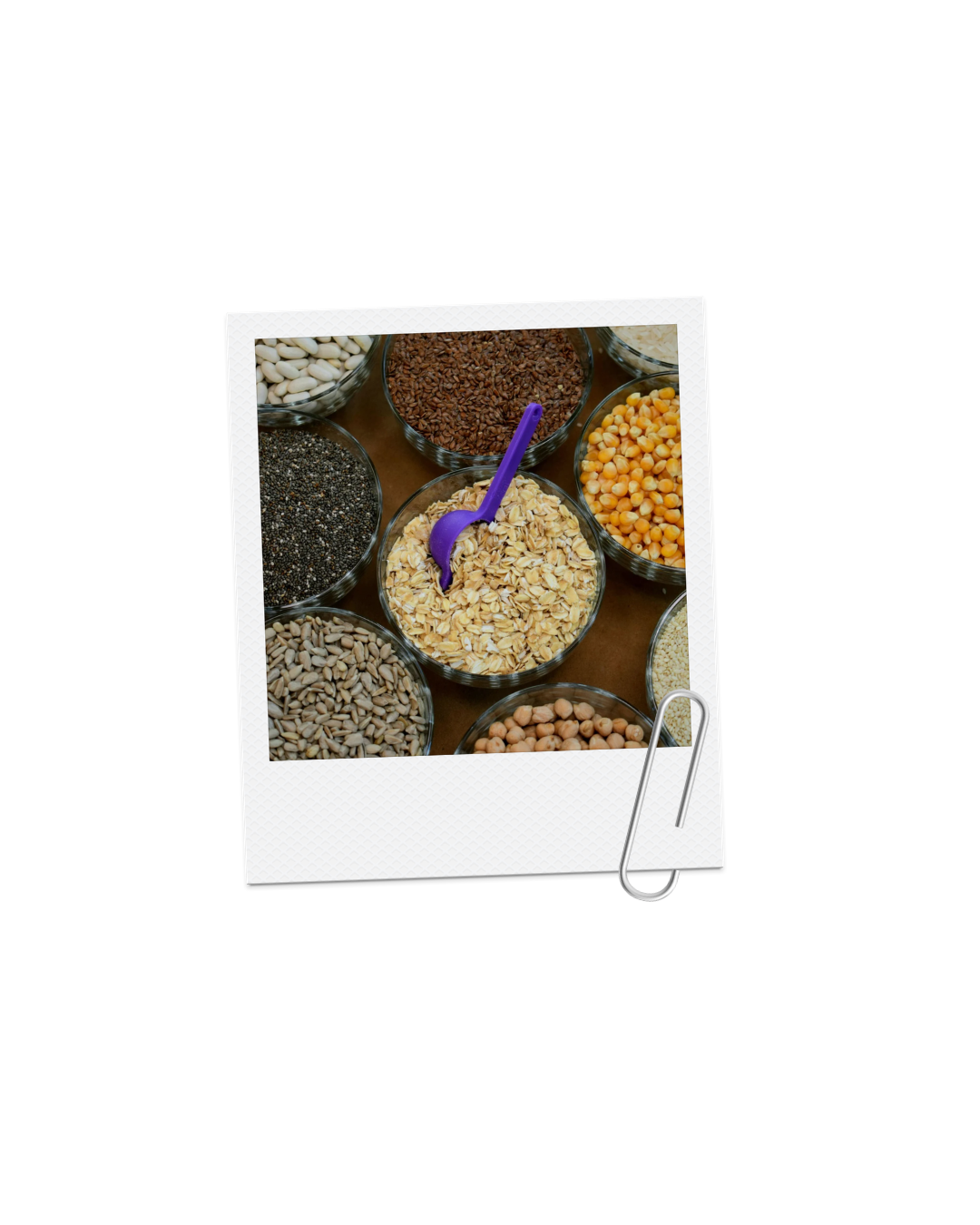
Did you know that of about 6,000 plant species that have been cultivated for food, just nine crops supply roughly 60% of global crop production? Chefs can make diverse eating desirable, while advocating to make ingredients more accessible.
Between World Food Day on 16 October and International Chefs Day on 20 October, we’re asking the Chefs’ Manifesto community to do one thing: Cook one dish with an ingredient worth saving, and tell us where it came from.
How to Take Action
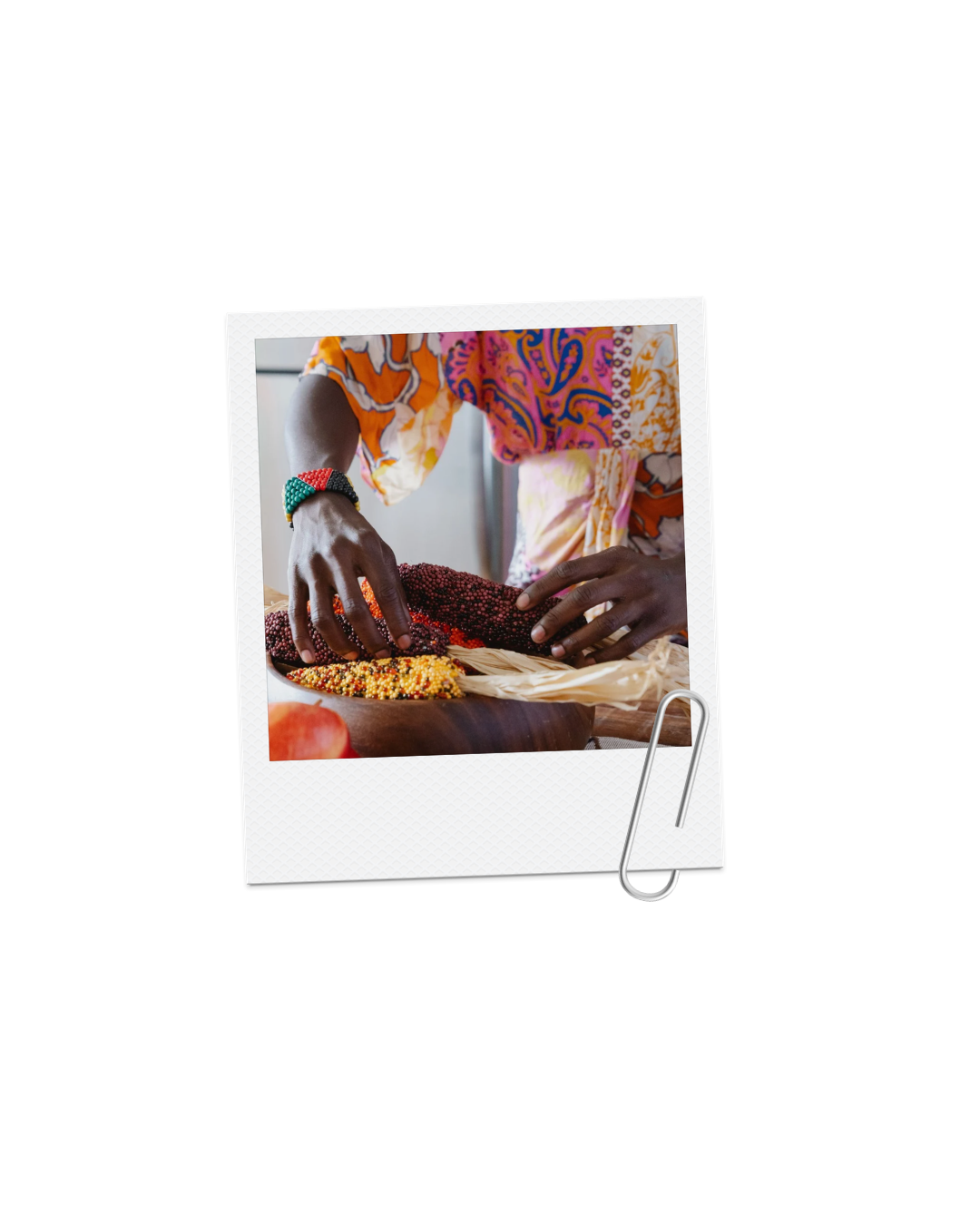
- Plan your ingredient: It could be fonio, sorghum, millet, cowpeas, or whatever your region has almost forgotten. Name the farmer, the market, or the region behind it. If you’re cooking with children for International Chefs Day, even better—show them where it grows.
- Start your caption with: “I’m a Chefs’ Manifesto champion. This is [dish], made with [ingredient] from [farmer/region] — an ingredient worth saving.”
- Tag & Hashtag: Tag @chefsmanifesto and use #ChefsManifesto #WorldFoodDay #InternationalChefsDay.
- Post it any day between 15 and 20 October.
Download Indigenous Food Champion or Dietary Diversity sticker to add to your video here.
We’ll be sharing your posts all week! 🙌
Example Captions
Option A
I’m a Chefs’ Manifesto champion. This is [dish], made with [ingredient] from [farmer/region] — an ingredient worth saving.
Did you know 9 crops make up 60% of global crop production?
Let’s bring biodiversity back to the table!
@chefsmanifesto
#ChefsManifesto #WorldFoodDay #InternationalChefsDay
Option B
I’m a Chefs’ Manifesto champion. For #InternationalChefsDay, we are cooking [dish] using [ingredient] from [farmer/market/region] to show the next generation where food comes from and why ingredients worth saving matter!
@chefsmanifesto
#ChefsManifesto #WorldFoodDay #InternationalChefsDay

Why crop diversity is vital for our food systems
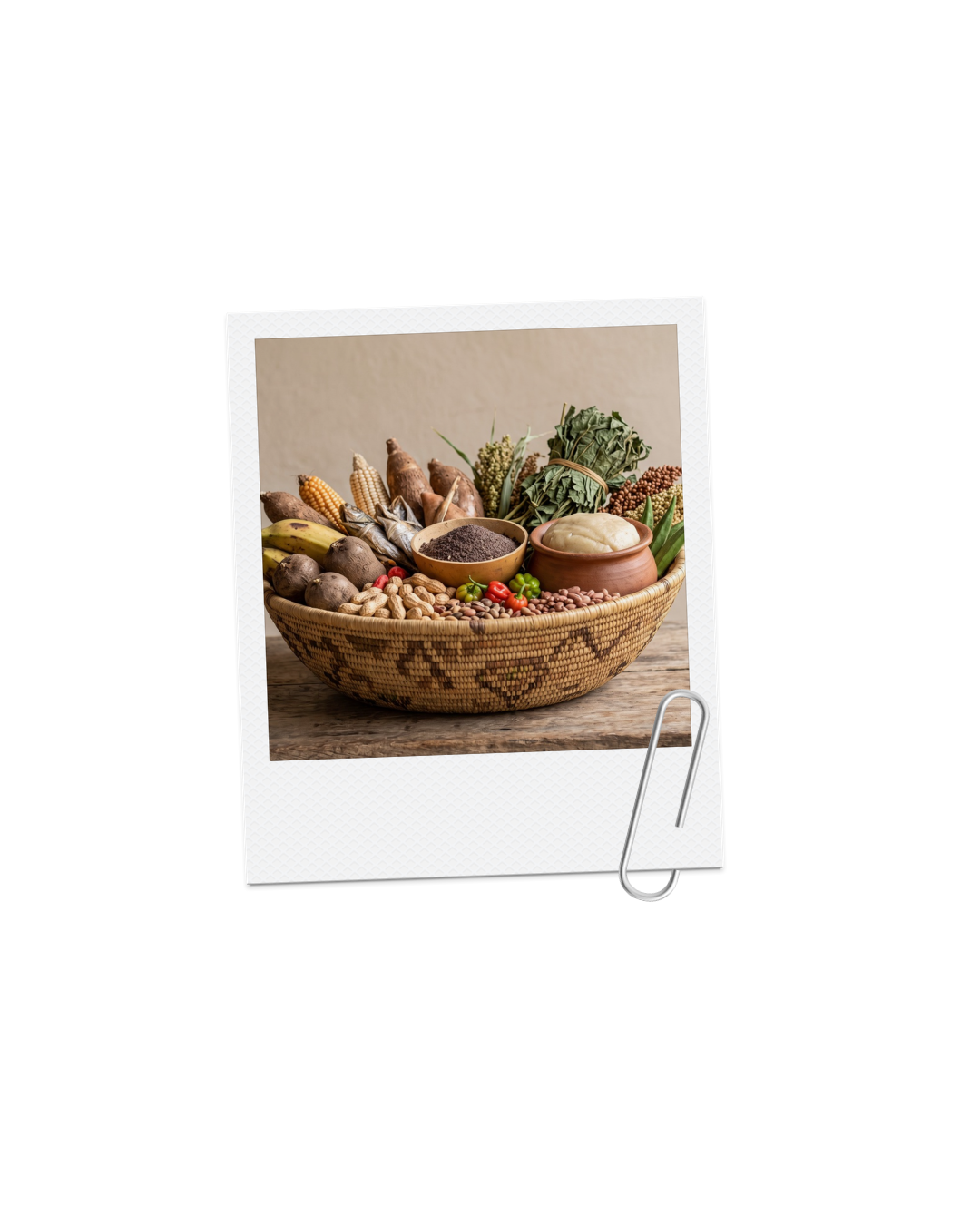
- Climate Resilience: Indigenous and traditional crops like fonio, millet, cowpeas, and sorghum thrive in harsh conditions with fewer resources.
- Nutritional Powerhouses: These forgotten crops are rich in essential micronutrients, protein, and dietary fiber, supporting healthier diets.
- Local Economies: Sourcing local crops honors agricultural heritage and strengthens economic resilience for local smallholder farmers and markets.